Welcome to Nepal: Celebrating World Tourism Day
Welcome to Nepal, a country where mountains, ancient cultures, traditional communities, and natural beauty come together to create unforgettable travel experiences. World Tourism Day is celebrated every year on 27 September as an opportunity to recognize the importance of tourism and its role in connecting people, cultures, destinations, and communities around the world.
Tourism is much more than visiting new places. It creates livelihoods, supports local communities, encourages cultural exchange, and contributes to the preservation of natural and cultural heritage. In Nepal, tourism connects travelers with the Himalayas, historic cities, traditional villages, diverse cultures, and protected natural landscapes.
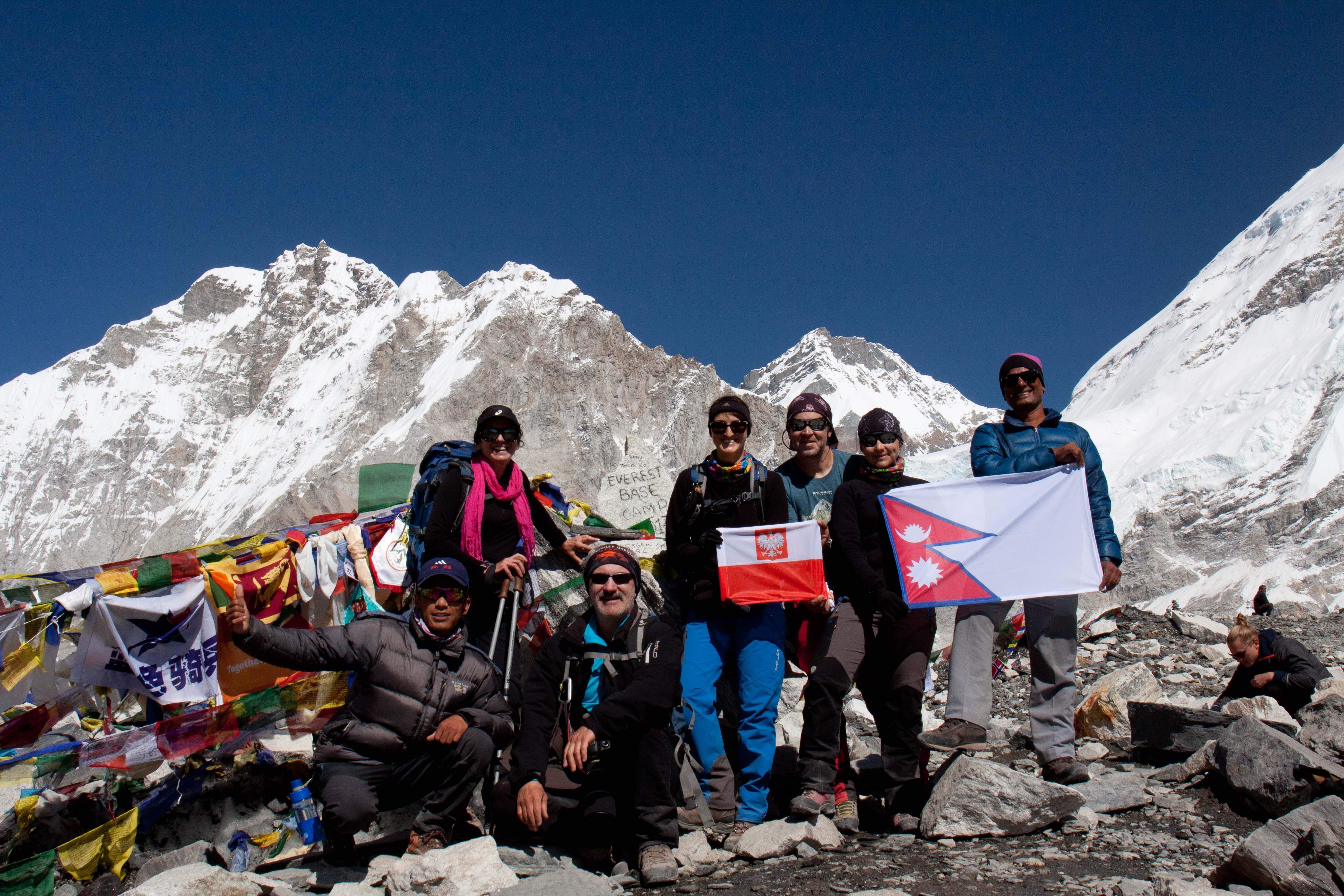
From experiencing Himalayan trails and mountain communities to discovering ancient heritage sites and enjoying Nepal's remarkable landscapes, travelers can explore the country through Trekking in Nepal, Tours in Nepal, and Climbing in Nepal. Each journey offers an opportunity to experience Nepal while supporting the people and communities who make these destinations special.
As the world of travel continues to change, responsible and sustainable tourism is becoming increasingly important. Respecting local cultures, protecting nature, supporting local businesses, and traveling thoughtfully can help ensure that tourism benefits both visitors and host communities for generations to come.
For travelers looking for practical information before visiting the country, our Nepal Travel Information Guide offers useful guidance on destinations, culture, transportation, seasons, permits, and other important aspects of traveling in Nepal.
What Is World Tourism Day?
World Tourism Day is an international observance dedicated to recognizing the importance of tourism and its contribution to societies around the world. It provides an opportunity to reflect on how travel connects people, supports economies, creates employment, promotes cultural understanding, and encourages the protection of destinations.
Tourism brings together people from different countries and backgrounds. A journey can introduce travelers to unfamiliar landscapes, traditions, foods, languages, and ways of life. At the same time, responsible tourism can provide communities with opportunities to share their heritage and benefit from visitors.
World Tourism Day also encourages the tourism industry, governments, communities, and travelers to think about how tourism can develop in a more responsible and sustainable way.
The History of World Tourism Day
World Tourism Day has been observed annually since 1980. The date of 27 September was selected because it marks an important milestone in the history of international tourism cooperation and coincides with the anniversary of the adoption of the Statutes of the World Tourism Organization in 1970.
Since its establishment, World Tourism Day has provided an international platform for discussing important tourism issues and highlighting the contribution of tourism to communities and countries around the world.
Each year focuses on a particular theme, allowing attention to be directed toward an important aspect of tourism and its future. While the theme changes, the broader purpose remains relevant: recognizing the value of tourism and encouraging a more responsible approach to travel.
Why 27 September Is Celebrated
27 September is recognized as World Tourism Day because of its historical significance for international tourism cooperation. The date has become an annual opportunity for destinations, tourism organizations, businesses, communities, and travelers to celebrate tourism and consider its wider impact.
It is also a reminder that tourism involves more than travelers and destinations. Behind every journey are guides, porters, drivers, hotel workers, cooks, artisans, farmers, conservation workers, local entrepreneurs, and many other people whose livelihoods can be connected to tourism.
Why Is World Tourism Day Important?
Tourism has become an important part of modern life, connecting destinations and people across national and cultural boundaries. Its influence extends beyond hotels, transportation, and sightseeing.
When tourism is planned and managed responsibly, it can provide economic opportunities, strengthen local businesses, support cultural heritage, and contribute to conservation.
Tourism and Local Economies
Tourism can generate income for communities through accommodation, transportation, restaurants, guiding services, handicrafts, cultural experiences, and locally produced goods.
In mountain destinations such as Nepal, tourism can also bring economic opportunities to communities located far from major urban centers. Trekking routes often pass through villages where local lodges, teahouses, shops, guides, porters, and other service providers depend partly on visitors.
Keeping tourism benefits within local communities can help create a stronger and more sustainable tourism economy.
Tourism and Employment
Tourism supports a wide range of jobs. Some are directly connected with travelers, while others are part of the wider supply chain that makes tourism possible.
Guides, porters, hotel staff, drivers, cooks, travel planners, conservation workers, artisans, and local producers can all benefit from tourism activity. For many destinations, tourism provides opportunities for people to develop skills, start businesses, and earn income within their communities.
Tourism and Cultural Exchange
Travel provides opportunities for people to learn from one another.
Visitors may discover traditional architecture, local festivals, cuisine, music, crafts, religious traditions, clothing, and everyday lifestyles. At the same time, host communities can learn about different cultures through interaction with travelers.
When this exchange is based on mutual respect, tourism can help promote greater understanding between people from different parts of the world.
Tourism Connects People, Cultures and Communities
One of the most meaningful aspects of travel is the human connection created along the way. A destination becomes more memorable when travelers have the opportunity to meet local people and understand the culture behind the landscape.
Tourism can transform a journey from simply seeing a place into experiencing it.
Discovering Local Cultures Through Travel
Travelers often remember the people they meet as much as the places they visit.
A conversation with a village resident, sharing a traditional meal, visiting a local market, observing a cultural celebration, or staying in a community-run accommodation can provide a deeper understanding of a destination.
In Nepal, cultural experiences range from the historic heritage of the Kathmandu Valley to the traditions of Himalayan communities and the diverse cultures found throughout the country's hills and mountains.
Supporting Local Communities
Responsible travelers can make a difference through simple choices.
Using locally owned accommodation, purchasing locally made handicrafts, eating local food, hiring qualified local guides, and choosing community-based experiences can help more tourism income remain within the destination.
Travelers should also remember that local communities are not simply attractions. They are living communities with their own traditions, values, homes, and daily lives that deserve respect.
Creating Meaningful Travel Experiences
Meaningful travel does not necessarily require luxury or expensive experiences. Often, the most memorable moments come from authentic interactions and a genuine interest in the destination.
Walking through a traditional village, learning about local food, listening to stories from a guide, visiting a historic site, or sharing a moment with a mountain community can make a journey more personal and memorable.
The Role of Tourism in Sustainable Development
The future of tourism depends on finding a balance between welcoming visitors and protecting the places they come to experience.
Sustainable tourism aims to consider environmental, social, cultural, and economic impacts so that destinations can continue to benefit from tourism without losing the qualities that make them special.
Protecting Nature and the Environment
Many of the world's most popular tourism destinations are environmentally sensitive.
Mountains, forests, rivers, glaciers, wetlands, national parks, and wildlife habitats can be affected by increasing visitor numbers and poorly managed tourism. Travelers can help reduce these impacts by minimizing waste, avoiding unnecessary plastic, respecting wildlife, using resources carefully, and following local environmental guidelines.
In Himalayan destinations, protecting fragile mountain ecosystems is particularly important because natural environments can be sensitive to changing conditions and increasing human activity.
Preserving Cultural Heritage
Tourism can provide resources and motivation for preserving historic buildings, traditional crafts, festivals, cultural practices, and other forms of heritage.
However, cultural preservation requires respect. Travelers should follow local customs, dress appropriately where expected, ask permission before photographing people, and avoid treating sacred places simply as tourist attractions.
Supporting Sustainable Local Tourism
Sustainable tourism works best when local people have a meaningful role in tourism development.
Community participation can help ensure that tourism responds to local needs while allowing residents to benefit from visitors. It can also encourage communities to protect the natural and cultural resources that attract travelers in the first place.
World Tourism Day and Nepal
Nepal has a special connection with international tourism through its Himalayan landscapes, cultural diversity, historic heritage, wildlife, and adventure opportunities.
Tourism has helped introduce Nepal to travelers from around the world while creating livelihoods for people in cities, hills, villages, and mountain communities.
Nepal as a Himalayan Tourism Destination
Nepal is home to some of the world's most spectacular mountain landscapes, including the Everest, Annapurna, Langtang, Manaslu, Kanchenjunga, Makalu, and other Himalayan regions.
But Nepal's appeal extends far beyond its mountains. The country offers historic cities, temples, monasteries, traditional villages, national parks, rivers, forests, diverse cultures, and vibrant local communities.
This combination makes Nepal a destination where travelers can experience nature and culture within the same journey.
Trekking and Mountain Tourism in Nepal
Trekking is one of Nepal's most distinctive tourism experiences.
A trek is not simply a walk through the mountains. It can be an opportunity to experience mountain landscapes, traditional settlements, local food, regional cultures, and the daily lives of communities along the trail.
From popular routes to remote Himalayan regions, trekking can bring tourism income directly to mountain communities while allowing travelers to experience Nepal at a slower and more personal pace.
Culture, Heritage and Local Communities
Nepal's cultural heritage is an important part of its tourism identity.
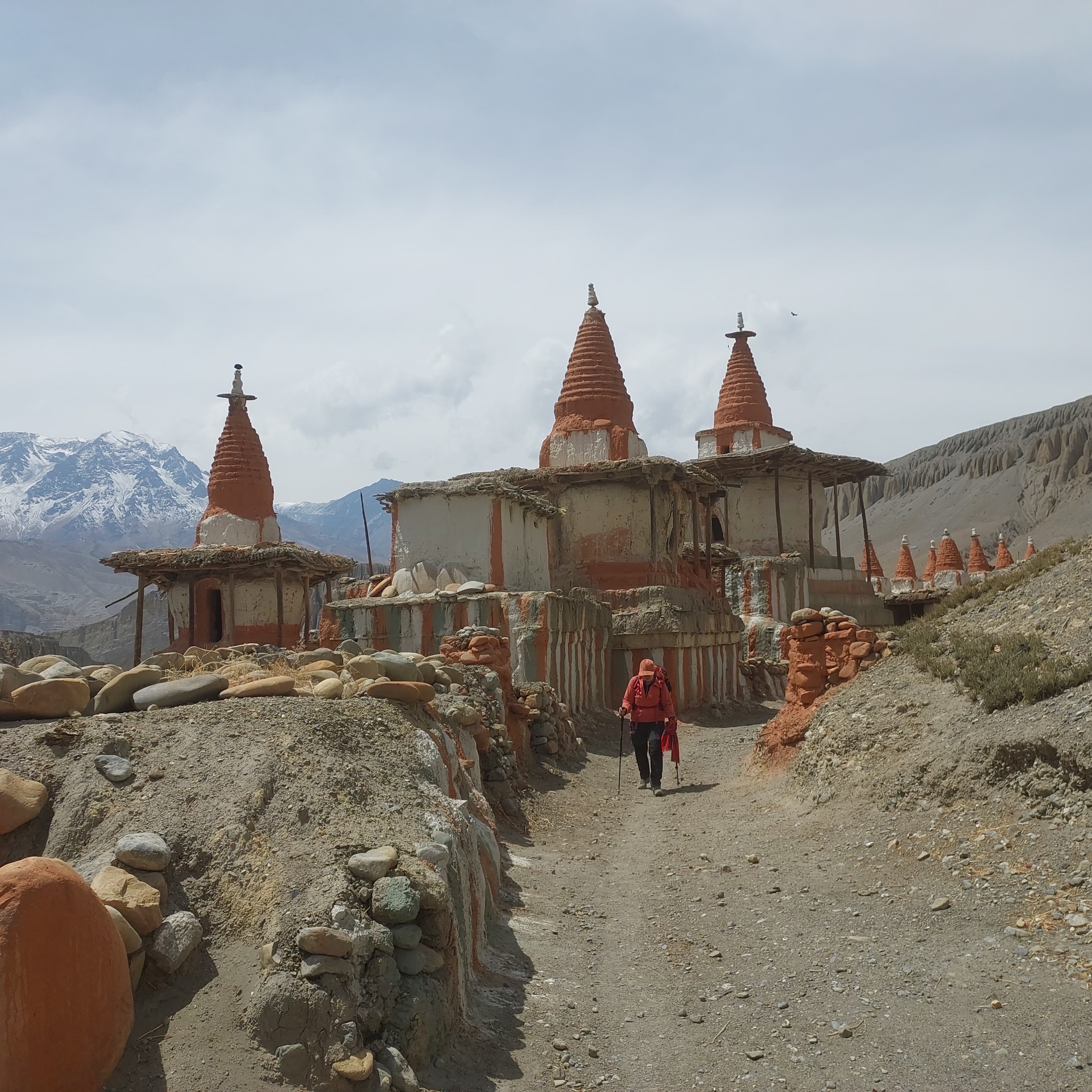
The Kathmandu Valley, traditional Newari settlements, Himalayan monasteries, historic towns, religious sites, festivals, traditional crafts, and diverse communities provide travelers with opportunities to understand the country's long history and cultural diversity.
Respect for local communities is essential to keeping these experiences meaningful for both visitors and residents.
Tourism and Conservation in the Himalayas
Tourism and conservation can work together when tourism is responsibly managed.
Visitors contribute to local economies and, through various systems and conservation programs, can also support the protection of national parks, conservation areas, cultural sites, and mountain environments.
At the same time, travelers have a personal responsibility to leave destinations clean, respect wildlife and local regulations, and minimize their environmental footprint.
Responsible Tourism: Travel With Respect
Responsible tourism begins with recognizing that every journey has an impact.
The choices travelers make before and during a trip can influence local communities, natural environments, cultural heritage, and the wider tourism economy.
Respecting Local Culture and Traditions
Travelers should learn basic information about local customs before visiting a destination.
In Nepal, this may include dressing respectfully at religious and cultural sites, asking permission before photographing people, respecting prayer areas and monasteries, and following local customs when entering homes or community spaces.
A respectful traveler observes first, learns, and adapts rather than expecting every destination to follow familiar customs from home.
Reducing Waste and Protecting Nature
Simple habits can reduce the environmental impact of travel.
Carrying reusable items, avoiding unnecessary single-use plastics, disposing of waste properly, using water responsibly, and staying on designated trails are practical ways travelers can help protect destinations.
In mountain areas, responsible waste management is particularly important because transporting waste from remote locations can be difficult and expensive.
Supporting Local Businesses and Communities
Choosing local services is one of the most direct ways travelers can contribute to the communities they visit.
Where appropriate, travelers can stay in locally owned accommodation, eat locally prepared food, purchase traditional products, and hire local guides and service providers.
These choices help tourism benefits reach the people who live and work in the destination.
The Future of Tourism
Tourism will continue to change as travelers become more interested in meaningful experiences, sustainability, local culture, nature, and responsible travel.
The future of tourism should not simply be about attracting more visitors. It should also be about creating better experiences while protecting destinations and improving benefits for local communities.
More Responsible and Sustainable Travel
Travelers are increasingly aware of how their choices affect the environment and local communities.
The future of tourism will depend on reducing negative impacts while creating meaningful economic and social benefits. Destinations and tourism businesses can contribute by improving resource management, supporting local communities, protecting heritage, and promoting responsible visitor behavior.
Authentic Experiences and Community-Based Tourism
Many travelers are looking beyond conventional sightseeing and seeking genuine connections with destinations.
Community-based tourism can provide opportunities for visitors to experience local lifestyles while allowing communities to participate directly in tourism and benefit from it.
For Nepal, this approach can be particularly valuable in rural and mountain communities where tourism can support local livelihoods while encouraging the preservation of traditional culture.
Protecting Destinations for Future Generations
The places people travel to today should remain meaningful and accessible for future generations.
Protecting mountains, forests, cultural sites, historic settlements, wildlife, and local traditions is therefore a shared responsibility between governments, tourism businesses, communities, and travelers.
Sustainable tourism is ultimately about ensuring that future travelers can enjoy destinations without those destinations losing their natural, cultural, and human character.
Celebrating World Tourism Day with Mountain King Treks
At Mountain King Treks, tourism is closely connected with the mountains, communities, cultures, and landscapes that make Nepal special.
Traveling through the Himalayas provides opportunities to experience more than spectacular scenery. It allows travelers to meet local people, learn about traditional cultures, explore remote communities, and understand the relationship between mountain life and the natural environment.
Exploring the Himalayas Responsibly
Responsible Himalayan travel requires careful planning and respect for the environment and communities.
Whether traveling on a popular trekking route or exploring a remote mountain region, travelers can contribute by respecting local customs, minimizing waste, following conservation guidelines, and supporting local services.
Connecting Travelers with Local Communities
Local people are an important part of the travel experience in Nepal.
Guides, porters, lodge owners, cooks, drivers, artisans, farmers, and community members contribute to the journeys of visitors every day. Meaningful interaction with these people can turn a trip into a deeper cultural experience.
Creating Meaningful Himalayan Experiences
The most memorable journeys are often those that combine spectacular landscapes with genuine human experiences.
Mountain King Treks believes that responsible travel should allow visitors to enjoy Nepal while also respecting its people, cultures, communities, and natural heritage.
World Tourism Day: A Lasting Reminder of Respect and Hospitality
World Tourism Day is more than a day to celebrate tourism. It is a lasting reminder of the importance of respecting travelers, welcoming people from different countries and cultures, and practicing genuine kindness and hospitality wherever we meet.
Tourism brings people from diverse backgrounds together and creates opportunities for cultural understanding and meaningful human connections. A warm Namaste, a sincere smile, a polite greeting, and kindness from the heart can leave a lasting impression and often mean more than material comforts.
Nepal has a long-standing tradition of welcoming guests with warmth and respect, beautifully reflected in the Sanskrit principle “Atithi Devo Bhava,” meaning “The guest is like God.” This timeless principle reminds us that hospitality should be offered with sincerity, dignity, and respect. Whether we meet travelers in cities, villages, hotels, trekking trails, mountain communities, or cultural sites, a friendly Namaste, a welcoming smile, and genuine courtesy can make them feel valued and respected.
World Tourism Day therefore offers a valuable opportunity to reflect on how we welcome and treat travelers from around the world. Respect and hospitality should not be limited to 27 September; they are values that can be practiced every day and passed from one generation to the next.
When tourism is built on kindness, respect, understanding, and genuine hospitality, it creates stronger connections between travelers and local communities. The true message of World Tourism Day is therefore not limited to a single day of celebration, but serves as a lasting lesson in respect, hospitality, and human connection that we can carry forward throughout the year.
Frequently Asked Questions About World Tourism Day
When is World Tourism Day celebrated?
World Tourism Day is celebrated every year on 27 September.
Why do we celebrate World Tourism Day?
World Tourism Day recognizes the importance of tourism and highlights its economic, social, cultural, and environmental contributions around the world.
What is the purpose of World Tourism Day?
The purpose is to raise awareness about the value of tourism and encourage discussion about responsible, inclusive, and sustainable tourism development.
What is the theme of World Tourism Day?
The theme of World Tourism Day changes each year and focuses on a particular tourism-related issue or priority. The annual theme can be added to this evergreen guide and updated each year.
How can travelers celebrate World Tourism Day responsibly?
Travelers can celebrate by exploring responsibly, respecting local cultures, supporting local communities and businesses, protecting nature, reducing waste, and learning more about the destinations they visit.
Plan Your Journey to Nepal
World Tourism Day is a reminder to travel responsibly, respect local cultures, support communities, and protect the places we visit. Whether you are planning a trek, cultural tour, or mountain adventure, thoughtful preparation can make your journey safer, smoother, and more rewarding.
Explore our Nepal Travel Information Guide, Nepal Travel Planning Guide, and Nepal Trip Preparation Guide for practical information to help you plan and prepare for your journey.
Contact Us
Mountain King Treks & Expedition Pvt. Ltd.
WhatsApp / Call: +977-9841566449
Email: info@mountainkingtrek.com
Plan Your Trip
Share your travel dates, group size, interests, and preferred journey with us. Our team will help you plan a well-organized and meaningful trip in Nepal.
Happy World Tourism Day from Mountain King Treks — celebrating travel, respecting cultures, supporting communities, and protecting the Himalayas.