A bespoke trekking in nepal adventure.
The Annapurna Base Camp Trek is one of the most rewarding Trekking in Nepal experiences, taking you deep into the spectacular Annapurna Sanctuary beneath the towering peaks of Annapurna I (8,091m), Machhapuchhre (Fishtail), Hiunchuli, and Annapurna South. This carefully designed itinerary combines comfortable travel, gradual altitude gain, and a fully supported trekking experience, making it an excellent choice for travelers seeking breathtaking Himalayan scenery, authentic mountain culture, and unforgettable trekking adventures.
Beginning with your arrival in Kathmandu, the journey includes scenic travel to Pokhara before following classic Himalayan trails through charming Gurung and Magar villages, terraced farmland, rhododendron forests, and peaceful mountain landscapes. As the trail climbs higher into the Annapurna Sanctuary, spectacular glacier views and dramatic alpine scenery create one of Nepal's most iconic trekking experiences. This itinerary follows a comfortable pace with hotel accommodation in Kathmandu and Pokhara, clean mountain lodges during the trek, and full-board meals throughout the trekking period.
Whether you are planning your first Himalayan adventure or returning to explore another remarkable region, this package offers an excellent balance of natural beauty, cultural encounters, and professional trekking support. As one of the most popular routes in the Annapurna Region Trekking area, the Annapurna Base Camp Trek attracts trekkers from around the world who wish to experience Nepal's diverse landscapes, welcoming mountain communities, and world-famous Himalayan scenery.
Organized by Mountain King Treks, this all-inclusive trekking package includes experienced local guides, porter service, all required trekking permits, comfortable accommodation, full-board meals during the trek, private airport transfers, ground transportation, and a traditional Nepali farewell dinner, allowing you to enjoy a safe, comfortable, and memorable Himalayan adventure from arrival to departure.
Short Itinerary – Annapurna Base Camp Trek
Day 01: Arrival in Kathmandu (1,400m) – Transfer to Hotel
Day 02: Drive from Kathmandu to Pokhara (822m) by Tourist Bus
Day 03: Drive to Nayapul and Trek to Tikhedhunga (1,540m)
Day 04: Trek from Tikhedhunga to Ghorepani (2,874m)
Day 05: Sunrise at Poon Hill (3,210m) and Trek to Tadapani (2,630m)
Day 06: Trek from Tadapani to Sinuwa (2,340m)
Day 07: Trek from Sinuwa to Deurali (3,230m)
Day 08: Trek from Deurali to Annapurna Base Camp (4,130m)
Day 09: Trek from Annapurna Base Camp to Bamboo (2,310m)
Day 10: Trek from Bamboo to Jhinu Danda (1,780m)
Day 11: Trek to Road Head and Drive to Pokhara (822m) – Overnight Hotel (BB)
Day 12: Drive from Pokhara to Kathmandu (1,400m) by Tourist Bus
Day 13: Departure from Kathmandu – Transfer to International Airport
Trip Facts
Trip Duration: 13 Days
Destination: Annapurna Region, Nepal
Trip Type: Tea House Trek
Trek Starts: Nayapul
Trek Ends: Jhinu Danda
Transportation: Tourist bus Kathmandu–Pokhara–Kathmandu and private vehicle transfers between Pokhara and trekking points
Maximum Altitude: Annapurna Base Camp (4,130m / 13,550ft)
Annapurna Base Camp Altitude: 4,130m / 13,550ft
Walking Duration: Approximately 5–8 hours per day
Difficulty Level: Moderate
Accommodation: Hotel in Kathmandu and Pokhara (BB) + Twin-sharing mountain teahouses during the trek
Meals: Breakfast in Kathmandu and Pokhara + Full Board (Breakfast, Lunch, and Dinner) during the trek
Best Seasons: Spring (March–May) and Autumn (September–November)
Group Size: 1–20 Trekkers
Guide Service: Government-licensed English-speaking trekking guide
Porter Service: Included
Permits: All required trekking permits included
Transportation Included: Tourist bus, private vehicle transfers, and all ground transportation as per itinerary
Arrival & Departure: Private airport transfers in Kathmandu included
Trip Customization: Flexible itinerary and additional services available on request
Best Time to Visit Annapurna Base Camp Trek
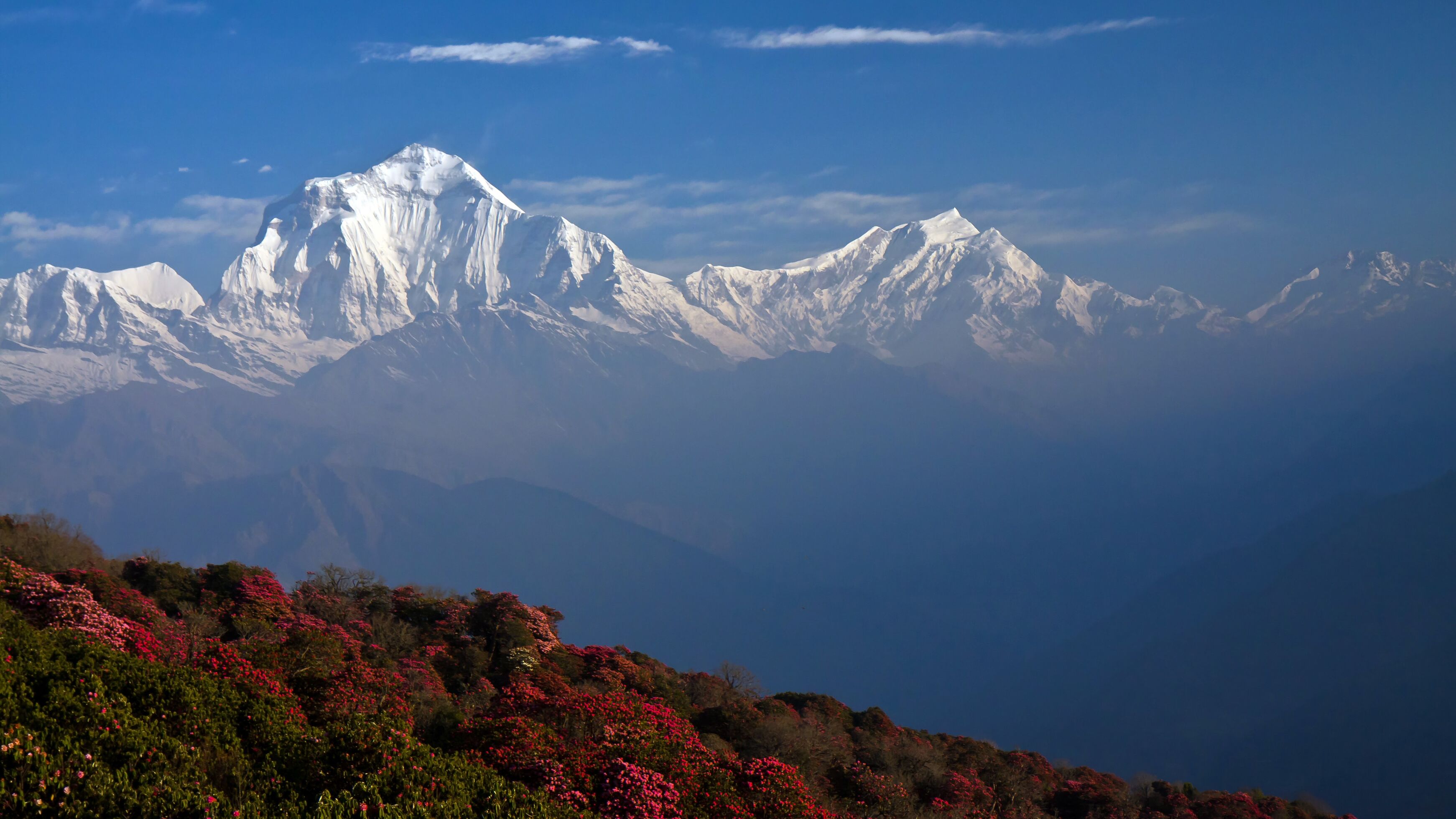
The Annapurna Base Camp Trek Nepal can be completed throughout the year, but the best seasons are spring (March to May) and autumn (September to November). During these months, the weather is generally stable, the skies are clearer, and the mountain views are at their best. Spring brings colorful rhododendron forests and blooming flowers, while autumn offers crisp mountain air, excellent visibility, and comfortable trekking conditions.
Winter (December to February) is also possible for trekkers who are prepared for colder temperatures and occasional snowfall at higher elevations. The trails are quieter during this season, offering a more peaceful experience, although warm clothing and proper preparation are essential. The monsoon season (June to August) brings heavy rainfall, slippery trails, and reduced mountain visibility, but the landscapes become lush and green.
For a better understanding of Nepal's seasonal conditions, trekking months, and regional weather patterns, explore our Best Time to Visit Nepal Guide and Nepal Weather Guide before planning your Himalayan adventure.
Accommodation & Meals
This Annapurna Base Camp Trek Nepal 13 Days package includes comfortable twin-sharing hotel accommodation in Kathmandu and Pokhara with daily breakfast, along with clean and comfortable twin-sharing mountain lodge accommodation throughout the trekking route.
During the trekking period, a Full Board meal plan is included with daily breakfast, lunch, and dinner served at mountain lodges. Each breakfast includes one main course, a cup of tea or coffee, and fresh seasonal fruits. Lunch and dinner include one main course selected from the lodge menu, with fresh seasonal fruits served every evening after dinner throughout the trek.
The trekking route offers a variety of Nepali, Gurung, Tibetan, and international dishes depending on the available lodge facilities. To learn more about mountain accommodation, meals, and trekking styles in Nepal, explore our Nepal Trekking Accommodation & Food Guide and Nepal Tea House Trekking Guide.
Difficulty Level & Preparation
The Annapurna Base Camp Trek Nepal is considered a moderate Himalayan trek suitable for travelers with good physical fitness and a positive attitude. The route includes gradual uphill walking, stone steps, forest trails, and high-altitude landscapes, with daily trekking generally taking around 4 to 7 hours.
Although no technical climbing experience is required, proper preparation helps make the journey more comfortable and enjoyable. Regular walking, hiking practice, and basic fitness training before the trek are recommended. Packing suitable clothing, trekking footwear, and personal equipment is also important for changing mountain conditions.
For detailed preparation advice, including fitness, safety, altitude awareness, and trekking requirements, explore our Nepal Trekking Difficulty Guide, Altitude Sickness in Nepal Guide, Nepal Trekking Safety Guide, and Nepal Trip Preparation Guide.
Transportation & Route Information
Your journey begins with a scenic tourist bus drive from Kathmandu to Pokhara, followed by private vehicle transportation to the trekking starting point at Nayapul. After completing the trek at Jhinu Danda, a private vehicle transfer takes you back to Pokhara before returning to Kathmandu by tourist bus.
The trekking route passes through beautiful Gurung and Magar villages, terraced farmland, rhododendron forests, rivers, and the spectacular Annapurna Sanctuary. This combination of mountain scenery, local culture, and diverse landscapes makes it one of the most popular trekking experiences in Nepal.
For more information about travel options, road conditions, and transportation arrangements throughout Nepal, explore our Nepal Transportation Guide.
Frequently Asked Questions
1. How high is Annapurna Base Camp?
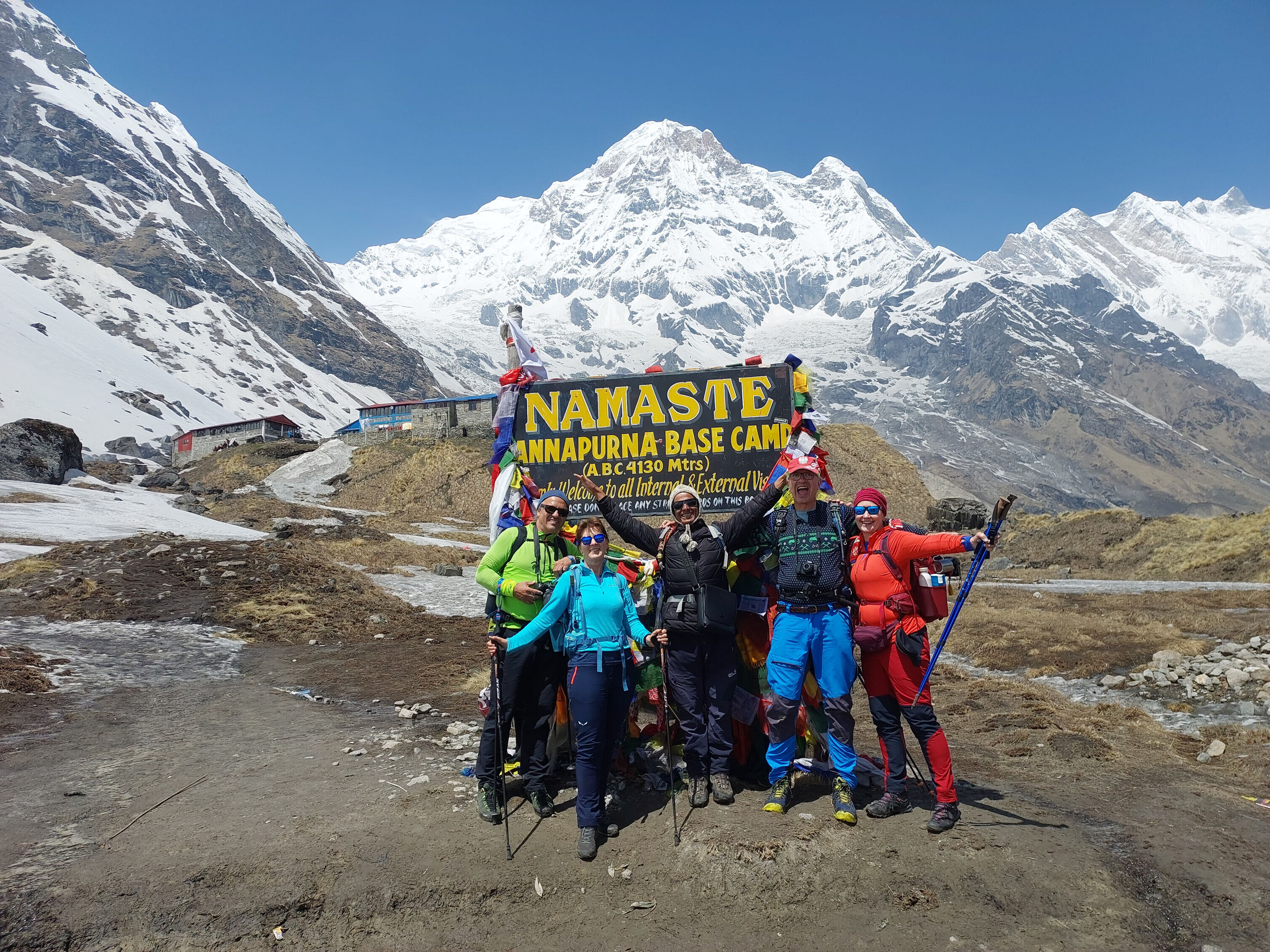
Annapurna Base Camp sits at an elevation of 4,130 meters (13,550 feet), surrounded by the spectacular peaks of Annapurna I, Machhapuchhre, Hiunchuli, and Annapurna South. Although the altitude is lower than some Himalayan passes, gradual ascent and proper acclimatization are still important for a safe and enjoyable trek.
2. Is the Annapurna Base Camp Trek suitable for beginners?
Yes. The Annapurna Base Camp Trek is suitable for beginners with a good level of fitness and regular walking experience. The trail follows well-established trekking routes with comfortable tea houses, making it one of Nepal's most popular Himalayan adventures for first-time trekkers.
3. What permits are required for the Annapurna Base Camp Trek?
The trek requires an Annapurna Conservation Area Permit (ACAP) and any other permits applicable under current Nepal Government regulations. Mountain King Treks arranges all required permits before your trek begins, allowing you to enjoy your adventure without administrative concerns.
4. What cultural experiences can I expect during the Annapurna Base Camp Trek?
The trail passes through traditional Gurung and Magar villages where you can experience authentic mountain hospitality, local traditions, Buddhist and Hindu culture, and everyday life in the Annapurna region. To learn more about the people, traditions, and cultural heritage of the region, explore our Annapurna Culture Guide.
5. Where can I learn more before booking the Annapurna Base Camp Trek?
Before booking your adventure, explore our Annapurna Base Camp Trek Guide for detailed route information, trekking highlights, and practical advice. For broader travel planning, our Nepal Travel Information Guide, Nepal Travel Planning Guide, and Nepal Trip Preparation Guide provide everything you need before your journey. You can also find answers to common travel questions in our Nepal Travel FAQs.
Book Your Annapurna Base Camp Trek
Ready to experience the legendary Annapurna Sanctuary? Our experienced local team will help you plan your Annapurna Base Camp Trek Nepal with professional guidance, reliable logistics, and personalized support from arrival in Kathmandu to your final departure.
We assist with every important part of your journey, including trek planning, permits, transportation, accommodation, meal arrangements, equipment advice, and practical preparation to ensure a smooth and enjoyable Himalayan adventure.
Contact Us
Have questions about the itinerary, permits, transportation, accommodation, fitness requirements, or trekking preparation? Contact our experienced local team for friendly advice and personalized assistance.
WhatsApp / Call: +977-9841566449
Email: info@mountainkingtrek.com
Plan Your Trip
Whether you are traveling solo, with family, friends, or a private group, Mountain King Treks will help you create the right trekking plan according to your schedule and requirements. Enjoy professional local support, carefully arranged services, and a memorable Annapurna Base Camp Trek Nepal 13 Days experience.
What makes this special.
- Trek to the spectacular Annapurna Base Camp (4,130m) surrounded by breathtaking Himalayan peaks
- Experience one of the most iconic Trekking in Nepal adventures in the heart of the Annapurna Region
- Follow the classic Annapurna Sanctuary trail through beautiful villages, forests, rivers, and mountain landscapes
- Enjoy scenic drives between Kathmandu, Pokhara, and the Annapurna trekking region
- Experience authentic Gurung and Magar culture, traditional villages, and warm Himalayan hospitality
- Trek through beautiful rhododendron forests, waterfalls, suspension bridges, and peaceful mountain trails
- Enjoy panoramic views of Annapurna I, Machhapuchhre (Fishtail), Annapurna South, Hiunchuli, and surrounding peaks
- Explore Ghorepani, Tadapani, Machhapuchhre Base Camp, and the magnificent Annapurna Sanctuary
- Reach Annapurna Base Camp (4,130m) and experience unforgettable Himalayan scenery
- Enjoy a fully supported full-board trekking experience with an experienced guide, porter, meals, permits, and transportation included
- Stay in comfortable mountain teahouses and experience authentic Himalayan trekking life
- Create lifelong memories on one of Nepal's most rewarding Himalayan adventures
Your itinerary.
representative will warmly welcome you and transfer you to your hotel by private vehicle. After completing the check-in process, you can relax and prepare for your upcoming Annapurna Base Camp Trek adventure. Our team will provide a short trek briefing and assist with any final preparations if required.
Accommodation: Hotel in Kathmandu (BB)
After breakfast, begin your scenic journey from Kathmandu to Pokhara by tourist bus. The drive follows the beautiful Prithvi Highway, passing through green hills, rivers, traditional villages, and countryside landscapes. Enjoy views of the Trishuli and Marsyangdi River valleys while traveling toward Pokhara, the gateway city for the Annapurna region.
Upon arrival in Pokhara, transfer to your hotel and enjoy the peaceful atmosphere of this beautiful lakeside city with views of the Annapurna and Machhapuchhre (Fishtail) ranges in the distance.
Driving Distance: Approximately 200 km
Driving Duration: Approximately 6–7 hours
Meals: Breakfast
Accommodation: Hotel in Pokhara (BB)
After breakfast, drive from Pokhara to Nayapul, the starting point of your Annapurna Base Camp Trek. The journey passes through beautiful countryside landscapes, terraced farmland, and traditional villages.
From Nayapul, begin trekking along the Modi Khola valley through charming villages and peaceful mountain trails. The route gradually follows the river valley before reaching Tikhedhunga, a small mountain settlement where you will spend your first night in the Annapurna trekking region.
Driving Distance: Approximately 45 km
Driving Duration: Approximately 1.5–2 hours
Walking Duration: Approximately 3–4 hours
Meals: Breakfast, Lunch, and Dinner
Accommodation: Mountain Lodge in Tikhedhunga
After breakfast, begin the trek with a gradual climb through beautiful rhododendron forests and traditional Magar villages. The trail includes stone steps and scenic mountain paths as you ascend toward Ulleri, one of the largest settlements in the area.
Continue walking through peaceful forests with beautiful views of the surrounding hills and mountains before reaching Ghorepani, a famous Himalayan village located on the historic Annapurna trekking route.
Walking Duration: Approximately 6–7 hours
Meals: Breakfast, Lunch, and Dinner
Accommodation: Mountain Lodge in Ghorepani
Early morning, hike to Poon Hill, one of the most famous viewpoints in the Annapurna region, to enjoy a spectacular sunrise over the Himalayan range. From the viewpoint, you can admire panoramic views of Annapurna, Dhaulagiri, Machhapuchhre (Fishtail), and many other snow-covered peaks.
After returning to Ghorepani for breakfast, continue trekking through beautiful rhododendron forests and mountain villages toward Tadapani. The trail offers peaceful landscapes and magnificent views of the surrounding Himalayan peaks.
Walking Duration: Approximately 5–6 hours
Meals: Breakfast, Lunch, and Dinner
Accommodation: Mountain Lodge in Tadapani
After breakfast, begin your trek through beautiful rhododendron forests and peaceful mountain trails. The route gradually descends and ascends through traditional Gurung villages, terraced fields, and scenic landscapes with views of the surrounding Annapurna mountains.
Continue walking through the Modi Khola valley area, passing charming settlements and enjoying the natural beauty of the Annapurna region before reaching Sinuwa, a peaceful mountain village located along the Annapurna Base Camp trail.
Walking Duration: Approximately 6–7 hours
Meals: Breakfast, Lunch, and Dinner
Accommodation: Mountain Lodge in Sinuwa
After breakfast, continue your journey deeper into the Annapurna Sanctuary. The trail passes through beautiful forests, waterfalls, and traditional mountain settlements including Bamboo and Dovan. As you gain altitude, the landscape gradually changes from dense forests to more alpine surroundings.
Continue walking alongside the Modi Khola River and enjoy spectacular views of the surrounding cliffs and Himalayan landscapes before reaching Deurali, your overnight stop before heading toward Annapurna Base Camp.
Walking Duration: Approximately 6–7 hours
Meals: Breakfast, Lunch, and Dinner
Accommodation: Mountain Lodge in Deurali
Today is one of the most memorable days of the trek as you enter the heart of the Annapurna Sanctuary. After breakfast, continue the trail through a spectacular Himalayan landscape surrounded by towering peaks and dramatic mountain scenery.
The trail passes Machhapuchhre Base Camp, offering incredible views of Machhapuchhre (Fishtail), Hiunchuli, Annapurna South, and surrounding mountains. Continue further into the sanctuary and reach Annapurna Base Camp, located in a natural amphitheater surrounded by some of the world's highest peaks.
Enjoy unforgettable views of Annapurna I, Annapurna South, Machhapuchhre, and other Himalayan giants from this legendary base camp.
Wake up early to enjoy the magnificent sunrise views over the Annapurna Himalayas before beginning the return journey. After breakfast, retrace your steps through Machhapuchhre Base Camp and the beautiful Annapurna Sanctuary.
Continue descending through alpine landscapes, forests, and mountain trails until reaching Bamboo. The downhill walk allows you to enjoy the surrounding nature from a different perspective.
Walking Duration: Approximately 6–7 hours
Meals: Breakfast, Lunch, and Dinner
Accommodation: Mountain Lodge in Bamboo
After breakfast, continue trekking through the beautiful lower Annapurna landscapes. The trail passes through forests and traditional villages before reaching Jhinu Danda, a popular stop on the Annapurna Base Camp route.
In the afternoon, you can enjoy a relaxing visit to the natural hot springs near Jhinu Danda, a perfect way to rest and refresh after several days of trekking.
Walking Duration: Approximately 5–6 hours
Meals: Breakfast, Lunch, and Dinner
Accommodation: Mountain Lodge in Jhinu Danda
After breakfast, enjoy your final morning in the Annapurna region. From Jhinu Danda, walk approximately 15 minutes to the long suspension bridge area, where your private jeep will be waiting for the scenic drive to Pokhara.
The drive follows the mountain roads through beautiful hills, rivers, and rural villages before reaching Pokhara. Upon arrival, transfer to your hotel and relax after completing your Annapurna Base Camp Trek. Enjoy the peaceful lakeside atmosphere and celebrate the successful completion of your Himalayan adventure.
Walking Duration: Approximately 15 minutes
Driving Duration: Approximately 2–3 hours
Meals: Breakfast and Lunch
Accommodation: Hotel in Pokhara (BB)
After breakfast, begin your scenic drive from Pokhara to Kathmandu by tourist bus. The journey follows the Prithvi Highway through beautiful hills, rivers, villages, and countryside landscapes.
Upon arrival in Kathmandu, transfer to your hotel. In the evening, enjoy a special farewell dinner with a traditional Nepali cultural program, celebrating the completion of your Annapurna Base Camp Trek and your memorable Himalayan experience with Mountain King Treks.
Driving Distance: Approximately 200 km
Driving Duration: Approximately 6–7 hours
Meals: Breakfast and Farewell Dinner with Cultural Program
Accommodation: Hotel in Kathmandu (BB)
Your Annapurna Base Camp Trek Nepal 13 Days journey comes to an end today. According to your flight schedule, our team will provide a private vehicle transfer to Tribhuvan International Airport for your departure flight.
If you wish to extend your stay in Nepal, we can arrange additional tours, trekking, or adventure activities according to your interests.
Meals: Breakfast
Service Ends at Tribhuvan International Airport, Kathmandu.
Trip includes
- Airport arrival and departure transfers in Kathmandu by private vehicle.
- Tourist bus transportation from Kathmandu to Pokhara and from Pokhara to Kathmandu.
- Private vehicle transportation from Pokhara to Nayapul at the beginning of the trek and from Jhinu Danda to Pokhara after completing the trek.
- Two nights' accommodation in Kathmandu at a comfortable hotel on a twin-sharing basis with breakfast included.
- Two nights' accommodation in Pokhara at a comfortable hotel on a twin-sharing basis with breakfast included.
- Experienced, licensed, and professional English-speaking trekking guide throughout the trek.
- Porter service to carry your luggage during the trekking period.
- All guide and porter expenses, including meals, accommodation, salary, insurance, and equipment.
- Annapurna Conservation Area Permit (ACAP), TIMS Card (where applicable), and all necessary trekking permits.
- Full Board meals during the trek, including breakfast, lunch, and dinner served at mountain lodges.
- One main course meal selected from the à la carte menu with a cup of tea or coffee during breakfast, lunch, and dinner.
- Comfortable twin-sharing mountain lodge accommodation throughout the trekking route.
- Fresh seasonal fruits served with breakfast and after dinner throughout the trekking period.
- Energy snack (Mars, Snickers, or similar chocolate bar) provided every morning before the day's trek.
- First aid medical kit carried by your trekking guide for emergency support.
- Traditional Nepali farewell dinner with a cultural program in Kathmandu after completing the trek.
- Government taxes and official service charges.
Not included
- International flights and Nepal entry visa fees.
- Travel insurance covering trekking, medical emergencies, and high-altitude helicopter evacuation.
- Lunch and dinner in Kathmandu and Pokhara, except the farewell dinner with a traditional Nepali cultural program.
- Accommodation upgrades or additional nights beyond the included itinerary.
- Kathmandu and Pokhara sightseeing tours.
- Personal expenses such as drinks, snacks, hot showers, Wi-Fi, battery charging, laundry, and other extra services during the trek.
- Personal trekking equipment and clothing.
- Emergency evacuation, rescue, and medical expenses.
- Tips for your trekking guide, porter, and supporting staff.
- Any expenses arising from weather conditions, natural disasters, political unrest, road blockages, transportation delays, or other circumstances beyond our control.