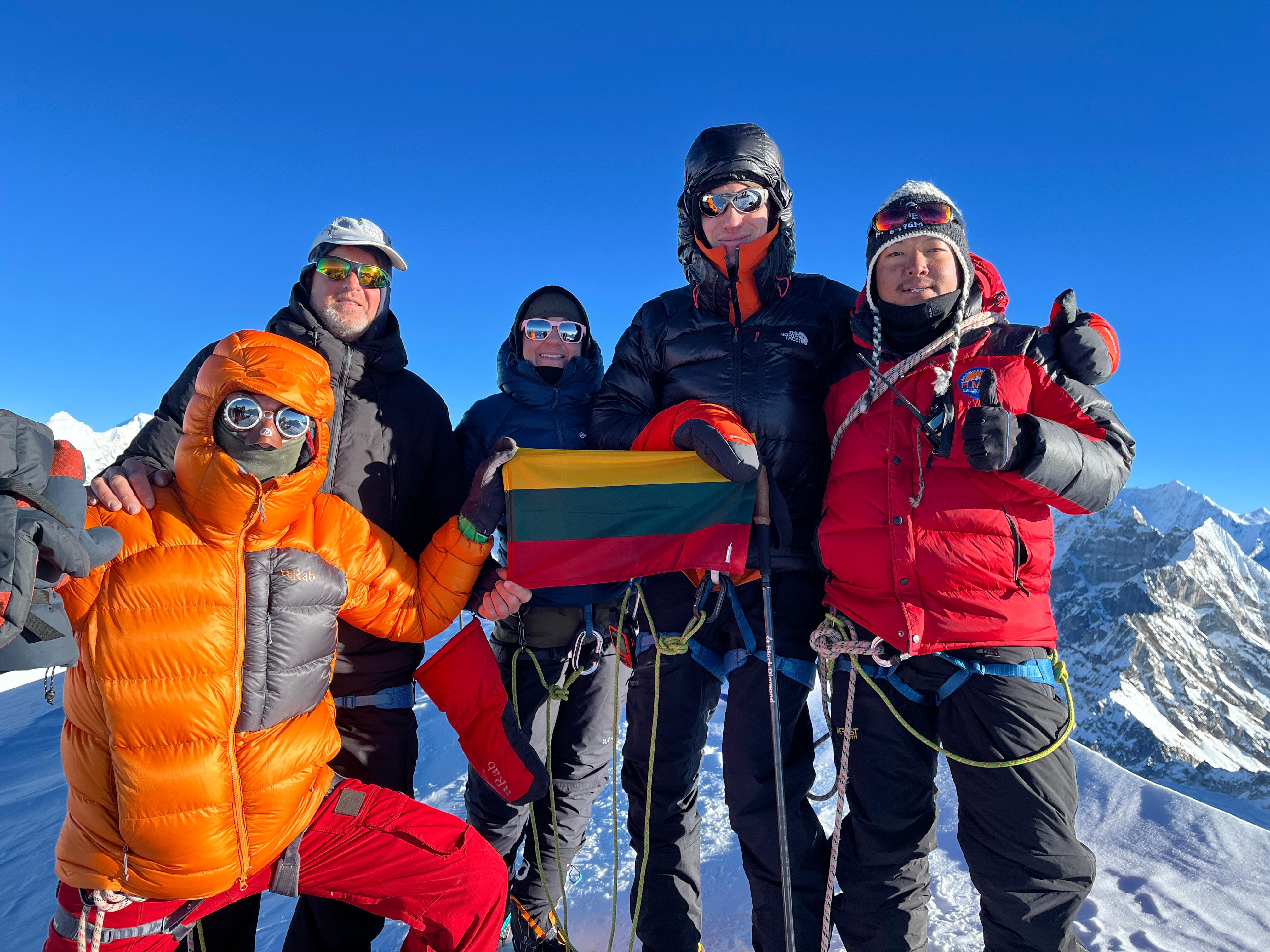
Peak Climbing in Nepal
Challenge yourself on Nepal’s trekking peaks and enjoy an unforgettable Himalayan climbing experience with expert support.
Introduction
Peak Climbing in Nepal offers an exciting introduction to Himalayan mountaineering, combining trekking, acclimatization, and practical climbing skills to reach some of Nepal's spectacular Himalayan peaks. From accessible trekking peaks to more demanding alpine climbs, these adventures provide an excellent opportunity to experience high-altitude climbing while exploring the country's magnificent mountain landscapes.
Climbing in Nepal offers a wide range of opportunities for trekkers and aspiring mountaineers, with popular peaks including Island Peak, Mera Peak, Lobuche East, Tent Peak, Chulu East, Chulu West, Yala Peak, and Naya Kanga. Each climb has its own character, difficulty, altitude, and technical requirements, allowing travelers to choose an adventure suited to their experience, interests, and climbing goals.
Unlike regular trekking, peak climbing involves reaching a mountain summit using mountaineering equipment and techniques. Depending on the peak and route, climbers may use crampons, harnesses, helmets, ropes, and ice axes, together with appropriate acclimatization and guidance from experienced climbing professionals. Even for less technical peaks, proper preparation, physical fitness, and responsible decision-making are important for a safe and rewarding experience.
For travelers preparing for their first Himalayan summit, our Beginner's Guide to Peak Climbing in Nepal provides a useful starting point, while the Nepal Climbing Safety & Altitude Guide explains important safety and acclimatization considerations. For broader trip preparation, our Nepal Travel Planning Guide offers practical guidance for organizing your journey in Nepal.
Choose Your Peak Climbing Adventure in Nepal
From accessible trekking peaks to more challenging alpine summits, Nepal offers a wide range of peak-climbing adventures across the Himalayas. Explore our selected climbing itineraries and choose a peak that matches your experience, interests, and mountaineering goals.
Island Peak Climbing
Climb the iconic Island Peak in the Everest region for an exciting Himalayan summit experience surrounded by spectacular mountain scenery.
Mera Peak Climbing
Reach the summit of Mera Peak for breathtaking views of Everest and the surrounding Himalayan giants on a rewarding high-altitude adventure.
Lobuche East Peak Climbing
Climb Lobuche East in the Everest region, combining a classic Khumbu journey with an exciting Himalayan peak ascent.
Tent Peak (Tharpu Chuli) Climbing
Climb Tent Peak in the Annapurna region for a rewarding alpine adventure surrounded by glaciers and spectacular Himalayan scenery.
Hiunchuli Peak Climbing
Challenge yourself on Hiunchuli Peak near Annapurna Base Camp with dramatic mountain landscapes and a rewarding climbing experience.
Chulu East Peak Climbing
Climb Chulu East in the Annapurna region for an adventurous alpine ascent with outstanding views of the surrounding Himalayan peaks.
Chulu West Peak Climbing
Take on Chulu West for a challenging alpine climb through the Annapurna region with spectacular high-altitude Himalayan views.
Yala Peak Climbing
Climb Yala Peak in the Langtang region for an accessible Himalayan summit adventure surrounded by beautiful mountain landscapes.
Naya Kanga Peak Climbing
Take on Naya Kanga Peak in the Langtang region for a challenging alpine adventure through remote valleys and dramatic Himalayan scenery.
Prepare for Your Peak Climbing Adventure
Choosing the right peak is the first step toward a successful Himalayan climbing experience. Consider your climbing experience, physical preparation, available time, peak difficulty, season, and the practical arrangements required for your journey.
Choose the Right Peak
Nepal offers peak-climbing opportunities for different levels of experience, from accessible trekking peaks to more demanding alpine summits. Understanding the requirements of each mountain will help you choose a climb that matches your experience, interests, and goals.
Best Time for Peak Climbing
Spring and autumn are generally the most popular seasons for peak climbing in Nepal, offering favorable weather and better mountain visibility. The ideal climbing period can vary depending on the peak, route, altitude, and current mountain conditions.
Acclimatization & Preparation
Proper acclimatization is essential when climbing at high altitude. Our itineraries include appropriate altitude gains and rest periods to help climbers adjust gradually. Physical preparation and a responsible approach to altitude are also important parts of getting ready for your climb.
Accommodation & Meals
Accommodation and meals vary according to the peak and route, from hotels and trekking lodges during the approach journey to teahouses or organized camping in more remote locations. Learn more in our Nepal Climbing Accommodation & Food Guide.
Permits & Climbing Arrangements
Peak climbing in Nepal requires the appropriate permits and official arrangements, which vary according to the mountain and climbing area. Our team helps organize the necessary permits, transportation, accommodation, climbing logistics, and other essential services. For more information, see our Nepal Climbing Permits & Regulations Guide.
Professional Climbing Support
Experienced climbing guides provide route guidance, technical assistance, safety support, and practical advice throughout the journey. With careful planning and professional support, climbers can focus on enjoying the Himalayan experience while being properly prepared for the challenges of their chosen peak.
Experience the Himalayas Through Peak Climbing
Peak climbing in Nepal combines trekking through beautiful mountain landscapes with the excitement of reaching a Himalayan summit. Along the way, climbers experience remote valleys, traditional mountain communities, glaciers, high-altitude camps, and spectacular views of the surrounding peaks.
From Trekking Trails to High Mountain Summits
Most peak-climbing journeys begin with a scenic trekking approach through valleys, forests, villages, and established mountain trails. As you gain altitude, the landscape gradually changes to alpine terrain, glaciers, rocky ridges, and snow-covered mountains.
A Rewarding Himalayan Challenge
Reaching a Himalayan summit requires preparation, patience, teamwork, and determination. Whether you are attempting your first trekking peak or developing your mountaineering experience, each climb offers a meaningful personal challenge and an unforgettable connection with the Himalayas.
Responsible Mountain Climbing
We encourage every climber to respect local communities, mountain environments, wildlife, and cultural traditions. Responsible climbing helps protect Nepal's fragile Himalayan landscapes and ensures these extraordinary destinations remain enjoyable for future generations.
Plan Your Peak Climbing Adventure
Whether you're planning your first Himalayan summit or looking to take on a more challenging trekking peak, our experienced local team can help you choose the right climb and organize your journey according to your experience, schedule, and climbing goals.
Contact Us
Have questions about peak difficulty, climbing routes, permits, preparation, acclimatization, equipment, or the best season? Contact our experienced team for professional advice and personalized peak-climbing assistance.
WhatsApp / Call: +977-9841566449
Email: info@mountainkingtrek.com
Plan Your Trip
Share your preferred peak, travel dates, climbing experience, available time, and interests, and we'll help you create a professionally organized peak-climbing itinerary with the appropriate permits, logistics, accommodation, guides, and climbing support.
For broader travel information and preparation, explore our Nepal Travel Information Guide and Nepal Trip Preparation Guide.