A bespoke trekking in nepal adventure.
The Everest Base Camp Trek is Nepal's most iconic Himalayan trekking adventure, offering a rewarding 15-day journey to the foot of the world's highest mountain while combining spectacular Himalayan scenery, authentic Sherpa culture, and unforgettable mountain experiences. As one of the most popular Trekking in Nepal holidays, this carefully designed itinerary includes your arrival in Kathmandu, a guided sightseeing tour of the Kathmandu Valley, the classic trek to Everest Base Camp, and your departure, providing the perfect balance of cultural exploration, gradual acclimatization, and breathtaking Himalayan landscapes.
Beginning with a spectacular mountain flight to Lukla, the trail follows the beautiful Dudh Koshi Valley through traditional Sherpa villages, including Phakding, Namche Bazaar, Tengboche, Dingboche, Lobuche, and Gorakshep before reaching Everest Base Camp (5,364m). Along the way, you'll enjoy magnificent views of Mount Everest, Lhotse, Nuptse, Ama Dablam, Thamserku, and many other Himalayan peaks while trekking through the breathtaking landscapes of Sagarmatha National Park, Nepal's first UNESCO World Heritage Site. Learn more about the route, attractions, and travel tips in our Everest Base Camp Trek Guide.
Suitable for trekkers with good physical fitness and a spirit of adventure, the Everest Base Camp Trek Nepal combines rewarding trekking days with comfortable teahouse accommodation, carefully planned acclimatization, and meaningful cultural experiences. Whether you are trekking to Everest Base Camp for the first time or fulfilling a lifelong dream, this journey offers one of the world's most rewarding high-altitude adventures.
With more than 35 years of Himalayan experience, Mountain King Treks & Expedition Pvt. Ltd. professionally organizes the Everest Base Camp Trek Nepal with experienced local guides, reliable logistics, and personalized service from arrival to departure. Continue below to explore the trip facts, detailed itinerary, accommodation, permits, best trekking seasons, and everything you need to prepare for an unforgettable Everest adventure.
Short Itinerary – Everest Base Camp Trek Nepal 15 Days
Day 1: Arrival in Kathmandu (1,400m / 4,593ft) and transfer to your hotel
Day 2: Kathmandu Valley sightseeing, trek briefing, and permit preparation
Day 3: Fly to Lukla (2,860m / 9,383ft) and trek to Phakding (2,610m / 8,563ft) – 3–4 hours
Day 4: Trek to Namche Bazaar (3,440m / 11,286ft) – 6–7 hours
Day 5: Acclimatization day at Namche Bazaar with an optional hike to Everest View Hotel or Khumjung Village
Day 6: Trek to Tengboche (3,860m / 12,664ft) – 5–6 hours
Day 7: Trek to Dingboche (4,410m / 14,469ft) – 5–6 hours
Day 8: Acclimatization day at Dingboche with an optional hike to Nangkartshang Peak
Day 9: Trek to Lobuche (4,940m / 16,207ft) – 5–6 hours
Day 10: Trek to Everest Base Camp (5,364m / 17,598ft) via Gorakshep (5,164m / 16,942ft) and return to Gorakshep – 7–8 hours
Day 11: Hike to Kala Patthar (5,545m / 18,192ft) for sunrise, then trek to Pheriche (4,240m / 13,911ft) – 7–8 hours
Day 12: Trek to Namche Bazaar (3,440m / 11,286ft) – 6–7 hours
Day 13: Trek to Lukla (2,860m / 9,383ft) – 6–7 hours
Day 14: Fly from Lukla to Kathmandu and enjoy a farewell dinner with a traditional Nepali cultural program
Day 15: Final departure from Kathmandu
Trip Facts
Trip Name: Everest Base Camp Trek Nepal – 15 Days
Destination: Everest Region, Nepal
Duration: 15 Days
Trip Type: Tea House Trek
Activities: Trekking, Hiking, Kathmandu Sightseeing & Cultural Exploration
Maximum Altitude: Kala Patthar (5,545m / 18,192ft)
Difficulty Level: Moderate to Challenging
Accommodation: Hotel in Kathmandu & Mountain Lodges during the Trek
Meals: Breakfast in Kathmandu; Breakfast, Lunch & Dinner during the Trek
Transportation: Domestic Flights & Private Airport Transfers
Start / End Point: Kathmandu
Best Seasons: Spring (March–May) & Autumn (September–November)
Group Size: 2 –16+ Trekkers
Permits: Sagarmatha National Park Permit & Khumbu Pasang Lhamu Rural Municipality Permit
Guide: Licensed English-speaking Trekking Guide
Porter: One Porter for Every Two Trekkers
Trekking Days: 12 Days
Walking Hours: Approximately 4–8 Hours per Day
Suitable For: Fit Beginners, Experienced Trekkers & Adventure Travelers
Customization: Private & Tailor-Made Itineraries Available
Why Choose the Everest Base Camp Trek?
The Everest Base Camp Trek is one of the world's most iconic Himalayan adventures, combining breathtaking mountain scenery, authentic Sherpa culture, and the unforgettable experience of trekking to the foot of Mount Everest. Following the legendary Khumbu trail, the journey passes through vibrant Sherpa villages, ancient monasteries, and the spectacular landscapes of Sagarmatha National Park while offering magnificent views of Everest, Lhotse, Nuptse, Ama Dablam, and many other Himalayan peaks.
With well-established trails, comfortable mountain lodges, experienced local guides, and carefully planned acclimatization, the Everest Base Camp Trek is suitable for anyone with good physical fitness and a spirit of adventure. Whether you're planning your first Himalayan trek or fulfilling a lifelong dream, this unforgettable journey offers the perfect combination of natural beauty, cultural discovery, and personal achievement.
Accommodation & Food
The Everest Base Camp Trek follows a well-developed teahouse route, offering comfortable family-run lodges throughout the journey. Rooms are simple but clean, and dining areas provide a warm place to rest after each day of trekking. Freshly prepared Nepali, Sherpa, Tibetan, and international meals are available along the route, including Dal Bhat, noodles, soups, rice dishes, pasta, and hot drinks. More information about trekking accommodation and meals is available in our Tea House Trekking in Nepal Guide and Nepal Trekking Accommodation & Food Guide.
Difficulty & Altitude
The Everest Base Camp Trek is considered a moderately challenging to strenuous Himalayan adventure, requiring good physical fitness, careful preparation, and proper acclimatization. The journey reaches Everest Base Camp at 5,364 meters (17,598ft) and Kala Patthar at 5,545 meters (18,192ft), making a gradual ascent and sensible trekking pace essential for both safety and enjoyment.
For more information about trekking grades, physical preparation, and staying safe at high altitude, explore our Nepal Trekking Difficulty Guide, Altitude Sickness in Nepal Guide, and Nepal Trekking Safety Guide before your adventure.
Permits & Entry Fees
The Everest Base Camp Trek requires the Sagarmatha National Park Entry Permit and the Khumbu Pasang Lhamu Rural Municipality Entrance Permit. These permits help protect the natural environment and support local communities in the Everest region. Mountain King Treks arranges all required permits before your journey, ensuring a smooth and hassle-free trekking experience. Complete information about trekking permits and requirements is available in our Nepal Trekking Permits Guide.
Best Time to Trek
The best seasons for the Everest Base Camp Trek are spring (March to May) and autumn (September to November), when the weather is stable, mountain views are clear, and trekking conditions are ideal. Winter offers quieter trails and beautiful snow-covered landscapes, while summer monsoon trekking requires more careful planning due to changing weather conditions. Before choosing your trekking dates, our Best Time to Visit Nepal Guide and Nepal Weather Guide provide useful seasonal information for planning your Himalayan adventure.
Transportation to Everest Base Camp Trek
The Everest Base Camp Trek usually begins with a scenic mountain flight from Kathmandu to Lukla, the main gateway to the Everest region. During busy trekking seasons, flights may operate from Ramechhap Airport to manage air traffic and improve flight reliability. Our team arranges necessary transportation according to your itinerary, and you can find more practical travel information in our Nepal Transportation Guide.
Responsible Trekking on the Everest Base Camp Trek
Responsible trekking helps protect the fragile Himalayan environment while preserving the unique Sherpa culture and traditions of the Everest region. Trekkers can contribute by respecting local customs and religious sites, reducing plastic waste, staying on designated trails, and supporting locally owned mountain lodges, guides, and businesses throughout the journey.
To learn more about sustainable travel practices, explore our Responsible Tourism in Nepal Guide. For a deeper understanding of the history, traditions, monasteries, festivals, and lifestyle of the local communities you will meet along the trail, we also recommend reading our Everest Sherpa Culture Guide before your trek.
Everest Base Camp Trek FAQs
1. How difficult is the Everest Base Camp Trek?
The Everest Base Camp Trek is considered a moderately challenging to strenuous trek. Good physical fitness, proper acclimatization, and adequate preparation are important for a safe and enjoyable journey.
2. When is the best time to trek to Everest Base Camp?
Spring (March to May) and autumn (September to November) offer the most stable weather, clear mountain views, and ideal trekking conditions. Winter and the monsoon season are also possible but require additional planning.
3. What permits are required for the Everest Base Camp Trek?
The trek requires the Khumbu Pasang Lhamu Rural Municipality Entrance Permit and the Sagarmatha National Park Entry Permit. We arrange all required permits before your trek begins.
4. Do I need previous trekking experience?
Previous high-altitude trekking experience is helpful but not essential. Many first-time trekkers successfully complete the Everest Base Camp Trek with good fitness, careful preparation, and experienced guides.
5. Where can I learn more about planning and preparing for the Everest Base Camp Trek?
For detailed information about the Everest Base Camp Trek, including the route, permits, accommodation, equipment, weather, and preparation, explore our Everest Base Camp Trek Guide. You can also find practical travel advice in our Nepal Travel Planning Guide, Nepal Travel Information Guide, and Nepal Trip Preparation Guide. If you have additional questions about traveling in Nepal, visit our Nepal Travel FAQs for more helpful information.
Book Your Everest Base Camp Trek
Whether you're planning your first Himalayan adventure or fulfilling your dream of reaching the foot of the world's highest mountain, our experienced local team is ready to help you choose the perfect itinerary. We'll assist you with trek planning, permits, domestic flights, accommodation, equipment recommendations, and every detail needed for a safe, comfortable, and unforgettable Everest Base Camp Trek.
Contact Us
Have questions about the itinerary, trekking difficulty, permits, domestic flights, transportation, accommodation, fitness requirements, or the best time to trek? Contact our friendly local team for expert advice and personalized trekking assistance.
WhatsApp / Call: +977-9841566449
Email: info@mountainkingtrek.com
Plan Your Trip
Whether you're traveling solo, with family, friends, or a private group, we'll help you plan the perfect Everest Base Camp Trek from your arrival in Kathmandu until your departure. Enjoy professional local support, carefully arranged logistics, experienced guides, and an unforgettable Himalayan trekking experience with Mountain King Treks & Expedition.
What makes this special.
- Reach the legendary Everest Base Camp at 5,364m beneath the world’s highest mountain
- Scenic mountain flight from Kathmandu to Lukla with stunning Himalayan views
- Explore the famous Sherpa villages and experience authentic Himalayan culture
- Visit Namche Bazaar, the gateway to Mount Everest and the heart of the Khumbu region
- Discover the historic Tengboche Monastery surrounded by breathtaking mountain scenery
- Enjoy spectacular views of Everest, Lhotse, Nuptse, Ama Dablam, and Pumori
- Hike to Kala Patthar at 5,545m for unforgettable sunrise views of Mount Everest
- Walk through beautiful forests, rivers, valleys, glaciers, and high-altitude landscapes
- Experience the unique lifestyle, traditions, and hospitality of the Sherpa community
- Complete one of the world’s most iconic trekking adventures with experienced local guides
Your itinerary.
Welcome to Nepal! Upon your arrival at Tribhuvan International Airport in Kathmandu, our representative will warmly welcome you and transfer you to your hotel. After check-in, you can relax and recover from your international journey while enjoying your first impressions of Nepal's vibrant capital city.
In the evening, you will meet your trekking guide for a detailed briefing about the Everest Base Camp Trek. The meeting includes an overview of the itinerary, permit arrangements, equipment check, and important information to help you prepare for your Himalayan adventure.
Accommodation: Hotel in Kathmandu (BB
After breakfast, enjoy a guided sightseeing tour of Kathmandu Valley, visiting several UNESCO World Heritage Sites that showcase Nepal's rich history, culture, and architecture. The tour offers an excellent introduction to the country's unique heritage before beginning your trek into the Himalayas.
After the sightseeing tour, your guide will assist with the final trek preparations, including permit arrangements, equipment inspection, and a comprehensive trek briefing. The remainder of the day is free for any last-minute shopping or relaxation before your Everest adventure begins.
Meals: Breakfast
Accommodation: Hotel in Kathmandu (BB)
An early morning scenic flight takes you to Lukla, one of the world's most exciting mountain airports and the gateway to the Everest region. After meeting the rest of the trekking crew, your adventure begins with a pleasant walk through traditional Sherpa villages, stone walls, prayer wheels, and beautiful pine forests following the Dudh Koshi River.
The trail is relatively gentle, making it an ideal first day of trekking while allowing your body to gradually adapt to the mountain environment. Upon reaching Phakding, you can relax at your mountain lodge and enjoy the peaceful atmosphere of the Khumbu region.
Walking Duration: Approximately 3–4 Hours
Meals: Breakfast, Lunch & Dinner (BLD)
Accommodation: Mountain Lodge in Phakding
Today's trek follows the beautiful Dudh Koshi River, crossing several famous suspension bridges decorated with colorful prayer flags before entering Sagarmatha National Park. The trail passes through charming Sherpa villages and dense forests, gradually climbing toward the heart of the Everest region.
The final ascent to Namche Bazaar is the most demanding part of the day, rewarding you with your first views of Mount Everest on a clear day. Namche Bazaar is the vibrant commercial and cultural center of the Khumbu region, surrounded by spectacular Himalayan scenery.
Walking Duration: Approximately 6–7 Hours
Meals: Breakfast, Lunch & Dinner (BLD)
Accommodation: Mountain Lodge in Namche Bazaar
Today's acclimatization day allows your body to adjust naturally to the increasing altitude while exploring the highlights of Namche Bazaar and its surroundings. Rather than resting completely, you will enjoy a scenic hike to the famous Everest View Hotel or the traditional Sherpa villages of Khumjung and Khunde, where magnificent Himalayan panoramas await.
Along the way, you can also visit the Sherpa Culture Museum and the Sagarmatha National Park Visitor Centre to learn more about the history, culture, wildlife, and mountaineering heritage of the Everest region before returning to Namche Bazaar for another comfortable overnight stay.
Walking Duration: Approximately 3–4 Hours
Meals: Breakfast, Lunch & Dinner (BLD)
Accommodation: Mountain Lodge in Namche Bazaar
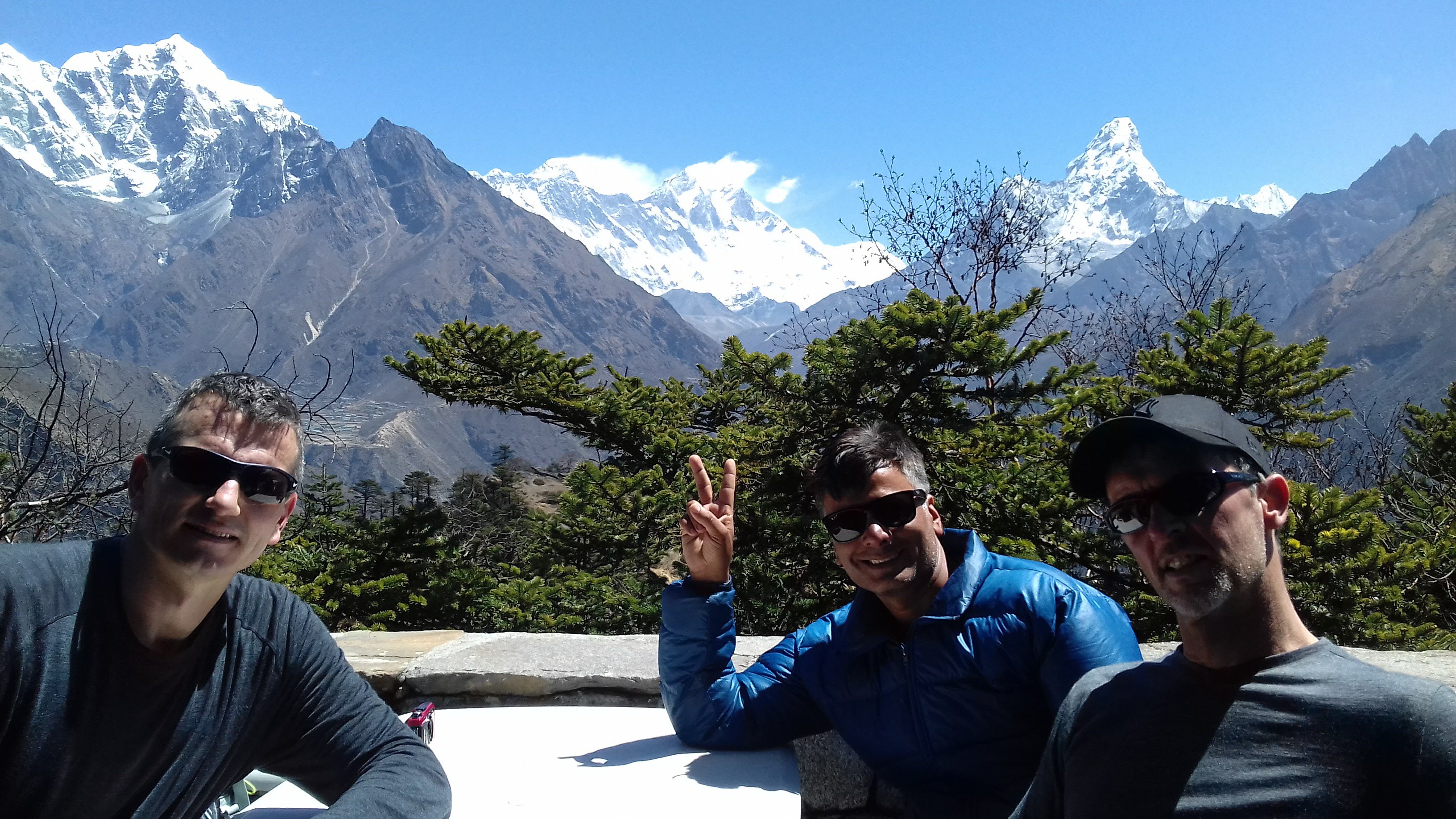
Leaving Namche Bazaar, the trail follows a scenic ridge with magnificent views of Mount Everest, Lhotse, Nuptse, Ama Dablam, Thamserku, and Kangtega before descending to the Dudh Koshi River and climbing through beautiful rhododendron and pine forests to Tengboche. This section of the Everest Base Camp Trek is widely regarded as one of the most scenic days of the journey.
Tengboche is home to the famous Tengboche Monastery, the spiritual heart of the Khumbu region. Surrounded by spectacular Himalayan peaks, the monastery offers a peaceful atmosphere and unforgettable mountain scenery, making it one of the highlights of the trek.
Walking Duration: Approximately 5–6 Hours
Meals: Breakfast, Lunch & Dinner (BLD)
After visiting Tengboche Monastery, the trail descends through beautiful forests before crossing the Imja Khola and gradually climbing toward Pangboche, one of the oldest Sherpa villages in the Everest region. Throughout the day, Ama Dablam dominates the skyline while spectacular views of Lhotse, Nuptse, and Island Peak accompany your journey.
Beyond Pangboche, the landscape becomes more open and alpine as you enter the upper Imja Valley. Dingboche is a picturesque mountain village surrounded by stone-walled fields and towering Himalayan peaks, providing an ideal location for further acclimatization.
Walking Duration: Approximately 5–6 Hours
Meals: Breakfast, Lunch & Dinner (BLD)
Accommodation: Mountain Lodge in Dingboche
Today's acclimatization day is essential for preparing your body for the higher elevations ahead. A gradual hike to Nangkartshang Peak rewards you with breathtaking panoramic views of Makalu, Lhotse, Ama Dablam, Island Peak, Cholatse, and many other snow-covered Himalayan giants.
After enjoying the spectacular scenery, you return to Dingboche for a relaxing afternoon. The additional time at this altitude greatly improves acclimatization and increases the chances of a safe and enjoyable journey to Everest Base Camp.
Walking Duration: Approximately 4–5 Hours
Meals: Breakfast, Lunch & Dinner (BLD)
Accommodation: Mountain Lodge in Dingboche
Leaving Dingboche behind, the trail gradually climbs through alpine meadows and glacial terrain to Dughla before continuing to the Thukla Memorial, where stone monuments honor climbers who lost their lives on Mount Everest and other Himalayan expeditions. This moving site reminds trekkers of the challenges and history of high-altitude mountaineering.
Beyond the memorial, the trail continues alongside the Khumbu Glacier with magnificent views of Taboche, Cholatse, Lobuche Peak, and surrounding mountains before reaching the small settlement of Lobuche, your final overnight stop before Everest Base Camp.
Walking Duration: Approximately 5–6 Hours
Meals: Breakfast, Lunch & Dinner (BLD)
Accommodation: Mountain Lodge in Lobuche
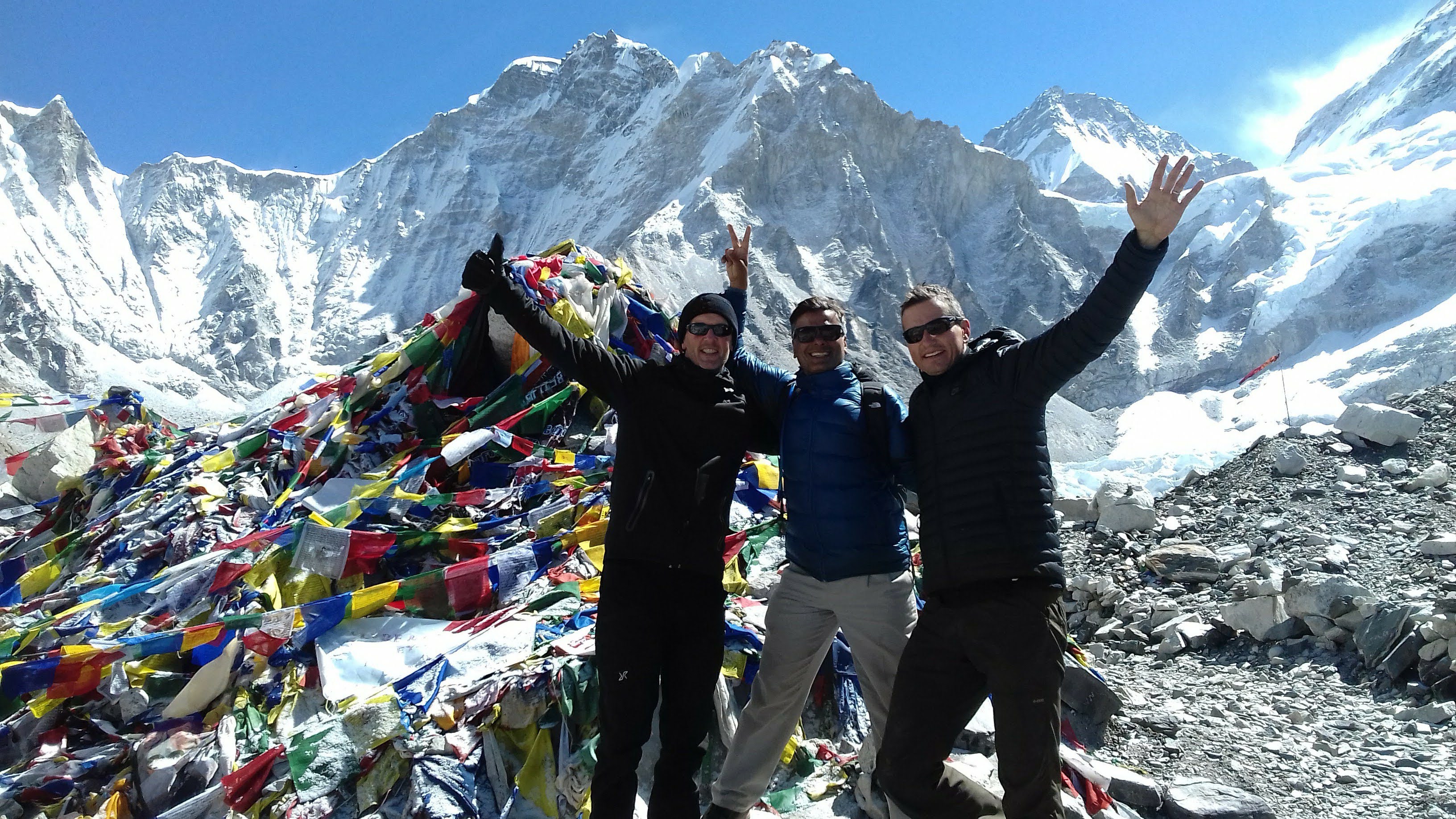
Today is the most anticipated day of your Everest Base Camp Trek. After trekking across the rugged moraine of the Khumbu Glacier, you reach Gorak Shep before continuing to the legendary Everest Base Camp. Standing at the foot of the world's highest mountain is an unforgettable achievement and one of the greatest trekking experiences in the Himalayas.
After celebrating your accomplishment and enjoying the spectacular glacier scenery, you retrace your steps to Gorak Shep for the night. Surrounded by some of the world's highest peaks, this memorable day marks the highlight of your Everest adventure.
Walking Duration: Approximately 7–8 Hours
Meals: Breakfast, Lunch & Dinner (BLD)
Accommodation: Mountain Lodge in Gorak Shep
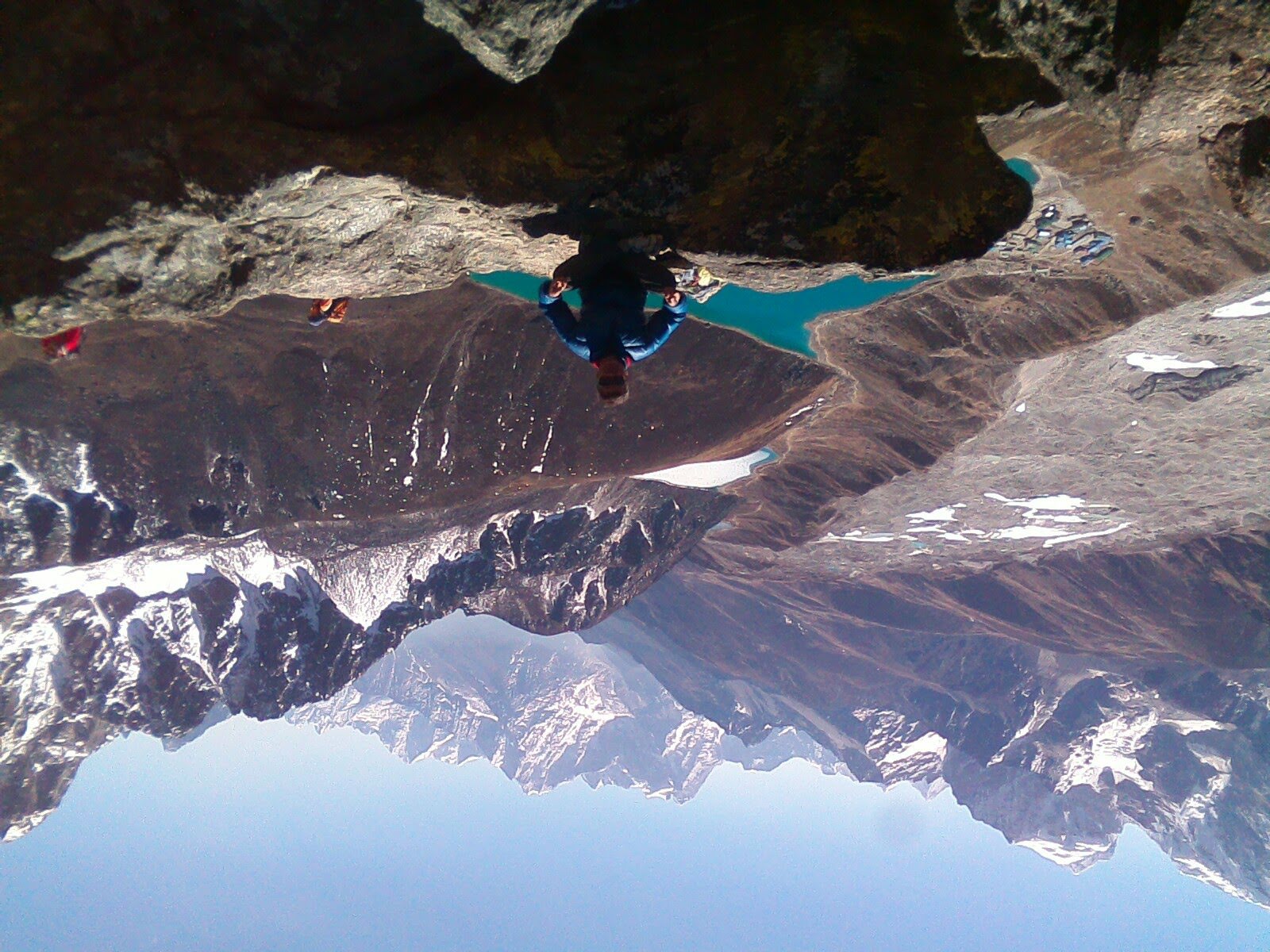
Early this morning, you hike to Kala Patthar, the highest point of the trek and the finest viewpoint for panoramic sunrise views of Mount Everest. As the first rays of sunlight illuminate Everest, Lhotse, Nuptse, Pumori, Ama Dablam, and the surrounding Himalayan peaks, you'll experience one of the most unforgettable moments of your journey.
After returning to Gorak Shep for breakfast, you begin your descent through the Khumbu Valley, retracing the trail past Lobuche and Dughla before continuing to the peaceful village of Pheriche. The lower altitude provides a welcome opportunity to rest after reaching the highest points of the trek.
Walking Duration: Approximately 7–8 Hours
Meals: Breakfast, Lunch & Dinner (BLD)
Accommodation: Mountain Lodge in Pheriche
Today's descent follows the familiar trail through Pangboche, Tengboche, and beautiful rhododendron forests before crossing the Dudh Koshi River. As you lose altitude, the air becomes richer in oxygen, making the walk more comfortable while offering fresh perspectives of the surrounding Himalayan landscape.
After climbing the final section back to Namche Bazaar, you can relax in one of the Everest region's most vibrant mountain towns. This lively Sherpa settlement provides a comfortable place to celebrate your successful journey to Everest Base Camp.
Walking Duration: Approximately 6–7 Hours
Meals: Breakfast, Lunch & Dinner (BLD)
Accommodation: Mountain Lodge in Namche Bazaar
Your final trekking day follows the scenic Dudh Koshi Valley through beautiful forests, traditional Sherpa villages, and across several suspension bridges before leaving Sagarmatha National Park. The trail offers a wonderful opportunity to reflect on the incredible experiences and achievements of your Everest Base Camp adventure.
Upon reaching Lukla, you can celebrate the successful completion of your trek with your guide and trekking crew. Your final evening in the mountains is a memorable time to thank the local team who helped make your Himalayan journey safe and enjoyable.
Walking Duration: Approximately 6–7 Hours
Meals: Breakfast, Lunch & Dinner (BLD)
Accommodation: Mountain Lodge in Lukla
This morning, you take a scenic flight from Lukla back to Kathmandu, enjoying one final aerial view of the magnificent Himalayas. Upon arrival, our representative will transfer you to your hotel, where you can relax or spend the rest of the day exploring the city, shopping for souvenirs, or simply unwinding after your trekking adventure.
In the evening, we will celebrate the successful completion of your Everest Base Camp Trek with a special farewell dinner featuring a traditional Nepali cultural program. This memorable evening offers the perfect opportunity to enjoy authentic Nepali cuisine, music, and cultural performances while sharing your trekking experiences.
Meals: Breakfast & Farewell Dinner
Accommodation: Hotel in Kathmandu (BB)
Your unforgettable journey in Nepal comes to an end today. According to your international flight schedule, our representative will transfer you to Tribhuvan International Airport for your onward departure.
We hope you leave Nepal with lifelong memories of the Everest Base Camp Trek, breathtaking Himalayan landscapes, and the warm hospitality of the Sherpa people. We look forward to welcoming you back for another Himalayan adventure in the future.
Meals: Breakfast
Trip includes
- Airport transfers in Kathmandu by private vehicle on arrival and departure.
- Three nights' accommodation in Kathmandu at a tourist-standard hotel on a twin-sharing basis with breakfast included.
- Guided Kathmandu Valley sightseeing tour with a professional English-speaking cultural guide, private vehicle, and entrance fees to major UNESCO World Heritage Sites.
- Scenic domestic flights between Kathmandu and Lukla (round trip).
- Experienced, licensed, and professional English-speaking trekking guide.
- Porter service, with one porter for every two trekkers, to carry duffel bags during the trek.
- All guide and porter expenses, including meals, accommodation, salary, insurance, and necessary equipment.
- Private transportation for all required airport and ground transfers in Kathmandu.
- All necessary trekking permits, including the Sagarmatha National Park Permit and Khumbu Pasang Lhamu Rural Municipality Permit.
- Full-board meals during the trek, including breakfast, lunch, and dinner at mountain teahouses.
- One main course selected from the available menu with a cup of tea or coffee served with each meal during the trek.
- Comfortable teahouse accommodation throughout the trekking period.
- Seasonal fresh fruit served with breakfast and as dessert after dinner each day.
- Energy snacks before each trekking day, such as Mars, Snickers, or similar energy bars.
- First-aid medical kit carried by the trekking guide for emergency support.
- Farewell dinner in Kathmandu with a traditional Nepali cultural program.
- Government taxes and official service charges.
Not included
- International airfare to and from Nepal
- Nepal entry visa fees
- Travel insurance covering high-altitude trekking, emergency helicopter evacuation, medical treatment, and trip cancellation
- Personal trekking equipment and clothing, including trekking boots, jackets, sleeping bags, backpacks, and other personal gear
- Personal expenses such as bottled water, soft drinks, alcoholic beverages, hot showers, battery charging, internet/Wi-Fi, telephone calls, and laundry
- Lunches and dinners in Kathmandu (except the farewell dinner) and any accommodation not mentioned in the package includes section
- Additional accommodation, meals, or transportation caused by flight delays, weather conditions, natural disasters, strikes, or other circumstances beyond our control
- Helicopter rescue, medical treatment, or evacuation costs not covered by your travel insurance
- Tips and gratuities for your trekking guide, porter, driver, and other staff
- Any personal expenses or services not specifically mentioned in the Package Includes section