A Monastery Above the Paro Valley
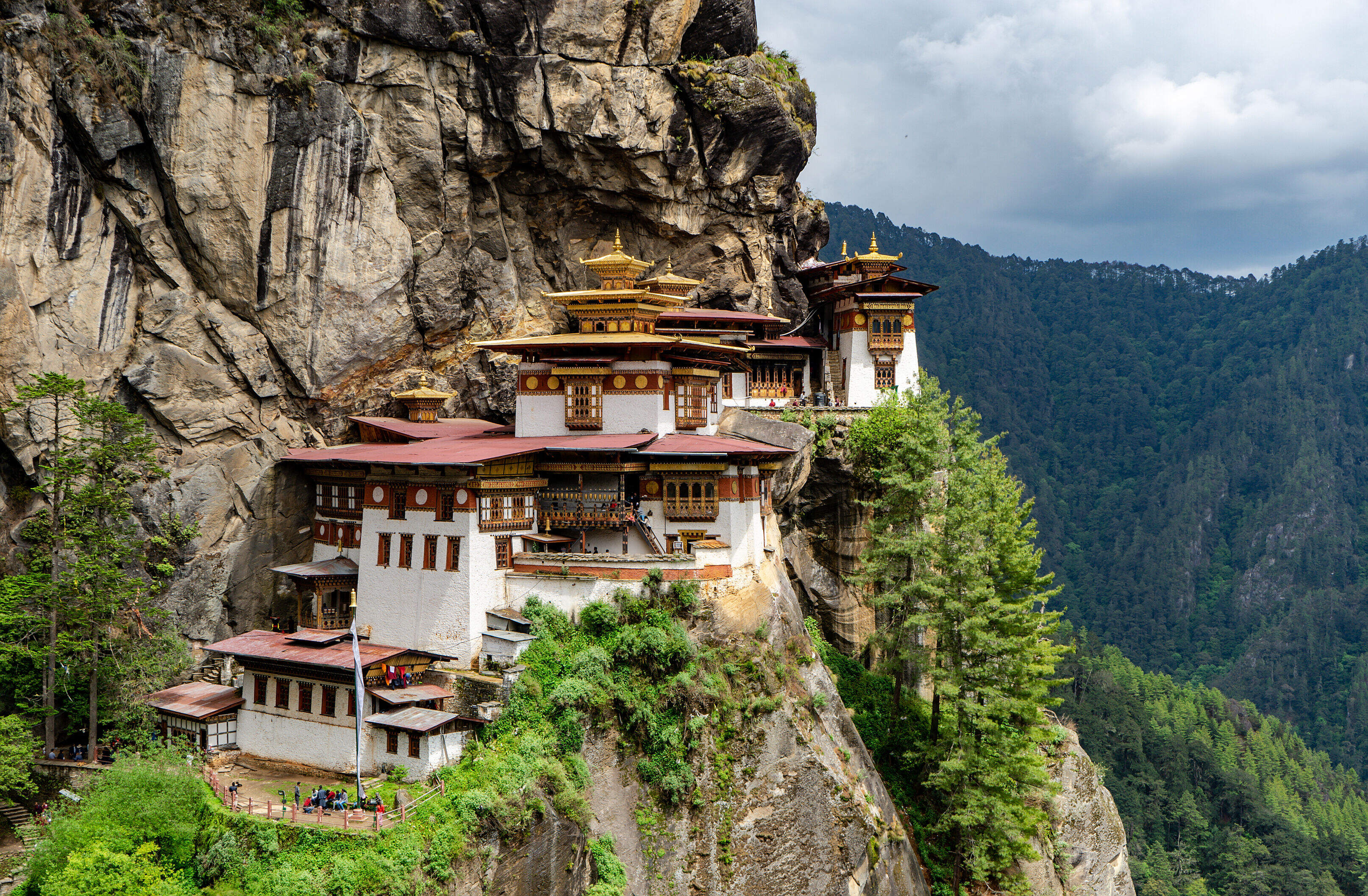
Tiger’s Nest Monastery, also known as Paro Taktsang, is one of the most remarkable cultural and spiritual landmarks in Bhutan. Built dramatically on a cliffside above the Paro Valley, the monastery combines Bhutan’s Buddhist heritage, mountain landscapes, ancient legends and a memorable walking journey into one extraordinary destination.
Tiger’s Nest is an important highlight of Tours in Bhutan and a place that many travelers include when exploring the country’s monasteries, valleys, traditional villages and Himalayan landscapes. For travelers preparing their journey, the Bhutan Travel Guide provides useful background for understanding the country, its culture, travel arrangements and places of interest.
The journey to Tiger’s Nest is part of the experience. From the trailhead near Paro, the path climbs gradually through pine forests, prayer flags and mountain scenery before reaching the famous viewpoint overlooking the monastery. The final approach leads across a dramatic landscape of cliffs and waterfalls, making the visit as much about the journey as the destination.
Beyond its spectacular setting, Tiger’s Nest holds deep significance in Bhutanese Buddhism. The monastery is associated with Guru Padmasambhava, also known as Guru Rinpoche, who is believed to have meditated in the caves here after arriving in the area on the back of a tigress. This sacred history has made Taktsang an important pilgrimage site as well as one of Bhutan’s most recognized cultural attractions.
For visitors, Tiger’s Nest offers an opportunity to experience several aspects of Bhutan in one journey: spirituality, history, architecture, traditional Buddhist culture and the natural beauty of the Himalayan environment.
The Legend of Taktsang
The story of Tiger’s Nest begins with one of Bhutan’s most important Buddhist figures, Guru Padmasambhava, commonly known as Guru Rinpoche.
According to Bhutanese tradition, Guru Rinpoche flew to the cliffs above Paro on the back of a tigress. He meditated in a cave on the mountainside, helping establish Buddhism in Bhutan. The name Taktsang, commonly translated as “Tiger’s Nest,” is connected with this legend.
The cave where Guru Rinpoche is believed to have meditated became a sacred place, and the surrounding cliffs developed into one of Bhutan’s most important spiritual landscapes.
Today, the legend remains closely connected with the identity of the monastery. Visitors do not simply arrive at a historic building; they enter a landscape deeply associated with Bhutanese Buddhist tradition.
Where Tiger’s Nest Meets the Mountains
Tiger’s Nest is situated on a steep cliff approximately above the Paro Valley, surrounded by forested mountains and dramatic Himalayan scenery.
The monastery appears almost to grow out of the rock itself. White walls, golden roofs and traditional Bhutanese architectural details contrast beautifully with the dark cliffs and green forest surrounding the site.
From different points along the trail, the monastery appears from changing perspectives. At first, it can seem distant across the valley. As the trail continues upward, the building becomes increasingly dramatic, revealing why Tiger’s Nest has become one of Bhutan’s most recognizable landmarks.
The Journey Begins in Paro
The hike to Tiger’s Nest starts from the roadhead below the monastery. The trail immediately begins climbing through the forest, making the journey a gradual transition from the valley into the sacred mountain landscape.
The walking distance and time required depend on the pace and conditions, but visitors should allow several hours for the complete excursion, including time to explore the monastery and enjoy the surroundings.
There is no need to rush. Taking time to walk comfortably, rest along the way and appreciate the changing scenery makes the experience much more enjoyable.
Through the Pine Forest
Much of the lower trail passes through a peaceful forest of pine trees. Prayer flags can be seen along parts of the route, adding a distinctly Himalayan spiritual atmosphere to the walk.
As the trail gains elevation, the views gradually open toward the Paro Valley. Looking back provides a different perspective of the valley and surrounding mountains, while the sound and atmosphere of the forest create a quieter experience away from the busy roads below.
The forest section also provides welcome shade during warmer periods, although the uphill climb can still be physically demanding.
The First View of Tiger’s Nest
For many visitors, the first clear view of Tiger’s Nest is one of the most memorable moments of the journey.
After climbing through the forest, the monastery suddenly becomes visible across the valley, standing dramatically against the cliff. The view gives travelers a chance to appreciate the extraordinary location before continuing toward the monastery itself.
This viewpoint is also an ideal place to pause, rest and take in the surrounding landscape.
The combination of the cliff, forest, waterfall and traditional architecture creates a scene that is difficult to appreciate fully from photographs alone.
The Waterfall and Sacred Landscape
The trail continues toward a waterfall near the monastery. Water descends through the steep mountain landscape, adding another natural feature to the already dramatic surroundings.
From this area, the route becomes more closely connected with the sacred part of the mountain. The sound of flowing water, prayer flags and the monastery above create an atmosphere that feels very different from the valley below.
The waterfall is an important landmark along the approach to Tiger’s Nest and helps make the final section of the journey especially memorable.
Reaching Taktsang Monastery
The final approach involves stairs and a more demanding section of the trail before reaching the monastery complex.
Tiger’s Nest consists of traditional Bhutanese buildings constructed into and around the cliffside. Its location is one of its defining features: the monastery seems to hang above the valley, surrounded by steep rock and forest.
Inside the complex, visitors can see Buddhist shrines, religious artwork and traditional architectural details. Because Tiger’s Nest remains a functioning sacred site, the atmosphere is different from that of an ordinary historical monument.
Visitors should follow local instructions and behave respectfully throughout the monastery.
A Living Center of Bhutanese Buddhism
Tiger’s Nest is not simply a famous attraction visited for its scenery. It remains an important Buddhist religious site.
Monks continue their spiritual practices in the monastery, while pilgrims and visitors arrive from different parts of Bhutan and beyond. The combination of daily religious life and tourism makes the site an important example of Bhutan's living cultural heritage.
For travelers interested in Bhutanese culture, visiting Tiger’s Nest provides an opportunity to understand how Buddhism is connected with the country's history, architecture, landscape and everyday traditions.
The Fire and Restoration of Tiger’s Nest
Tiger’s Nest suffered a devastating fire in 1998, which caused serious damage to parts of the monastery complex.
The restoration that followed was an important national effort. Traditional skills and Bhutanese architectural knowledge were used to restore the monastery while maintaining its cultural and religious character.
The restored monastery continues to stand as an important symbol of Bhutanese heritage and resilience.
What Makes Tiger’s Nest Special?
Tiger’s Nest is special because several elements come together in one place.
Its cliffside location creates one of the most dramatic cultural landscapes in Bhutan. Its Buddhist heritage gives the site deep spiritual importance. The legend of Guru Rinpoche connects the monastery with the history of Buddhism in Bhutan, while the walking journey through forest, mountain and waterfall makes the visit an experience rather than simply a sightseeing stop.
The monastery also represents the relationship between Bhutanese culture and the Himalayan environment. Architecture, religion and nature are closely connected here.
How Difficult Is the Tiger’s Nest Hike?
The Tiger’s Nest hike is a moderate uphill walk and can be challenging for travelers who are not accustomed to walking on mountain trails.
The trail climbs steadily from the starting point, and the final section includes many stone steps. Fitness, weather, walking pace and altitude can all affect the experience.
Travelers do not need to be experienced trekkers, but reasonable physical fitness and comfortable walking shoes are recommended. Taking regular breaks and allowing enough time makes the journey easier.
Visitors who are concerned about the climb should avoid rushing and discuss their walking ability with their guide before starting.
Best Time to Visit Tiger’s Nest
Tiger’s Nest can be visited during different seasons, but spring and autumn are generally popular periods for traveling in Bhutan because of favorable weather and clear mountain views.
Spring brings pleasant conditions and blooming vegetation, while autumn often provides clear skies and excellent visibility of the surrounding mountains.
Winter can offer crisp weather and quieter conditions, although temperatures can be cold. Summer and the monsoon period may bring rain and wet trails, so travelers should be prepared for changing conditions.
The best time ultimately depends on your interests, travel dates and the wider Bhutan itinerary.
What to Wear and Bring
A comfortable pair of walking shoes is important for the Tiger’s Nest hike. Lightweight layers are useful because temperatures can change during the climb.
Visitors should also carry drinking water, sun protection and basic personal items needed for several hours of walking.
Because Tiger’s Nest is a sacred Buddhist site, modest clothing is appropriate. Visitors should be prepared to follow the monastery's rules regarding dress, footwear and photography.
Respecting the Sacred Site
Tiger’s Nest is an active religious site, so visitors should treat the monastery and surrounding landscape with respect.
Dress modestly, follow instructions from guides and monastery staff, avoid disturbing religious activities and do not enter restricted areas. Photography may not be permitted inside certain religious buildings, so visitors should always follow the rules in place.
Keeping the trail clean, avoiding unnecessary plastic waste and respecting local customs also helps protect the experience for future visitors and the local community.
Tiger’s Nest as Part of a Bhutan Tour
Tiger’s Nest is one of the most memorable highlights of a Bhutan Tour, offering travelers an opportunity to experience the country’s Buddhist heritage, Himalayan landscapes and traditional way of life in one journey. A well-planned itinerary can combine Paro with Thimphu and Punakha, along with ancient monasteries, dzongs, traditional villages and scenic mountain landscapes.
Including Tiger’s Nest as part of a wider journey allows visitors to experience Bhutan’s culture and natural beauty beyond a single sightseeing destination. Travelers interested in combining cultural sightseeing with walking experiences can explore our Bhutan Tour with Day Hiking – 6 Days.
More Than a Famous Photograph
Tiger’s Nest has become one of the most recognizable images of Bhutan, but its significance goes far beyond photography. The monastery represents centuries of Buddhist tradition, Bhutanese architecture and the continuing connection between spiritual life and the Himalayan landscape.
The journey through the pine forest and up the mountainside is also an important part of the experience. For many travelers, the most memorable moment is not simply reaching the monastery, but experiencing the gradual transition from the Paro Valley into this peaceful and sacred mountain setting.
FAQs About Tiger’s Nest Monastery
Where is Tiger’s Nest Monastery?
Tiger’s Nest Monastery, also known as Paro Taktsang, is located on a steep cliff above the Paro Valley in Bhutan.
How long does it take to hike to Tiger’s Nest?
The hike generally takes several hours, including the uphill walk, monastery visit and return journey. The actual time depends on walking pace, weather and time spent at the monastery.
Is Tiger’s Nest suitable for first-time visitors to Bhutan?
Yes. Previous trekking experience is not required, but visitors should be comfortable with several hours of uphill walking and stairs and have a reasonable level of fitness.
Can Tiger’s Nest be included in a Bhutan Tour?
Yes. Tiger’s Nest can be included as a major cultural highlight of a Bhutan itinerary, together with destinations such as Paro, Thimphu and Punakha.
Why is Tiger’s Nest important to Bhutan?
Tiger’s Nest is an important Buddhist site associated with Guru Rinpoche and the history of Buddhism in Bhutan. Its dramatic cliffside setting and continuing religious significance make it an important part of Bhutanese cultural heritage.
Planning Your Visit to Tiger’s Nest
Tiger’s Nest is best visited as part of a wider Bhutan journey, with enough time for the hike, monastery visit and rest stops. The Bhutan Travel Guide provides useful information for organizing your journey, while Trekking in Bhutan offers further information for travelers interested in exploring the country on foot.
Weather, trail conditions, walking ability and the time available for the overall itinerary should be considered before setting out. A local guide can also help you plan the visit and make the most of your time in Bhutan.
Contact Us
For information about visiting Tiger’s Nest or including it in your Bhutan itinerary, Mountain King Treks & Expedition Pvt. Ltd. can help you plan according to your available time, interests and travel requirements.
WhatsApp / Call: +977-9841566449
Email: info@mountainkingtrek.com
Plan a Trip
If you would like to include Tiger’s Nest in your Bhutan Tour, contact us to arrange an itinerary that gives you sufficient time to experience the monastery and other cultural and natural highlights of Bhutan.