Welcome to Nepal: The Autumn Season
Welcome to Nepal, a country of extraordinary mountains, ancient heritage, diverse cultures, welcoming communities, and landscapes that change beautifully with the seasons. As the monsoon gradually gives way to autumn, Nepal begins to enter one of the most anticipated periods of the year for travelers, trekkers, photographers, nature lovers, cultural explorers, and adventure enthusiasts.
The post-monsoon season brings a fresh character to Nepal. Hills and valleys remain green and vibrant from the rains, rivers and waterfalls flow strongly, the atmosphere gradually becomes clearer, and the Himalayan landscape begins to reveal itself beneath clearer blue skies. For many travelers, this transition marks the beginning of an especially rewarding time to explore the country, with beautiful weather and crystal-clear mountain views becoming increasingly common.
Nepal welcomes travelers throughout the year, and there is no single season that defines the entire country. Different regions offer different experiences depending on altitude, geography, climate, and the type of journey you want to enjoy. The autumn months of September to November are traditionally among the most popular periods for trekking, mountain travel, peak climbing, and Himalayan expeditions, while Kathmandu, Pokhara, Chitwan, Lumbini, Mustang, and other destinations offer their own experiences throughout the year. Travelers can discover the country through Trekking in Nepal and Tours in Nepal, as well as peak climbing, mountaineering expeditions, cultural journeys, wildlife experiences, scenic adventures, and many other forms of travel.
For travelers considering Nepal after the monsoon, the key is not simply choosing a date. Good planning, current information, suitable preparation, and a flexible approach can help make your journey comfortable, enjoyable, and memorable. Our Nepal Travel Information Guide provides practical information about destinations, culture, transportation, seasons, permits, and other important aspects of traveling in Nepal.
What Happens in Nepal After the Monsoon?
As the monsoon gradually retreats, Nepal begins a beautiful transition toward autumn. The countryside remains green and fresh, rivers and waterfalls are full, and clearer skies increasingly reveal the mountains. The changing season creates excellent opportunities for sightseeing, photography, cultural experiences, nature journeys, trekking, climbing, and Himalayan adventures.
Fresh Green Landscapes
The summer rains transform Nepal's hills and valleys into vibrant landscapes. Terraced fields, forests, villages, rivers, and waterfalls create beautiful scenery, particularly in the middle hills and lower elevations.
Travelers who enjoy photography can find excellent opportunities during this period, as the combination of green landscapes, traditional villages, mountain backdrops, and changing light gives Nepal a distinctive post-monsoon character.
Clearer Himalayan Views
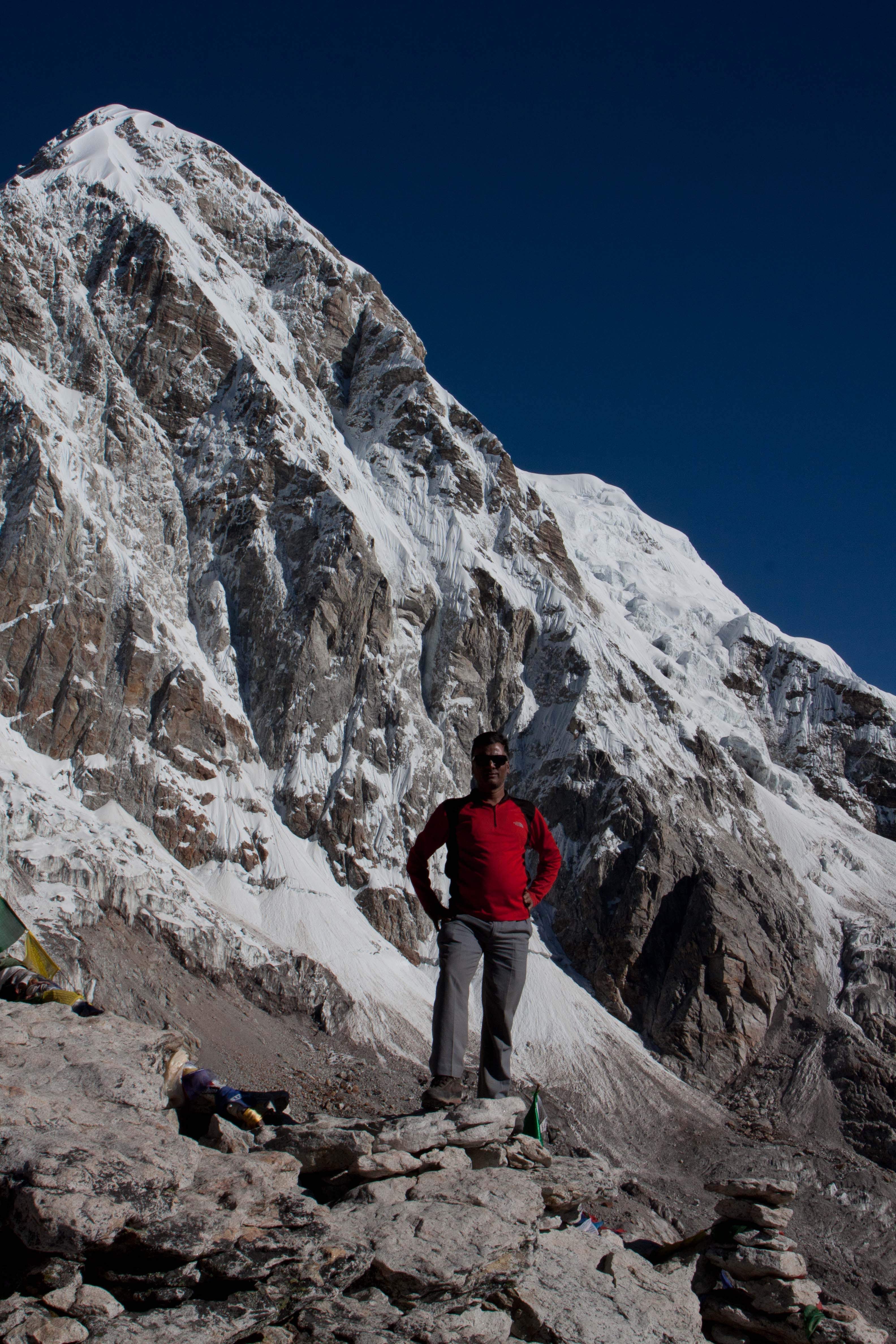
As rainfall decreases, visibility generally improves across many mountain areas. The autumn months are especially popular for travelers hoping to enjoy clear views of snow-covered peaks, deep valleys, glaciers, and high Himalayan landscapes.
This improving visibility is particularly important for trekkers, peak climbers, mountaineers, photographers, and travelers taking scenic mountain journeys.
The Beginning of the Autumn Season
September marks the transition toward Nepal's popular autumn travel season, with October and November traditionally attracting large numbers of trekkers and other travelers. Hotels, guides, transport services, trekking routes, climbing teams, and local communities become increasingly active as the season develops.
For this reason, travelers planning popular treks, peak climbing trips, or major expeditions should consider arranging permits, accommodation, guides, transportation, and other services in advance.
Where to Travel in Nepal After the Monsoon?
Nepal offers far more than one type of destination. The best choice depends on your interests, available time, experience, and preferred style of travel.
Kathmandu Valley
Kathmandu, Patan, and Bhaktapur offer an introduction to Nepal's history, architecture, art, religion, and living cultural traditions. Ancient temples, stupas, palaces, courtyards, monasteries, and local communities make the valley ideal for cultural exploration.
The Kathmandu Valley is also an important starting point for many trekking, climbing, and expedition journeys throughout the Himalayas.
Pokhara
Pokhara combines mountain scenery with lakes, viewpoints, caves, waterfalls, temples, and a relaxed Lakeside atmosphere. It is also an important gateway for Himalayan trekking and short mountain excursions.
Travelers can combine time in Pokhara with trekking, paragliding, boating, sightseeing, sunrise and sunset viewpoints, or longer journeys into the Annapurna region.
Chitwan and Lumbini
Chitwan provides opportunities for wildlife, nature, and cultural experiences, while Lumbini offers a peaceful journey into Buddhist heritage and spirituality. Both destinations can be combined with Kathmandu and Pokhara to create a varied Nepal itinerary.
These destinations are particularly suitable for travelers who want to experience Nepal beyond the high mountains.
Mustang and Other Himalayan Regions
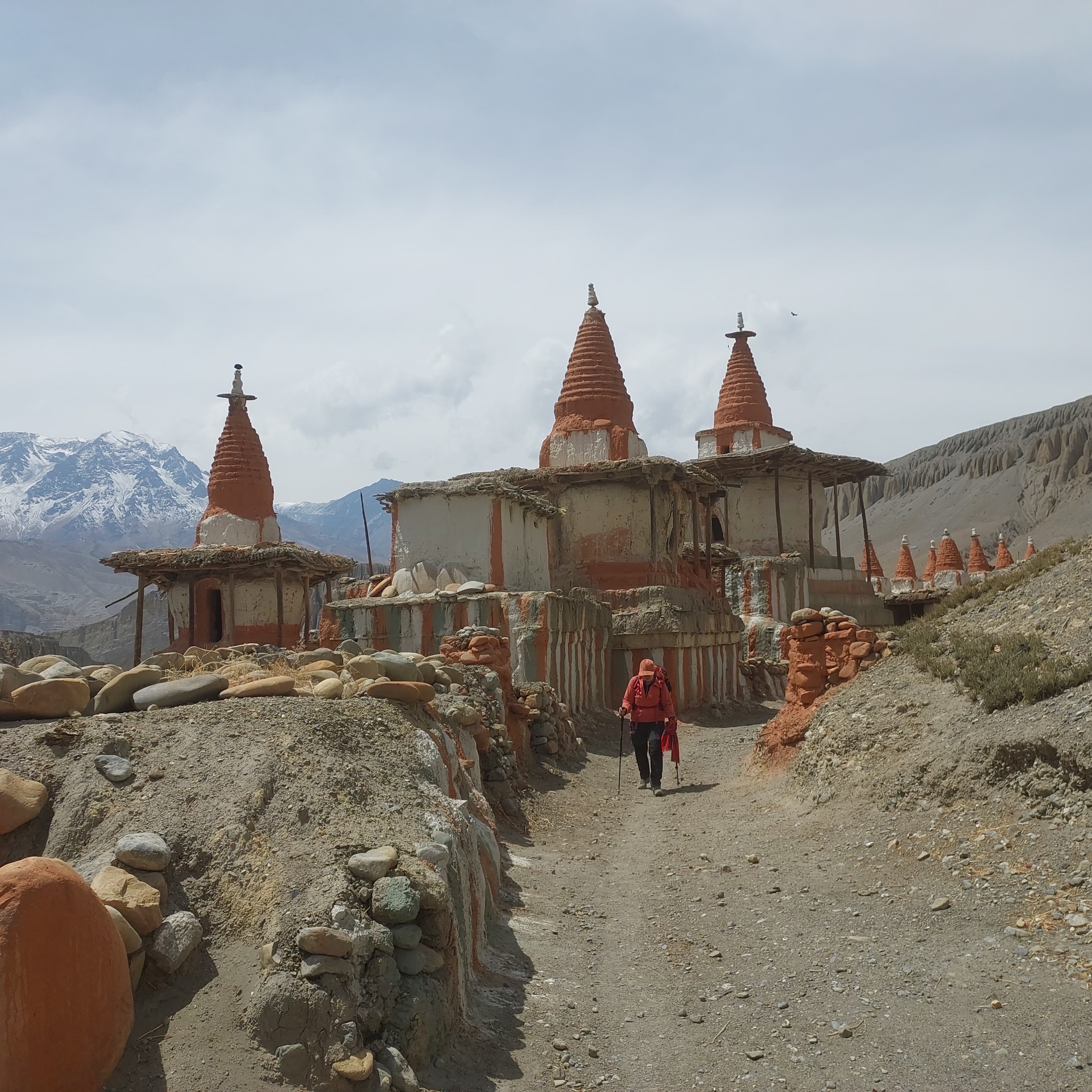
Mustang offers a distinctive landscape of dry valleys, cliffs, ancient settlements, monasteries, and Tibetan-influenced culture. Other Himalayan regions, including Everest, Annapurna, Langtang, Manaslu, Kanchenjunga, Dolpo, Dhaulagiri, and Ganesh Himal, provide a wide range of trekking and mountain experiences.
Trekking in Nepal After the Monsoon
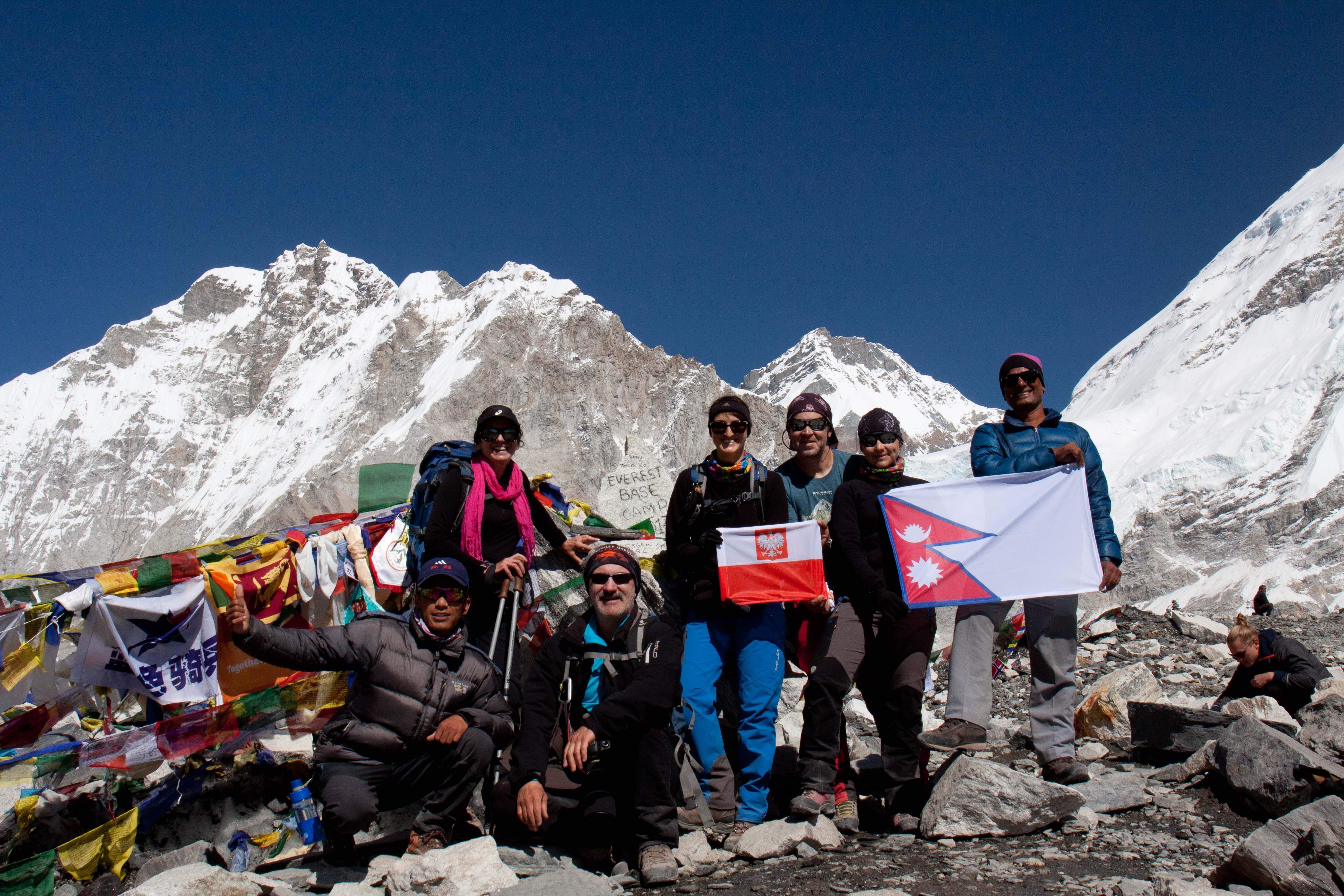
The transition from monsoon to autumn is an important time for trekking in Nepal. September to November is traditionally one of the country's main trekking seasons, offering improving weather, comfortable conditions at many elevations, and increasingly clear mountain views.
From classic journeys to remote Himalayan adventures, Nepal offers trekking experiences for different levels of fitness, experience, available time, and interest.
Choosing the Right Trek
The ideal trek depends on your time, experience, fitness, altitude preference, and interests. Popular routes such as Everest, Annapurna, and Langtang offer well-established trekking experiences, while regions such as Manaslu, Kanchenjunga, Dolpo, Mustang, Dhaulagiri, and Ganesh Himal provide different levels of remoteness and adventure.
Short trekking and hiking experiences are also available for travelers who have limited time or prefer a less demanding Himalayan journey.
Understanding Mountain Conditions
Mountain weather can change quickly, even during the autumn season. Conditions also vary considerably according to altitude and location. Trekkers should therefore choose an appropriate itinerary, follow local guidance, and allow enough time for acclimatization.
A well-planned itinerary should balance walking distances, altitude gain, rest days, accommodation, transportation, and weather considerations.
Peak Climbing and Mountaineering in Nepal
For experienced adventurers, the post-monsoon season also brings excellent opportunities for peak climbing and mountaineering in Nepal. The country's magnificent Himalayan landscape includes numerous trekking peaks and major mountains that attract climbers and expedition teams from around the world.
Peak climbing combines trekking with technical mountain travel and requires appropriate preparation, equipment, experience, permits, and professional support. Depending on the mountain, climbers may encounter glaciers, snow, steep terrain, changing weather, and challenging high-altitude conditions.
Nepal is also home to some of the world's most famous expedition mountains. Mountaineering expeditions require more extensive planning than ordinary trekking, including climbing equipment, experienced guides and climbing staff, permits, acclimatization schedules, camps, logistics, and high-altitude support.
For climbers and expedition teams, the choice of mountain and the level of preparation depend on the route, altitude, technical difficulty, experience, and season. From trekking peaks to major Himalayan expeditions, Nepal offers a wide range of climbing opportunities for different levels of mountain experience.
Beyond Trekking and Climbing: Experiences for Every Traveler
Nepal is not only a trekking or mountaineering destination. Its diverse landscapes and cultures offer rewarding experiences for travelers with different interests and levels of physical activity.
Cultural and Heritage Experiences
Historic cities, temples, monasteries, traditional villages, festivals, and local communities provide opportunities to experience Nepal's rich cultural heritage.
Travelers can explore ancient architecture in Kathmandu Valley, visit sacred sites, experience local traditions, and learn about the diverse communities that make Nepal culturally unique.
Wildlife and Nature
From the forests of Chitwan and the Terai to the hills and Himalayan landscapes, Nepal offers a remarkable variety of natural environments. Wildlife experiences, nature walks, birdwatching, and scenic journeys can complement a mountain or cultural itinerary.
Scenic and Adventure Experiences
Travelers with limited time can enjoy mountain flights, short hikes, viewpoints, helicopter experiences, rafting, paragliding, and other outdoor activities. These experiences make it possible to discover different sides of Nepal without committing to a long trek.
Nepal can therefore be enjoyed by families, couples, solo travelers, photographers, senior travelers, adventure seekers, and experienced mountaineers alike.
Preparing for Your Nepal Journey
Good preparation helps travelers make the most of Nepal's changing landscapes and diverse travel conditions. Before departure, consider your destination, season, transportation, accommodation, permits, activities, and personal requirements.
Pack for the Season
Post-monsoon weather can vary between destinations and elevations. Light rain protection, comfortable footwear, sun protection, and suitable layers are useful for general travel, while trekkers, climbers, and expedition members should prepare according to their route, altitude, and technical requirements.
Plan for Altitude
If your journey reaches higher elevations, allow sufficient time for acclimatization and avoid rushing your itinerary. Walk at a comfortable pace, stay hydrated, and communicate with your guide if you feel unwell.
For peak climbing and expeditions, altitude preparation becomes even more important because climbers may spend extended periods above the normal trekking elevations.
Keep Your Itinerary Practical
A realistic schedule allows time to enjoy destinations rather than simply moving from one place to another. When traveling by road or through mountainous areas, reasonable time allowances can make the journey more relaxed and enjoyable.
For trekking, climbing, and expeditions, additional flexibility is especially valuable because mountain weather can influence travel and climbing schedules.
Travel Responsibly After the Monsoon
Every journey has an impact on the places and communities we visit. Responsible travel helps protect Nepal's natural environment, cultural heritage, and the livelihoods connected to tourism.
Support Local Communities
Choosing local hotels, restaurants, guides, porters, transport services, climbing staff, and locally made products helps tourism income reach the communities that welcome travelers.
Tourism creates opportunities for thousands of people across Nepal, from Kathmandu and Pokhara to remote mountain villages. Trekking, tours, climbing, and expeditions all contribute to local employment and businesses.
Respect Culture and Traditions
Nepal is home to many cultures, languages, religions, and traditions. Dress appropriately at cultural and religious sites, ask permission before photographing people, and follow local customs with respect.
A friendly greeting, genuine curiosity, and willingness to learn can make cultural encounters more meaningful for both visitors and local communities.
Protect Nature
Reduce single-use plastic, manage waste responsibly, use water thoughtfully, and avoid damaging plants, wildlife, trails, and cultural sites. Small choices by individual travelers can make a meaningful difference when practiced widely.
Responsible tourism is especially important in fragile mountain environments where ecosystems can be sensitive to increasing visitor numbers.
Why Autumn Travel Matters to Nepal
The autumn travel season is important not only because of favorable conditions for visitors but also because tourism supports a wide network of people throughout Nepal.
Guides, porters, drivers, hotel workers, cooks, restaurant staff, climbing guides, expedition crews, artisans, farmers, conservation workers, and local entrepreneurs all contribute to the travel experience. When visitors choose to travel responsibly, their spending can help support these communities and the wider tourism economy.
For this reason, visiting Nepal is more than simply discovering a destination. It can also be a meaningful way to connect with local people and contribute to the communities that make travel possible.
Travel With Confidence and an Open Mind
Nepal's post-monsoon season offers a wonderful combination of fresh landscapes, improving mountain visibility, cultural experiences, and the beginning of the country's celebrated autumn travel period.
It is also an exciting time for the wider tourism industry, with trekking routes becoming active, tour destinations welcoming visitors, climbing seasons beginning, and expedition teams preparing for Himalayan objectives.
The most rewarding journeys are usually those planned according to the destination rather than based on general assumptions about the entire country. Conditions can differ between regions, so travelers should obtain relevant information for their own itinerary and remain open to small changes when necessary.
With sensible preparation, respectful travel, and a little flexibility, visitors can experience Nepal comfortably while enjoying the mountains, cultures, nature, adventure, and communities that make the country unique.
Plan Your Nepal Journey After the Monsoon
Planning to visit Nepal after the monsoon? Whether you are interested in trekking, cultural discovery, wildlife, scenic travel, peak climbing, mountaineering expeditions, or a Himalayan adventure, careful preparation can help you enjoy a smoother and more rewarding journey.
Explore our Nepal Travel Planning Guide and Nepal Trip Preparation Guide for practical advice before your journey.
Contact Us
Mountain King Treks & Expedition Pvt. Ltd.
WhatsApp / Call: +977-9841566449
Email: info@mountainkingtrek.com
Share your travel dates, group size, interests, experience level, and preferred travel style with us. Our local team will be happy to help you plan your journey in Nepal.