Planning a Langtang Valley Trek
Langtang Valley Trek Planning begins with choosing an itinerary that matches your available time, trekking experience, interests, fitness level, and preferred travel style. Located north of Kathmandu, the Langtang Valley offers beautiful forests, traditional Tamang villages, alpine landscapes, glaciers, and spectacular Himalayan scenery. It is also one of Nepal’s most accessible trekking regions from the capital and an excellent destination for Trekking in Nepal.
A well-planned trek involves more than choosing a walking route. You should consider the trekking duration, transportation, accommodation, permits, meals, weather, altitude, physical preparation, and budget before deciding on your itinerary. Considering these factors in advance helps you choose a trek that is comfortable, realistic, and enjoyable.
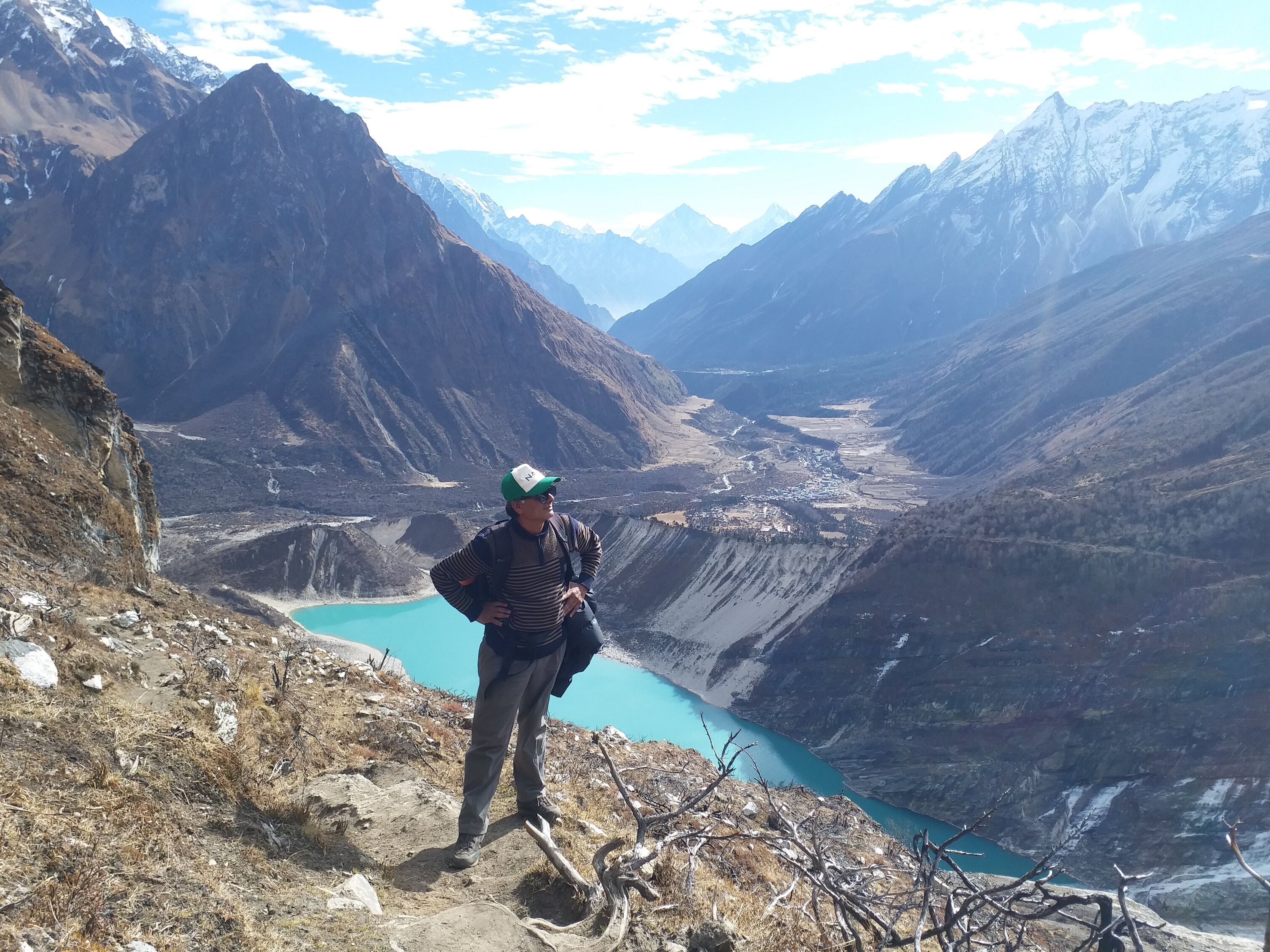
The classic Langtang Valley Trek is an excellent choice for travelers who want to experience the heart of the Langtang Himalayas within a manageable trekking itinerary. The route follows the valley toward Kyanjin Gompa, with beautiful mountain scenery, traditional villages, and opportunities to explore the surrounding high-altitude landscape. For detailed route information and practical advice, see our Langtang Valley Trek Guide.
The wider Langtang area also offers several different trekking experiences. Travelers with more time can combine the valley with Gosainkunda and Helambu, while experienced trekkers can choose challenging high-altitude routes such as Ganja La Pass or Tilman Pass. This variety makes careful planning especially important when deciding which Langtang journey best suits your time, interests, and trekking experience. For practical information about transportation, accommodation, permits, money, communication, and other travel considerations, see our Nepal Travel Information Guide.
Choosing the Right Langtang Valley Route
There is more than one way to experience the Langtang area. Your available time, fitness level, trekking experience, interests, and desired level of adventure should guide your route selection.
Classic Langtang Valley Trek
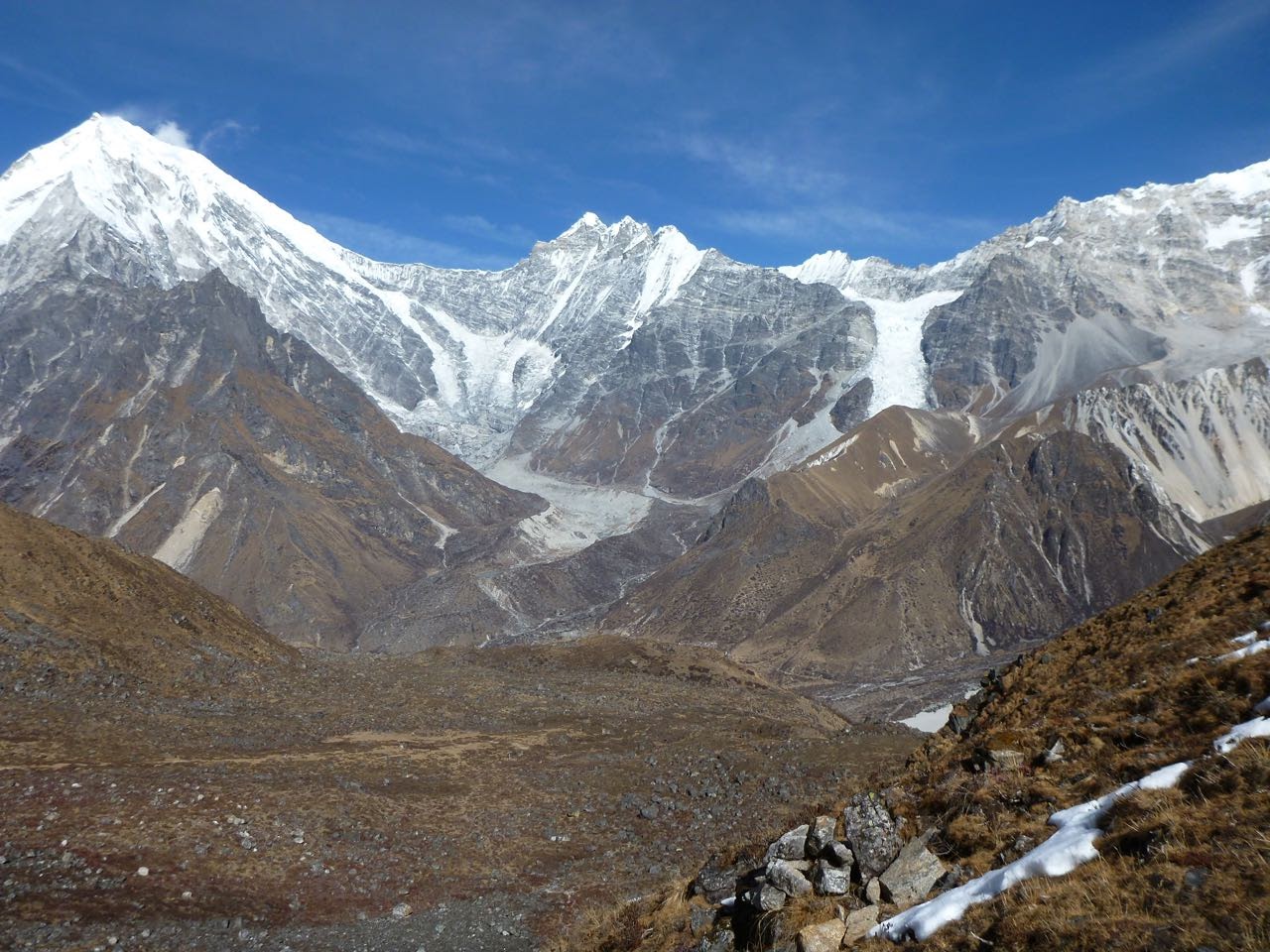
The Langtang Valley Trek is the classic choice for travelers who want to experience the heart of the Langtang Himalayas without committing to a very long Himalayan journey. The route passes through forests and traditional Tamang settlements before reaching the upper valley and Kyanjin Gompa.
It is a good option for first-time Himalayan trekkers with reasonable fitness, as well as experienced travelers looking for a rewarding trek relatively close to Kathmandu. The route can also include a higher viewpoint such as Tserko Ri for wider mountain views.
Longer and More Challenging Routes
If you have more time or want a more varied experience, the Langtang Gosainkunda Helambu Trek combines the Langtang Valley with the sacred Gosainkunda Lakes and the Helambu region.
For experienced trekkers seeking more demanding mountain crossings, the Ganja La Pass Trek crosses the spectacular Ganja La Pass, while the Tilman Pass Trek offers a more remote and challenging Himalayan adventure.
These routes require more careful preparation than the classic Langtang Valley journey, particularly because of higher elevations, longer trekking days, weather conditions, and more demanding trail sections.
How to Reach the Langtang Valley
The Langtang Valley Trek generally begins with a road journey from Kathmandu toward Syabrubesi, the main gateway to the Langtang Valley. The journey takes you through the hills and river valleys north of Kathmandu before reaching the trekking area. Langtang National Park is accessible by road, with Dhunche serving as an important gateway to the park.
Depending on your itinerary, transportation may be arranged by tourist bus, private vehicle, or another suitable road service. Private transportation can provide greater flexibility, while shared or scheduled transportation can be more economical.
The return journey follows the road back toward Kathmandu after completing the trek. For combined routes involving Gosainkunda, Helambu, or high mountain passes, the starting and ending points can be different, so transportation should be planned according to the complete itinerary.
When to Go to the Langtang Valley
The best seasons for trekking in the Langtang region are generally spring from March to May and autumn from September to November. These periods usually offer favorable trekking conditions, good mountain visibility, and pleasant daytime temperatures, although higher elevations can remain cold.
Spring
Spring brings warmer conditions, improving trail conditions, and colorful rhododendron forests. It is an excellent period for trekkers who want a combination of mountain views, forests, and spring flowers.
Autumn
Autumn is one of the most popular trekking seasons in Nepal. The monsoon generally leaves clearer skies, fresh landscapes, and excellent Himalayan visibility, making September to November particularly attractive for the Langtang Valley.
Winter
Winter brings colder temperatures and snow at higher elevations. Lower sections can still be suitable for trekking, but travelers heading toward higher viewpoints and mountain passes should be prepared for freezing conditions and possible snowfall.
Monsoon
June to August is the main monsoon period. Rain can make trails wet and slippery and can affect road transportation, while clouds can reduce mountain visibility. At the same time, the landscape becomes particularly green and lush.
Nature and Wildlife of Langtang
The Langtang region is known for its rich natural environment, ranging from dense Himalayan forests and rhododendron-covered hills to alpine meadows, glaciers, and high mountain landscapes. Much of the trekking area lies within Langtang National Park, creating opportunities to experience diverse ecosystems along the trail.
The park provides habitat for wildlife such as red pandas, Himalayan black bears, musk deer, and many species of Himalayan birds. Although wildlife sightings are never guaranteed, the natural surroundings add another dimension to trekking through the Langtang Valley and its surrounding landscapes.
The protected environment is an important part of the region's character. Trekkers should follow park regulations, avoid disturbing wildlife, respect the natural surroundings, and help keep trails and villages clean. For more information about the area's protected landscapes, wildlife, conservation, and natural attractions, see our Langtang National Park Guide.
Accommodation and Food on the Langtang Trek
Tea houses and mountain lodges provide the main accommodation along the established Langtang trekking routes. Most offer simple, comfortable rooms, commonly with shared facilities, although the standard and availability of facilities can vary as you travel farther into the mountains.
Meals are generally available at the lodges, with a mixture of Nepali, Tibetan-influenced, and familiar international dishes. Breakfast, lunch, and dinner can normally be arranged along the established route.
Travelers should remember that food and other supplies become more difficult and expensive to transport at higher elevations. Hot drinks, snacks, charging, internet access, and hot showers may also involve additional personal expenses depending on the location.
Permits and Entry Requirements
Langtang trekking routes pass through Langtang National Park, so trekkers need the applicable park entry permit. The Nepal Tourism Board currently lists the Langtang National Park entry fee for foreign visitors at NPR 3,000 per person, with different rates for Nepali and SAARC nationals.
Permit and guide requirements can vary according to the exact route. The Nepal Tourism Board's current TIMS guidance lists Langtang Trek, Langtang Gosaikunda Trek, Tamang Heritage Trek, Ganja La Pass Trek, and Tilman Pass among routes requiring a licensed guide and agency-issued TIMS under the applicable provisions.
Because trekking regulations and fees can change, it is important to confirm the latest requirements before departure. For organized treks, the necessary permits and documentation can be arranged as part of the trekking service.
Culture and Local Communities Along the Langtang Trails
The Langtang Valley is closely associated with Tamang culture, and trekking through the region provides opportunities to experience traditional villages, Buddhist monasteries, prayer flags, mani walls, local architecture, and Himalayan hospitality. The Nepal Tourism Board also identifies experiencing Tamang culture as one of the region's main attractions.
The wider Langtang area also includes important Hyolmo cultural communities, particularly toward Helambu. Travelers who extend their journey beyond the classic valley can therefore experience different communities, traditions, landscapes, and religious heritage within the same broader Himalayan region.
For more information about the traditions, communities, history, and cultural experiences along these trails, explore the Tamang & Hyolmo Culture Guide.
Respecting local customs is an important part of responsible trekking. Visitors should dress appropriately around religious sites, ask permission before photographing people or ceremonies, respect monasteries and sacred places, and help keep villages and trails clean.
Responsible Trekking in Langtang
Planning a Langtang trek also means considering the impact of your journey on the mountain environment and local communities. Much of the region lies within Langtang National Park, where protecting forests, wildlife, water sources, and fragile mountain landscapes is an important part of responsible tourism.
Trekkers can contribute by carrying and disposing of waste responsibly, avoiding unnecessary single-use plastics, using established trails, respecting local customs and religious sites, and avoiding disturbance to wildlife. Choosing local teahouses, guides, porters, and other community-based services also helps ensure that tourism benefits the people who live along the trekking routes.
Responsible travel helps preserve the natural and cultural character of Langtang for future generations while making your own trekking experience more meaningful.
Frequently Asked Questions
1. How many days do I need for a Langtang Valley Trek?
The required time depends on the itinerary you choose. The classic Langtang Valley Trek can be completed in a relatively short Himalayan itinerary, while routes combining Langtang with Gosainkunda and Helambu or crossing high mountain passes require more time.
2. Is Langtang Valley Trek suitable for first-time trekkers?
Yes. The classic Langtang Valley route is a suitable choice for reasonably fit first-time trekkers who prepare properly. More demanding routes such as Ganja La Pass and Tilman Pass require greater fitness, experience, and preparation.
3. Can I trek in Langtang during winter?
Yes, winter trekking is possible, particularly on lower and more accessible sections. However, higher elevations can experience snow and very cold conditions, so winter trekkers need appropriate clothing, equipment, and flexibility.
4. Do I need a guide for the Langtang Valley Trek?
Current Nepal Tourism Board guidance requires a licensed trekking guide and agency-issued TIMS for the Langtang Trek and several other Langtang-area routes. Requirements can change, so trekkers should confirm the latest regulations before traveling.
5. What should I consider when choosing a Langtang trek?
Consider your available time, budget, fitness level, trekking experience, preferred season, and interests. The classic Langtang Valley Trek suits travelers seeking a rewarding Himalayan journey, while longer or higher routes are better suited to travelers looking for additional cultural, pilgrimage, remote, or high-altitude experiences.
Plan Your Langtang Adventure
Langtang offers more than a single trekking route. From the classic Langtang Valley and sacred Gosainkunda to high mountain passes, traditional Tamang and Sherpa communities, remote valleys, and diverse Himalayan landscapes, the region provides a variety of experiences for adventure travellers.
Whether you are interested in a classic valley trek, a longer journey combining Langtang with Gosainkunda and Helambu, a challenging high-pass adventure, or a more customized Himalayan experience, Mountain King Treks & Expedition Pvt. Ltd. can help design a journey around your available time, interests, experience, fitness, and preferred level of adventure.
For practical information about planning your journey, including destinations, seasons, transportation, permits, accommodation, and other essential travel considerations, see our Nepal Travel Planning Guide and Nepal Trip Preparation Guide.
Contact Us
If you are planning a Langtang adventure, please contact Mountain King Treks & Expedition Pvt. Ltd. We can help you choose a suitable route, develop your itinerary, and arrange the necessary guides, permits, accommodation, transportation, and other travel logistics.
Plan Your Trip
Ready to explore Langtang? Plan Your Trip and start creating a Himalayan journey that matches your interests, experience, and available time.