Nepal’s Untapped Adventure Tourism Potential
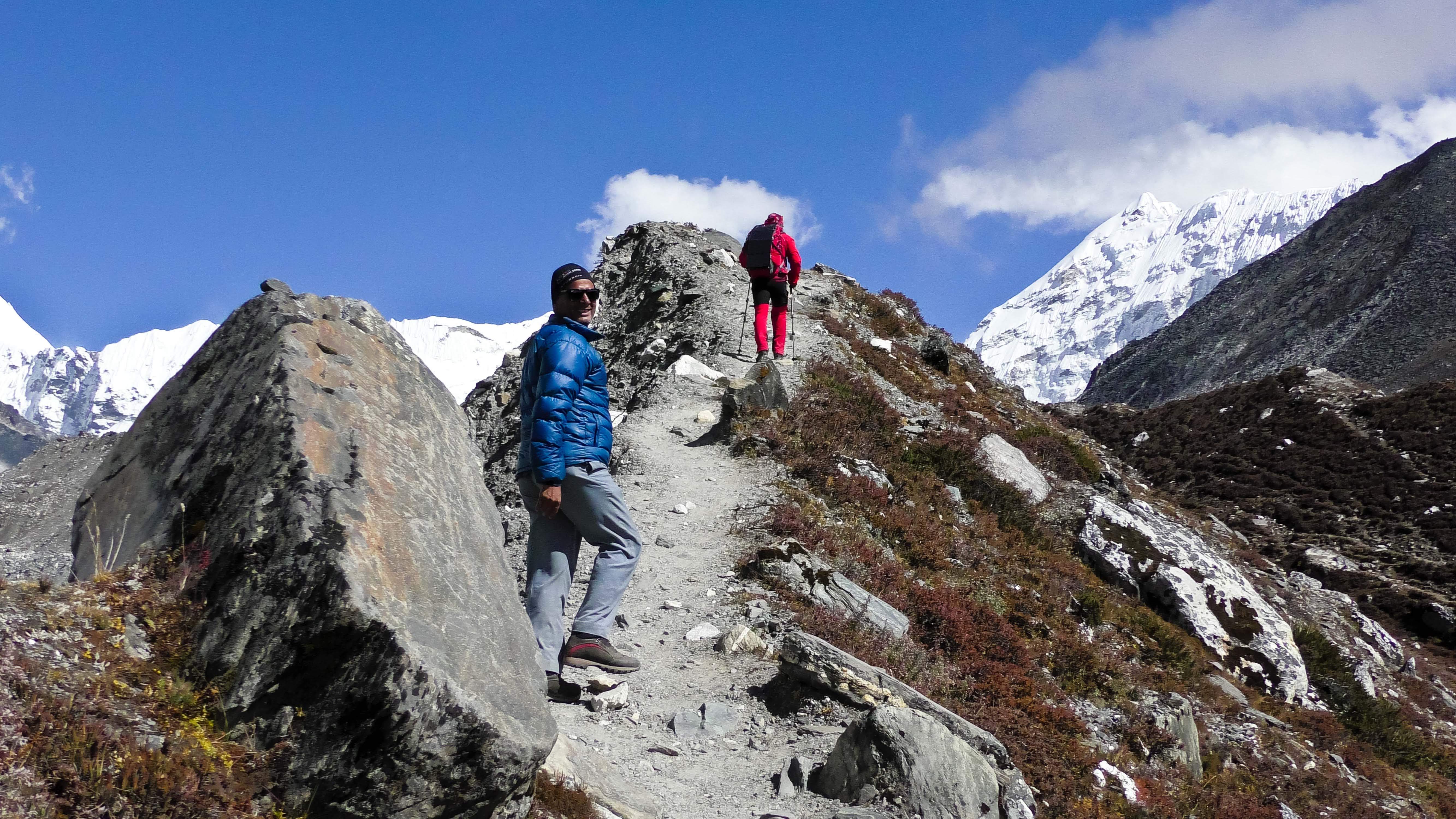
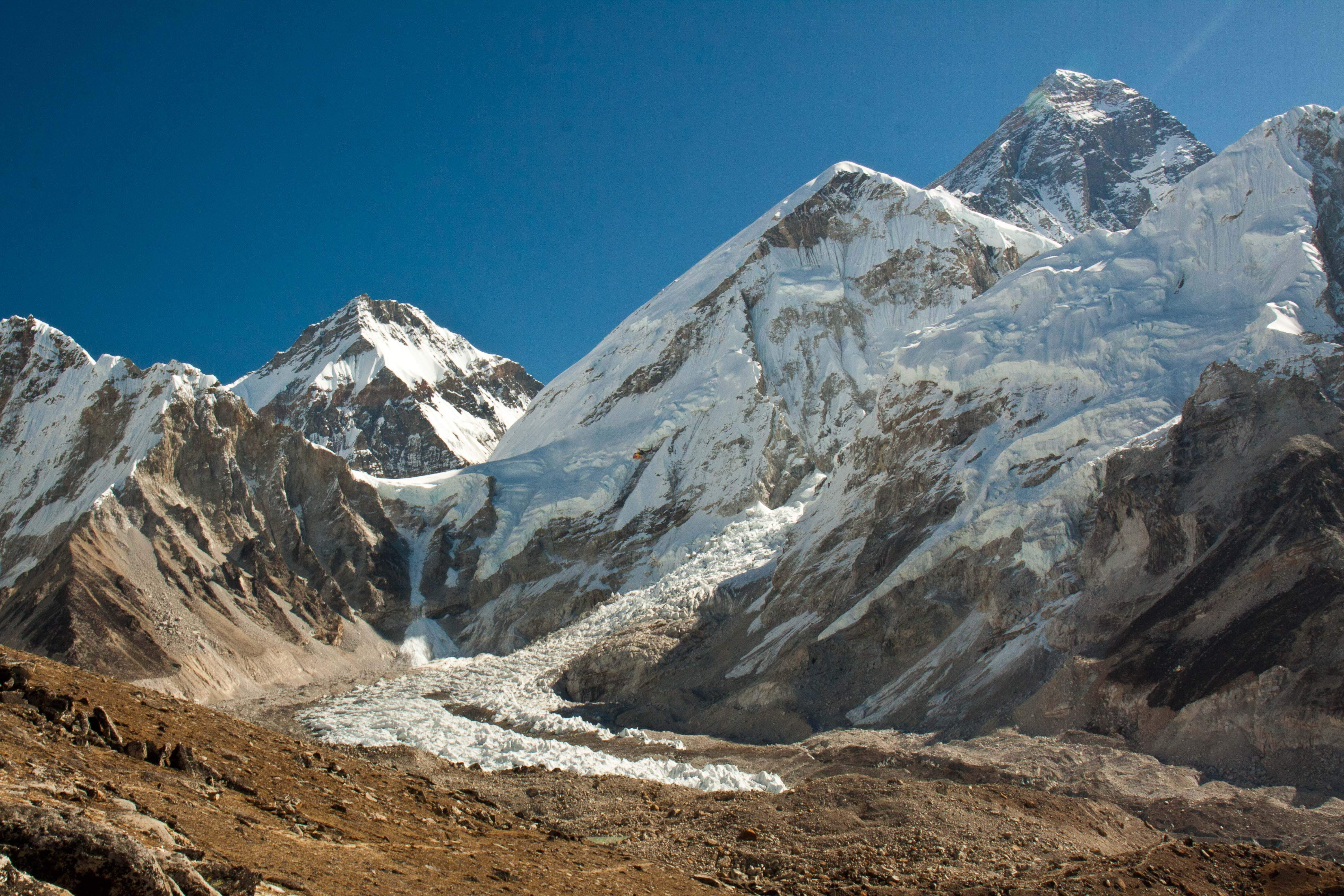
Nepal is already one of the world's great adventure destinations, and how Nepal can attract more adventure travellers is not simply a question of bringing more visitors to the same famous routes. Its Himalayan mountains, high-altitude trekking routes, rivers, forests, wildlife, traditional villages, diverse cultures, and extraordinary landscapes offer opportunities for many different types of adventure travellers. Trekking in Nepal
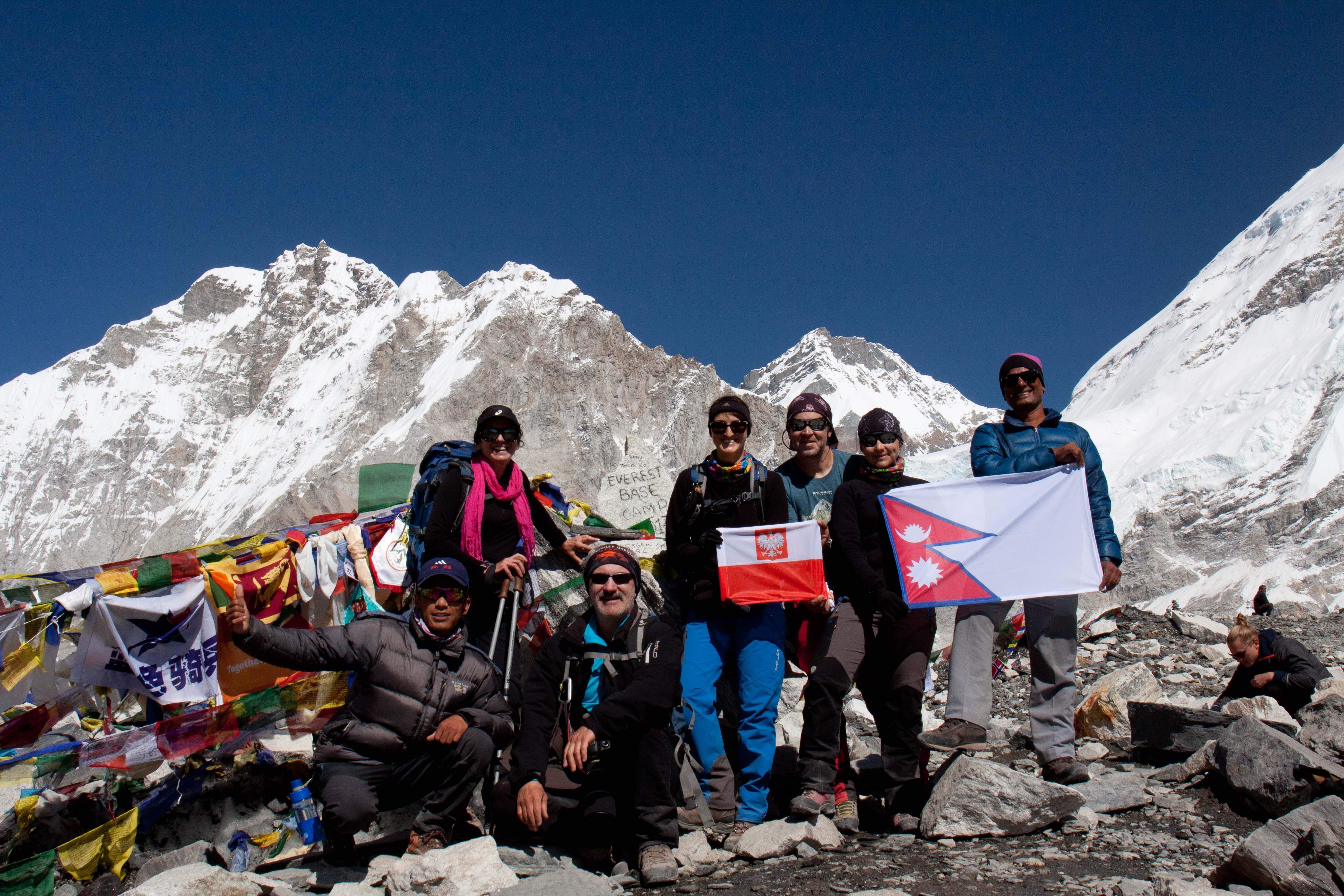
The famous Everest, Annapurna, Manaslu, and Langtang trekking regions have helped establish Nepal's international reputation and continue to attract large numbers of visitors. Nepal Tourism Board also identifies trekking as one of the country's major tourism activities while highlighting the growing importance of destinations such as Kanchenjunga and Dolpo and the potential of the Great Himalayan Trail.
The opportunity now is not simply to bring more visitors to the same busy destinations. Nepal can attract more adventure travellers by encouraging people to explore a much wider range of mountains, trekking routes, cultural landscapes, adventure activities, and emerging destinations across the country.
This requires better promotion, stronger infrastructure, professional safety systems, protection of trekking trails, preservation of traditional communities, and careful long-term tourism planning. A broader understanding of Nepal's destinations and travel opportunities can help travellers discover more of the country while supporting local communities and creating a more diverse and sustainable adventure tourism future. Nepal Travel Information Guide
Nepal Has Far More Adventure Potential to Offer
Nepal's adventure tourism potential extends far beyond its most famous trekking routes. From the eastern Himalayas to the remote mountains of the west, the country contains an extraordinary variety of landscapes and experiences.
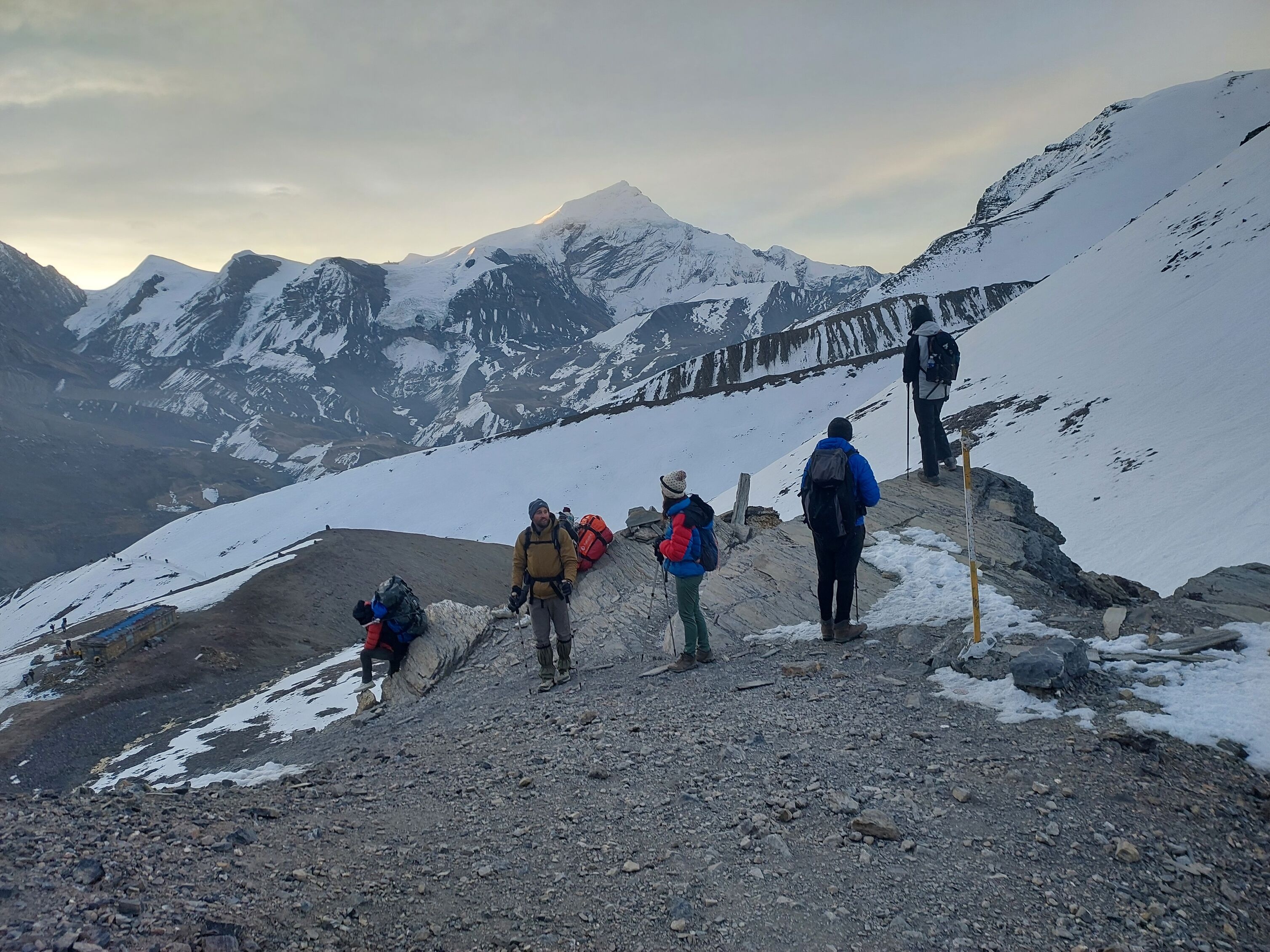
Trekkers can explore established routes, remote valleys, high mountain passes, cultural trails, rain-shadow landscapes, community villages, and long-distance journeys. Beyond trekking, Nepal offers mountaineering, rafting, kayaking, mountain biking, paragliding, rock climbing, canyoning, wildlife experiences, bird watching, photography, and other outdoor activities. Nepal Tourism Board itself lists trekking, mountaineering, rock climbing, rafting, jungle safari, bird watching, and paragliding among the country's tourism activities.
The challenge is therefore not a lack of adventure products. Nepal's greater opportunity is to organize, improve, protect, connect, and promote the variety that already exists.
Promote More Than the Busiest Trekking Routes
Everest, Annapurna, Manaslu, and Langtang are internationally established trekking destinations. They should continue to be promoted, but Nepal also has many other regions capable of attracting experienced adventure travellers.
Kanchenjunga, Makalu, Rolwaling, Ganesh Himal, Dhaulagiri, Upper Mustang, Dolpo, Humla, Rara, Api-Saipal, and other eastern and western Himalayan areas can offer very different experiences. Some are already established trekking destinations, while others have considerable potential for further responsible tourism development.
Nepal should therefore promote a wider portfolio of trekking experiences rather than depending heavily on a small number of famous routes. This would also help distribute tourism income to communities that currently receive fewer visitors.
Develop New Trekking Routes and Adventure Trails
New trekking opportunities do not always require completely new trails. Nepal can identify existing traditional footpaths, village routes, historic trails, mountain crossings, and community paths and develop them into well-managed tourism trails.
Trail mapping, signage, resting places, safety information, bridges, basic facilities, route maintenance, and reliable destination information can make lesser-known areas much easier for international travellers to explore.
Long-distance routes can also connect several destinations into larger journeys. The Great Himalayan Trail, for example, demonstrates how existing trails across different regions can become part of a much larger Himalayan adventure. Nepal Tourism Board describes the Nepal GHT as a 1,700-kilometre journey from Kanchenjunga in the east toward Humla in the west.
Promote a Wider Variety of Adventure Activities
Nepal should continue developing its reputation for trekking and mountaineering while promoting a broader range of adventure experiences.
Mountain biking can connect hills and mountain communities. Rafting and kayaking can make Nepal's rivers major adventure attractions. Paragliding can showcase mountain landscapes from a different perspective. Rock climbing, canyoning, trail running, wildlife adventures, bird watching, photography journeys, and multi-activity trips can attract travellers with different interests.
A traveller who is not interested in a 20-day trek may still spend time in Nepal for rafting, mountain biking, climbing, wildlife, photography, or a combination of several activities.
A more diverse adventure tourism sector means more types of travellers, longer stays, and opportunities in more parts of the country.
Connect Adventure with Local Culture and Communities
Adventure travel becomes much more meaningful when visitors can experience the communities along the route.
Nepal's trekking destinations are not simply mountain scenery. They include villages, traditional lifestyles, festivals, monasteries, temples, local crafts, agriculture, food traditions, languages, music, and generations of knowledge about living in difficult mountain environments.
Tourism planning should therefore encourage travellers to stay in local communities, use local services, eat local food, and learn about local traditions. This creates a stronger connection between adventure tourism and the people who live in the destinations.
It also helps ensure that tourism income reaches rural communities rather than remaining concentrated only in major cities and already-established tourism centres.
Protect Traditional Houses, Villages, and Architecture
Nepal's traditional villages are an important part of the adventure experience. Stone houses, timber structures, mud walls, traditional courtyards, monasteries, rest houses, and historic settlements give trekking destinations a character that modern buildings cannot easily replace.
As tourism develops, Nepal should encourage new accommodation and other buildings to respect local architecture, materials, scale, and traditional design wherever appropriate.
Modern facilities are necessary, but development should not mean replacing every traditional village with buildings that look the same as those found in urban areas.
Preserving traditional architecture can become a tourism strength while also helping communities maintain their cultural identity.
Promote Nepal's Traditional Food and Local Products
Adventure travellers increasingly look for authentic experiences, and food can become an important part of that experience.
Nepal has enormous regional diversity in food, agricultural products, beverages, spices, grains, fruits, vegetables, dairy products, honey, tea, coffee, and traditional dishes. Different Himalayan, hill, and lowland communities have their own food traditions and local specialties.
Trekking destinations can promote more locally produced food rather than relying only on a standardized menu. Local products can also be developed and sold as part of the tourism experience.
This can create additional income for farmers, food producers, restaurants, teahouses, homestays, and local businesses while giving travellers a stronger connection with each region.
Protect Trekking Trails When Building and Upgrading Roads
One of the most important challenges for the future of Trekking in Nepal is the expansion of motorable roads into mountain areas.
Roads are important for local communities, transportation, health services, education, agriculture, trade, and national development. The objective should not be to stop road construction.
The problem arises when a road is constructed or upgraded directly along an important trekking route and the walking trail is simply destroyed without providing a suitable alternative.
Nepal should aim to have both roads and trekking trails wherever practical. Local people can benefit from improved transportation while adventure travellers can continue walking through forests, villages, cultural sites, scenic landscapes, and quieter mountain environments.
Create a Dedicated Government Trekking Trail and Tourism Infrastructure Section
Nepal could strengthen its adventure tourism planning by establishing a dedicated government technical section responsible for tourism development, trekking trails, and tourism infrastructure protection.
This proposed section would be different from a general road-building or infrastructure department. Its specific responsibility would be to assess infrastructure development from the perspective of tourism, trekking trails, cultural landscapes, scenic values, and visitor experience.
Qualified engineers, tourism specialists, trail planners, and other relevant technical professionals could survey important trekking routes throughout Nepal and maintain a national record of major tourism trails, traditional footpaths, resting places, viewpoints, cultural sites, scenic sections, and alternative walking routes.
Before an existing mountain road is upgraded or a new motorable road or track is opened in a trekking destination, the proposed route could be surveyed from a tourism perspective. The assessment could identify important trekking trails and consider how the proposed infrastructure might affect their accessibility, scenery, cultural value, and overall trekking experience.
Where a proposed road alignment could significantly affect an important trekking trail, the technical team could recommend an alternative alignment, a protected walking route, or another practical solution that allows both infrastructure development and trekking tourism to continue.
The same approach could also help identify opportunities to improve trekking routes alongside road development. Where practical, roads and walking trails could be planned as complementary infrastructure, giving local communities better access while allowing visitors to enjoy a separate and attractive trekking experience.
The principle should be simple: develop the road while protecting important trekking trails and preserving their tourism value.
Survey First, Then Approve New Roads in Trekking Areas
A national trekking-trail survey system could help Nepal avoid mistakes that become difficult or impossible to reverse later.
Before a road project in a trekking destination receives approval, the responsible tourism-trail section could identify existing trails and assess how the proposed road would affect them. If necessary, an alternative walking route could be designed and included in the development plan.
New tracks should not simply be opened without considering their impact on tourism.
The survey should consider the value of the trail, village access, scenic landscapes, cultural sites, resting places, environmental sensitivity, and the possibility of maintaining a separate walking experience.
This would not prevent infrastructure development. Instead, it would help Nepal plan infrastructure more intelligently.
Monitor Trekking Trails After Infrastructure Construction
Planning should not stop when a road or other project receives approval.
The proposed government tourism-trail section could also monitor whether protected trekking routes and alternative walking trails remain accessible after construction. If later road widening or additional development threatens the trail, the issue could be identified before the walking route disappears completely.
A national mapping and monitoring system could record important trekking trails and their condition over time.
This would turn trail protection from a one-time recommendation into a long-term tourism management responsibility.
Improve Infrastructure Without Destroying Adventure Tourism
Nepal needs better infrastructure to support tourism. Airports, roads, bridges, communications, drinking water, sanitation, electricity, accommodation, rescue facilities, and other services can make remote destinations safer and more accessible.
But infrastructure should support the tourism experience rather than destroy it.
A new road can bring enormous benefits to local communities. At the same time, a protected walking trail can bring visitors through the same region in a completely different way. Both can have value.
The same principle applies to large infrastructure projects. Nepal should continue developing the country while giving appropriate consideration to tourism value, cultural heritage, landscapes, and long-term adventure opportunities.
Develop More Quality Lodges and Community Accommodation
Remote destinations need appropriate accommodation if Nepal wants to attract more adventure travellers and encourage them to stay longer and explore further.
Teahouses, trekking lodges, homestays, community accommodation, campsites, and other suitable facilities can make remote trekking destinations more comfortable and accessible while creating income for local communities.
In new trekking destinations, accommodation should be developed alongside the route itself, with enough basic facilities to support trekkers without changing the character of the destination. New buildings should respect local architecture and use suitable local materials wherever practical.
In traditional villages, new accommodation should complement the existing settlement rather than replace its character. In environmentally sensitive areas, construction should be carefully planned, while very remote sections may be better suited to simple teahouses, homestays, or organized camping.
The goal should be better accommodation, not uncontrolled construction—developing enough quality facilities to support new trekking destinations while protecting their natural environment, traditional architecture, and local character.
Make Adventure Tourism Safer and More Professional
Adventure travellers need confidence that they can explore Nepal safely and with reliable support throughout their journey.
Professional guides, experienced high-altitude Sherpa support, technical teams for demanding routes, reliable communication, weather information, rescue systems, appropriate permits, travel insurance, and proper acclimatization planning are essential for challenging journeys.
Nepal already requires licensed guides and agency-issued TIMS cards on many trekking routes under the revised TIMS provisions, including several restricted and high-altitude routes. As Nepal develops new adventure destinations, these safety systems should develop alongside them, ensuring that emerging routes have appropriate standards, trained professionals, reliable support, and practical emergency arrangements.
Strengthen Adventure Tourism Training and Professional Skills
Nepal already has professionally trained tourism and adventure workers, including trekking and climbing professionals who receive recognized training through institutions such as HMTC. However, as Nepal expands and diversifies its adventure tourism sector, professional training should extend across the wider tourism workforce and reach destinations throughout the country.
Hotels, lodges, homestays, community tourism operators, guides, porters, cooks, drivers, and other tourism workers should have access to regular practical training suited to their responsibilities. Hospitality training can cover guest service, communication, food hygiene, cleanliness, cultural awareness, responsible tourism, and basic destination management, while community-based training can help local people provide welcoming and professional services to visitors.
First-aid and emergency preparedness should be an important part of adventure tourism training. Staff working in hotels, lodges, homestays, trekking and climbing operations, rafting, mountain biking, paragliding, canyoning, wildlife and birdwatching, and other adventure activities should receive appropriate first-aid and emergency-response training. Specialized training can then be provided according to the risks and requirements of each activity, including altitude awareness, water safety, weather and trail conditions, rescue awareness, communication, and other activity-specific skills.
Training should be organized regularly in both established and emerging tourism destinations so that local communities and tourism workers can develop the skills needed as visitor numbers and activities grow. This would complement existing professional training systems rather than replace them, creating broader and more consistent standards of hospitality, safety, professionalism, and visitor care throughout Nepal.
Nepal's adventure tourism development should therefore invest not only in roads, trails, accommodation, communication, safety systems, and other physical infrastructure, but also in the people who deliver the tourism experience. Better-trained tourism workers can improve service quality, strengthen visitor confidence, create local employment opportunities, and help Nepal build a stronger reputation as a safe, professional, welcoming, and responsible adventure destination.
Promote Nepal's Adventure Opportunities in Every Season
Nepal's adventure tourism should not depend entirely on a few weeks of peak-season travel.
Different regions have different climates and opportunities. Rain-shadow areas can offer trekking possibilities during periods when other parts of Nepal receive heavy monsoon rainfall. Lower-altitude cultural routes, wildlife experiences, rafting, mountain biking, photography, and other activities can also provide different seasonal opportunities.
A better seasonal tourism strategy can help extend visitor stays and spread tourism activity across a larger part of the year.
Spread Adventure Tourism Across Eastern and Western Nepal
One of Nepal's greatest opportunities is geographical diversification.
Eastern Nepal offers extraordinary mountain landscapes around Kanchenjunga, Makalu, and surrounding areas. Western Nepal contains remote mountains, traditional communities, high-altitude valleys, lakes, forests, and emerging trekking destinations.
Greater investment in trails, accommodation, information, transportation, safety, and international promotion can help these regions receive more adventure travellers.
The objective should not be to turn every remote village into a mass-tourism destination. Instead, Nepal can develop appropriate, controlled, community-based adventure tourism according to the character of each region.
Use Digital Marketing to Tell Nepal's Full Adventure Story
Nepal needs to tell the world more stories about its adventure destinations.
High-quality websites, maps, videos, photography, social media, travel information, documentaries, destination guides, and international marketing can introduce travellers to places they may never have heard about.
The message should be clear: Nepal is not only one mountain or one trekking route.
It is a country of many trekking regions, mountain cultures, rivers, forests, wildlife areas, high passes, traditional villages, adventure sports, and long-distance journeys.
Better digital information can also help travellers make responsible decisions by providing accurate information about routes, seasons, permits, difficulty, accommodation, transportation, and safety.
Encourage Longer and More Meaningful Adventure Journeys
Nepal can benefit greatly from travellers who stay longer and explore several destinations.
Instead of visiting one famous trekking route and leaving after a short trip, travellers can combine trekking with cultural tours, wildlife experiences, rafting, mountain biking, photography, or another adventure activity.
Longer journeys also create more opportunities for local communities, guides, porters, accommodation providers, transport operators, farmers, restaurants, and other tourism businesses.
The goal should therefore not only be more travellers, but more meaningful and longer-lasting travel experiences.
Protect Nepal's Culture, Nature, and Adventure Heritage
The future of adventure tourism should not be measured only by the number of international arrivals.
It should also be measured by whether Nepal can protect the things that make the country special: its mountains, forests, rivers, trekking trails, traditional houses, villages, cultures, food traditions, wildlife, and local communities.
Once an important trail or traditional settlement is permanently destroyed, it may be impossible to recreate the original experience.
Responsible tourism development therefore means improving facilities while protecting the natural and cultural resources that attract visitors in the first place.
Nepal Can Build a More Diverse Adventure Tourism Future
Nepal does not need to create an entirely new tourism identity. It already possesses extraordinary natural and cultural resources, world-class mountain landscapes, and a long history of adventure travel. The opportunity is to diversify, improve, protect, and promote what Nepal already has.
Popular trekking regions such as Everest, Annapurna, Manaslu, and Langtang can continue to welcome travellers, while lesser-known destinations in eastern and western Nepal receive greater attention. New adventure activities can attract different types of visitors, while traditional villages, local food, and community experiences can create richer and more meaningful journeys. Better accommodation and carefully planned infrastructure can also make remote destinations more accessible.
At the same time, development should protect the trekking trails, cultural landscapes, traditional architecture, and natural character that form the foundation of Nepal's adventure tourism. These are not obstacles to development; they are valuable tourism assets that should be considered as part of long-term planning.
A dedicated government tourism-trail and infrastructure planning section could play an important role by identifying important trekking trails, surveying proposed road alignments, recommending alternative routes where necessary, protecting important walking routes, and monitoring their condition after construction.
The vision should not be development versus tourism. It should be development that strengthens tourism by improving access and infrastructure while protecting the natural, cultural, and tourism assets that make Nepal unique.
If Nepal can improve infrastructure while protecting trekking trails, preserve traditional architecture while providing appropriate modern facilities, promote local food while supporting farmers and producers, expand adventure activities while maintaining professional safety standards, and open new destinations while protecting their natural and cultural character, the country can attract more adventure travellers and distribute tourism benefits more widely.
Nepal's greatest opportunity is not simply to bring more people to the mountains. It is to help travellers discover more of Nepal.
Great Himalayan Trail and Long-Distance Adventure
Long-distance trekking can become an important part of this broader adventure tourism strategy. Nepal's Great Himalayan Trail connects a network of high mountain routes across the country and offers experienced travellers the opportunity to experience several Himalayan regions as part of a much larger journey.
Such journeys can combine high passes, remote valleys, changing landscapes, diverse Himalayan cultures, and different trekking environments. The Nepal Tourism Board describes the Great Himalayan Trail as extending approximately 1,700 kilometres from Kanchenjunga in the east toward Humla in the west.
Developing and protecting long-distance trekking routes can give Nepal a distinctive adventure tourism product while encouraging travellers to stay longer, explore more regions, and experience parts of the country beyond the busiest trekking corridors.
A Future Where Development and Adventure Tourism Work Together
Nepal's adventure tourism future depends on finding the right balance between development and protection. Roads, accommodation, communication, safety systems, and other infrastructure are essential for local communities and tourism, but they should be planned carefully so that development does not destroy the trails, landscapes, cultural heritage, and local character that make Nepal an exceptional adventure destination.
With thoughtful planning, professional tourism systems, stronger promotion, and greater protection of Nepal's natural and cultural assets, the country can welcome more adventure travellers while spreading tourism benefits across a much wider range of destinations.
The goal should not simply be more visitors, but more diverse, longer, safer, responsible, and meaningful journeys throughout Nepal.
Frequently Asked Questions
What adventure experiences can travellers enjoy in Nepal besides trekking?
Nepal offers a wide range of adventure experiences beyond traditional trekking, including mountaineering, peak climbing, rafting, mountain biking, canyoning, paragliding, wildlife safaris, birdwatching, and long-distance Himalayan journeys. Travellers can combine different activities according to their interests, available time, and level of experience.
Are lesser-known adventure destinations in Nepal suitable for independent travellers?
Some emerging destinations can be explored by experienced independent travellers, but many remote Himalayan areas involve difficult terrain, limited facilities, changing weather, and restricted or controlled trekking routes. Local guides, authorized agencies, and appropriate logistical support are particularly important in remote and high-altitude areas.
How can travellers support local communities through adventure tourism?
Travellers can support local communities by staying in locally operated lodges and homestays, eating local food, purchasing locally made products, and using local guides and porters. Spending more time in villages rather than simply passing through also helps keep tourism income within destination communities.
What should travellers consider when choosing a new adventure destination in Nepal?
Travellers should consider the season, accessibility, altitude, route conditions, accommodation, permits, transportation, communication, emergency services, and the level of physical preparation required. Less-developed destinations can provide rewarding experiences, but they may require greater flexibility and preparation than Nepal's established trekking routes.
Can adventure travellers combine several destinations or activities in one Nepal trip?
Yes. Nepal's diverse geography makes it possible to combine trekking with cultural experiences, wildlife, rafting, mountain flights, scenic tours, or other outdoor activities. Longer journeys can also connect different regions, allowing travellers to experience contrasting landscapes and communities rather than focusing on only one destination.
Plan Your Adventure in Nepal
Nepal is more than its famous trekking routes. From the high Himalayas and remote mountain valleys to traditional villages, wildlife areas, rivers, forests, and diverse cultural landscapes, the country offers many opportunities for adventure travellers seeking something different.
Whether you are interested in trekking, long-distance Himalayan journeys, mountain activities, wildlife, cultural experiences, or a combination of adventures, Mountain King Treks & Expedition Pvt. Ltd. can help design a journey around your available time, interests, experience, fitness, and preferred level of adventure.
For practical information about destinations, seasons, transportation, permits, accommodation, and other essential travel considerations, see our Nepal Travel Planning Guide and Nepal Trip Preparation Guide.
Contact Us
If you are looking for a customized adventure in Nepal, please contact Mountain King Treks & Expedition Pvt. Ltd. We can help you choose suitable destinations, develop your itinerary, and arrange the necessary guides, permits, accommodation, transportation, and other travel logistics.
Plan Your Trip
Ready to explore more of Nepal? Plan Your Trip and start creating an adventure that goes beyond the country's busiest and most familiar routes.