From Nepal’s Green Hills to the High Himalayas
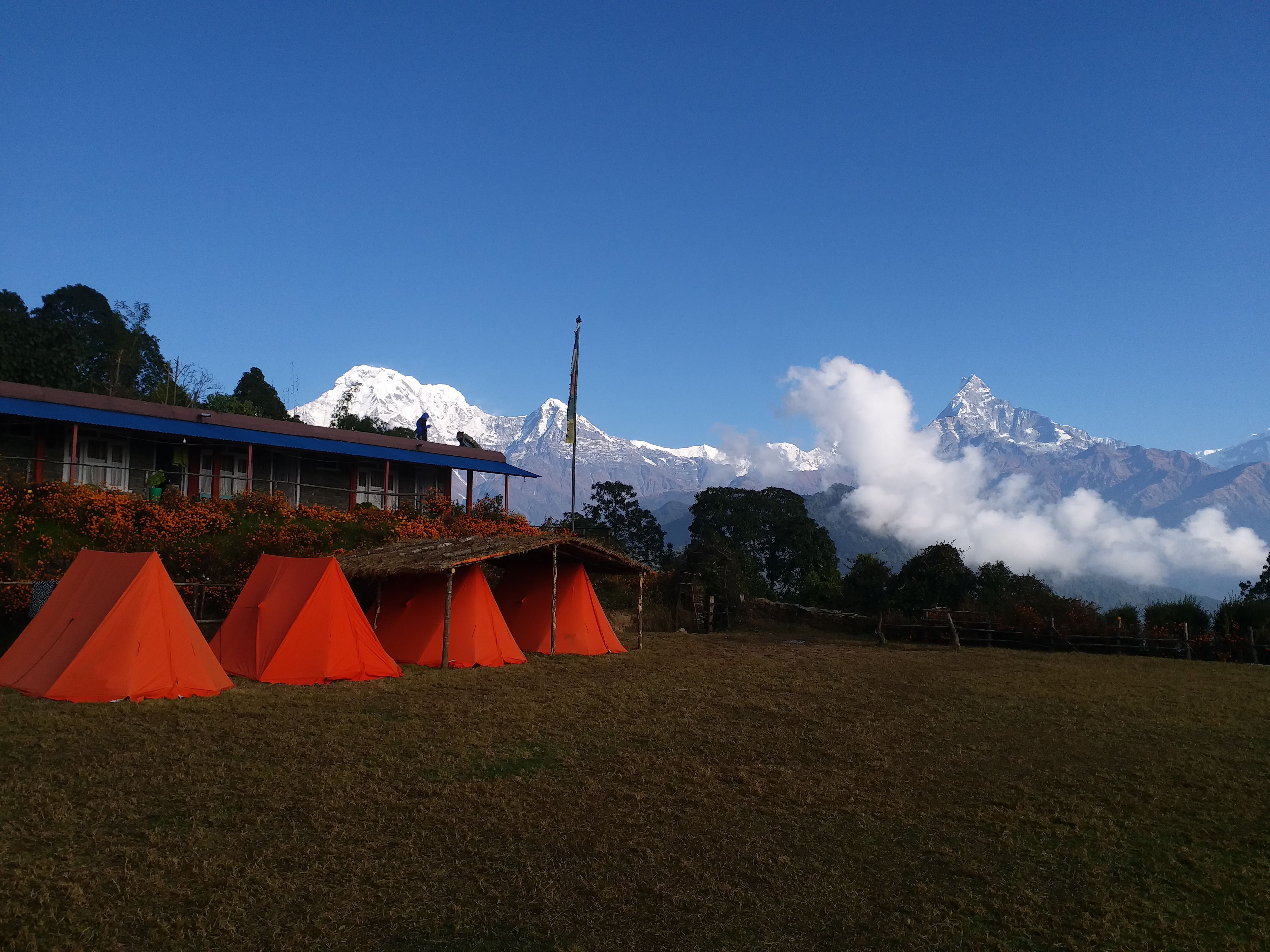
From Nepal’s green hills to the High Himalayas, trekking routes take travelers through an extraordinary range of landscapes, from terraced farmland and forested trails to rugged mountain valleys and high-altitude terrain. This changing landscape is one of the defining experiences of Trekking in Nepal, where every region offers its own combination of mountain scenery, culture, traditions, and trekking challenges.
A journey into the mountains is rarely a sudden transition from lowland scenery to snow-covered peaks. As the trail gradually gains elevation, subtropical forests and cultivated hillsides give way to cooler mountain forests, alpine meadows, rocky valleys, and high passes. Beyond the main Himalayan range, the landscape can become much drier, with bare cliffs, windswept valleys, and high mountain deserts.
This gradual transformation is one of the most rewarding aspects of trekking across Nepal. The trail becomes a journey through different ecological zones and cultural landscapes, allowing trekkers to see how vegetation, architecture, agriculture, religion, and daily life change with altitude. In remote areas such as Upper Mustang and Dolpo, the experience becomes even more distinctive, with ancient settlements, monasteries, high passes, and landscapes shaped by the Himalayan rain shadow.
Changing Landscapes Along the Trail
The landscape can change considerably during a single Himalayan trekking journey. Lower sections may pass through subtropical forests, rivers, terraced fields, and traditional villages, while higher trails reveal conifer forests, alpine vegetation, rocky slopes, and eventually the stark terrain of the high mountains.
These environmental changes are closely connected with the way people live. Crops become different at higher elevations, livestock becomes increasingly important, houses are adapted to colder conditions, and settlements become smaller and more widely separated. Religious traditions and local architecture can also change from one valley to another, reflecting the cultural diversity of Nepal’s mountain regions.
For trekkers, this creates a journey that is constantly evolving. A trail that begins among green hills can eventually lead through barren cliffs, high mountain passes, dry valleys, and snow-covered peaks, offering a remarkable sense of geographical and cultural transition along the way.
Crossing into the Trans-Himalayan Landscape
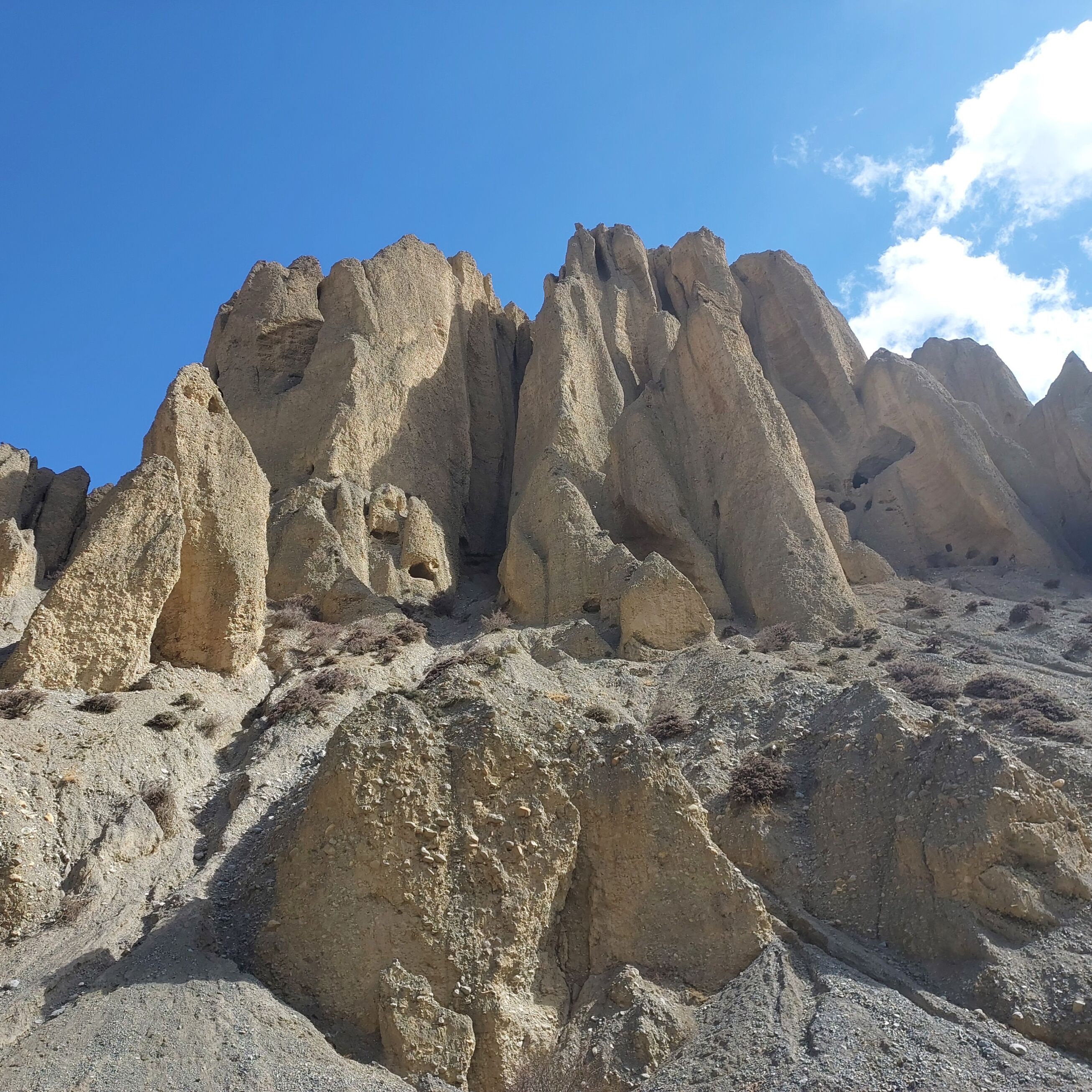
Beyond the main Himalayan range, Nepal contains several high-altitude landscapes that are markedly drier than the greener southern slopes. These areas are influenced by the Himalayan rain shadow, where the mountains reduce the amount of moisture reaching valleys to the north. The result is a dramatic environment of dry river valleys, eroded cliffs, barren slopes, unusual rock formations, and high mountain deserts.
Despite their arid appearance, these landscapes are far from empty. Traditional villages, cultivated fields, grazing areas, monasteries, prayer walls, and ancient trails reveal communities that have adapted to the difficult environment over generations. The combination of harsh geography and enduring mountain culture gives Nepal’s Trans-Himalayan regions a character very different from the greener middle hills.
Upper Mustang is one of the best-known examples of this landscape, while Dolpo offers another extraordinary expression of Nepal’s remote western highlands. Although the two regions differ in geography, cultural history, and trekking logistics, both demonstrate the remarkable variety of Nepal’s northern mountain environment.
Upper Mustang and the Dry Himalayan Valleys
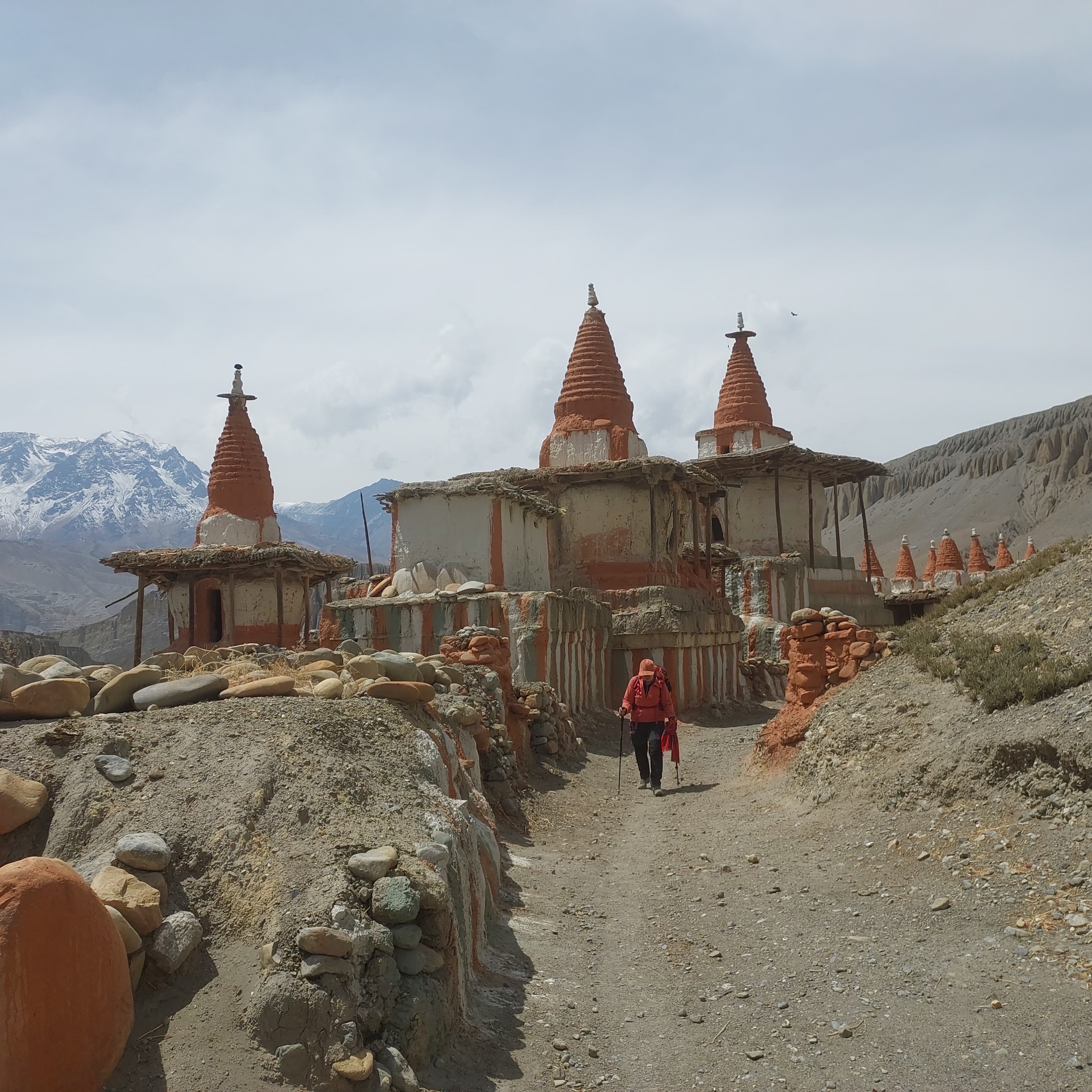
The Upper Mustang Trek takes travelers into the historic Kingdom of Lo, where the landscape changes dramatically from the greener regions of central Nepal. Dry river valleys, colorful cliffs, caves, high passes, and traditional settlements create an environment that often feels more like a high mountain desert than the Nepal commonly associated with lush Himalayan foothills.
The region’s Tibetan Buddhist heritage is visible throughout the journey. Monasteries, chortens, mani walls, prayer flags, traditional houses, and ancient settlements form an important part of the landscape, while Lo Manthang provides one of the major cultural highlights. The historic walled city and surrounding villages reflect centuries of trade, religion, agriculture, and adaptation to the dry Himalayan environment.
Travelers who want to explore beyond the classic route can consider the Upper Mustang High Route Trek, which reaches quieter valleys, high passes, hidden landscapes, and lesser-known cultural sites. These alternative routes provide a different perspective on Upper Mustang and allow experienced trekkers to explore parts of the region that receive fewer visitors.
Dolpo and the Remote Western Himalayas
Farther west, Dolpo offers an even more remote mountain experience. The region is characterized by high valleys, rugged mountains, isolated settlements, ancient monasteries, and landscapes shaped by centuries of geographical isolation. Many areas remain far from roads and developed infrastructure, giving Dolpo a strong sense of wilderness.
The Upper Dolpo Trek is a demanding journey through one of Nepal’s most isolated trekking regions. The route combines high mountain passes, traditional villages, Buddhist monasteries, remote valleys, and dramatic Himalayan scenery, including landscapes associated with Shey and the wider Dolpo region.
For trekkers looking for an even longer expedition, the Upper Dolpo Trek via GHT Nepal High Route connects remote western Nepal with Upper Dolpo before continuing toward the Jomsom region. This extended journey includes Rara Lake, high passes above 5,000 meters, remote settlements, Shey Gompa, Chharka, Sangda, and demanding sections of Nepal’s Great Himalayan Trail.
Life in Nepal’s High Mountain Communities
The transition from green hills to the Trans-Himalayas is not only a geographical journey but also a journey through different cultures and ways of life. In the lower hills, communities have traditionally depended heavily on agriculture, forests, rivers, and terraced farming, while higher settlements must adapt to colder temperatures, shorter growing seasons, limited farmland, and more difficult access to resources.
In the high mountain regions, livestock, agriculture, trade, tourism, and religious institutions have traditionally played important roles in community life. Villages may be small and widely separated, with houses constructed from locally available materials and designed to withstand the local climate. The distinctive relationship between people and their environment is particularly visible in remote areas such as Upper Mustang and Dolpo.
Traditional Villages and Mountain Life
Walking through a traditional Himalayan village provides a different perspective from simply viewing the mountains from a distance. Stone houses, prayer flags, mani walls, agricultural fields, grazing areas, monasteries, and narrow trails reveal how closely communities are connected with their surroundings.
In Upper Mustang, villages often appear among dry cliffs and barren valleys, while in Dolpo, settlements can be found beside rivers, high valleys, and cultivated areas. The architecture and landscape vary between regions, but both demonstrate the ability of Himalayan communities to adapt their livelihoods and traditions to demanding environments.
The cultural character of these communities is also part of what makes trekking so meaningful. The Upper Mustang Culture & Heritage Guide provides a deeper look at the traditions, history, religion, and heritage of the former Kingdom of Lo, while the Dolpo Culture & Heritage Guide explores the distinctive cultural traditions and community life of the remote western region.
Ancient Trails, Monasteries and Himalayan Heritage
Many trekking routes across Nepal follow trails that have connected villages, valleys, trading centers, and pilgrimage sites for generations. Long before modern roads and air transportation, these mountain paths provided essential connections between communities and neighboring regions.
Some ancient trails also lead to monasteries, caves, sacred mountains, and pilgrimage landscapes. In the high Himalayas, religion is closely connected with the natural environment, and mountains, rivers, rocks, caves, and valleys can hold deep spiritual meaning. The Shey Gompa & Crystal Mountain Guide explores one of the most significant sacred landscapes associated with Upper Dolpo, while the Upper Mustang Hidden Places & Monasteries Guide highlights lesser-known cultural and religious sites in the former Kingdom of Lo.
Buddhist Heritage in the High Himalayas
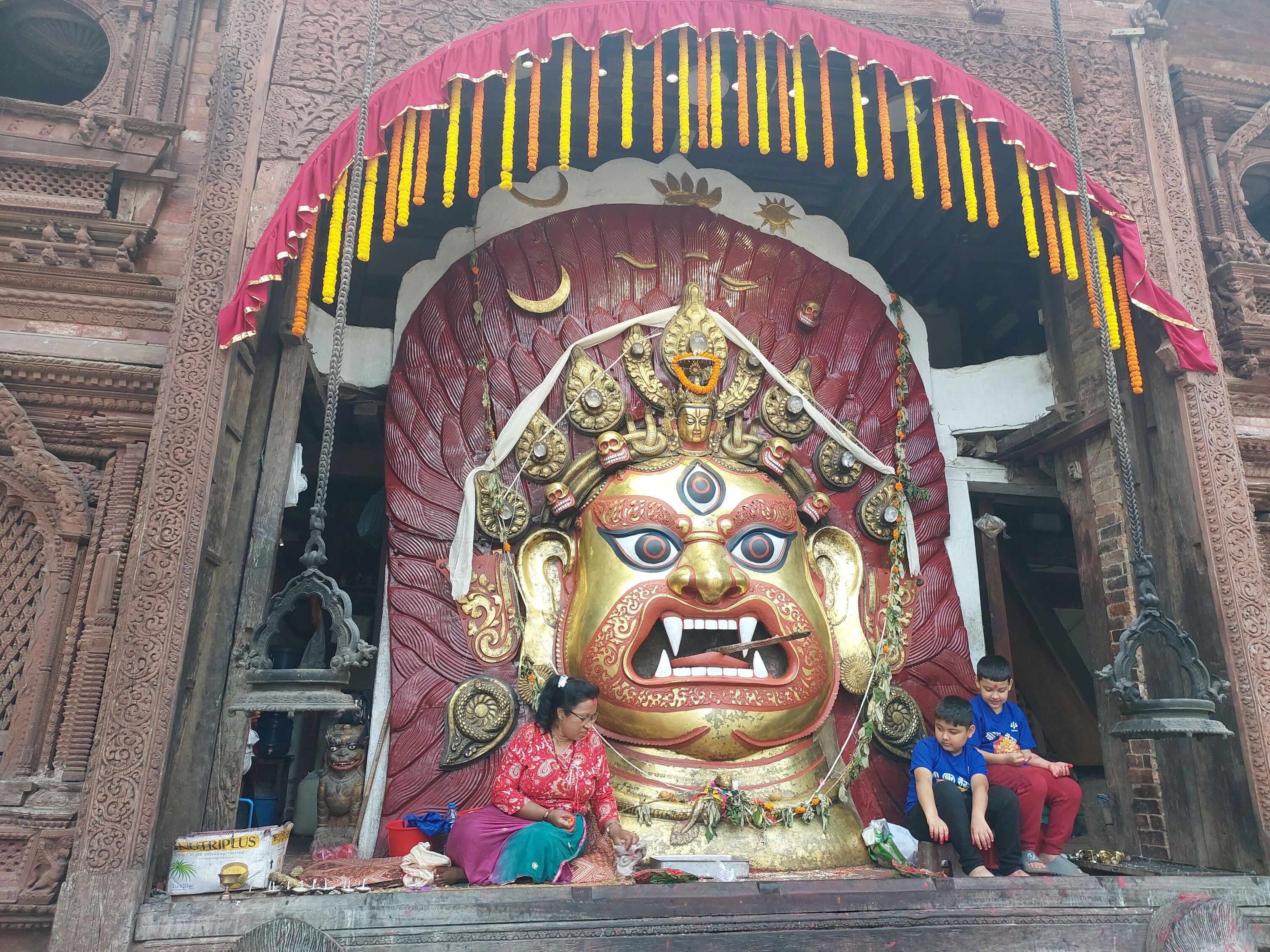
Tibetan Buddhist traditions have strongly influenced many communities in Nepal’s northern mountain regions. Monasteries, prayer wheels, mani walls, chortens, prayer flags, and religious ceremonies remain visible features of many high-altitude trekking routes.
Upper Mustang is particularly well known for its Buddhist heritage, with monasteries and religious sites forming an important part of the cultural landscape. Dolpo also preserves distinctive Buddhist traditions, including ancient monasteries and sacred pilgrimage landscapes. These traditions are not simply historical remnants but remain connected with community life and religious practice.
Visitors should therefore treat monasteries and sacred places as living religious institutions rather than ordinary tourist attractions. Following local guidance, dressing respectfully, asking permission before photography, and avoiding disruption during religious activities are important parts of responsible Himalayan travel.
High Mountain Passes and the Challenge of the Trek
One of the defining experiences of trekking through Nepal’s high mountain landscapes is crossing the passes that connect remote valleys. A trail may climb gradually through a broad valley before becoming steeper and more exposed as it approaches a pass, with the summit often providing wide views across mountains and valleys on the other side.
The experience can be physically demanding because of high elevation, cold temperatures, strong winds, snow, rocky terrain, and long trekking days. Conditions can also change quickly in the high mountains, making appropriate preparation and a well-designed itinerary particularly important.
The challenge becomes even greater on extended routes through remote western Nepal. The Upper Dolpo High Route journey, for example, combines remote valleys with several high mountain passes and is better suited to experienced trekkers seeking a demanding expedition-style experience.
Why High-Altitude Preparation Matters
Good preparation becomes increasingly important as a trekking route moves into higher terrain. Cardiovascular fitness, endurance, suitable clothing, reliable footwear, and experience with multi-day trekking can all contribute to a more comfortable and enjoyable journey.
Acclimatization is equally important. A responsible itinerary should allow the body sufficient time to adjust to increasing elevation rather than gaining altitude too quickly. Trekkers should also remain aware of changing weather and communicate any concerns to their guide during the journey.
Remote routes require additional preparation because medical facilities, shops, communication services, and transportation options may be limited. This is particularly important when traveling through less-developed areas of Upper Mustang and Dolpo.
Phoksundo Lake and the Wilderness of Dolpo
One of the most memorable natural landscapes in Dolpo is Phoksundo Lake, whose deep blue and turquoise waters contrast dramatically with the surrounding cliffs and rugged mountains. The lake has become one of the most recognizable landmarks of western Nepal and is an important destination on several trekking routes through Dolpo.
Phoksundo Lake lies within Shey Phoksundo National Park, a vast protected area containing forests, alpine meadows, high valleys, waterfalls, and remote mountain terrain. The journey toward the lake provides a striking transition from lower Himalayan environments into the increasingly rugged landscapes of Dolpo.
For trekkers continuing deeper into the region, the wilderness becomes even more pronounced. High passes, dry valleys, traditional settlements, ancient monasteries, and isolated trails create an experience very different from trekking on Nepal’s more developed routes. The Shey Phoksundo National Park Guide provides further information about the protected landscape, wildlife, natural environment, and trekking opportunities.
Upper Mustang and Dolpo: Two Different Himalayan Experiences
Upper Mustang and Dolpo are sometimes discussed together because both offer remote high-altitude landscapes and strong Tibetan cultural influences, but they should not be treated as identical destinations. Their geography, cultural history, infrastructure, and trekking experiences are distinct.
Upper Mustang is particularly renowned for its dry desert-like valleys, the historic Kingdom of Lo, ancient caves, monasteries, traditional settlements, and the walled city of Lo Manthang. Dolpo is better known for its deeper sense of wilderness, demanding high mountain passes, remote settlements, Phoksundo Lake, and distinctive cultural traditions.
The trekking logistics also differ. The classic Upper Mustang route has comparatively more developed infrastructure, while many Dolpo journeys involve extensive camping and expedition support. Travelers should therefore choose between the two according to their interests, available time, trekking experience, and preferred level of remoteness.
Choosing Between the Two
Travelers interested in history, ancient settlements, dramatic dry landscapes, monasteries, and the cultural heritage of Lo may find Upper Mustang especially appealing. The region offers a fascinating combination of mountain scenery and Tibetan-influenced culture within a relatively defined trekking route.
Those seeking greater remoteness, challenging high-altitude terrain, wilderness, and a more expedition-style experience may be drawn toward Dolpo. The region offers fewer developed services and a stronger sense of isolation, particularly on longer routes into Upper Dolpo.
For travelers interested in experiencing Upper Mustang during its major cultural celebration, the Upper Mustang Tiji Festival Guide provides additional information about the festival, its traditions, and its connection with the cultural heritage of Lo.
When to Trek from the Green Hills to the Trans-Himalayas
The best trekking season depends on the specific region and itinerary. Spring and autumn generally provide favorable conditions across many Himalayan trekking areas, with comfortable trekking temperatures, relatively stable weather, and good mountain visibility.
However, the Trans-Himalayan regions have different seasonal characteristics from many greener trekking areas of Nepal. Upper Mustang and parts of Dolpo lie within the Himalayan rain shadow, allowing certain routes to remain suitable during the summer monsoon when other parts of Nepal experience heavier rainfall.
Winter brings colder temperatures and snow at higher elevations, and some high passes and remote trails may become difficult or inaccessible. Travelers should therefore choose their trekking season according to the exact route rather than assuming that one season is ideal for every Himalayan destination.
Preparing for a Journey Across Nepal’s High Mountains
A trek from Nepal’s green hills into the high Himalayas requires more than physical fitness. The remoteness of many routes means that travelers should consider equipment, permits, insurance, transportation, accommodation, food, acclimatization, and emergency arrangements well before departure.
On established trekking routes, local lodges and other services may make travel relatively straightforward. On remote journeys through Upper Mustang and Dolpo, camping equipment, food supplies, kitchen arrangements, support staff, and additional logistical planning may be necessary.
Equipment and Personal Preparation
Warm layered clothing, waterproof protection, suitable trekking boots, sun protection, gloves, a reliable sleeping bag, and a properly fitted backpack are important for high-altitude trekking. Equipment should be selected according to the season, route, altitude, and whether the journey uses lodge accommodation or camping.
Travel insurance that covers trekking at the intended altitude and emergency evacuation is also an important consideration, particularly for remote routes where access to medical facilities can be difficult. Good preparation allows trekkers to focus on the landscapes, communities, and experiences along the trail rather than avoidable logistical problems.
Responsible Trekking in Remote Himalayan Regions
The more remote the landscape, the more important responsible trekking becomes. Many Himalayan communities depend on fragile natural resources, while mountain ecosystems can recover slowly from environmental damage caused by unmanaged waste, pollution, and careless travel.
Trekkers should minimize waste, avoid polluting water sources, respect wildlife, follow local regulations, and take care not to damage vegetation or cultural sites. Supporting local guides, porters, accommodation providers, and community-based services can also help ensure that tourism contributes positively to people living along the trekking routes.
Cultural respect is equally important. Monasteries, sacred landscapes, and traditional villages are living parts of Himalayan communities rather than simply attractions along a trekking route. Asking permission before photographing people, respecting religious practices, and following local guidance help preserve the character of these places for future generations.
Trekking from Nepal’s Green Hills to the Trans-Himalayas
The journey from Nepal’s green hills to its Trans-Himalayan landscapes reveals how dramatically the country changes across relatively short distances. Forested valleys gradually become alpine terrain, high passes open into dry mountain valleys, and traditional communities continue to live in landscapes shaped by altitude, climate, religion, and geography.
The contrast is particularly striking in Upper Mustang and Dolpo. One offers the dry valleys, historic settlements, monasteries, and cultural landscapes of the former Kingdom of Lo, while the other leads deeper into remote western Nepal through high valleys, demanding passes, isolated communities, and wilderness landscapes.
Together, these journeys demonstrate that trekking in Nepal is not simply about reaching a famous viewpoint or base camp. It is about experiencing the gradual transformation of the landscape, meeting communities along ancient trails, crossing challenging mountain terrain, and discovering the extraordinary variety of Nepal’s Himalayan environment.
Frequently Asked Questions
1. What is the Trans-Himalayan region of Nepal?
The Trans-Himalayan areas of Nepal generally refer to the high, relatively dry landscapes north of the main Himalayan range, particularly where the mountains create rain-shadow conditions. Upper Mustang is one of the best-known examples, while parts of Dolpo also contain similarly dry and rugged high-altitude landscapes.
2. Is Upper Mustang the only Trans-Himalayan trekking destination in Nepal?
No. Upper Mustang is the best-known Trans-Himalayan trekking destination, but other northern and western areas, including parts of Dolpo, also contain dry, high-altitude landscapes with strong Tibetan cultural influences. The character of each region differs according to its geography, history, and local traditions.
3. Can I trek from the green hills directly into Upper Mustang or Dolpo?
The complete journey depends on the selected itinerary. Travelers normally use transportation to reach the starting point of a remote trekking route and then continue on foot through the high mountain landscape. Longer trekking itineraries can connect different Himalayan regions, but they require considerably more time, preparation, and logistical support.
4. Which is more remote, Upper Mustang or Dolpo?
Both regions contain remote areas, but many Dolpo itineraries are more expedition-oriented and have less infrastructure than the classic Upper Mustang route. The actual level of remoteness depends on the specific itinerary, with longer routes through Upper Dolpo generally requiring more camping and logistical support.
5. Do Upper Mustang and Dolpo require special permits?
Yes. Permit requirements depend on the route and the areas visited. Upper Mustang and restricted parts of Dolpo have specific trekking regulations, so travelers should confirm the current requirements and arrange the necessary permits through an authorized trekking agency before departure.
6. Is trekking in these remote regions suitable for beginners?
Some trekking routes in Nepal are suitable for beginners, but demanding journeys through the higher sections of Upper Mustang and especially remote Dolpo routes require stronger fitness, preparation, and, in many cases, previous high-altitude trekking experience. The itinerary should be selected according to the trekker’s experience, physical ability, and available time.
7. Can I experience Tibetan Buddhist culture during these treks?
Yes. Tibetan Buddhist traditions are an important part of the cultural landscape of both Upper Mustang and Dolpo. Monasteries, prayer walls, chortens, festivals, traditional villages, and sacred landscapes provide opportunities to learn about the region’s living cultural heritage while trekking through these remote mountain areas.
Plan Your Himalayan Trek
A journey from Nepal’s green hills to the high Trans-Himalayan landscapes requires thoughtful planning, particularly when traveling to remote destinations such as Upper Mustang and Dolpo. Choosing the right route, season, permits, transportation, accommodation, equipment, and level of trekking preparation can make the journey safer, more comfortable, and more rewarding.
For broader information to help organize your journey, explore our Nepal Travel Information Guide for essential information about traveling in Nepal, our Nepal Travel Planning Guide for practical advice on planning your itinerary, and our Nepal Trip Preparation Guide for guidance on documents, packing, clothing, equipment, fitness, and preparation before departure.
Contact Us
Mountain King Treks & Expedition Pvt. Ltd.
WhatsApp / Call: +977-9841566449
Email: info@mountainkingtrek.com
Whether you are considering a trek through Upper Mustang, Dolpo, or another Himalayan region, our team can help you select a suitable itinerary and arrange the necessary permits, transportation, accommodation, experienced guides, camping support, and other logistics.
Plan Your Trip
Share your preferred travel dates, group size, trekking experience, and the type of Himalayan journey you have in mind. Our team will help you plan a well-organized trek suited to your available time, interests, and experience.