Why Nepal Stands Out for Trekking and Hiking
For adventure lovers and outdoor enthusiasts, choosing the best country for trekking and hiking can be a difficult decision. From the snow-capped Himalayas of Nepal to the Andes of Peru, the Alps of Switzerland, the Southern Alps of New Zealand, and the legendary trails of Patagonia, every destination offers unique landscapes and unforgettable experiences. However, when it comes to spectacular mountain scenery, diverse trekking routes, rich cultural encounters, established trekking infrastructure, and a wide range of adventures, Nepal stands among the world's leading trekking destinations.
Whether you are looking for short scenic hikes, classic teahouse adventures, challenging high-altitude treks, remote Himalayan journeys, or mountain climbing, Trekking in Nepal offers an exceptional variety of experiences for different levels of travelers. Beyond the mountains, visitors can discover Nepal's rich history, culture, wildlife, and heritage through Tours in Nepal, while experienced climbers can explore Himalayan peaks through Climbing in Nepal.
With more than 35 years of experience, Mountain King Treks & Expedition Pvt. Ltd. helps travelers from around the world explore the Himalayas through professionally organized trekking, tours, peak climbing, expeditions, and tailor-made journeys.
So, which country is best for trekking and hiking? The answer depends on the type of landscape, culture, difficulty, climate, and experience you are seeking. Let's compare some of the world's most famous trekking destinations and see why Nepal remains such a popular choice.
The World's Best Countries for Trekking and Hiking
There are many remarkable trekking destinations around the world, each offering distinctive landscapes, climates, cultures, and outdoor experiences. Some are known for high mountains and remote wilderness, while others are famous for alpine scenery, ancient trails, wildlife, or well-maintained hiking networks.
Among the most popular trekking destinations are Nepal, Peru, Switzerland, New Zealand, Pakistan, Tanzania, Bhutan, India, Chile, Argentina, the United States, Canada, Norway, Iceland, and Japan. Each offers exceptional hiking opportunities, but they differ considerably in mountain scenery, accessibility, cultural experiences, infrastructure, biodiversity, seasonality, and overall travel style.
For travelers seeking a combination of dramatic mountains, cultural diversity, varied trekking routes, and Himalayan adventure, Nepal remains one of the world's strongest choices.
Nepal – A World-Class Trekking Destination
Nepal is at the heart of the Himalayas and is home to eight of the world's fourteen mountains above 8,000 meters, including Mount Everest. Its mountain regions combine towering peaks, glaciers, alpine lakes, forests, traditional villages, monasteries, suspension bridges, and diverse wildlife.
One of Nepal's greatest advantages is the variety of trekking experiences available. Travelers can choose from relatively short and accessible village walks to classic teahouse treks, remote wilderness routes, high-altitude pass crossings, and demanding Himalayan expeditions.
The country's major trekking regions include Everest, Annapurna, Langtang, Manaslu, Upper Mustang, Kanchenjunga, Makalu, Dolpo, Dhaulagiri, Rara Lake, Mardi Himal, Helambu, Ganesh Himal, Rolwaling, and Tsum Valley, along with many lesser-known trails.
Nepal also offers a strong combination of local hospitality, established trekking infrastructure, experienced mountain guides, cultural diversity, and opportunities to combine trekking with sightseeing, wildlife, adventure activities, and other travel experiences.
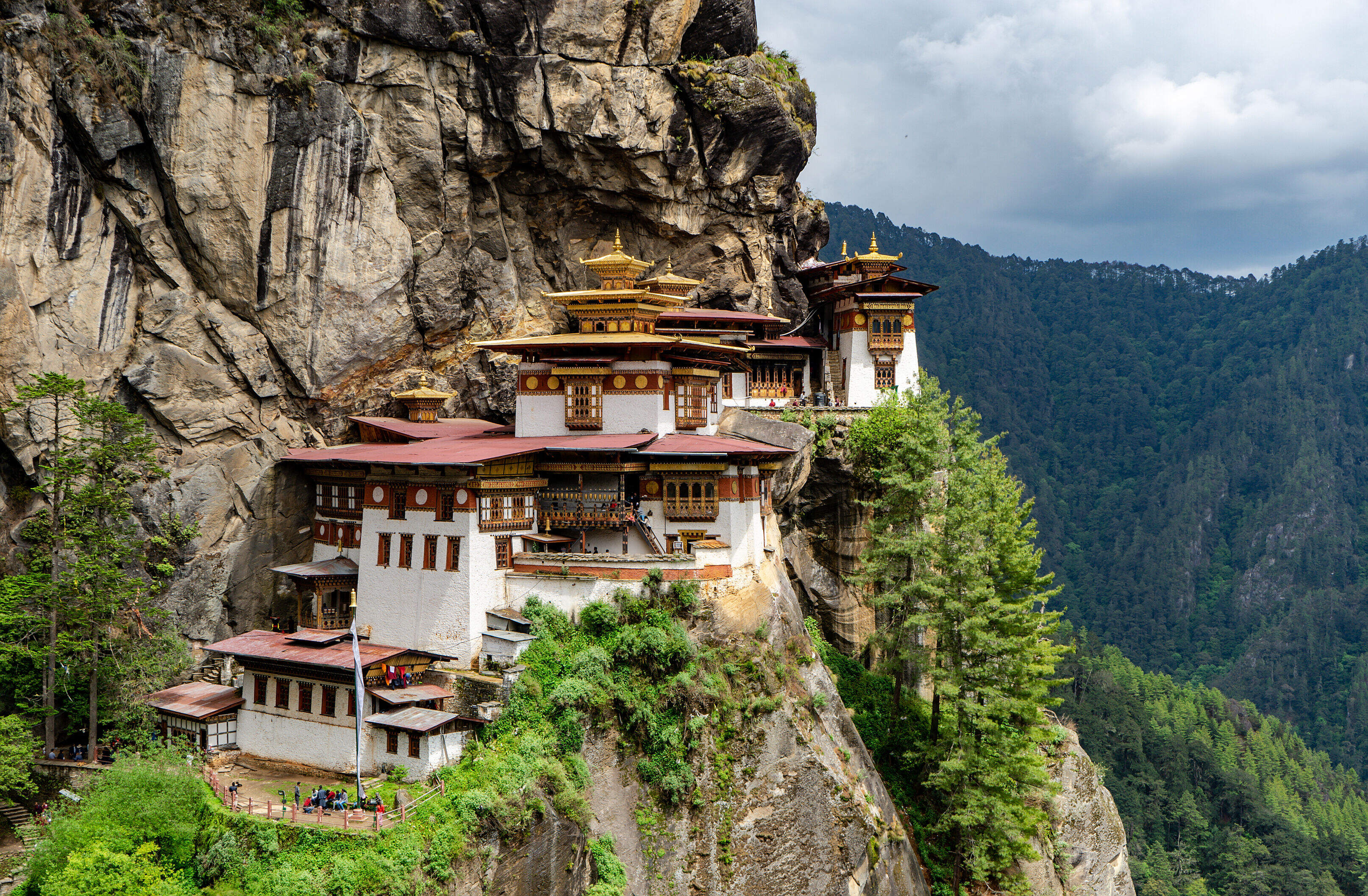
Bhutan – Pristine Himalayan Wilderness
Bhutan offers peaceful Himalayan landscapes, ancient Buddhist monasteries, remote mountain villages, and a distinctive trekking experience. Routes such as the Snowman Trek and Jomolhari Trek are particularly attractive to experienced trekkers seeking remote mountain scenery and cultural experiences.
Bhutan's emphasis on sustainable tourism helps protect its natural and cultural heritage. However, trekking and travel costs are generally higher than in Nepal, making Nepal a more accessible option for many independent and organized adventure travelers.
Indian Himalayas – Vast and Diverse Mountain Adventures
The Indian Himalayas stretch across several regions, including Ladakh, Himachal Pradesh, Uttarakhand, Sikkim, and Kashmir, offering an enormous variety of trekking landscapes.
Trekkers can explore alpine meadows, sacred lakes, glaciers, forests, remote villages, and high mountain passes while experiencing distinct regional cultures and traditions. India is therefore one of Asia's major trekking destinations, particularly for travelers looking for variety and less concentrated mountain tourism.
Pakistan – The Land of the Karakoram
Pakistan is renowned for the dramatic Karakoram Range, including K2, Broad Peak, and some of the world's most spectacular high-altitude mountain landscapes. Treks such as the K2 Base Camp Trek and Baltoro Glacier Trek appeal to experienced adventurers seeking remote wilderness and extraordinary mountain scenery.
The region is particularly attractive to trekkers who want a rugged and less developed Himalayan experience.
The Alps – Europe's Premier Hiking Destination
The Alps stretch across countries including Switzerland, France, Italy, Austria, Germany, and Slovenia, creating one of the world's most extensive and accessible mountain-hiking environments.
Scenic villages, mountain huts, alpine lakes, glaciers, and well-maintained trails make the Alps especially appealing to hikers who value excellent infrastructure and a combination of nature and European mountain culture. Famous routes include the Tour du Mont Blanc and various Alta Via trails.
Peru – Home of the Ancient Inca Trails
Peru is famous for the Inca Trail to Machu Picchu, one of the world's most recognizable trekking routes. The country also offers spectacular journeys such as the Salkantay Trek and routes through the Cordillera Blanca.
Peruvian trekking combines dramatic Andean scenery with archaeological sites, ancient cultures, cloud forests, and fascinating historical landscapes, making it an excellent choice for travelers who want both hiking and cultural exploration.
Patagonia – Untamed Wilderness at the End of the World
Shared by Chile and Argentina, Patagonia is known for rugged mountains, turquoise lakes, glaciers, vast wilderness, and dramatic weather.
Iconic routes in Torres del Paine and Los Glaciares National Park attract trekkers from around the world. Patagonia is particularly suited to travelers seeking spectacular wilderness landscapes and challenging multi-day hiking experiences.
New Zealand – Adventure in Every Direction
New Zealand offers a remarkable variety of hiking landscapes, including snow-capped mountains, volcanic terrain, rainforests, glaciers, lakes, and dramatic coastlines.
The country's famous Great Walks, including the Milford Track and Routeburn Track, are internationally recognized for their scenery and well-managed trails. New Zealand is an excellent choice for travelers who prefer organized hiking infrastructure and diverse natural environments.
Western USA and Canada – Spectacular Wilderness Trails
The western United States and Canada offer extensive mountain and wilderness landscapes, from the Canadian Rockies to the Sierra Nevada and Pacific mountain ranges.
Popular hiking destinations include Banff National Park, Jasper National Park, Yosemite National Park, and long-distance trails such as the Pacific Crest Trail and John Muir Trail. These destinations provide excellent opportunities for wilderness hiking, alpine scenery, forests, lakes, and wildlife viewing.
Norway – Land of Fjords and Arctic Mountains
Norway is famous for dramatic fjords, rugged coastlines, towering cliffs, and scenic mountain trails. Popular hikes such as Trolltunga and Preikestolen, along with trails in the Lofoten Islands, showcase the country's distinctive northern landscapes.
Norway is particularly attractive during the summer hiking season when long daylight hours allow travelers to spend more time exploring the mountains.
Iceland – A Land of Fire and Ice
Iceland provides a unique combination of volcanic landscapes, glaciers, geothermal areas, waterfalls, black-sand deserts, and rugged mountain scenery.
The Laugavegur Trek is one of the country's best-known multi-day hiking routes and demonstrates why Iceland is so appealing to travelers looking for landscapes that feel completely different from traditional alpine environments.
Japan – Mountains, Culture, and Pilgrimage Trails
Japan combines mountain scenery with centuries of cultural and spiritual heritage. The Japanese Alps, Mount Fuji, Daisetsuzan National Park, and historic Kumano Kodo pilgrimage routes offer experiences ranging from mountain hiking and alpine adventures to cultural and spiritual journeys.
Japan is an excellent choice for travelers who want to combine hiking with food, history, traditional culture, and modern city experiences.
What Makes Nepal Different?
Nepal's greatest strength is the extraordinary variety of experiences available within one relatively compact Himalayan country. A traveler can experience dramatic high mountains, subtropical forests, alpine valleys, traditional villages, Buddhist monasteries, sacred pilgrimage sites, and diverse wildlife during the same overall journey.
Trekking in Nepal is also closely connected with local communities. Trails pass through villages where travelers can experience traditional lifestyles, local food, mountain hospitality, religious traditions, and distinctive ethnic cultures.
The range of available routes is another major advantage. From short hikes around Kathmandu and Pokhara to multi-week journeys in remote mountain regions, Nepal offers options for beginners, families, experienced trekkers, photographers, nature lovers, and serious high-altitude adventurers.
Best Trekking Regions in Nepal
Nepal offers an extraordinary variety of trekking regions, from world-famous Himalayan trails to remote valleys and little-explored mountain landscapes. Each region has its own combination of scenery, culture, altitude, trekking difficulty, and overall character, giving trekkers many ways to experience the Himalayas.
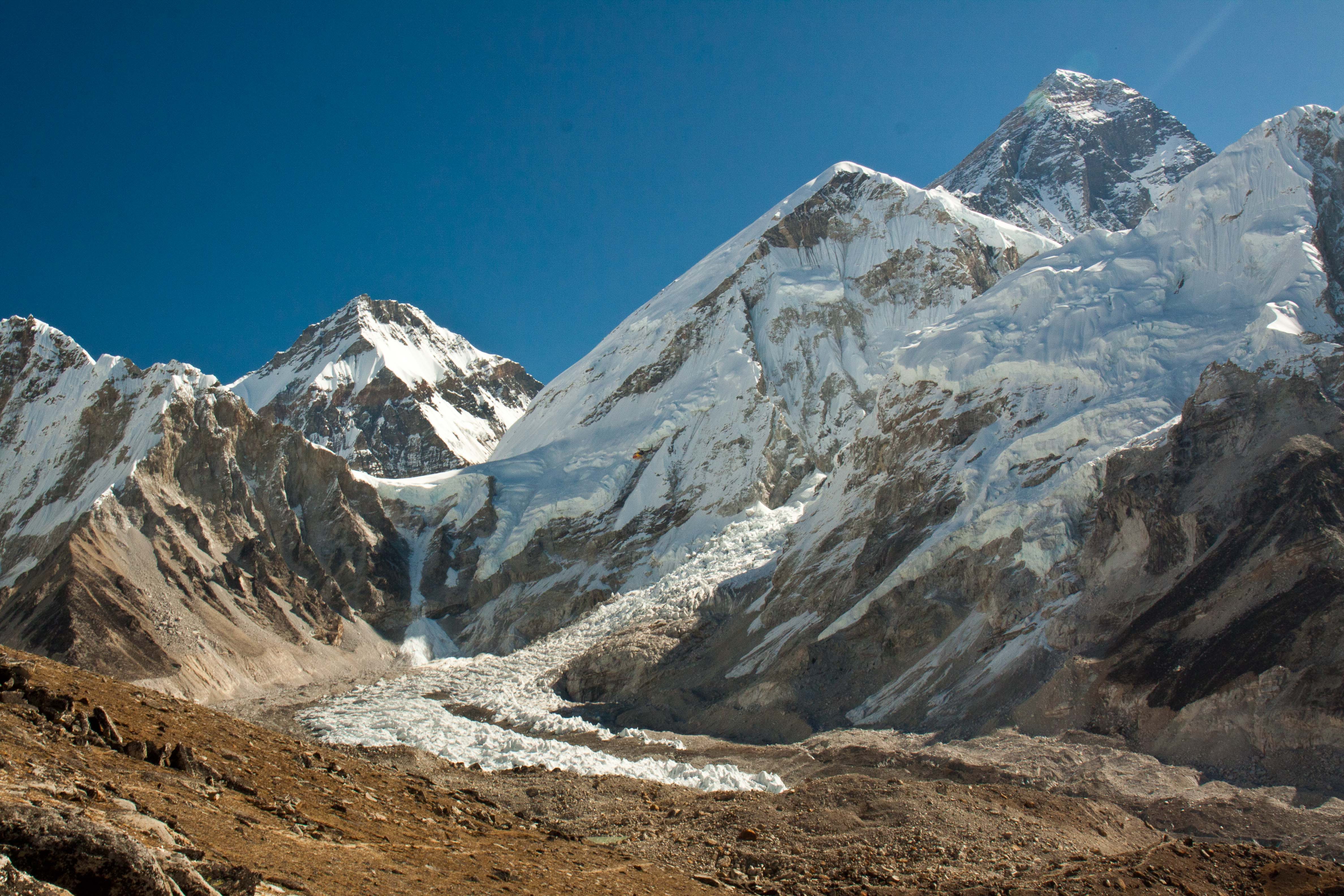
Everest Region Trekking
The Everest region is Nepal’s most iconic trekking destination and home to Mount Everest (8,848.86 m), the world’s highest mountain. The trails lead through famous Sherpa settlements such as Namche Bazaar, Tengboche, and Dingboche, with outstanding views of Everest, Lhotse, Ama Dablam, and other Himalayan peaks.
Beyond its spectacular mountain scenery, the region offers a remarkable combination of Sherpa culture, Buddhist monasteries, historic trekking trails, and a deep connection with Himalayan mountaineering.
Annapurna Region Trekking
The Annapurna region is one of Nepal’s most diverse trekking destinations, ranging from subtropical valleys and terraced farmland to alpine meadows, high mountain passes, and dramatic Himalayan landscapes. The trails provide views of the Annapurna, Dhaulagiri, Machapuchare, and Manaslu ranges.
With well-established trekking routes, varied landscapes, and opportunities to experience Gurung, Magar, Thakali, and other local cultures, Annapurna offers a wide choice of journeys for both first-time and experienced trekkers.
Langtang Region Trekking
Located relatively close to Kathmandu, the Langtang region combines accessible trekking with beautiful Himalayan scenery and rich cultural experiences. Its trails pass through forests, traditional villages, glacier-carved valleys, alpine landscapes, and sacred mountain lakes.
Langtang is particularly appealing to trekkers who want a quieter Himalayan experience without travelling deep into Nepal’s more remote mountain regions.
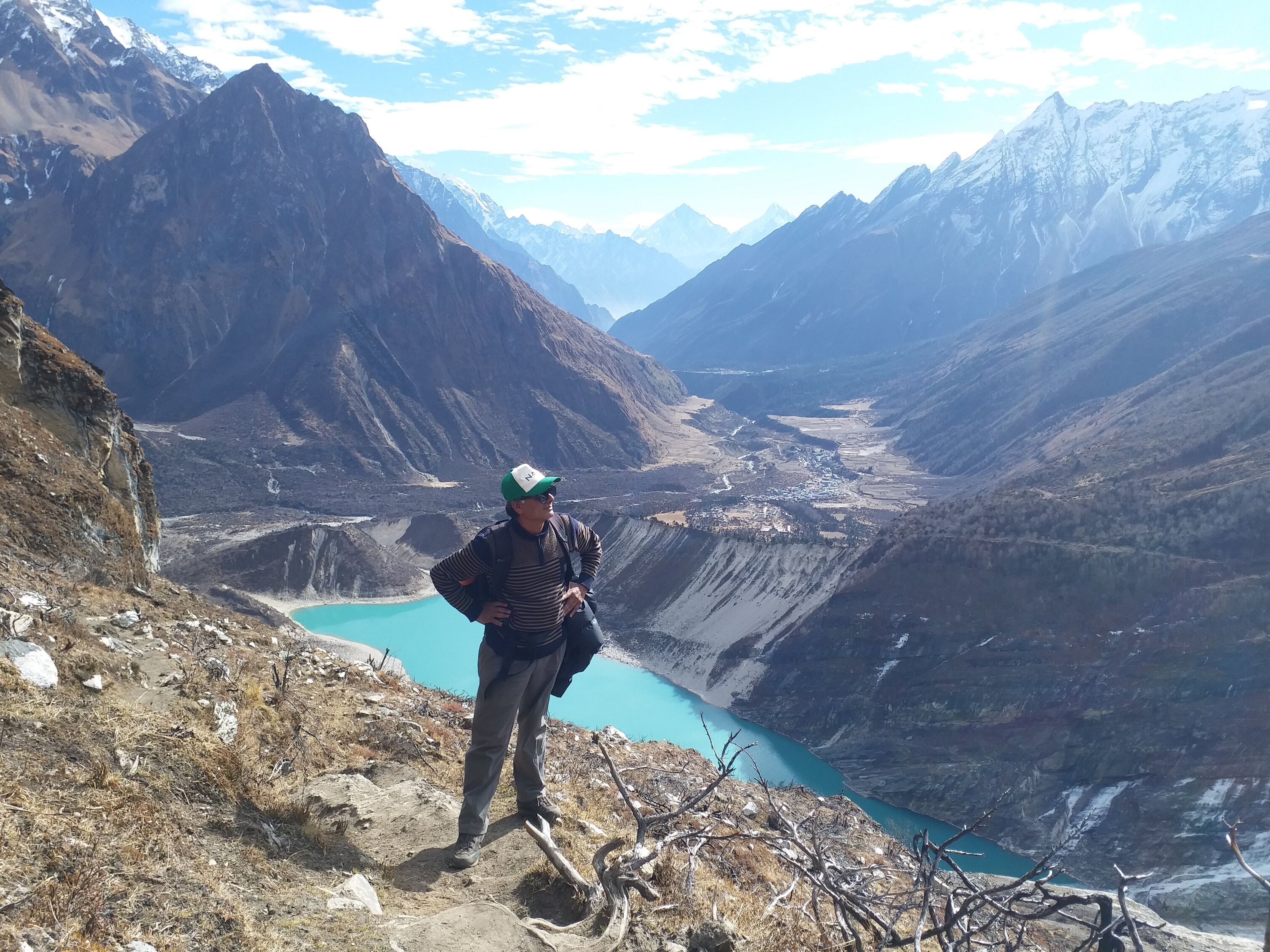
Manaslu Region Trekking
The Manaslu region offers a remote and culturally rich journey around Mount Manaslu (8,163 m), the world’s eighth-highest mountain. The route follows dramatic river valleys and mountain trails through traditional villages, Buddhist monasteries, suspension bridges, and high Himalayan landscapes.
The combination of wilderness, Tibetan-influenced culture, and challenging high-altitude terrain makes Manaslu an excellent choice for trekkers looking for a more adventurous alternative to Nepal’s busiest routes.
Upper Mustang Region Trekking
Upper Mustang is one of Nepal’s most distinctive trekking destinations, situated in the rain shadow of the Annapurna and Dhaulagiri ranges. Its dry, desert-like landscapes contrast sharply with the greener valleys of central Nepal, while ancient villages, monasteries, caves, and Tibetan-influenced traditions reveal the region’s unique cultural heritage.
Often described as the “Last Forbidden Kingdom,” Upper Mustang is especially attractive to travellers interested in Himalayan landscapes, history, and living Tibetan culture.
Kanchenjunga Region Trekking
The Kanchenjunga region in eastern Nepal surrounds Mount Kanchenjunga (8,586 m), the world’s third-highest mountain. Its remote trails lead through diverse forests, traditional mountain settlements, high valleys, and spectacular Himalayan terrain.
The region is known for its biodiversity and wilderness character and is best suited to trekkers seeking a longer, less-developed, and more remote Himalayan adventure.
Kathmandu Valley Short Treks
The hills surrounding Kathmandu provide convenient short trekking and hiking opportunities for travellers with limited time. Routes combine mountain views with forests, traditional villages, cultural heritage, and viewpoints without requiring a long journey into the high Himalayas.
These shorter adventures are particularly suitable for beginners, families, and travellers who want to experience trekking in Nepal as part of a broader Nepal journey.
Ganesh Himal Region Trekking
Located between the Langtang and Manaslu regions, Ganesh Himal offers peaceful trails through traditional villages, forests, terraced hillsides, and mountain landscapes. The region sees fewer trekkers than Nepal’s major trekking areas, providing a more intimate experience of rural Himalayan life.
It is a good choice for travellers seeking quieter trails, cultural immersion, and an off-the-beaten-path trekking experience.
Makalu Barun Region Trekking
The Makalu Barun region is one of Nepal’s most challenging and remote trekking destinations. The trails pass through deep valleys, dense forests, high mountain terrain, and dramatic landscapes beneath Mount Makalu (8,485 m), the world’s fifth-highest mountain.
Its demanding terrain and remote setting make Makalu Barun particularly suitable for experienced trekkers looking for a true wilderness adventure.
Dolpo Region Trekking
Dolpo is among Nepal’s most isolated Himalayan regions, known for vast wilderness, high mountain passes, remote villages, and ancient cultural traditions. The landscape ranges from deep valleys and alpine terrain to the striking turquoise waters of Phoksundo Lake.
With its remoteness and distinctive Bon and Tibetan-influenced heritage, Dolpo offers a profound sense of exploration for trekkers seeking experiences far beyond Nepal’s established trekking routes.
Dhaulagiri Region Trekking
The Dhaulagiri region provides some of Nepal’s most demanding high-altitude trekking, centred on Mount Dhaulagiri (8,167 m), the world’s seventh-highest mountain. The routes cross remote valleys, glaciers, high passes, and rugged Himalayan terrain.
This is a destination for experienced trekkers who are prepared for challenging conditions and want to experience one of Nepal’s most dramatic mountain environments.
Rolwaling Region Trekking
The Rolwaling Valley is a secluded Himalayan valley lying between the Everest and Langtang regions. Its trails lead through peaceful villages, forests, alpine landscapes, and remote mountain terrain, with fewer trekkers than many of Nepal’s better-known routes.
Rolwaling is well suited to adventurous travellers seeking solitude, dramatic scenery, and a deeper connection with Nepal’s less-visited Himalayan landscapes.
Far West Nepal Region Trekking
Far West Nepal remains one of the country’s least-explored trekking areas, offering remote mountain landscapes, traditional communities, historic trails, and a strong sense of wilderness. The wider region includes destinations such as Api Himal, Saipal Himal, Khaptad National Park, Rara Lake, Humla, Bajhang, and Darchula.
For trekkers willing to travel beyond Nepal’s established trekking corridors, the Far West offers opportunities to experience remote Himalayan cultures, dramatic landscapes, and some of the country’s most authentic off-the-beaten-path adventures.
Great Himalayan Trail (GHT) Nepal
The Great Himalayan Trail (GHT) is a long-distance trekking network crossing Nepal from east to west through a series of high mountain landscapes, remote valleys, and established trekking regions. Rather than following a single trail, the GHT links different Himalayan areas into an extended journey across the country.
For experienced trekkers, the GHT provides an opportunity to combine remote wilderness, high passes, diverse cultures, and some of Nepal’s most challenging mountain terrain in one extraordinary Himalayan adventure.
Trekking for Every Experience Level
One of Nepal's greatest strengths is the variety of trekking routes available for different levels of experience and fitness.
Beginners can choose shorter and lower-altitude journeys, while experienced trekkers can take on longer routes, high mountain passes, remote valleys, and demanding Himalayan expeditions. Families, couples, solo travelers, photographers, nature lovers, and experienced mountaineers can all find suitable adventures.
Choosing the right trek should depend on fitness, trekking experience, available time, season, budget, altitude, and personal interests rather than simply choosing the most famous route.
More Than Trekking
Although trekking is one of Nepal's best-known attractions, the country offers many other ways to experience its landscapes and culture.
Travelers can combine trekking with cultural sightseeing, peak climbing, mountaineering expeditions, jungle safaris, helicopter tours, mountain flights, rafting, paragliding, mountain biking, birdwatching, photography, yoga retreats, and spiritual journeys.
This variety makes it possible to create a Nepal holiday that combines adventure with culture, wildlife, relaxation, and local experiences.
Best Time for Trekking and Hiking in Nepal
Nepal offers trekking opportunities throughout the year, but the best season depends on the region, altitude, and type of journey.
Spring, from March to May, brings warmer temperatures, blooming rhododendrons, and generally favorable conditions in many trekking regions.
Autumn, from September to November, is traditionally one of the most popular trekking periods, with generally stable weather and excellent mountain visibility following the monsoon.
Winter can be suitable for lower-altitude treks and cultural journeys, although high mountain routes may experience snow and very cold conditions.
Monsoon, from June to August, brings rain to much of Nepal, but rain-shadow regions such as Upper Mustang and parts of Dolpo can offer alternative trekking opportunities during this period.
The best time therefore depends not only on the calendar but also on the specific route you want to explore.
Trek Responsibly
Responsible trekking is essential for protecting Nepal's natural and cultural heritage. Travelers should respect local customs, religious sites, wildlife, and communities while minimizing waste and avoiding unnecessary single-use plastics.
Using established trails, disposing of rubbish properly, conserving water and energy, and choosing locally operated accommodation, guides, porters, and services can help ensure that tourism benefits mountain communities.
Responsible travel helps protect the Himalayas while preserving the cultural and environmental character that makes trekking in Nepal so special.
Why Choose Nepal for Your Next Trek?
Every major trekking destination offers something unique, but Nepal brings together many of the qualities travelers seek in one Himalayan adventure destination. Its combination of spectacular mountains, diverse landscapes, cultural richness, established trekking routes, experienced local guides, and opportunities for different levels of adventure makes it an exceptional choice for trekking and hiking.
Whether you dream of reaching Everest Base Camp, crossing a high mountain pass, exploring a remote Himalayan valley, discovering traditional mountain communities, or enjoying a shorter scenic trek, Nepal offers journeys that can be adapted to different interests, abilities, and travel schedules.
Frequently Asked Questions
1. Which country is best for trekking and hiking?
There is no single best country for every traveler. Nepal is one of the world's leading trekking destinations because it combines spectacular Himalayan scenery, diverse trekking routes, rich cultural experiences, established mountain infrastructure, and options for different levels of experience.
2. Is Nepal better for trekking than Peru or Switzerland?
Nepal, Peru, and Switzerland each offer distinctive trekking experiences. Nepal is particularly strong for high-altitude Himalayan trekking and cultural mountain journeys, while Peru is famous for its Inca heritage and Andes landscapes, and Switzerland is renowned for accessible alpine hiking and excellent infrastructure.
3. What is the best region for trekking in Nepal?
The best region depends on your interests and experience. Everest is ideal for iconic Himalayan scenery and Sherpa culture, Annapurna offers exceptional landscape diversity, Langtang is accessible from Kathmandu, while Manaslu, Upper Mustang, Dolpo, Kanchenjunga, and other regions provide more remote and specialized experiences.
4. Is trekking in Nepal suitable for beginners?
Yes. Nepal has many trekking routes suitable for beginners and reasonably fit first-time trekkers. Shorter and lower-altitude routes can provide an excellent introduction to the Himalayas, while more demanding high-altitude treks require greater preparation, fitness, and experience.
5. When is the best time to trek in Nepal?
Spring and autumn are generally the most popular trekking seasons, with favorable conditions on many major routes. However, the best season depends on the specific destination. Some lower-altitude routes can be enjoyed in winter, while rain-shadow regions such as Upper Mustang and parts of Dolpo can be suitable during the monsoon.
Plan Your Adventure in Nepal
Nepal offers far more than a single famous trekking route. From the world's highest mountains and remote Himalayan valleys to traditional villages, sacred sites, wildlife areas, rivers, forests, and diverse cultural landscapes, the country provides countless opportunities for adventure travelers.
Whether you are interested in a classic Himalayan trek, a remote mountain journey, peak climbing, a mountaineering expedition, cultural exploration, wildlife, or a customized combination of experiences, Mountain King Treks & Expedition Pvt. Ltd. can help design a journey around your available time, interests, experience, fitness, budget, and preferred level of adventure.
For practical information about destinations, seasons, transportation, permits, accommodation, and other essential travel considerations, explore our Nepal Travel Information Guide, Nepal Travel Planning Guide, and Nepal Trip Preparation Guide.
Contact Us
If you are planning an adventure in Nepal, please contact Mountain King Treks & Expedition Pvt. Ltd. Our experienced local team can help you choose suitable destinations, develop your itinerary, and arrange guides, permits, accommodation, transportation, and other travel logistics.
Plan Your Trip
Ready to explore Nepal? Plan Your Trip and start creating a Himalayan journey that matches your interests, experience, and available time.
WhatsApp: +977-9841566449
Email: info@mountainkingtrek.com