Annapurna Region Trekking Costs
The Annapurna Region trekking cost varies depending on the trek you choose, its duration, route, altitude, transportation, accommodation, and personal spending. A short village-based trek generally requires a smaller budget than a longer high-altitude journey involving remote areas, mountain passes, or additional travel arrangements. Annapurna Region Trekking is one of the most popular experiences for travellers interested in Trekking in Nepal.
The Annapurna Region offers one of Nepal’s widest selections of trekking experiences. From the classic Annapurna Base Camp and Annapurna Circuit to shorter scenic treks, peaceful community trails, remote valleys, and challenging high-altitude routes, there are options for different budgets, fitness levels, available time, and travel preferences. The overall cost can also vary depending on the style of trek and the level of comfort and services you choose.
Rather than considering one fixed regional price, it is more useful to understand the main expenses that contribute to the total cost of an Annapurna trek. The length and difficulty of your route, the services included in your trek, and your personal spending can all influence the final budget.
This guide explains the main costs involved in trekking in the Annapurna Region and how expenses can differ between shorter, longer, and more challenging journeys. It will help you estimate a realistic budget and choose an itinerary that suits your time, interests, trekking experience, and preferred level of comfort.
For general information about travelling in Nepal, including practical arrangements and useful information for planning your journey, see our Nepal Travel Information Guide.
What Is Included in the Cost of an Annapurna Trek?
The price of an organized Annapurna trek normally depends on the services included in the itinerary. A package may include accommodation, meals, transportation, permits, guide services, porter services, and other arrangements required for the particular route.
Shorter and more accessible treks can have fewer logistical requirements, while longer or more remote journeys may involve additional transportation, permits, accommodation arrangements, or support staff.
When comparing trekking prices, it is important to look beyond the headline price and check exactly what is included and excluded. Two itineraries with similar durations can have different prices because of their route, transportation arrangements, accommodation standard, group size, and services provided.
Main Costs of Trekking in the Annapurna Region
Several main expenses make up the overall cost of an Annapurna trek. The amount you spend depends on the route, trek duration, altitude, level of comfort, transportation, and services included in your itinerary. Understanding these costs in advance makes it easier to prepare a realistic trekking budget.
Permits and Conservation Fees
Depending on the route, trekkers may need applicable trekking permits, conservation-area fees, or other entry permits. Most established Annapurna routes have standard permit requirements, while some remote or restricted areas may require additional permits and special arrangements.
Permit requirements can therefore vary between popular routes such as Annapurna Base Camp and more remote journeys such as Nar Phu Valley or high-altitude pass treks. These fees are normally arranged as part of an organized trekking package, depending on the itinerary.
Transportation
Transportation is an important part of the Annapurna trekking budget because routes use different trailheads and return points. Depending on the itinerary, you may travel by tourist bus, private or local vehicle, or domestic flight, with distance, road conditions, and accessibility affecting the total cost.
Common arrangements include Kathmandu–Pokhara, Kathmandu–Besisahar, Kathmandu–Beni/Galeshwor, and Dharapani–Chame. Routes toward Mustang may use Pokhara–Kagbeni, Muktinath, or Jomsom, including Pokhara–Jomsom flights where applicable. Shorter treks may require transfers to Nayapul, Banthanti, Ghandruk, Jhinu Danda, Kande, or Deurali, depending on the route.
Because transportation varies between treks, always check what is included in your chosen itinerary. Private vehicles offer greater flexibility, while shared or local transport can be more economical.
Accommodation
Accommodation costs depend on the trekking route, duration, and type of accommodation available along the trail.
Most popular Annapurna trekking routes use local tea houses or lodges, where trekkers stay in simple rooms and take meals at the lodge. Facilities are generally more basic at higher and more remote elevations, while popular villages may offer a wider choice of accommodation.
The cost can also vary depending on whether you choose a standard trekking package or prefer more comfortable accommodation where it is available.
Food and Drinks
Meals are generally available at tea houses and lodges along established Annapurna routes. Breakfast, lunch, and dinner are normally arranged along the trail, making food a regular part of the daily trekking budget.
Food and drinks can become more expensive at higher elevations because supplies have to be transported from lower areas. Personal spending on bottled water, hot drinks, snacks, energy foods, and other refreshments should also be considered when estimating your daily expenses.
Guide and Porter Services
A professional trekking guide is an important part of many organized Annapurna treks. A guide provides route knowledge, local experience, logistical support, and assistance with accommodation and other arrangements during the journey.
Porters can also be arranged if you prefer to trek without carrying your main luggage. The need for porter support depends on the itinerary, group size, personal preference, and the amount of equipment you carry.
For longer, remote, or more challenging routes, experienced guide and porter support can be particularly valuable and may represent a larger part of the overall trekking cost.
Personal Expenses
Personal expenses vary considerably between trekkers and are usually separate from the main trekking package. These may include snacks, drinks, charging, internet access, hot showers where available, laundry, tips, souvenirs, and personal equipment.
Travel insurance and any equipment you purchase or rent before or during the trek should also be included in your overall travel budget. It is sensible to carry some additional money for unexpected expenses, particularly on longer or remote routes where access to financial services can be limited.
Accommodation
Accommodation costs depend on the trekking route, duration, and type of accommodation available along the trail.
Most popular Annapurna trekking routes use local tea houses or lodges, where trekkers stay in simple rooms and take meals at the lodge. Facilities are generally more basic at higher and more remote elevations, while popular villages may offer a wider choice of accommodation.
The cost can also vary depending on whether you choose a standard trekking package or prefer more comfortable accommodation where it is available.
Food and Drinks
Meals are generally available at tea houses and lodges along established Annapurna routes. Breakfast, lunch, and dinner are normally arranged along the trail, making food a regular part of the daily trekking budget.
Food and drinks can become more expensive at higher elevations because supplies have to be transported from lower areas. Personal spending on bottled water, hot drinks, snacks, energy foods, and other refreshments should also be considered when estimating your daily expenses.
Guide and Porter Services
A professional trekking guide is an important part of many organized Annapurna treks. A guide provides route knowledge, local experience, logistical support, and assistance with accommodation and other arrangements during the journey.
Porters can also be arranged if you prefer to trek without carrying your main luggage. The need for porter support depends on the itinerary, group size, personal preference, and the amount of equipment you carry.
For longer, remote, or more challenging routes, experienced guide and porter support can be particularly valuable and may represent a larger part of the overall trekking cost.
Personal Expenses
Personal expenses vary considerably between trekkers and are usually separate from the main trekking package. These may include snacks, drinks, charging, internet access, hot showers where available, laundry, tips, souvenirs, and personal equipment.
Travel insurance and any equipment you purchase or rent before or during the trek should also be included in your overall travel budget. It is sensible to carry some additional money for unexpected expenses, particularly on longer or remote routes where access to financial services can be limited.
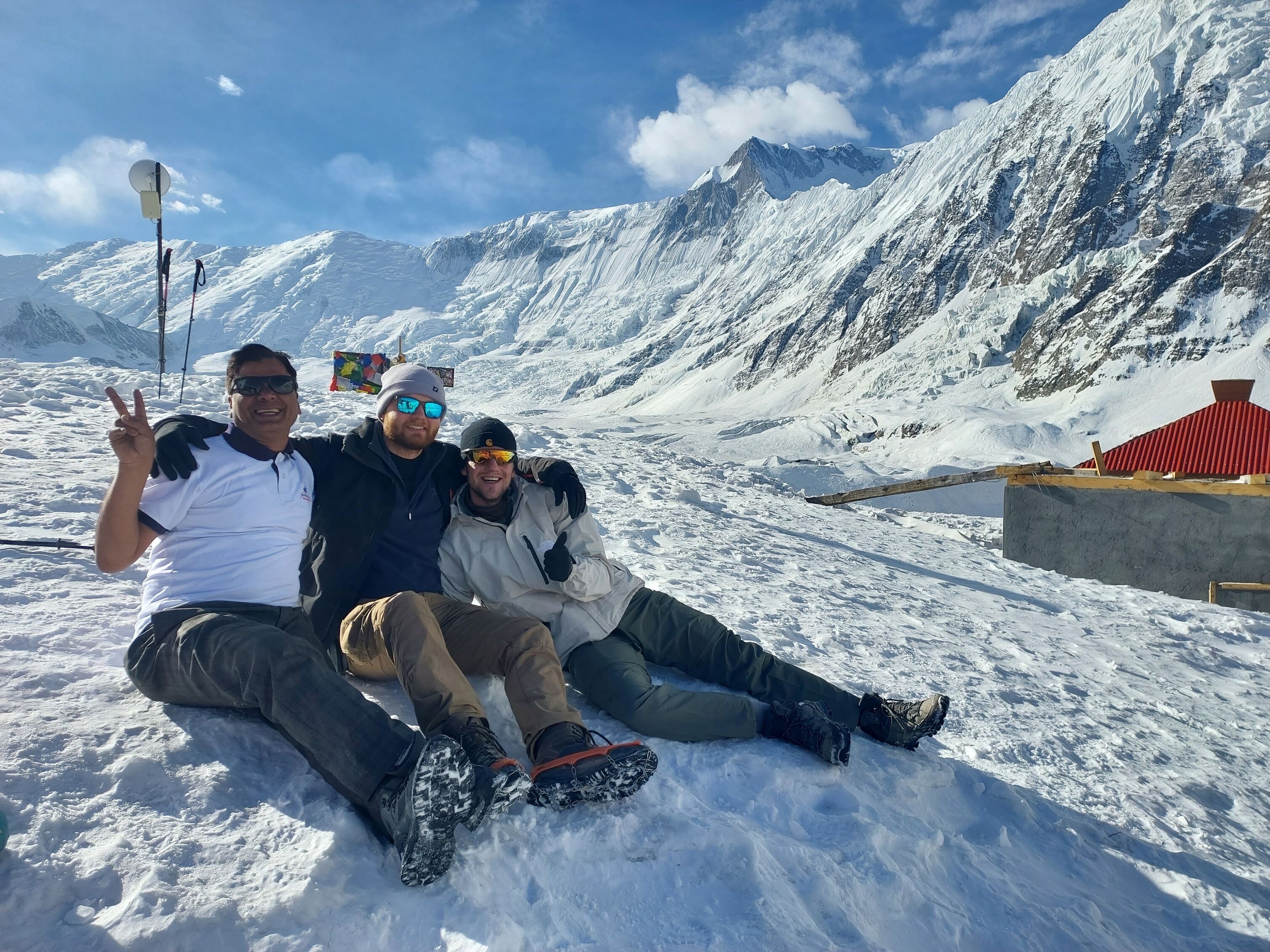
Annapurna Region Trekking Cost by Trek
The Annapurna Region offers a remarkable variety of trekking experiences, from short scenic walks and classic Himalayan journeys to remote valleys and challenging high-altitude adventures. The cost of each trek varies according to its duration, difficulty, altitude, transportation requirements, accommodation, permits, guide and porter services, and the remoteness of the route.
Classic Annapurna Treks
The Annapurna Base Camp Trek takes you into the heart of the Annapurna Sanctuary through traditional villages, beautiful forests, and spectacular Himalayan scenery. For more detailed information about the route, preparation, and trekking experience, see our Annapurna Base Camp Trek Guide.
The Annapurna Circuit Trek is one of Nepal's classic Himalayan adventures, crossing the famous Thorong La Pass while exploring diverse landscapes and cultures. Its longer duration, transportation requirements, and high-altitude sections can make its overall cost different from shorter Annapurna treks. Our Annapurna Circuit Trek Guide provides more detailed information about the route and preparation.
The Mardi Himal Trek follows peaceful forest trails and scenic ridgelines to impressive viewpoints overlooking Machhapuchhre and the Annapurna range. For more information about the route, trekking conditions, and preparation, see our Mardi Himal Trek Guide.
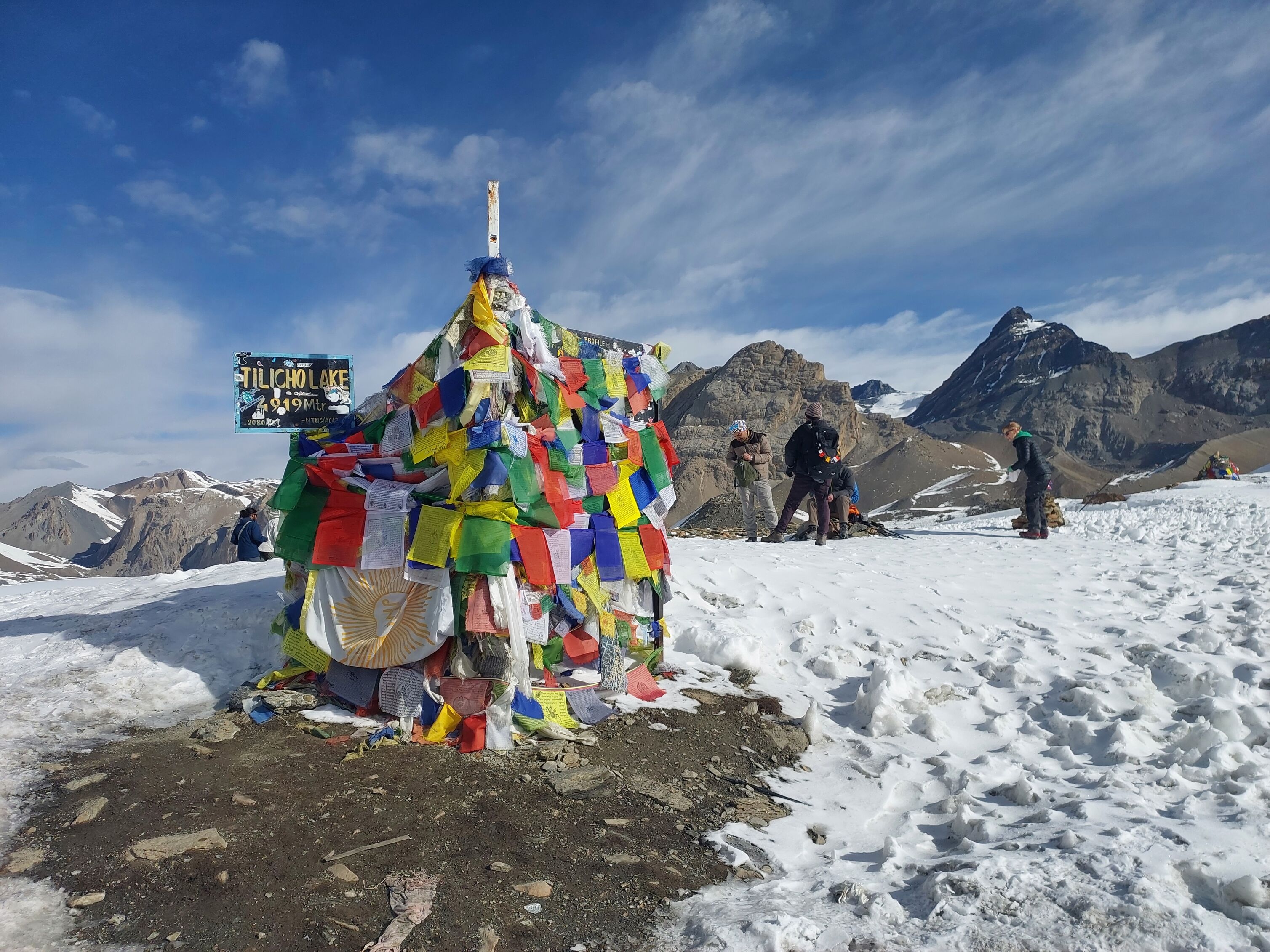
The Annapurna Circuit Trek with Tilicho Lake combines the classic Annapurna Circuit with a visit to the spectacular turquoise waters of Tilicho Lake, adding another high-altitude experience to the journey.
For travelers with limited time, the Annapurna Base Camp Short Trek provides a shorter route into the Annapurna Sanctuary, while the Annapurna Circuit Short Trek focuses on the highlights of the famous circuit within a shorter itinerary.
Short and Scenic Annapurna Treks
The Annapurna Region also offers several shorter trekking experiences for travelers who have limited time but still want beautiful Himalayan scenery and cultural experiences.
The Poon Hill Trek is famous for its spectacular sunrise views, rhododendron forests, traditional Gurung villages, and panoramic Himalayan scenery.
The Khopra Ridge Trek provides a quieter alternative, with peaceful trails, traditional villages, impressive mountain views, and the beautiful Khayer Lake pilgrimage trail.
The Mohare Danda Trek combines community-based tourism with peaceful village trails and wide mountain panoramas. The Panchase Trek offers a gentler journey through forests and traditional villages with views toward the Annapurna, Dhaulagiri, and Manaslu ranges.
The Mulde Hill Trek is another scenic option, known for quiet trails, magnificent sunrise views, and outstanding panoramas across the Annapurna and Dhaulagiri ranges.
These shorter treks may have a lower overall cost than longer circuit or remote high-altitude journeys, although the actual price depends on the itinerary, transportation, accommodation, and services included.
Cultural and Community-Based Treks
Several Annapurna trekking routes provide particularly rewarding opportunities to experience traditional villages, local communities, and rural Himalayan life.
The Kori Danda Trek with Kapuche Lake travels through the traditional Gurung village of Sikles before continuing toward the alpine meadows of Kori Danda and the beautiful Kapuche Lake.
The Royal Trek Nepal follows a historic trail through peaceful villages and scenic ridges, while the Millennium Trek Nepal offers an opportunity to experience authentic rural life, traditional settlements, terraced hillsides, and the peaceful foothills of the Annapurna region.
These treks are particularly suitable for travelers who value cultural experiences, village life, local hospitality, and quieter trails alongside Himalayan scenery.
Remote and Challenging Annapurna Treks
Travelers looking for more demanding and less-traveled Himalayan adventures can consider the Nar Phu Valley Trek and Mesokanto La Pass Trek.
The Nar Phu Valley Trek explores one of Nepal's remote Himalayan valleys, where ancient Tibetan-influenced culture, traditional villages, and dramatic mountain landscapes create a distinctive trekking experience. The Mesokanto La Pass Trek is a demanding high-altitude journey linking the Annapurna and Mustang regions across the spectacular Mesokanto La Pass.
Because these routes are more remote and require greater logistical planning, their trekking costs can be higher than those of shorter and more accessible Annapurna treks. Additional permits, transportation, specialized equipment, accommodation arrangements, and experienced guide and support services may all contribute to the overall cost.
Comparing Annapurna Trekking Costs
When comparing the cost of Annapurna trekking packages, it is important to consider the complete itinerary rather than looking only at the starting price. A shorter trek may require less accommodation and transportation, while a longer or more remote journey may include additional services and logistical arrangements.
Your choice should therefore consider your available time, budget, fitness level, preferred trekking style, and the type of experience you want from the Annapurna Himalayas. With such a wide range of routes available, you can choose from short scenic journeys, classic multi-day treks, cultural experiences, remote adventures, and challenging high-altitude routes.
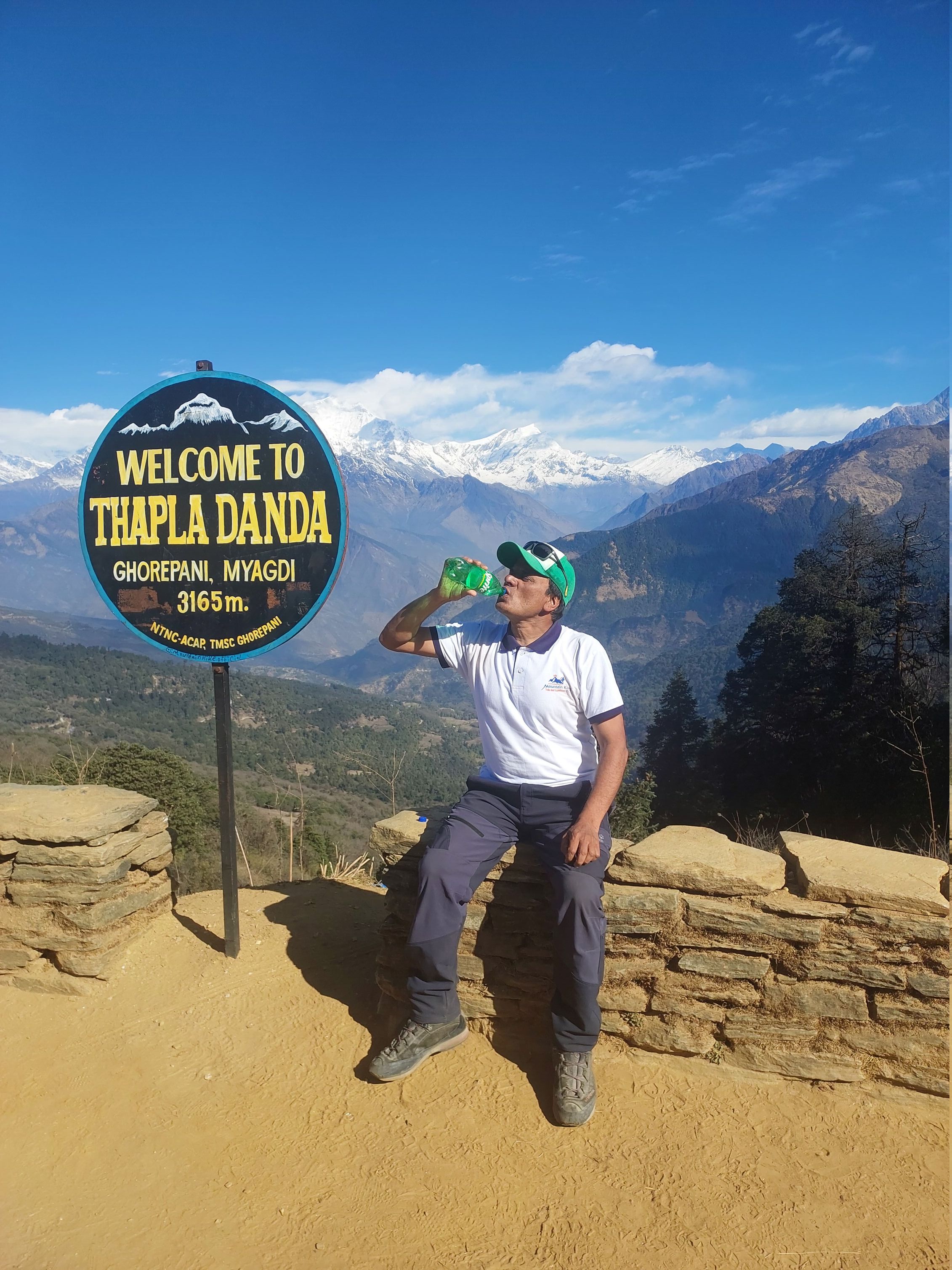
Culture and Local Experiences Along Annapurna Treks
The cost of trekking in the Annapurna Region is not only about transportation and accommodation. The region's cultural experiences are an important part of the journey.
Trekkers pass through communities with distinct traditions, languages, architecture, religious practices, festivals, food, and hospitality. Gurung, Magar, Thakali, and other communities have contributed to the cultural richness of the Annapurna Himalayas.
Village homestays, monasteries, traditional settlements, local festivals, and community-based tourism can add an important cultural dimension to a trek. Travelers interested in the people, traditions, and heritage of the region can learn more through our Annapurna Region Culture Guide.
How to Choose an Annapurna Trek Based on Your Budget
The best trek is not necessarily the cheapest one. It should match your available time, physical fitness, interests, preferred level of comfort, and overall travel budget.
For a shorter trip, you may prefer a trek such as Poon Hill, Panchase, Mulde Hill, or another shorter Annapurna route. If you have more time and want a classic Himalayan experience, Annapurna Base Camp or the Annapurna Circuit may be more suitable.
Travelers seeking quieter trails can consider routes such as Mohare Danda, Khopra Ridge, Kori Danda with Kapuche Lake, or Millennium Trek. Those looking for remote and challenging experiences may prefer Nar Phu Valley or Mesokanto La Pass.
When comparing prices, consider the total experience rather than only the package price. A slightly higher-cost itinerary may offer a better route, more suitable transportation, experienced guide support, or services that make the journey more comfortable and practical.
How to Manage Your Annapurna Trekking Budget
There are several ways to manage your trekking budget without compromising the quality of the experience.
Choosing a trek that matches your available time can help control transportation and accommodation expenses. Traveling as a small group can also make certain costs more efficient, particularly when transportation and guide services are shared.
It is also useful to understand what your trekking package includes before departure. Check accommodation, meals, transportation, permits, guide and porter services, and other included arrangements so that you can estimate your additional personal expenses.
Rather than choosing a route solely because it is inexpensive, consider the overall value of the itinerary and whether it provides the experience you are looking for.
Best Time to Trek in the Annapurna Region
The trekking season can also influence your overall budget and travel experience.
Spring and autumn are generally the most popular periods for trekking because of favorable weather and mountain visibility. These periods can also be busier on the most popular routes.
Winter can be suitable for many lower and moderate-altitude Annapurna treks, although higher routes may be affected by snow and cold conditions. The monsoon season brings rain to many parts of the region, while some routes may still offer good trekking opportunities depending on their location and elevation.
Choosing the right season is therefore not only about cost. Weather, trail conditions, mountain visibility, availability of accommodation, and the particular route should all be considered together.
Choosing the Right Annapurna Trek for Your Time, Budget, and Interests
There is no single fixed price for trekking in the Annapurna Region because each route has different requirements. A short and accessible trek can have a very different budget from a longer circuit, remote valley journey, or high-altitude pass adventure.
The right trek depends not only on your budget but also on how much time you have and what you want to experience. Shorter routes can be ideal for travellers with limited time, while longer journeys offer greater variety in landscapes, cultural experiences, and Himalayan environments. Your interests, fitness level, preferred trekking style, and desired level of comfort should also be considered when selecting a route.
By comparing the duration, cost, difficulty, scenery, cultural experiences, and overall character of each trek, you can choose an Annapurna journey that matches your priorities. With such a wide range of routes available, the Annapurna Region offers options for different budgets, schedules, and interests, from short scenic treks to demanding high-altitude adventures.
Frequently Asked Questions
How Much Cash Should I Carry on an Annapurna Trek?
The amount of cash you need depends on the trek duration, route, and your expected personal expenses. It is advisable to carry enough Nepalese rupees for snacks, drinks, hot showers, charging, internet, tips, and other small expenses, particularly on remote routes where ATM facilities may not be available.
Can I Trek in the Annapurna Region Without Booking an Organized Package?
Yes, independent trekking is possible on many established Annapurna routes. However, you will need to arrange your own transportation, accommodation, permits where required, and other logistics. An organized trek can be more convenient because these arrangements are coordinated in advance.
Are ATMs and Card Payments Available During Annapurna Treks?
ATM and card facilities are available in some larger towns and more developed trekking areas, but they become less reliable as you travel farther into the mountains. Cash is therefore recommended for smaller purchases and remote sections of the trek.
Do I Need Travel Insurance for an Annapurna Trek?
Travel insurance is strongly recommended for trekking in the Annapurna Region. Your policy should provide appropriate coverage for the altitude and route you plan to undertake, including emergency medical treatment and evacuation where applicable.
Can I Extend or Shorten My Annapurna Trekking Itinerary?
In many cases, an itinerary can be adjusted depending on the route, transportation, accommodation availability, weather, and trekking conditions. It is best to discuss any changes before or during the trek so that transportation, accommodation, permits, and other arrangements can be coordinated properly.
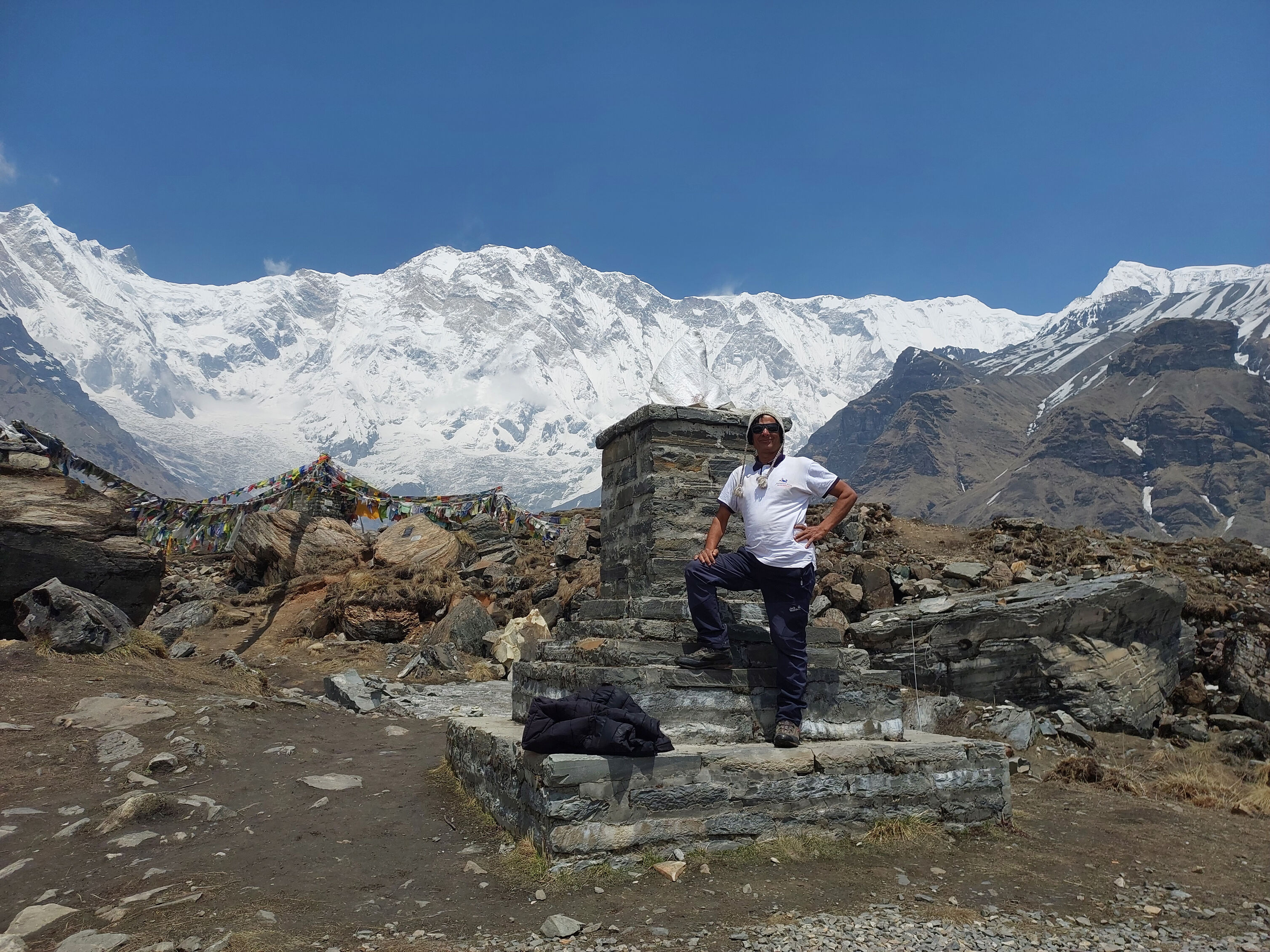
Plan Your Annapurna Trek
Once you have chosen a suitable Annapurna route and have a clear idea of your budget, the next step is to prepare for the practical aspects of your trip. Good preparation helps you travel with greater confidence and enjoy your trek more comfortably.
For broader advice on organizing your trip in Nepal, see our Nepal Travel Planning Guide. Our Nepal Trip Preparation Guide also provides useful advice to help you get ready before departure and undertake your Himalayan trek with confidence.
Contact Us
If you are planning an Annapurna trek and need help choosing the right route, itinerary, or trekking arrangements, Mountain King Treks & Expedition Pvt. Ltd. can help organize your trip according to your available time, interests, fitness level, and preferred trekking style.
Plan Your Trip
Ready to explore the Annapurna Himalayas? Plan your Annapurna trek and create a journey that matches your time, budget, interests, and level of adventure.