A Day on the Trail: What to Expect
A typical trekking day in Nepal has a simple and enjoyable rhythm—waking up in the mountains, having breakfast, walking along the trail, taking breaks, enjoying the scenery, and eventually reaching the next village for the night. Although every route is different, this daily routine is part of what makes Trekking in Nepal such a memorable experience.
For many travelers, the journey between one village and the next is just as important as the destination itself. The trail may lead through forests, traditional villages, suspension bridges, cultivated hillsides, and mountain viewpoints, with plenty of opportunities to stop, take photographs, meet local people, and enjoy the surroundings.
The daily schedule varies according to the route, altitude, weather, walking distance, and overnight destination. Some days are relaxed and allow more time to explore, while higher or more demanding sections may require a slower pace and additional rest. For broader information about traveling around Nepal, including destinations, transportation, seasons, culture, and other practical matters, see our Nepal Travel Information Guide.
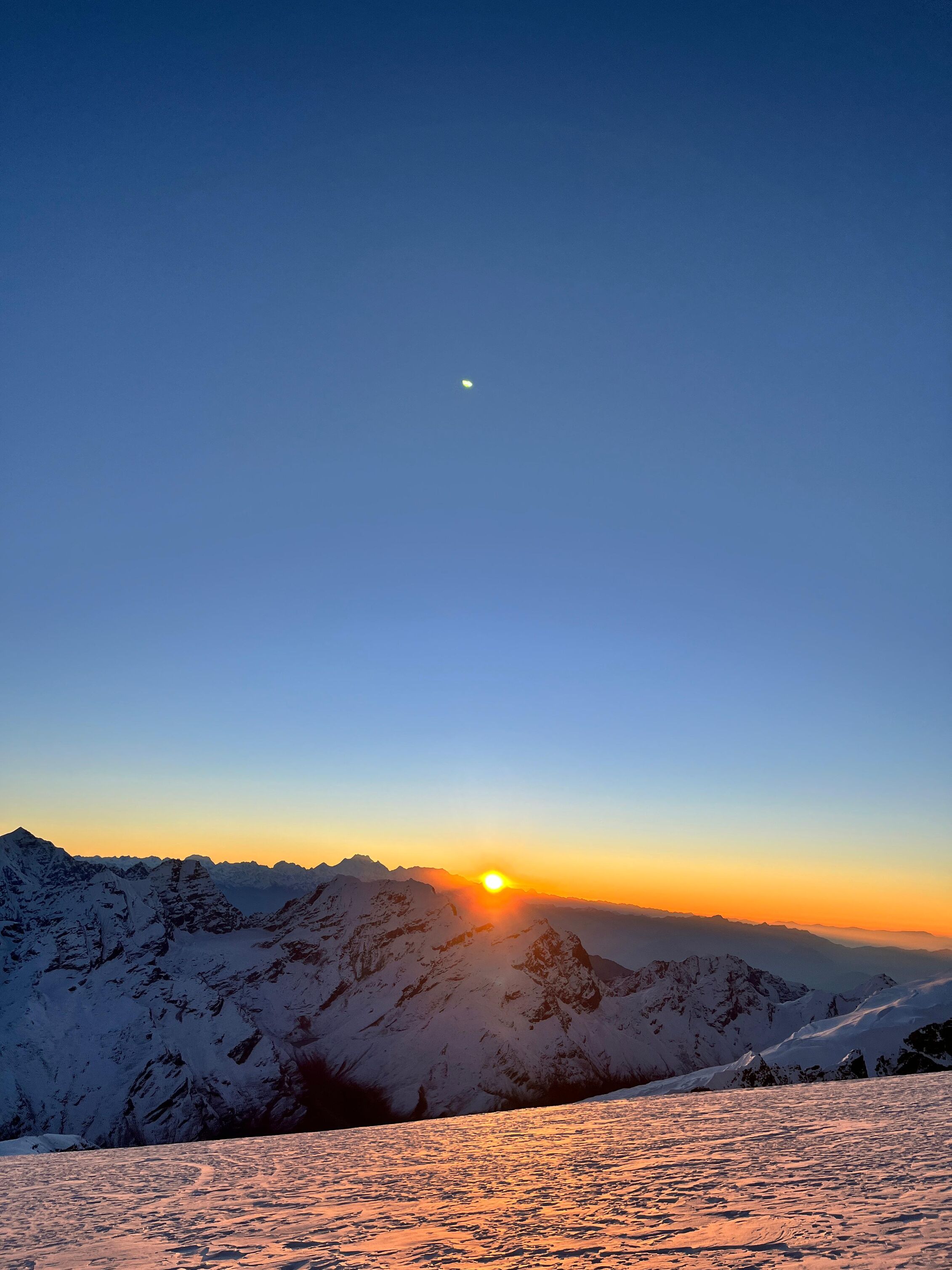
Starting Your Day in the Mountains
Most trekking days begin in the morning, when the mountain surroundings are still quiet and the air is usually fresh. After getting ready, trekkers have breakfast and prepare for the day's walk. The start time depends on the itinerary, distance, weather, and destination.
Breakfast Before Walking
Breakfast is usually taken at the teahouse or lodge where you spent the night. Depending on the route and accommodation, you may find options such as eggs, porridge, bread, pancakes, Tibetan bread, noodles, or other simple meals.
A good breakfast gives you energy for the morning and is also a useful time to discuss the day's walking plan with your guide.
Getting Ready for the Trail
Before leaving, trekkers normally check their daypack, water, clothing, camera, and other essentials. Larger luggage may be carried separately by porters when porter service is part of the trek.
It is better to start the day comfortably prepared rather than carrying unnecessary items. Your guide can also advise you about clothing and equipment according to the day's weather and trail conditions.
A Morning on the Trail
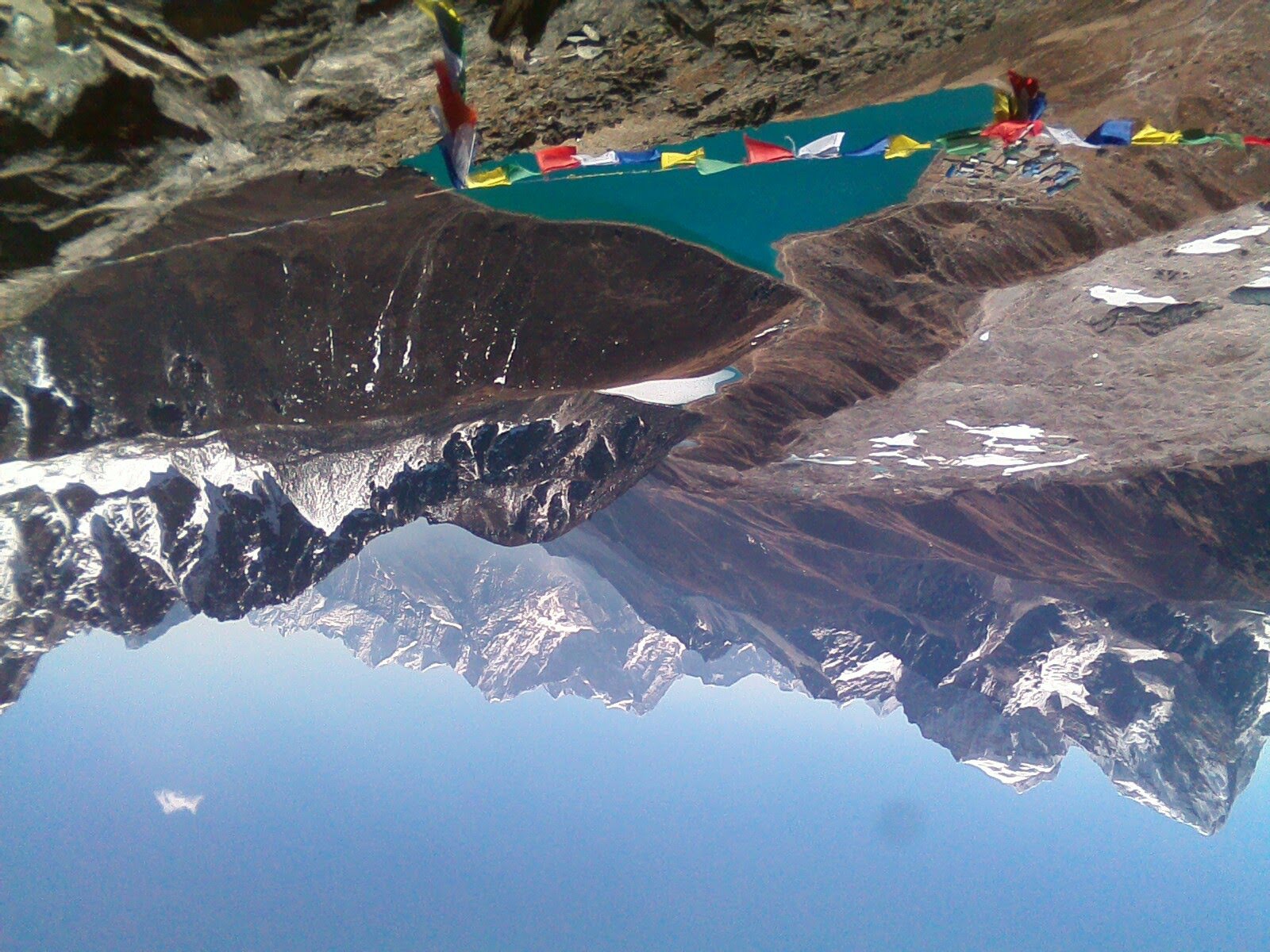
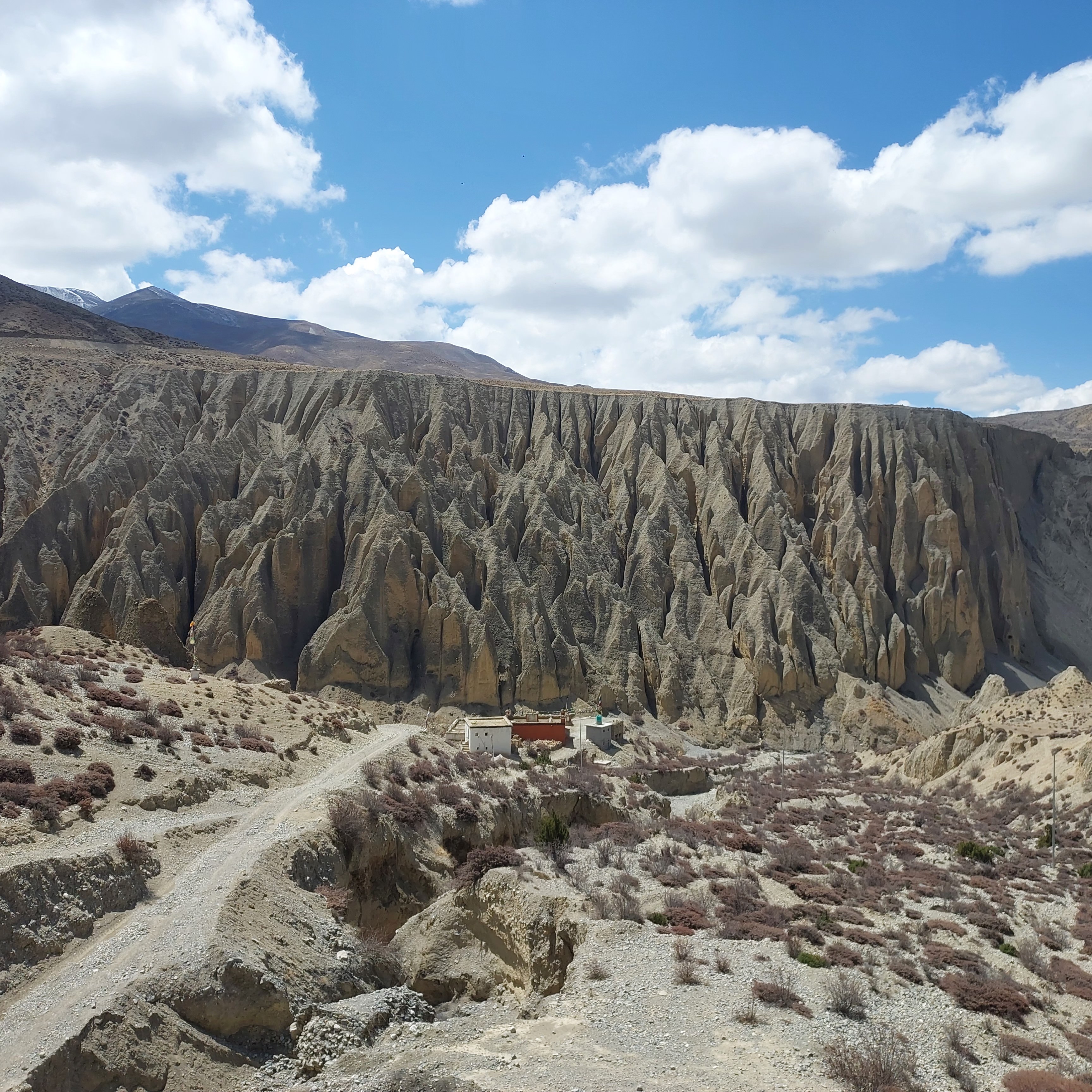
The morning walk is often one of the most enjoyable parts of the day. Depending on the route, you may walk through forests, farmland, mountain villages, river valleys, or open landscapes with views of the surrounding peaks.
Walking at a Comfortable Pace
There is normally no need to rush. A steady pace allows you to conserve energy and enjoy the trail. Your walking speed may also change as the altitude increases or the terrain becomes steeper.
On a guided trek, the guide can help maintain a suitable pace for the group and suggest when it is a good time to stop for a short rest.
Taking Breaks Along the Way
Short breaks are a normal part of trekking. You may stop beside the trail, at a teahouse, in a village, or at a scenic viewpoint.
These pauses give you time to drink water, catch your breath, take photographs, and appreciate the surroundings before continuing.
Lunch Along the Trail
After several hours of walking, lunch provides an important opportunity to rest and recharge. Depending on the itinerary, lunch may be served at a teahouse, lodge, or restaurant along the trail.
Taking Time to Rest
Lunch is not simply a quick stop for food. It is a chance to sit down, relax your legs, refill your water, and prepare for the afternoon section.
The length of the lunch break depends on the day's schedule and the location where you stop.
Continuing After Lunch
After lunch, the trail continues toward the day's overnight destination. The afternoon section may include climbs, descents, forest paths, suspension bridges, or open mountain terrain.
Some days finish relatively early, while longer walking days may continue until later in the afternoon. Your guide will normally help manage the pace according to the remaining distance and conditions.
Arriving at the Overnight Village
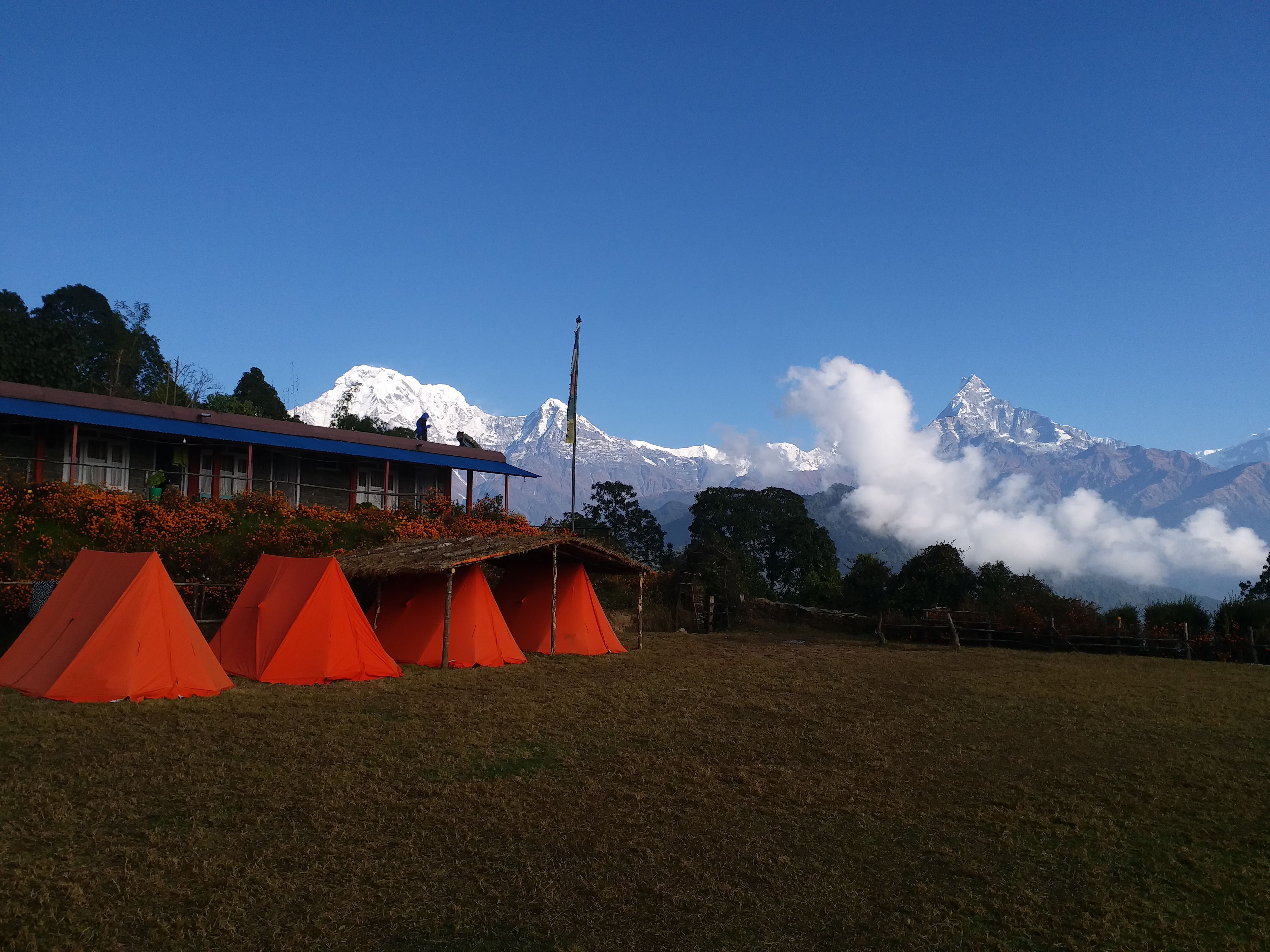
Reaching the day's destination can be one of the most satisfying moments of a trekking day. After several hours on the trail, you can finally put down your daypack, settle into your accommodation, and enjoy the mountain surroundings.
Checking Into the Lodge
Once you arrive, your guide or trekking team will help arrange the accommodation. After settling into your room, you can change clothes, rest, wash up, or simply relax.
In many mountain villages, the accommodation is simple but comfortable, giving you the opportunity to experience the local atmosphere rather than staying in a conventional city-style hotel.
Enjoying the Village
If time allows, the late afternoon can be a good opportunity to walk around the village. You may see traditional houses, farms, monasteries, prayer flags, or local people going about their daily activities.
Some trekkers prefer to rest after the walk, while others enjoy exploring the surrounding area or taking photographs before sunset.
Evening in the Mountains
Evenings on the trail are generally quiet and relaxed. As temperatures fall, trekkers often spend time in the dining area with their group, enjoying a warm drink, talking about the day's experience, or discussing the next day's journey.
Dinner and Conversation
Dinner is usually served in the evening and is an important part of recovering after a day of walking. Depending on the route and lodge, meals may include local Nepali dishes as well as familiar international choices.
The dining area can also be one of the most social places on a trek, where travelers meet people from different countries and share stories about their journeys.
Preparing for the Next Day
Before going to bed, it is useful to organize your daypack, clothing, water, and other items for the following morning. Your guide will normally explain the next day's walking distance, expected conditions, and approximate departure time.
Preparing before sleeping means you can start the next morning without unnecessary rushing.
How the Day Changes at Higher Altitude
A typical trekking routine remains similar as you climb higher, but the way you walk may change. The air becomes thinner, temperatures can be lower, and even familiar uphill sections can require more effort.
Walking More Slowly
At higher elevations, maintaining a comfortable pace becomes increasingly important. You may need more frequent breaks and more time to complete the same distance you could cover more quickly at lower elevations.
Following the planned itinerary and allowing your body time to adjust are important parts of a safe and enjoyable high-altitude trek.
Dealing With Changing Weather
Mountain weather can change quickly, particularly at higher elevations. A sunny morning can sometimes become cloudy, windy, rainy, or snowy later in the day.
This is why trekkers should carry appropriate layers and rain protection in their daypack and remain flexible when conditions change.
More Than Just Walking
A trekking day in Nepal is about much more than reaching the next destination. The time spent on the trail provides opportunities to experience mountain landscapes, local communities, traditional villages, and a slower way of life.
You may begin the day surrounded by forest, stop for lunch in a small mountain settlement, cross a suspension bridge in the afternoon, and finish the day looking across a Himalayan valley. These everyday moments often become some of the most memorable parts of the journey.
What a Typical Day May Look Like
Although every trekking route is different, a typical day may follow this general rhythm:
- Morning: Wake up, have breakfast, and prepare for the trail.
- Morning walk: Walk steadily with short breaks along the route.
- Lunch: Stop at a teahouse or lodge and rest.
- Afternoon: Continue toward the day's destination.
- Late afternoon: Arrive at the overnight village and settle in.
- Evening: Relax, have dinner, and talk with fellow trekkers.
- Night: Prepare for the next day and get a good night's sleep.
The actual timing depends on the route, walking distance, altitude, weather, and pace of the trekking group.
FAQs
What time does a typical trekking day start in Nepal?
Most trekking days begin in the morning after breakfast. The exact departure time depends on the day's distance, destination, weather, and trail conditions.
Do trekkers walk the whole day without stopping?
No. Regular breaks are a normal part of trekking. Trekkers usually stop to drink water, rest, take photographs, enjoy the scenery, and have lunch along the route.
What happens if I reach the overnight village early?
You can use the extra time to rest, explore the village, take photographs, enjoy the scenery, or simply relax at the lodge before dinner.
Can the trekking schedule change during the journey?
Yes. Weather, trail conditions, altitude, group pace, and other circumstances can sometimes affect the day's schedule. Your guide can adjust the pace or timing when necessary.
Is a typical trekking day physically tiring?
Trekking requires regular walking, often on uneven and sometimes steep terrain, so some tiredness is normal. However, a suitable itinerary, steady pace, regular breaks, and proper rest can make the experience much more manageable.
Plan Your Trekking Journey
Every trekking day is different, but knowing the basic rhythm of life on the trail can help you feel more comfortable and prepared. Choose an itinerary that matches your available time, experience, fitness, and the type of mountain experience you want.
For help organizing your overall journey, our Nepal Travel Planning Guide provides useful advice on choosing destinations, seasons, transportation, accommodation, and other travel arrangements. Before departure, the Nepal Trip Preparation Guide can help you prepare your documents, packing, equipment, insurance, and other practical details.
Contact Us
Mountain King Treks & Expedition Pvt. Ltd.
WhatsApp / Call: +977-9841566449
Email: info@mountainkingtrek.com
Contact us for assistance with your Nepal trek, itinerary, travel arrangements, or customized journey.
Plan Your Trip
Tell us your preferred travel dates, trekking interests, experience, and travel style, and we will help you arrange a Nepal trekking journey that suits your needs.