Trekking in Nepal: The Value of an Experienced Guide
Trekking in the Himalayas is an unforgettable experience, and choosing an experienced trekking guide in Nepal can make your journey safer, more enjoyable and rewarding. From walking beneath towering snow-covered peaks and exploring traditional mountain villages to discovering remote trails and experiencing the hospitality of local communities, trekking in Nepal offers some of the world's most remarkable trekking adventures. Explore our Himalayan destinations to discover the journeys waiting for you.
However, a successful Himalayan trek involves more than following a trail or reaching a mountain destination. Changing weather, high altitude, unfamiliar terrain and remote locations can present unexpected challenges. An experienced guide brings valuable mountain knowledge, local understanding and practical support to help you navigate these situations.
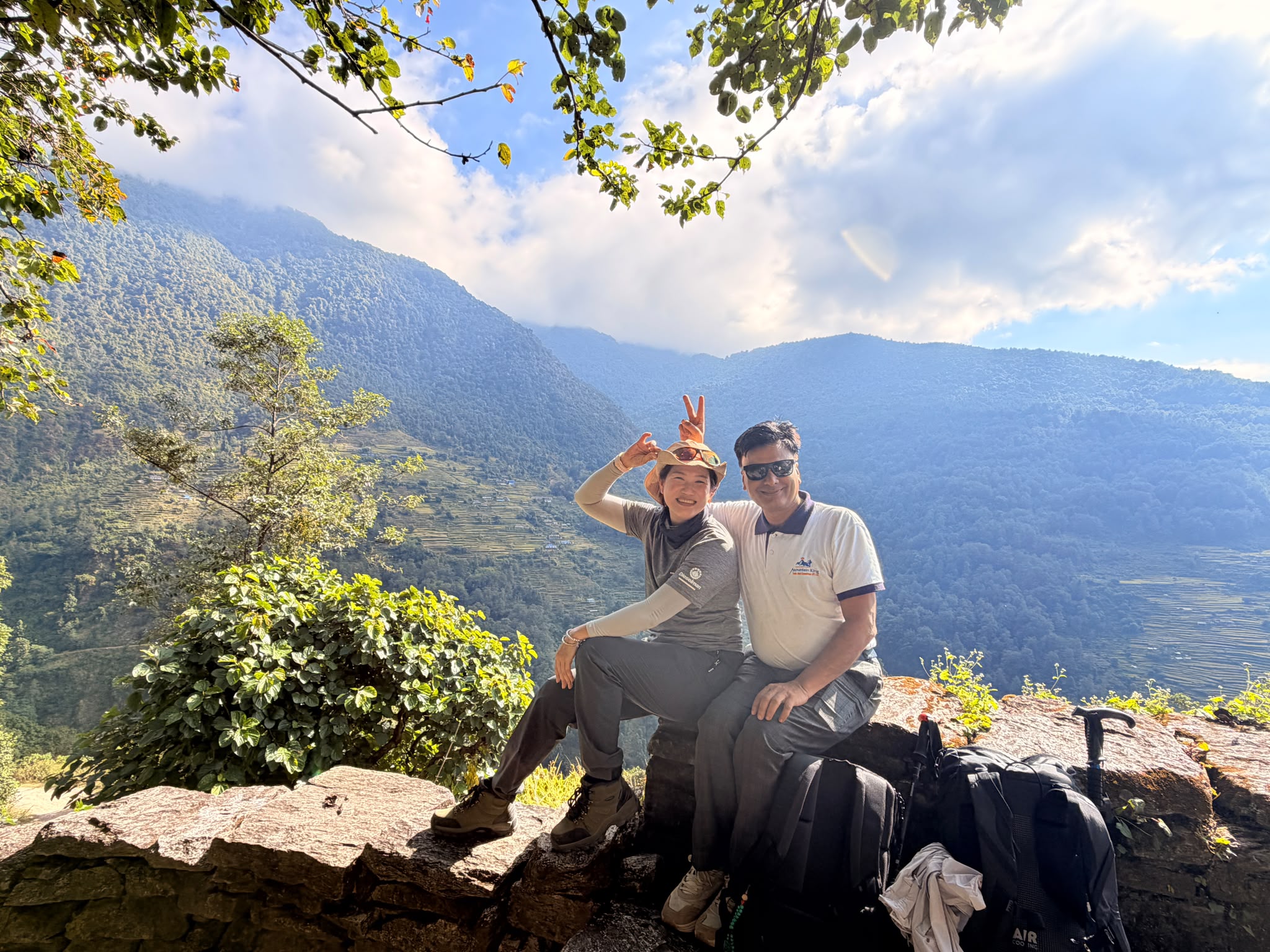
Beyond leading the way, a knowledgeable guide helps you understand the landscapes, discover local traditions, communicate with mountain communities and appreciate the places you visit. Their experience also helps with daily trekking arrangements, route decisions, suitable walking pace and adjustments when conditions change.
Whether you are planning the Everest Base Camp Trek, Annapurna Circuit Trek, Manaslu Circuit Trek, Langtang Valley Trek or exploring a remote Himalayan valley, the right guide can add confidence, insight and personal value to your experience.
Understanding the importance of an experienced guide begins with one essential consideration: mountain safety.
Mountain Safety and Experience Matter
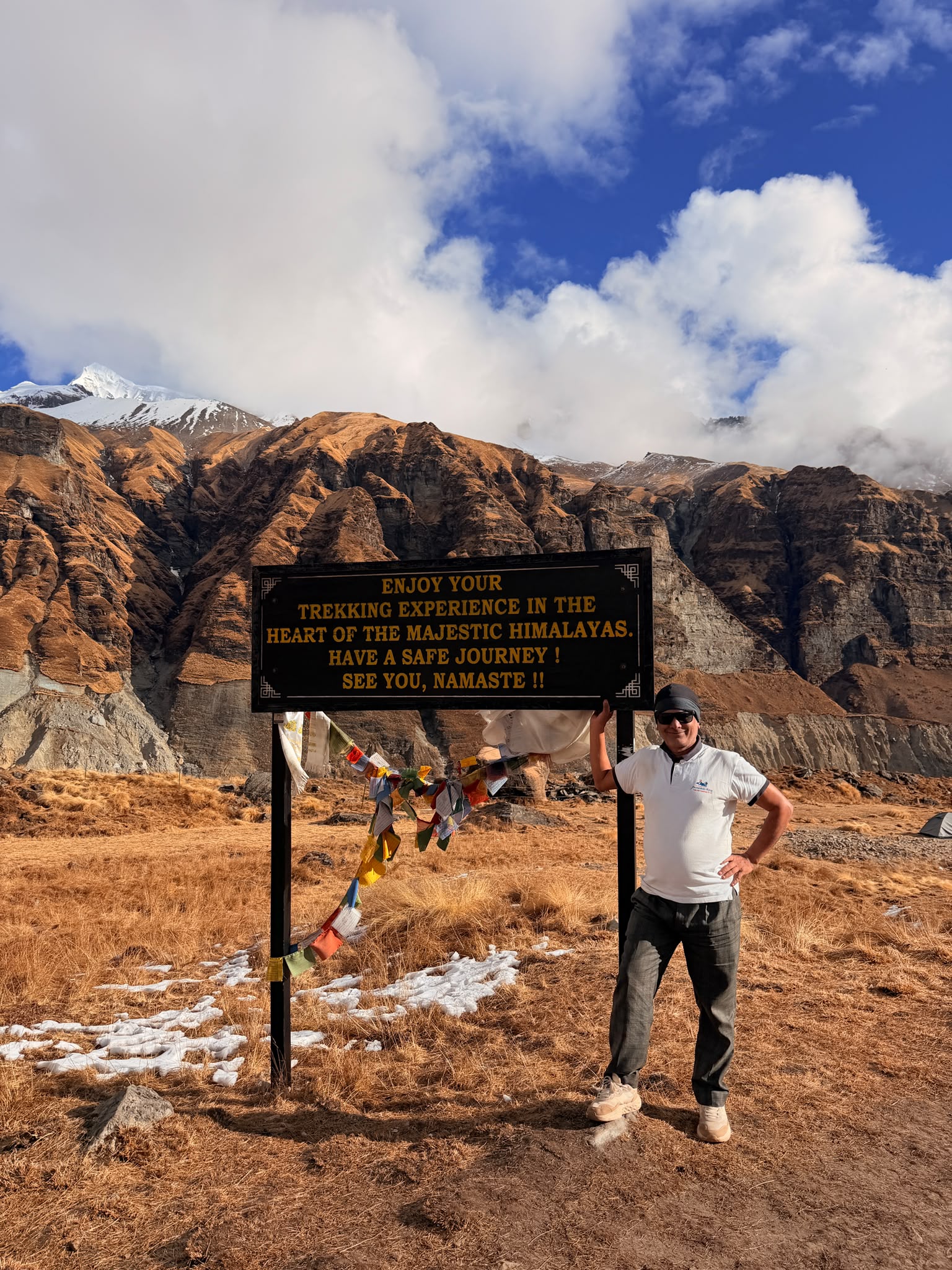
Mountain environments can change quickly. A trail that seems straightforward in the morning may become challenging because of snowfall, rain, strong winds, landslides, icy conditions or reduced visibility.
An experienced trekking guide understands the nature of mountain trails and knows how to assess conditions along the route. Years of experience in different Himalayan regions help guides recognise potential challenges, assess risks and make sensible decisions according to the situation.
From choosing a suitable walking pace and identifying difficult trail sections to adjusting daily plans when necessary, a guide's experience can help trekkers navigate unfamiliar mountain environments more confidently.
Mountain safety is not about guaranteeing that nothing will go wrong. It involves recognising potential risks, preparing appropriately, making informed decisions and responding responsibly when circumstances change. Our Nepal Trekking Safety Guide provides further information about preparing for a safe trekking journey.
Understanding Weather and Mountain Conditions
Weather plays an important role in Himalayan trekking. Conditions can vary considerably between valleys, mountain passes, forests and high-altitude settlements, sometimes changing within a short period.
An experienced guide understands how weather can affect trekking conditions and the overall journey. They can help travellers prepare for changing temperatures, rain, snow, wind and reduced visibility while considering conditions along the trail.
In some situations, the original itinerary may need to be adjusted because of weather, trail conditions or other circumstances. An experienced guide can assess available options, communicate with the trekking team and recommend appropriate changes.
Understanding the mountains requires more than checking a weather forecast. It also involves observing the environment, recognising changing conditions and making practical decisions throughout the journey.
Before choosing your trekking dates, explore our Nepal Weather Guide and Best Time to Visit Nepal Guide to understand seasonal conditions and plan your trek accordingly.
Acclimatisation and Altitude Awareness
Trekking at high altitude requires careful planning and an understanding of how the human body responds to reduced oxygen levels.
As trekkers ascend, the risk of altitude-related illness increases. Even physically fit travellers can experience altitude sickness, which is why gradual ascent, appropriate acclimatisation and awareness of symptoms are essential.
An experienced Himalayan guide understands the importance of acclimatisation days, gradual elevation gain, suitable trekking schedules and recognising potential signs of altitude-related illness.
Common symptoms of acute mountain sickness may include headache, nausea, dizziness, fatigue and loss of appetite. More serious symptoms, such as confusion, difficulty walking or breathlessness at rest, require urgent attention and descent.
A responsible guide takes symptoms seriously, communicates concerns clearly and prioritises the trekker's health over reaching a destination or following a fixed itinerary.
No guide can guarantee that altitude sickness will not occur, but proper planning, awareness and responsible decision-making are essential parts of high-altitude trekking. Read our Altitude Sickness in Nepal Guide to learn more about altitude awareness and preparation.
Local Knowledge, Culture and Mountain Communities
The Himalayas are not only landscapes of mountains and glaciers. They are home to diverse communities, traditions, languages, religions, lifestyles and histories.
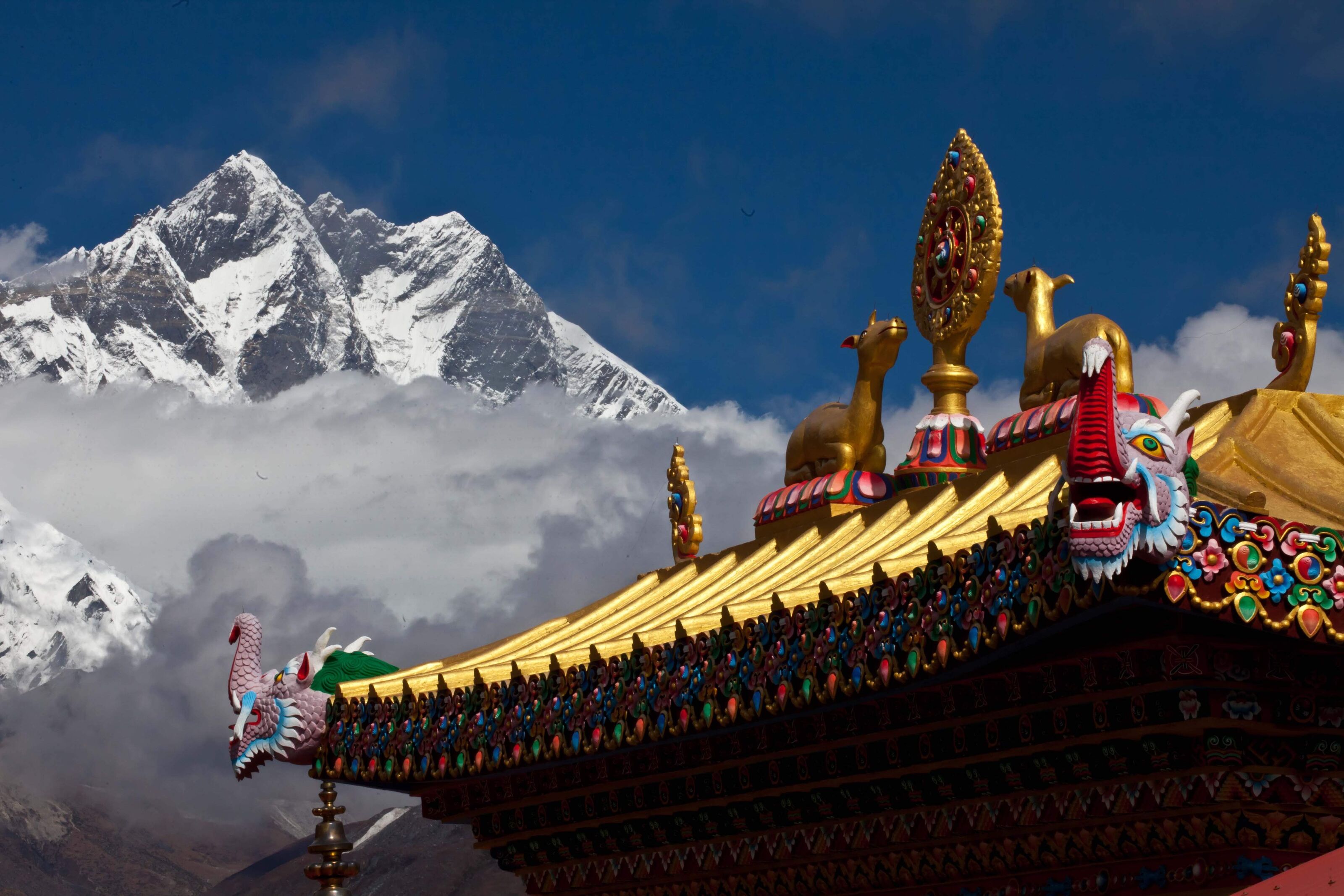
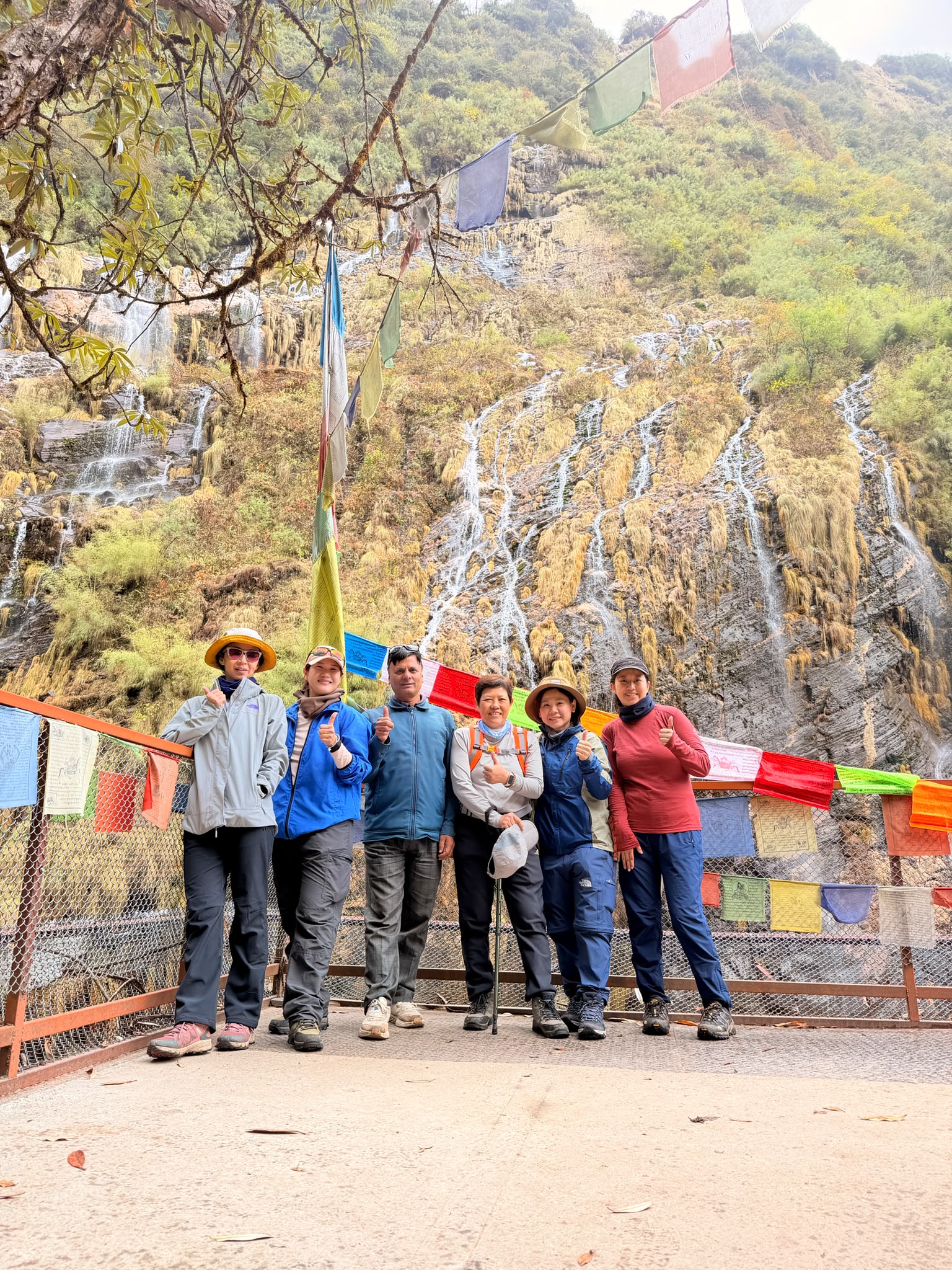
An experienced local guide can introduce you to the stories and cultural traditions that make each trekking region unique. Along the trail, you may encounter Buddhist monasteries, prayer flags, mani walls, traditional villages, local festivals, farming practices and the everyday lives of mountain communities.
In the Everest region, you can learn about Sherpa culture and the traditions of mountain communities. In Manaslu, you can experience villages influenced by Tibetan Buddhist culture. In Annapurna and other regions, you can discover diverse ethnic communities, traditional architecture, local foods and distinctive ways of life.
A guide can help explain the meaning of cultural practices, encourage respectful behaviour and provide a deeper understanding of the places you visit.
These conversations, stories and experiences often become some of the most memorable parts of a Himalayan journey, adding depth to the landscapes and places you explore.
Managing Trekking Logistics and Unexpected Challenges
Organising a trek in Nepal involves more than choosing a route and booking accommodation. Depending on your destination and itinerary, arrangements may include trekking permits, transportation, accommodation, meals, guide and porter coordination, domestic flights, luggage management and communication with local service providers.
An experienced trekking guide and a well-organised trekking agency help manage these arrangements, allowing travellers to focus on enjoying their journey rather than worrying about the practical details.
Mountain travel can also involve unexpected challenges, including flight delays, trail changes, weather disruptions, accommodation availability and transportation difficulties.
Experienced guides understand that flexibility is an important part of trekking. They can help coordinate alternatives, communicate with the team and manage practical arrangements when plans need to change.
Good organisation and experienced support can make your trekking journey smoother, particularly when travelling through remote mountain regions where facilities and services may be limited.
A More Meaningful and Personal Trekking Experience
Trekking is not simply about reaching a destination, taking photographs and returning home. It is about the experiences along the way.
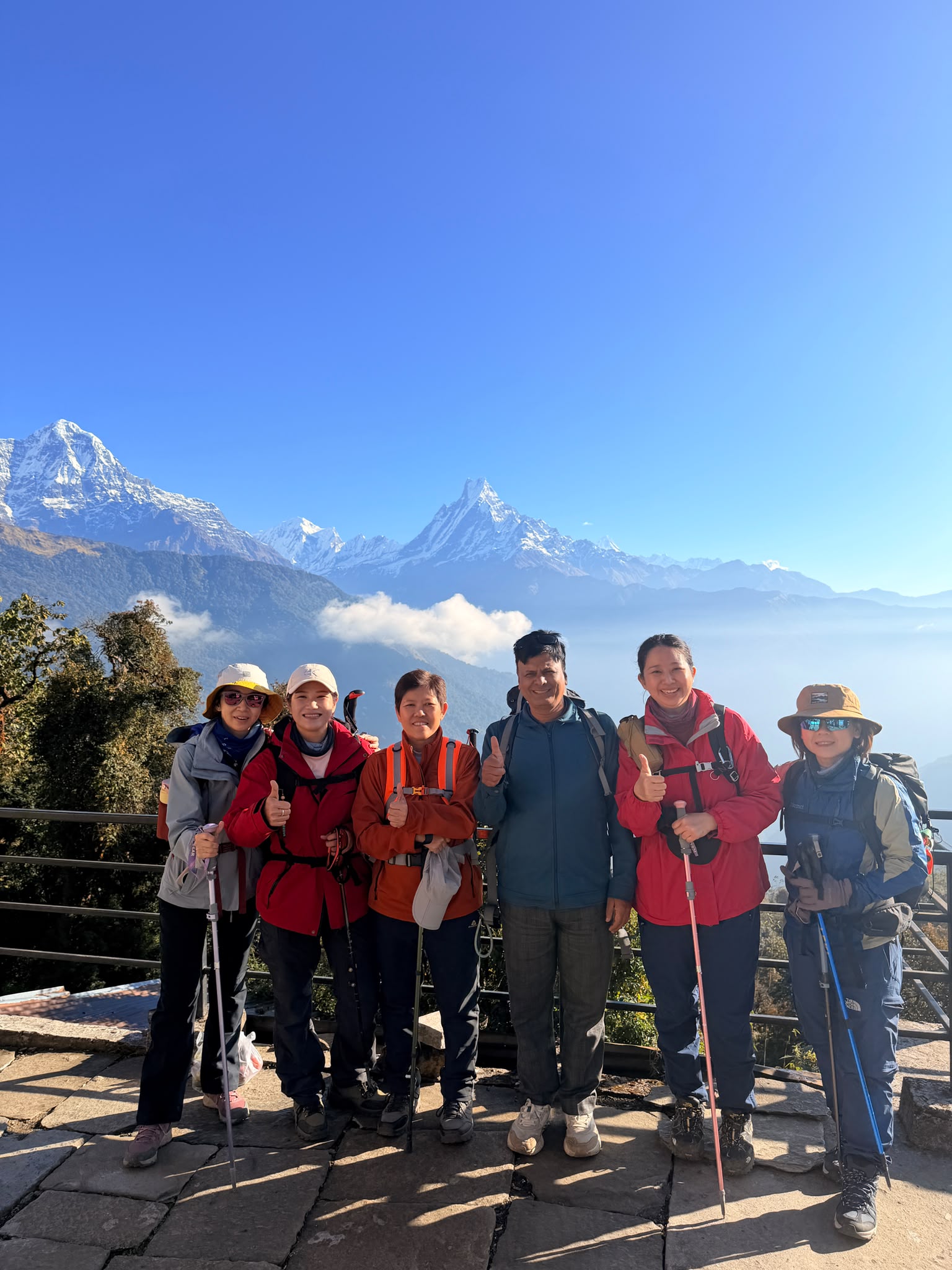
Walking through forests, crossing mountain bridges, watching sunrise over the Himalayas, sharing conversations in tea houses, discovering local traditions and meeting people along the trail all contribute to the journey.
An experienced guide can help you appreciate these moments by sharing knowledge about the landscape, mountains, wildlife, culture, history and local communities.
They can also help adapt the pace of the trek to the group's needs, encourage rest when appropriate and provide practical support throughout the journey.
For first-time trekkers, a guide can help make unfamiliar surroundings easier to understand. For experienced trekkers, a knowledgeable guide can offer deeper insights into mountain regions, local life and the routes they explore.
The best trekking experiences often come from the journey itself, not only the final destination.
Choosing the Right Trekking Guide in Nepal
Choosing a trekking guide is an important part of planning your Himalayan journey. Experience, knowledge, communication, professionalism and a responsible approach to mountain safety should all be considered.
Before choosing a guide or trekking agency, consider the following:
Experience in Your Chosen Trekking Region
Ask whether the guide has experience in the specific region or trekking route you plan to visit. Familiarity with the terrain, altitude, local accommodation, trail conditions and regional culture can be valuable throughout the journey.
Training and Professional Qualifications
Ask about relevant guide training, first-aid knowledge, professional qualifications and experience handling trekking situations. These are particularly important for high-altitude treks and challenging routes.
Communication and Understanding
A good guide should communicate clearly, understand your expectations and be willing to answer your questions before and during the trek.
Safety and Responsible Decision-Making
Ask how the guide approaches acclimatisation, altitude sickness, changing weather, emergencies and itinerary adjustments. A responsible guide should prioritise safety rather than pressure trekkers to continue regardless of conditions.
Organisation and Support
Consider whether your trekking agency provides clear information about the itinerary, permits, accommodation, transportation, meals, guide services, porter arrangements and other necessary logistics.
Choosing a guide based on experience, professionalism and trust can help you prepare for a more enjoyable and responsible Himalayan journey.
Trekking with Mountain King Treks
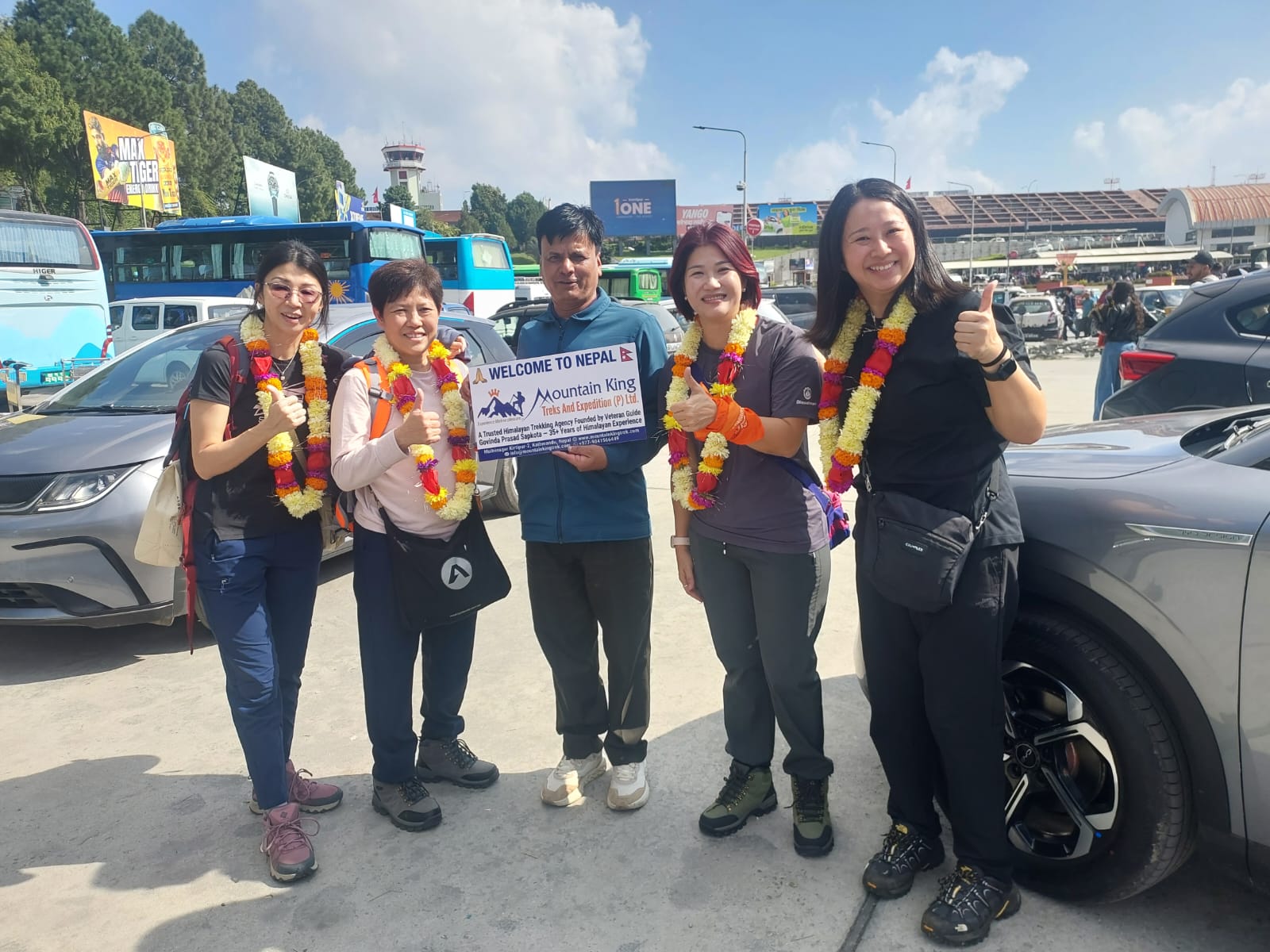
Mountain King Treks & Expedition Pvt. Ltd. is a Kathmandu-based trekking agency founded in 2017 by veteran Himalayan guide Govinda Prasad Sapkota, known as the King of the Mountains.
With more than 35 years of experience in the Himalayan tourism industry, our founder brings extensive mountain knowledge, guiding experience and a deep understanding of trekking and expedition travel in Nepal.
Our team of experienced mountain guides and dedicated trekking professionals organises trekking journeys across Nepal's popular and remote regions, including Everest, Annapurna, Langtang, Manaslu, Upper Mustang, Kanchenjunga and beyond. We also arrange cultural tours, peak climbing and mountaineering expeditions, with itineraries tailored to travellers' interests, schedules and experience levels.
From itinerary planning and logistical arrangements to guidance and support along the trail, we focus on delivering well-organised journeys, meaningful cultural experiences and responsible trekking practices.
Whether you are planning your first Himalayan trek or returning to explore another mountain region, we are happy to help you choose the right journey.
Frequently Asked Questions
Is it better to trek in Nepal with a guide?
Trekking with a guide provides local knowledge, route awareness, cultural insights, assistance with trekking logistics and support in changing mountain conditions. A guide can be particularly valuable for unfamiliar routes, remote regions and high-altitude trekking. Guide requirements also depend on the trekking region and current regulations.
How do I choose an experienced trekking guide in Nepal?
Look for a guide with experience in your chosen trekking region, relevant training, good communication skills, knowledge of mountain safety and a responsible approach to trekking. Choosing a professional trekking agency that provides clear itineraries and well-organised services is also important.
Can a trekking guide help with altitude sickness?
An experienced guide can help monitor symptoms, recognise potential altitude-related concerns, encourage proper acclimatisation and assist with decisions about stopping ascent or descending. However, a guide cannot prevent altitude sickness or replace medical care.
Is trekking with a guide suitable for first-time trekkers?
Yes. An experienced guide can help first-time trekkers understand mountain trails, altitude, accommodation, local culture and trekking arrangements, making the journey easier to navigate and more comfortable.
Why choose Mountain King Treks for trekking in Nepal?
Mountain King Treks is a Kathmandu-based trekking agency founded in 2017 by veteran Himalayan guide Govinda Prasad Sapkota, with more than 35 years of experience in the Himalayan tourism industry. We organise trekking, tours, peak climbing and expeditions with experienced guides, careful planning and dedicated support throughout the journey.
Trek the Himalayas with Confidence
The beauty of trekking in Nepal lies not only in its magnificent mountains but also in the people, cultures and experiences you discover along the way. With the right guide and a well-organised trekking team, you can explore the Himalayas with a deeper appreciation of the journey.
From the iconic trails of Everest and Annapurna to the quieter valleys of Manaslu and beyond, Nepal offers countless opportunities to discover the mountains at your own pace.
Plan Your Himalayan Journey
Planning a Himalayan journey begins with choosing the destination, itinerary and travel experience that best suit your interests, available time and expectations.
Explore our Nepal Travel Planning Guide for advice on destinations, itineraries and travel arrangements, our Nepal Travel Information Guide for essential information about travelling in Nepal, and our Nepal Trip Preparation Guide to prepare for your journey.
Planning your trek in Nepal?
Contact our team to share your preferred destinations, travel dates and interests. We will help you plan a personalised Himalayan journey.
Mountain King Treks & Expedition Pvt. Ltd.
Maitrinagar, Kirtipur-2, Kathmandu, Nepal
Website: mountainkingtrek.com
Email: info@mountainkingtrek.com
WhatsApp: +977-9841566449
Plan a Trip | Contact Us
A Trusted Himalayan Trekking Agency Founded by Veteran Guide Govinda Prasad Sapkota “King of the Mountains”