Introduction
Local Food in Nepal is an important part of the country’s tourism identity, connecting travelers with authentic cultures, traditional lifestyles, and local communities. Nepal is world-renowned for its breathtaking Himalayan landscapes, rich cultural heritage, and warm hospitality. Every year, travelers visit the country for trekking in Nepal, tours in Nepal, peak climbing in Nepal, and expedition climbing in Nepal, discovering not only spectacular mountains but also the unique flavors and traditions that make Nepal unforgettable.
Traditional cuisine plays a significant role in promoting sustainable tourism by supporting local farmers, food producers, family-run restaurants, village homestays, women entrepreneurs, and mountain communities. By experiencing authentic local meals, travelers help preserve Nepal’s culinary heritage while contributing to community development and local economic growth.
From a simple plate of Dal Bhat served in a mountain teahouse to a traditional Thakali meal, a festive Newari feast, or the authentic cuisines of Tharu, Sherpa, Gurung, and Tamang communities, every dish tells a story about Nepal’s history, geography, culture, and people.
At Mountain King Treks & Expedition Pvt. Ltd., we believe responsible travel is not only about exploring beautiful destinations but also about creating positive impacts for the communities we visit. Supporting local food experiences helps promote Nepal’s unique culinary heritage while contributing to sustainable tourism.
This guide explores the role of local food in sustainable tourism in Nepal, how traditional cuisine helps promote tourism, why it benefits local communities, and how travelers can support Nepal’s culture and economy through authentic food experiences.
Helpful Nepal Travel Information Guide
Whether you're planning a trekking adventure, cultural tour, wildlife safari, or Himalayan expedition, these travel guides will help you prepare for a safe, enjoyable, and well-planned journey across Nepal.
Explore Our Nepal Travel Guides
• Nepal Travel Information Guide
• Nepal Visa Information
• Best Time to Visit Nepal
• Nepal Weather Guide
• Trekking in Nepal
• Tours in Nepal
• Peak Climbing in Nepal
• Expedition Climbing in Nepal
• Trekking Permits in Nepal
• Trekking Difficulty Guide
• Trekking Equipment Checklist
• Altitude Sickness Guide
• Responsible Tourism in Nepal
• Trekking Safety Guide
• Nepal National Parks Guide
Why Local Food Matters in Sustainable Tourism
Food is much more than nourishment—it is one of the most authentic ways to experience a destination. Every traditional meal reflects a region's history, climate, agriculture, customs, and way of life. For many travelers, tasting local cuisine becomes one of the most memorable parts of their journey.
When visitors choose locally prepared meals instead of imported or heavily processed food, they directly support local farmers, markets, family-owned restaurants, village lodges, and small businesses. This keeps tourism income within local communities and helps preserve traditional recipes that have been passed down through generations.
In Nepal, sustainable tourism is closely connected to local food. Every plate served in a mountain teahouse, village homestay, or traditional restaurant represents the hard work of farmers, cooks, porters, traders, and local families who contribute to the tourism industry.
Choosing local food is one of the simplest ways travelers can enjoy authentic experiences while making a positive contribution to Nepal's economy and cultural heritage.
Dal Bhat: Nepal's National Meal
No food represents Nepal better than Dal Bhat. Often described as the country's national meal, Dal Bhat is eaten daily by millions of people, from busy cities to remote Himalayan villages.
A traditional Dal Bhat meal usually includes:
• Steamed rice.
• Lentil soup (Dal).
• Seasonal vegetable curry.
• Pickles (Achar).
• Spinach or leafy greens.
• Optional chicken, buffalo, goat, or fish curry.
Nutritious, affordable, and filling, Dal Bhat provides the energy needed for daily life and is especially popular among trekkers, guides, porters, climbers, and local communities. It has even earned the famous saying:
"Dal Bhat Power, 24 Hour."
Beyond its nutritional value, Dal Bhat symbolizes Nepal's hospitality. Sharing a freshly prepared meal is one of the warmest ways local families welcome guests into their homes, teahouses, and villages.
Traditional Foods of Nepal's Diverse Ethnic Communities
Nepal's food culture is as diverse as its landscapes and people. From the Himalayas to the hills and Terai plains, more than 100 ethnic communities have developed unique cuisines based on local ingredients, farming traditions, climate, and cultural practices.
These traditional foods are not only delicious meals but also a reflection of Nepal's history, identity, and connection with nature. For travelers, tasting local cuisine during trekking in Nepal, tours in Nepal, and cultural journeys provides a deeper understanding of the communities they visit.
Thakali Cuisine – The Famous Mountain Thali
Originating from the Mustang and Kali Gandaki region, Thakali cuisine is one of Nepal's most famous traditional food cultures.
A traditional Thakali Thali may include:
• Rice or Dhido (buckwheat, millet, or corn porridge)
• Dal (lentil soup)
• Vegetable curry
• Meat curry (mutton, chicken, or buffalo)
• Gundruk (fermented leafy greens)
• Achar (traditional pickle)
• Kanchemba (buckwheat fries)
• Local beans and seasonal vegetables
Thakali food reflects the mountain lifestyle and has become a favorite experience for travelers throughout Nepal.
Newari Cuisine – The Rich Food Heritage of Kathmandu Valley
The Newar community of the Kathmandu Valley has one of Nepal's most diverse and sophisticated culinary traditions. Newari food plays an important role in festivals, celebrations, and cultural gatherings.
Popular Newari dishes include:
• Samay Baji – a traditional festive platter with beaten rice, buffalo meat, beans, egg, pickles, and other items.
• Choila – grilled or smoked buffalo meat mixed with spices, herbs, and mustard oil.
• Kachila – finely minced raw buffalo meat prepared with traditional spices.
• Chatamari – rice flour pancake often called Nepali pizza.
• Yomari – sweet steamed rice flour dumpling filled with molasses and sesame.
• Bara (Wo) – savory lentil pancake.
• Aloo Tama – potato and bamboo shoot curry.
• Kwati – mixed bean soup traditionally eaten during festivals.
• Sukuti – dried meat prepared with traditional spices.
• Juju Dhau – famous sweet yogurt from Bhaktapur.
Newari cuisine is a perfect example of how food preserves history, festivals, and cultural identity.
Tharu Cuisine – Traditional Food of Nepal's Terai
The Tharu community living in the Terai plains has a unique cuisine shaped by rivers, forests, farming, and local resources.
Traditional foods include:
• Ghonghi – snail curry collected from local ponds and fields.
• Dhikri – steamed rice flour cakes.
• Baghiya – traditional rice flour dumplings.
• Fish curry prepared with local spices.
• Sidhara – fermented fish preparation.
• Local vegetable curries.
• Rice-based traditional meals.
Tharu cuisine represents a close relationship between people, agriculture, wetlands, and nature.
Sherpa Cuisine – Food of the High Himalayas
Sherpa cuisine developed in the harsh mountain environment of the Everest and Himalayan regions, where nutritious food is essential for survival.
Popular dishes include:
• Rikikur – potato and buckwheat pancake.
• Rildok – traditional mashed potato dish.
• Thukpa – warm noodle soup.
• Tingmo – steamed Tibetan-style bread.
• Momo – dumplings filled with meat or vegetables.
• Tsampa – roasted barley flour.
• Butter tea.
Sherpa food is an important part of the trekking experience in Nepal's high mountains.
Gurung Cuisine – Himalayan Hill Food
The Gurung community of the Annapurna and western Himalayan regions has preserved many traditional dishes.
Popular foods include:
• Sel Roti – traditional ring-shaped rice bread.
• Jhangar – millet-based traditional drink.
• Dhido – traditional millet or buckwheat porridge.
• Gundruk – fermented leafy vegetables.
• Local meat dishes.
• Fermented foods and pickles.
Magar Cuisine
The Magar community has a rich food tradition from Nepal's western and central hills.
Traditional foods include:
• Batuk – deep-fried black lentil patties.
• Phuli Roti – traditional bread.
• Dhido with local vegetables.
• Millet and corn-based dishes.
• Local meat preparations.
Tamang Cuisine
Tamang food reflects the mountain lifestyle of communities living near the Langtang and northern Himalayan regions.
Traditional dishes include:
• Dhido – millet, buckwheat, or corn porridge.
• Gundruk – fermented leafy greens.
• Sukuti – dried meat.
• Millet-based bread.
• Potato dishes.
• Local soups and seasonal vegetables.
Rai and Limbu Cuisine
The Rai and Limbu communities of eastern Nepal have unique food traditions connected with farming, forests, and local ingredients.
Popular foods include:
• Kinema – fermented soybean dish.
• Tongba – traditional fermented millet drink.
• Wachipa – traditional Rai dish.
• Fermented foods and local vegetables.
• Millet-based dishes.
Chepang Cuisine
The Chepang community, one of Nepal's indigenous groups, has a close relationship with forests and natural resources.
Traditional foods include:
• Bats (Chiuri-related traditional foods)
• Wild fruits and forest products.
• Millet and maize dishes.
• Gundruk.
• Local roots and seasonal foods.
• Traditional hunting-related foods such as dried meat (Sukuti).
Chepang cuisine represents a unique example of traditional food systems connected with nature.
Dhimal and Other Indigenous Cuisines
Many other ethnic communities of Nepal also preserve unique culinary traditions.
Examples include:
• Dhimal cuisine from eastern Nepal with rice-based meals, fish dishes, and locally grown vegetables.
• Madhesi cuisine of the Terai with rich curries, sweets, and rice dishes.
• Tibetan-influenced mountain foods from Himalayan communities.
• Traditional foods of the Gurung, Sunuwar, Thakuri, Dolpo, and other communities.
Each community adds another layer to Nepal's incredible food diversity.
For this article, adding related travel packages is a very good idea because local food is experienced through trekking, tours, village stays, and cultural journeys. But I would not call them "food packages" only because Nepal food is part of the complete travel experience.
I suggest creating a section like this:
Experience Nepal Through Local Food and Cultural Journeys
The best way to discover Nepal's traditional cuisine is to travel through the communities where these foods originate. These journeys combine authentic local meals, cultural experiences, village life, and beautiful landscapes.
Cultural Tours in Nepal
Kathmandu Valley Cultural Tour
- Best for Newari cuisine.
- Experience traditional Newari food, festivals, temples, and heritage sites.
Nepal Heritage Tour
- Combines Kathmandu, Bhaktapur, Patan, Pokhara, and local cultural experiences.
Nepal Village Tour
- Experience local homes, traditional cooking, farming, and rural lifestyles.
Trekking Packages with Authentic Local Food Experiences
Annapurna Base Camp Trek
- Experience Gurung and Magar communities.
- Enjoy Dal Bhat, Dhido, Gundruk, local meals, and mountain hospitality.
Annapurna Circuit Trek
- Famous for diverse landscapes and cultures.
- Experience Thakali cuisine in the Mustang and Manang regions.
Everest Base Camp Trek
- Discover Sherpa culture and Himalayan foods.
- Enjoy Sherpa dishes, Tibetan-influenced cuisine, and traditional teahouse meals.
Manaslu Circuit Trek
- Experience Gurung, Tibetan-influenced, and mountain community food traditions.
Langtang Valley Trek
- Explore Tamang villages and traditional Himalayan cuisine.
Upper Mustang Trek
- Discover Thakali and Tibetan-influenced food culture in the trans-Himalayan region.
Upper Dolpo Trek
- Experience one of Nepal's most remote regions with unique Dolpo food traditions.
Community-Based and Homestay Experiences
Tamang Heritage Trail Trek
- One of the best choices for authentic village food and Tamang culture.
Gurung Heritage Trek
- Experience traditional Gurung homes, food, and hospitality.
Tharu Village Tour / Chitwan Cultural Experience
- Discover Tharu cuisine, farming traditions, and Terai culture.
Food and Cultural Experiences
Kathmandu Food Tour
- Explore Newari dishes, local markets, street food, and traditional restaurants.
Nepal Cooking Class Experience
- Learn to prepare Dal Bhat, momo, and traditional Nepali dishes.
How Local Food Supports Sustainable Tourism in Nepal
Every meal purchased from a local restaurant, family-run teahouse, village homestay, or community café has a positive impact on Nepal's tourism industry. Choosing locally prepared food helps keep tourism income within local communities, creating jobs and supporting families across the country.
When travelers enjoy authentic Nepali cuisine, they contribute to:
• Local farmers and agricultural cooperatives.
• Family-owned restaurants and teahouses.
• Village homestays and community tourism.
• Women-owned small businesses.
• Traditional food producers.
• Local markets and small suppliers.
• Preservation of traditional recipes.
• Sustainable rural livelihoods.
Food is one of the easiest ways for visitors to practice responsible tourism while creating meaningful connections with local communities.
From Farm to Table: Supporting Nepal's Local Farmers
Behind every traditional Nepali meal is a network of hardworking farmers who grow rice, lentils, vegetables, fruits, herbs, spices, millet, buckwheat, maize, and other essential ingredients.
Many trekking regions still rely on locally grown produce whenever possible. By choosing meals prepared with seasonal ingredients, travelers help strengthen local agriculture and reduce dependence on imported products.
Supporting local farmers also encourages:
• Sustainable farming practices.
• Fresh seasonal ingredients.
• Traditional crop varieties.
• Reduced transportation and food waste.
• Better income for rural families.
Healthy farming communities are the foundation of healthy tourism destinations.
Traditional Teahouses: The Heart of Himalayan Hospitality
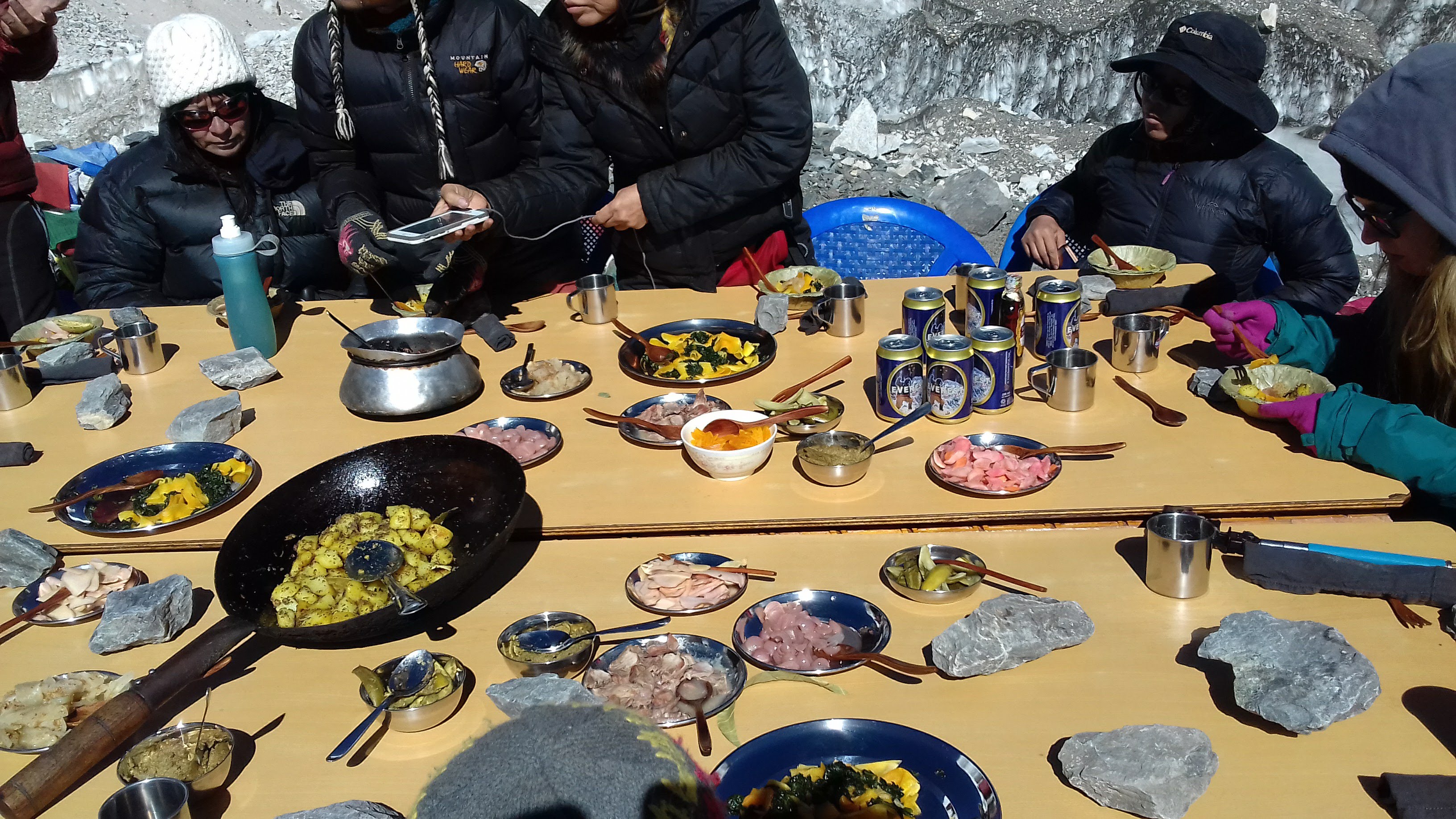
For thousands of trekkers each year, mountain teahouses are much more than places to eat and sleep. They are family-run businesses that provide warmth, comfort, and genuine hospitality in some of the world's most remote landscapes.
After a long day on the trail, a freshly prepared meal becomes one of the most memorable parts of the trekking experience.
Popular dishes served in Nepal's trekking regions include:
• Dal Bhat.
• Fried rice.
• Vegetable curry.
• Sherpa stew.
• Tibetan bread.
• Thukpa (noodle soup).
• Momo (dumplings).
• Tsampa porridge.
• Pancakes and porridge.
• Local herbal tea.
Choosing to eat at local teahouses directly supports mountain families while preserving traditional hospitality that has welcomed trekkers for generations.
Village Homestays and Authentic Food Experiences
Community homestays provide one of the best opportunities to experience Nepal's rich culinary traditions. Guests are welcomed into local homes where meals are prepared using recipes passed down through generations.
Depending on the region, visitors may enjoy:
• Traditional Thakali meals.
• Newari family feasts.
• Tharu village cuisine.
• Sherpa mountain dishes.
• Gurung specialties.
• Tamang home cooking.
• Rai and Limbu traditional foods.
These experiences allow travelers to learn about local ingredients, cooking methods, customs, and daily life while supporting community-based tourism.
Food Festivals and Nepal's Living Culture
Food is an important part of nearly every festival and celebration in Nepal. During religious events, family gatherings, and seasonal festivals, traditional dishes bring communities together and preserve cultural identity.
Travelers who visit during festivals often have the opportunity to experience special foods such as:
• Sel Roti during Dashain and Tihar.
• Yomari during Yomari Punhi.
• Bara and Chatamari at Newar festivals.
• Dhido with local curries in hill communities.
• Traditional sweets prepared during religious celebrations.
These culinary traditions are living expressions of Nepal's diverse cultures and add a memorable dimension to any visit.
Why Every Traveler Should Eat Local in Nepal
Choosing local food is one of the simplest ways to travel responsibly. It offers authentic flavors while directly benefiting the people and places that make Nepal such a special destination.
By eating local, travelers help:
• Support family-owned businesses.
• Preserve traditional recipes.
• Protect cultural heritage.
• Strengthen rural economies.
• Reduce environmental impact.
• Encourage sustainable agriculture.
• Create meaningful cultural exchanges.
• Keep tourism benefits within local communities.
Every local meal is more than food—it is an investment in Nepal's culture, communities, and sustainable future.
The Environmental Benefits of Choosing Local Food
Local food is not only important for culture and communities—it also supports environmental sustainability. When travelers choose locally produced meals, they help reduce the distance food travels and encourage the use of seasonal and regional ingredients.
In Nepal's mountain regions, local food systems are especially important because transporting supplies to remote areas can require significant effort and resources. Supporting local production helps reduce dependence on imported goods while strengthening traditional agricultural practices.
Benefits of choosing local food include:
• Supporting seasonal farming.
• Reducing food transportation distances.
• Encouraging traditional crop preservation.
• Minimizing unnecessary packaging.
• Reducing food waste.
• Protecting local biodiversity.
By enjoying local cuisine, travelers become part of a more sustainable tourism model that respects both people and the environment.
Challenges Facing Traditional Nepali Food
Although Nepal has an incredibly rich culinary heritage, traditional food systems face several challenges in the modern era.
Some challenges include:
• Changing food preferences among younger generations.
• Increased dependence on imported ingredients.
• Loss of traditional farming practices.
• Limited promotion of regional cuisines.
• Migration from rural villages.
• Commercialization of traditional recipes.
Sustainable tourism can help address these challenges by creating demand for authentic local food experiences. When visitors appreciate and enjoy traditional cuisine, communities gain more motivation to preserve their culinary heritage.
How Travelers Can Support Sustainable Food Tourism in Nepal
Every visitor can contribute to sustainable tourism through simple choices during their journey.
Travelers can support Nepal's local food culture by:
• Eating at locally owned restaurants and teahouses.
• Trying traditional regional dishes.
• Supporting village homestays.
• Buying local products from farmers and markets.
• Respecting cultural food traditions.
• Avoiding unnecessary food waste.
• Learning about the story behind local meals.
• Sharing positive experiences with others.
Responsible food choices create a stronger connection between travelers and the communities they visit.
The Future of Food Tourism in Nepal
Nepal has enormous potential to develop food tourism as part of its sustainable tourism strategy. The country's diverse landscapes and cultures provide countless opportunities for travelers to discover authentic culinary experiences.
Future opportunities include:
• Community-based food tours.
• Village cooking experiences.
• Organic farm visits.
• Himalayan food trails.
• Cultural festivals.
• Traditional cooking workshops.
• Sustainable trekking food systems.
By promoting local cuisine alongside mountains, wildlife, and cultural attractions, Nepal can offer travelers deeper and more meaningful experiences while creating long-term benefits for local communities.
Conclusion
Local food is an essential part of Nepal's identity and an important foundation for sustainable tourism. Every traditional meal represents the history, culture, agriculture, and hospitality of the communities that prepare it.
From the famous Dal Bhat enjoyed across the country to the unique flavors of Thakali, Newari, Tharu, Sherpa, Gurung, and other ethnic cuisines, Nepal's food heritage tells the story of its diverse people and landscapes.
For travelers, experiencing local food is more than tasting new flavors—it is a way to support communities, protect traditions, and travel responsibly.
Whether exploring Nepal through trekking, tours, peak climbing, or Himalayan expeditions, choosing local food helps create a positive connection between visitors and the places they discover.
By celebrating and supporting Nepal's traditional cuisine, we help ensure that these valuable cultural treasures continue to thrive for future generations.
Frequently Asked Questions
Why is local food important for sustainable tourism in Nepal?
Local food supports sustainable tourism by creating income for farmers, local businesses, and communities while helping preserve traditional culture and reduce dependence on imported products.
What is the most famous traditional food in Nepal?
Dal Bhat is Nepal's most famous traditional meal. It is a nutritious combination of rice, lentils, vegetables, pickles, and regional side dishes enjoyed throughout the country.
What are some traditional cuisines of Nepal?
Nepal has many regional cuisines, including Thakali cuisine, Newari cuisine, Tharu cuisine, Sherpa cuisine, Gurung cuisine, Tamang cuisine, Rai cuisine, and Limbu cuisine.
Can tourists experience local food during Nepal trekking?
Yes. Many trekking routes offer authentic local meals through mountain teahouses, lodges, and homestays. Popular trekking foods include Dal Bhat, momo, thukpa, Tibetan bread, Sherpa stew, and regional specialties.
How can travelers support sustainable tourism through food?
Travelers can support sustainable tourism by choosing local restaurants, eating traditional dishes, staying at community homestays, buying local products, and respecting Nepal's food traditions.
Any More Questions?
For more information about Nepal travel, including visas, transportation, weather, trekking preparation, safety, and cultural experiences, explore our Nepal Travel FAQs guide.
Why Travel with Mountain King Treks?
Choosing a responsible local travel partner helps you experience Nepal authentically while supporting local communities and sustainable tourism practices.
Mountain King Treks & Expedition Pvt. Ltd. specializes in creating meaningful Himalayan experiences, including trekking in Nepal, tours in Nepal, peak climbing in Nepal, and expedition climbing in Nepal, with a focus on safety, local knowledge, and responsible travel.
Learn more about why travelers choose us by visiting our Why Choose Mountain King Treks page.
Experience Nepal Through Authentic Local Journeys
Nepal’s local food, diverse cultures, mountain landscapes, and welcoming communities create unforgettable travel experiences. Discover traditional flavors and authentic Himalayan lifestyles while supporting local communities, promoting food tourism, and contributing to sustainable tourism and economic growth in Nepal.
Contact Us – Receive a free consultation and expert guidance for planning your Nepal adventure.
Plan Your Trip – Create a customized food, cultural, trekking, or Himalayan experience designed around your interests.
WhatsApp / Call: +977-9841566449
Email: info@mountainkingtrek.com