How Global Warming Is Changing Nepal's Himalayas
Nepal's Himalayas are among the world's most spectacular mountain landscapes, but they are also one of the regions most vulnerable to climate change. Rising temperatures are accelerating glacier retreat, expanding glacial lakes, altering weather patterns, and increasing the risk of floods, landslides, avalanches, and other natural hazards throughout the mountain regions.
The Himalayas are far more than a destination for Trekking in Nepal, Peak Climbing in Nepal, and Expedition Climbing in Nepal. They are the source of major river systems, home to extraordinary biodiversity, and the foundation of life for millions of people living in Nepal and across South Asia. As the climate changes, the impacts extend well beyond the mountains, affecting water resources, agriculture, wildlife, tourism, and local communities.
At Mountain King Treks & Expedition Pvt. Ltd., we believe that exploring the Himalayas also means understanding and protecting them. Responsible travel, environmental conservation, and sustainable tourism all play an important role in preserving these remarkable mountains for future generations.
This guide explains how global warming is transforming Nepal's Himalayas, why these changes matter, the warning signs already visible across the country's mountain regions, and the practical steps that governments, local communities, travelers, and conservation organizations can take to help protect one of the world's most important natural environments.
Helpful Nepal Travel Information
Before exploring Nepal's Himalayas, discover our collection of helpful travel guides covering visas, weather, trekking, peak climbing, expedition climbing, permits, safety, and responsible tourism. These resources will help you prepare for a safe, enjoyable, and unforgettable journey in Nepal.
Explore Our Travel Guides
• Nepal Travel Information Guide
• Nepal Visa Information
• Best Time to Visit Nepal
• Nepal Weather Guide
• Trekking in Nepal
• Peak Climbing in Nepal
• Expedition Climbing in Nepal
• Trekking Permits in Nepal
• Trekking Difficulty Guide
• Trekking Equipment Checklist
• Altitude Sickness Guide
• Responsible Tourism in Nepal
• Trekking Safety Guide
• Nepal National Parks Guide
The Himalayas Are Sending a Warning to the World
The Himalayas are often called the "Third Pole" because they contain the largest concentration of snow and ice outside the Arctic and Antarctica. Nepal alone is home to thousands of glaciers and glacial lakes that feed the Koshi, Gandaki, and Karnali river systems, providing freshwater for millions of people across South Asia.
For centuries, these mountains appeared timeless. Today, however, their changing landscape tells a different story. Glaciers are retreating, snowlines are moving higher, glacial lakes are expanding, and weather patterns are becoming increasingly unpredictable. These visible changes are among the clearest signs that the Himalayan environment is responding to a warming climate.
The impacts extend well beyond the mountains. Communities living downstream face growing challenges from floods, landslides, changing water supplies, and damage to roads, bridges, farmland, and hydropower projects. Wildlife is also under pressure as habitats shift and fragile alpine ecosystems continue to change.
The Himalayas are more than Nepal's greatest natural treasure—they are one of the world's most important mountain ecosystems. Protecting them means protecting freshwater resources, biodiversity, local communities, and future generations.
What Is Global Warming and Why Is It Happening?
Global warming refers to the long-term increase in Earth's average temperature, primarily caused by the buildup of greenhouse gases in the atmosphere. Human activities such as burning fossil fuels, deforestation, industrial development, and increasing energy consumption have accelerated this process over the past century.
Although Nepal produces only a small share of global greenhouse gas emissions, it is among the countries most vulnerable to climate change. Even modest increases in temperature can accelerate glacier melt, reduce seasonal snow cover, alter rainfall patterns, and increase the likelihood of floods, landslides, droughts, and other natural hazards.
The Himalayas respond quickly to these changes because they are highly sensitive mountain environments. Understanding the causes of global warming helps explain why Nepal's glaciers, rivers, wildlife, and communities are experiencing visible environmental changes today.
The Warning Signs Already Visible Across Nepal
Climate change is no longer a future concern—it is already affecting Nepal's mountains, forests, rivers, and communities. Scientists, local residents, and trekkers have observed significant environmental changes across many parts of the country.
Some of the most visible warning signs include:
• Retreating glaciers across the Himalayas.
• Expanding glacial lakes that require careful monitoring.
• Less predictable snowfall and changing snowlines.
• More frequent heavy rainfall events.
• Increased floods and landslides during the monsoon.
• Longer dry periods affecting agriculture and water resources.
• Forest fires becoming more common in some regions.
• Changing habitats for wildlife, including snow leopards and red pandas.
• Greater challenges for mountain communities, tourism, and infrastructure.
These warning signs remind us that protecting Nepal's Himalayas requires continued scientific research, conservation, responsible tourism, and international cooperation.
Melting Glaciers: Nepal's Water Towers Are Changing
The Himalayas are often called the Water Towers of Asia because they store enormous amounts of freshwater as snow and ice. Every year, glaciers slowly release meltwater that feeds Nepal's rivers, supports agriculture, generates hydropower, and supplies drinking water to millions of people across Nepal and neighboring countries.
A glacier is a massive body of ice formed over hundreds or even thousands of years as snowfall accumulates and compresses into solid ice. These frozen reservoirs may appear permanent, but they are constantly changing. During colder periods, glaciers gain more snow than they lose. As temperatures rise, however, melting begins to outpace snowfall, causing glaciers to shrink and retreat.
Across Nepal, scientists have documented glacier retreat in many Himalayan regions. Although the rate of change differs from one glacier to another, the overall trend shows that many glaciers are losing ice as temperatures continue to increase.
The loss of glacier ice affects far more than mountain scenery. It changes river flow, influences water availability during dry seasons, impacts hydropower production, affects agriculture, and alters fragile alpine ecosystems. As glaciers continue to retreat, they also create another growing challenge—expanding glacial lakes.
Glacial Lakes and GLOFs: Understanding the Growing Risk
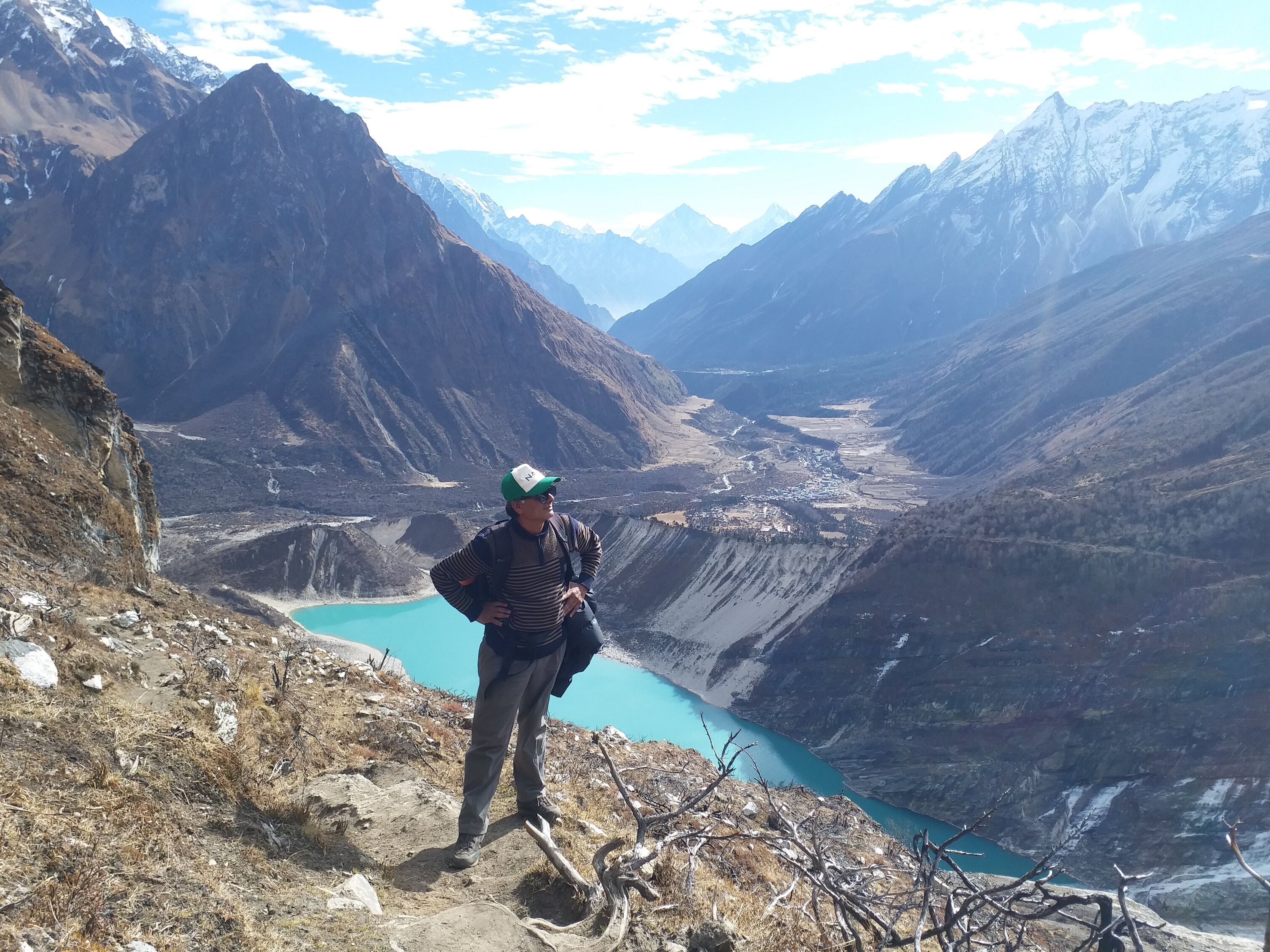
As glaciers melt, water often collects behind natural barriers of rock, soil, and ice, forming glacial lakes. Many of these lakes are stable, but some continue to expand as glacier melt accelerates.
When a natural moraine dam weakens or suddenly fails, a large volume of water can be released downstream in a matter of minutes. This event is known as a Glacial Lake Outburst Flood (GLOF).
A GLOF can carry enormous amounts of water, rocks, mud, and debris through mountain valleys, damaging bridges, roads, homes, farmland, hydropower facilities, and trekking trails. Communities located along riverbanks are particularly vulnerable because these floods can develop rapidly with little warning.
Nepal has identified several glacial lakes that require continuous monitoring. Scientists use satellite imagery, field surveys, water-level measurements, and early warning systems to better understand these lakes and reduce potential risks.
As the climate continues to warm, glacier retreat and glacial lake expansion remain among the most important environmental challenges facing Nepal's Himalayan region.
Imja Tsho: A Global Example of Climate Monitoring
Located in the Everest region, Imja Tsho is one of Nepal's most studied glacial lakes. Over recent decades, the lake has expanded considerably as the surrounding Imja Glacier has retreated.
Recognizing the potential risk of a Glacial Lake Outburst Flood, the Government of Nepal, together with national and international partners, carried out engineering work to lower the lake's water level and reduce pressure on its natural moraine dam. Continuous monitoring and scientific research continue today.
Imja Tsho demonstrates how proactive climate adaptation, scientific research, and international cooperation can significantly reduce disaster risks while protecting downstream communities.
Tsho Rolpa: One of Nepal's Most Closely Watched Glacial Lakes
Located in the beautiful Rolwaling Valley, Tsho Rolpa is one of Nepal's largest glacial lakes and has long been recognized as a potentially dangerous lake because of its size and natural moraine dam.
Extensive research and engineering measures have been undertaken to reduce the lake level and strengthen long-term monitoring. Although the risk has been reduced, Tsho Rolpa remains under continuous observation as scientists monitor changing environmental conditions.
This glacial lake illustrates how long-term planning, engineering solutions, and scientific monitoring can improve safety while helping communities adapt to a changing climate.
The Thame Flood: A Lesson from the Everest Region
The flood that affected Thame, a historic Sherpa village in the Everest region, reminded Nepal and the world how vulnerable mountain communities can be to high-altitude hazards.
Investigations linked the event to the sudden release of water from a glacial lake upstream. While researchers continue to study the exact sequence of events, the incident highlighted the importance of glacier monitoring, early warning systems, and disaster preparedness.
The Thame flood also demonstrated that climate-related mountain hazards can have far-reaching consequences. Roads, bridges, homes, trekking infrastructure, and local livelihoods may all be affected when large volumes of water move rapidly through narrow Himalayan valleys.
Although not every mountain disaster is caused solely by climate change, rising temperatures can contribute to conditions that increase the likelihood and severity of such events.
Major Glaciers of Nepal
Nepal is home to thousands of glaciers spread across its Himalayan landscape. These glaciers act as natural freshwater reservoirs, helping regulate river flow and supporting ecosystems throughout the region.
Some of Nepal's most important glaciers include:
Khumbu Glacier (Everest Region)
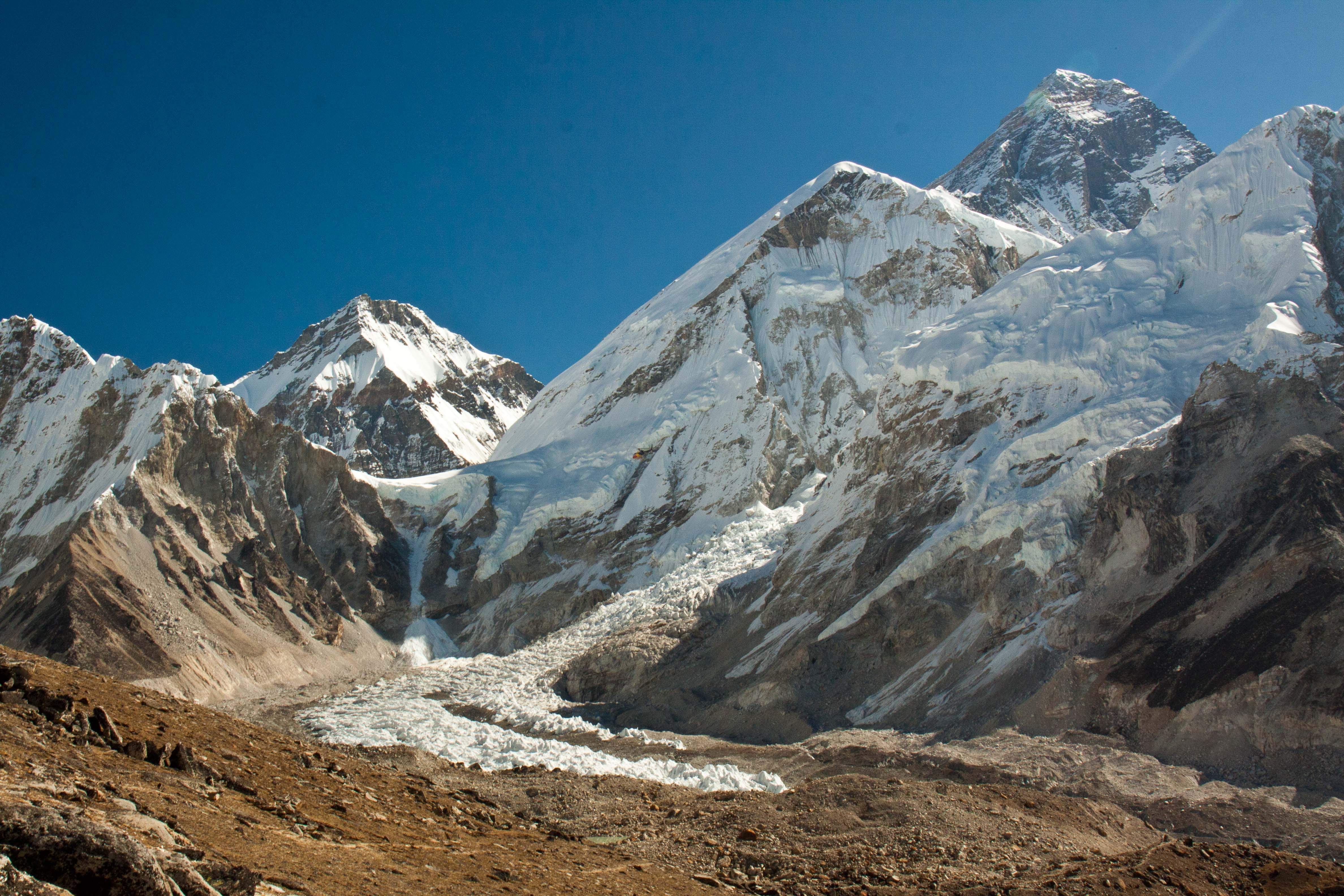
One of the world's best-known glaciers, the Khumbu Glacier stretches from the slopes of Mount Everest and is seen by thousands of trekkers on the journey to Everest Base Camp.
Ngozumpa Glacier (Everest Region)
The Ngozumpa Glacier is the longest glacier in Nepal. Located near the famous Gokyo Lakes, it is a vital part of the Everest region's high-altitude environment.
Imja Glacier (Everest Region)
The retreat of the Imja Glacier contributed to the formation and growth of Imja Tsho, making it an important focus of climate research.
Langtang Glaciers
The Langtang region contains numerous glaciers that feed rivers flowing through Langtang National Park and nearby mountain communities.
Kanchenjunga Glaciers
Eastern Nepal's Kanchenjunga region contains extensive glacier systems that support one of the country's richest mountain ecosystems.
Annapurna and Dhaulagiri Glaciers
These glacier systems help sustain western Nepal's river networks while supporting two of the world's most famous trekking regions.
Nepal's glaciers are more than frozen landscapes. They are essential sources of freshwater, biodiversity, and ecological balance, making their protection an important priority for both Nepal and the wider Himalayan region.
Nepal's Rivers Begin in the Himalayas
The glaciers and snowfields of the Himalayas are the source of Nepal's major river systems. Every year, melting snow and glacier ice help maintain river flow, providing freshwater for drinking, agriculture, hydropower, fisheries, and ecosystems across Nepal and beyond.
The country's three major river systems all begin in the Himalayas:
Koshi River System
The Koshi River originates in eastern Nepal and is fed by numerous Himalayan glaciers and snow-fed tributaries. It plays a vital role in agriculture, hydropower, and water supply.
Gandaki River System
Flowing through central Nepal, the Gandaki River supports farming communities, biodiversity, tourism, and several major hydropower projects before continuing into India.
Karnali River System
The Karnali, Nepal's longest river, begins in the high Himalayas of western Nepal. It is one of the country's most important rivers for freshwater, fisheries, wildlife, and renewable energy.
Changes in glacier melt and seasonal rainfall can influence river flow, affecting communities that rely on these rivers throughout the year. Protecting Nepal's glaciers also helps protect the rivers that sustain millions of lives.
How Global Warming Is Affecting Nepal's Wildlife
Nepal's Himalayas are home to an extraordinary variety of wildlife, many of which are found nowhere else on Earth. Rising temperatures, changing vegetation, shifting snowlines, and changing weather patterns are gradually altering these fragile ecosystems.
Species facing increasing environmental pressure include:
• Snow Leopard
• Red Panda
• Himalayan Tahr
• Musk Deer
• Blue Sheep
• Himalayan Monal
• Himalayan Black Bear
• Numerous alpine birds, insects, and medicinal plants
As habitats change, wildlife may move to higher elevations or compete for shrinking resources. Climate change also increases pressure on species already threatened by habitat loss, illegal hunting, and human activities.
Protecting Nepal's biodiversity requires conserving forests, alpine meadows, rivers, glaciers, and the natural habitats that support these remarkable species.
How Climate Change Is Affecting Trekking and Tourism in Nepal
Nepal's trekking and mountaineering industry depends on healthy mountain environments. Every year, thousands of visitors travel to Nepal to experience the beauty of the Himalayas, explore remote villages, and climb some of the world's highest peaks.
Climate change is gradually reshaping many of these mountain landscapes.
Some of the most noticeable impacts include:
• Retreating glaciers altering iconic scenery.
• Increased landslide risks along trekking routes.
• Flood damage to bridges and mountain trails.
• Less predictable weather conditions.
• Greater maintenance requirements for trekking infrastructure.
• Additional challenges for mountain communities that depend on tourism.
Despite these changes, Nepal remains one of the world's premier adventure destinations. Responsible tourism, improved infrastructure, scientific monitoring, and community-based conservation can help ensure that future generations continue to enjoy the Himalayas safely.
Who Is Most at Risk?
The impacts of global warming extend far beyond glaciers and mountain peaks. Many people, industries, and ecosystems depend on the stability of Nepal's Himalayan environment.
Those most vulnerable include:
• Mountain communities living near glaciers and river valleys.
• Families residing along flood-prone rivers.
• Farmers who depend on reliable rainfall and irrigation.
• Hydropower projects affected by changing river flows and sediment.
• Roads, bridges, and other mountain infrastructure.
• Trekking lodges and tourism businesses.
• National parks and conservation areas.
• Wildlife dependent on high-altitude habitats.
• Future generations who will inherit today's environmental decisions.
Protecting the Himalayas means protecting both nature and the people whose livelihoods depend on it.
What Could Happen If We Ignore the Himalayas' Warning?
The Himalayas are already showing visible signs of environmental change. If global warming continues unchecked, the consequences may become more severe in the years ahead.
Possible long-term impacts include:
• Continued glacier retreat.
• Expansion of glacial lakes.
• Increased risk of Glacial Lake Outburst Floods (GLOFs).
• More frequent floods and landslides.
• Water shortages during dry seasons.
• Increased pressure on agriculture and food security.
• Greater challenges for hydropower and infrastructure.
• Habitat loss for endangered wildlife.
• Economic impacts on mountain tourism.
• Increased costs for disaster management and climate adaptation.
The choices made today will help determine how well Nepal's mountain communities and ecosystems can adapt to future environmental changes.
What Can We Do to Protect Nepal's Himalayas?
Although Nepal contributes only a small share of global greenhouse gas emissions, many practical actions can help reduce climate risks and strengthen resilience.
Governments and Organizations
• Expand glacier and glacial lake monitoring.
• Strengthen flood and landslide early warning systems.
• Protect forests and restore degraded landscapes.
• Support scientific research and climate adaptation.
• Invest in renewable energy and resilient infrastructure.
Local Communities
• Protect community forests.
• Promote sustainable farming practices.
• Improve disaster preparedness.
• Conserve water resources.
Travelers and Trekkers
• Follow Leave No Trace principles.
• Minimize plastic waste.
• Respect wildlife and protected areas.
• Support local guides and communities.
• Choose environmentally responsible trekking companies.
• Learn about climate change and share awareness with others.
Every responsible decision—whether made by governments, communities, businesses, or travelers—helps preserve Nepal's extraordinary Himalayan environment.
The Future of Nepal's Himalayas
The future of Nepal's Himalayas depends on the choices we make today. Although climate change presents significant challenges, there is also hope. Scientists, conservation organizations, governments, local communities, and responsible travelers are working together to better understand mountain environments, strengthen disaster preparedness, and protect Nepal's unique natural heritage.
Modern technologies such as satellite monitoring, drones, weather stations, and field research provide valuable information about glacier retreat, glacial lakes, weather patterns, and changing ecosystems. This knowledge helps improve early warning systems, supports climate adaptation, and guides long-term conservation efforts.
Mountain communities have always adapted to changing environments. By combining traditional knowledge with modern science, Nepal can continue protecting its rivers, forests, wildlife, and mountain landscapes for future generations.
The Himalayas have stood for millions of years. Protecting them today ensures they continue to inspire, sustain, and support life for generations to come.
10 Warning Signs the Himalayas Are Giving Us
The Himalayas may not speak with words, but they send clear signals through the changes taking place across Nepal's mountains.
1. Glaciers are retreating across many Himalayan regions.
2. Glacial lakes are expanding and require continuous monitoring.
3. Snowfall patterns are becoming less predictable.
4. Heavy rainfall events are increasing in some mountain regions.
5. Floods and landslides continue to threaten communities and infrastructure.
6. Wildlife habitats are changing as temperatures rise.
7. Rivers are experiencing changes in seasonal flow.
8. Mountain communities face increasing environmental challenges.
9. Tourism must adapt to changing mountain conditions.
10. The choices we make today will shape the future of the Himalayas.
These warning signs remind us that protecting Nepal's mountains requires long-term commitment, scientific research, responsible tourism, and global cooperation.
Conclusion
The Himalayas are one of the world's greatest natural treasures. They provide freshwater, support extraordinary biodiversity, preserve unique cultures, and inspire millions of people through adventure, exploration, and scientific discovery.
Today, however, the mountains are changing. Retreating glaciers, expanding glacial lakes, changing weather patterns, and increasing natural hazards demonstrate why climate change has become one of the greatest environmental challenges facing Nepal.
Protecting the Himalayas is about far more than conserving mountain landscapes. It means safeguarding rivers, wildlife, local communities, tourism, agriculture, and the natural heritage that future generations deserve to inherit.
The warning from the Himalayas is clear. By supporting conservation, responsible tourism, scientific research, and sustainable development, we can all play a part in protecting one of the most remarkable mountain environments on Earth.
Frequently Asked Questions
1. Why is global warming a major concern for Nepal?
Global warming is accelerating glacier retreat, expanding glacial lakes, altering weather patterns, and increasing the risks of floods, landslides, and other natural hazards that affect people, wildlife, and mountain ecosystems.
2. What is a Glacial Lake Outburst Flood (GLOF)?
A GLOF is a sudden flood caused when water escapes rapidly from a glacial lake after its natural dam fails. These events can damage communities, infrastructure, farmland, and river valleys downstream.
3. How does climate change affect trekking in Nepal?
Climate change can influence trekking conditions through changing weather, glacier retreat, landslides, damaged trails, and seasonal variations. Responsible planning and up-to-date local information help travelers stay safe.
4. Can travelers help protect the Himalayas?
Yes. Travelers can reduce waste, respect wildlife, support local communities, choose responsible trekking companies, and follow sustainable travel practices to help protect Nepal's fragile mountain environment.
5. Where can I learn more about traveling in Nepal?
For answers to common questions about visas, trekking permits, weather, transportation, accommodation, safety, and travel planning, visit our comprehensive Nepal Travel FAQs guide.
Travel Responsibly in Nepal with Mountain King Treks
Choosing an experienced local trekking company helps protect Nepal's fragile Himalayan environment while supporting mountain communities and responsible tourism. Learn why travelers from around the world choose Mountain King Treks & Expedition Pvt. Ltd. for trekking in Nepal, peak climbing in Nepal, expedition climbing in Nepal, cultural tours, and customized Himalayan adventures by visiting our Why Choose Mountain King Treks page.
Protect the Himalayas Through Responsible Travel
Exploring Nepal's mountains is more than reaching a destination—it's about respecting nature, supporting local communities, and helping preserve one of the world's most extraordinary mountain environments. Whether you're interested in trekking in Nepal, peak climbing in Nepal, expedition climbing in Nepal, or a customized Himalayan journey, Mountain King Treks & Expedition Pvt. Ltd. is committed to responsible, safe, and authentic travel experiences.
Contact Us – Receive a free travel consultation and expert advice for planning your Himalayan adventure.
Plan Your Trip – Customize your perfect trekking, climbing, or cultural journey across Nepal.
WhatsApp / Call: +977-9841566449
Email: info@mountainkingtrek.com