Bhutan Cultural Experiences: Discover the Kingdom's Living Traditions
Bhutan Cultural Experiences offer a fascinating insight into a remarkable Himalayan kingdom where ancient Buddhist traditions, peaceful monasteries, colourful festivals and traditional village life remain deeply connected to everyday living. Nestled between Nepal, India, China and Tibet, Bhutan offers travellers a distinctive cultural journey shaped by spirituality, nature, history and a strong sense of national identity. From sacred temples and magnificent dzongs to remote mountain villages and vibrant religious celebrations, exploring Bhutan's living culture reveals the traditions and values that make this Himalayan country so unique.
Known for its emphasis on Gross National Happiness, environmental conservation and cultural preservation, Bhutan provides an opportunity to experience a way of life that has retained much of its traditional character while embracing the modern world. Travelling through its valleys and mountain landscapes allows visitors to discover the country's architecture, religious practices, festivals, local customs, traditional arts, cuisine and hospitality.
Whether visiting the iconic Tiger's Nest Monastery, attending a colourful Tshechu festival, exploring historic Punakha Dzong or walking through traditional villages, Bhutan offers meaningful insights into its heritage and everyday life.
Planning your journey? Explore our Bhutan Travel Guide for helpful information about destinations, travel planning, attractions, cultural highlights and practical details for visiting Bhutan.
Discover Bhutan's Unique Cultural Heritage
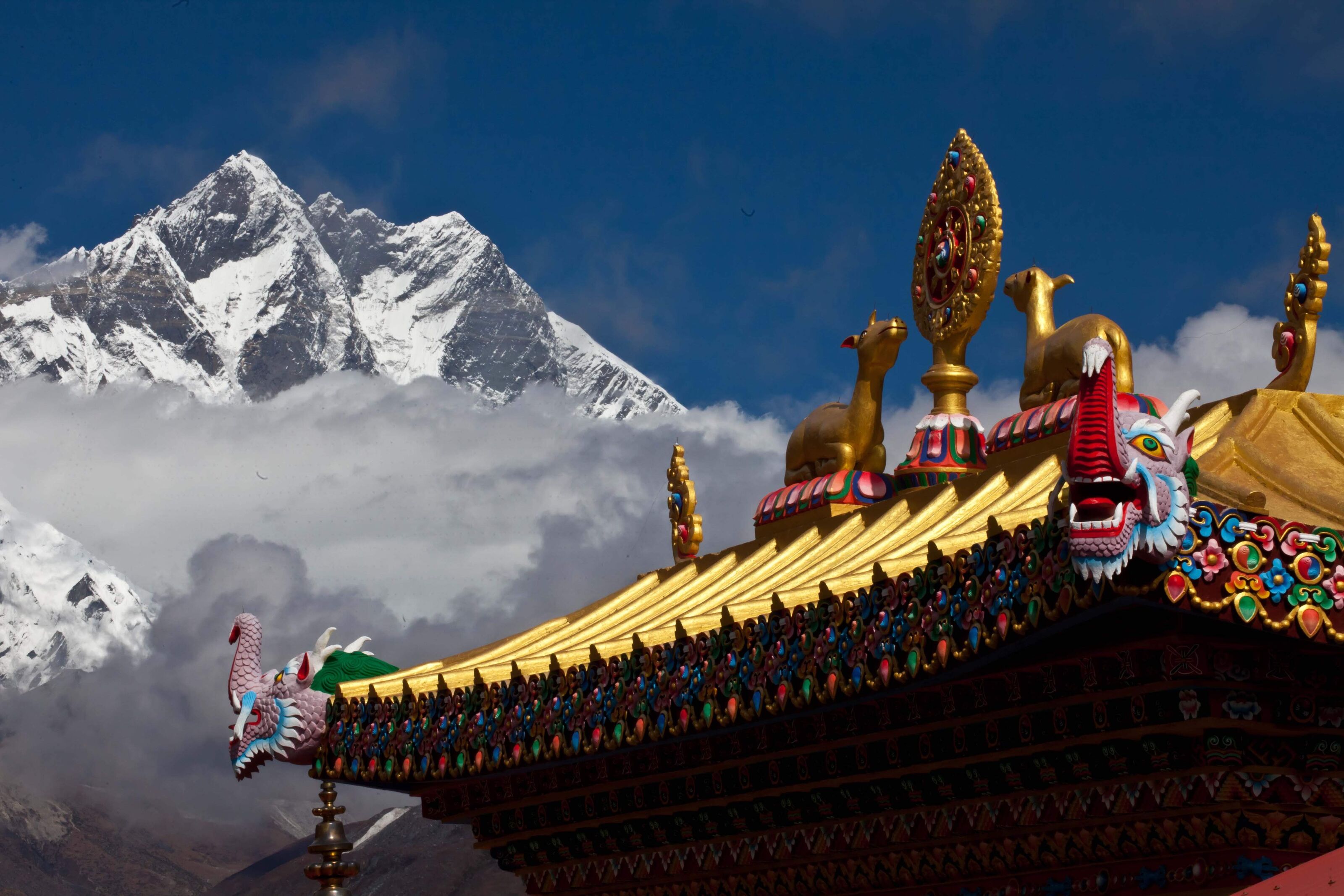
Bhutan's cultural identity is strongly influenced by Vajrayana Buddhism, which shapes religious ceremonies, architecture, festivals, daily traditions and the country's spiritual outlook. Throughout Bhutan, prayer flags flutter across mountain passes, prayer wheels line monastery entrances, and sacred temples stand in peaceful valleys surrounded by forests and Himalayan landscapes.
The country's cultural heritage is preserved through traditional architecture, religious institutions, festivals, craftsmanship, national dress and community celebrations. Many Bhutanese communities continue to follow customs and traditions passed down through generations, providing travellers with an opportunity to experience authentic cultural encounters.
Bhutan's cultural identity is also reflected in its traditional values, respect for nature, community relationships and the preservation of its historical landmarks. Visiting Bhutan allows travellers to explore these traditions through everyday life as well as important religious and cultural events.
Visit Bhutan's Ancient Monasteries and Sacred Dzongs
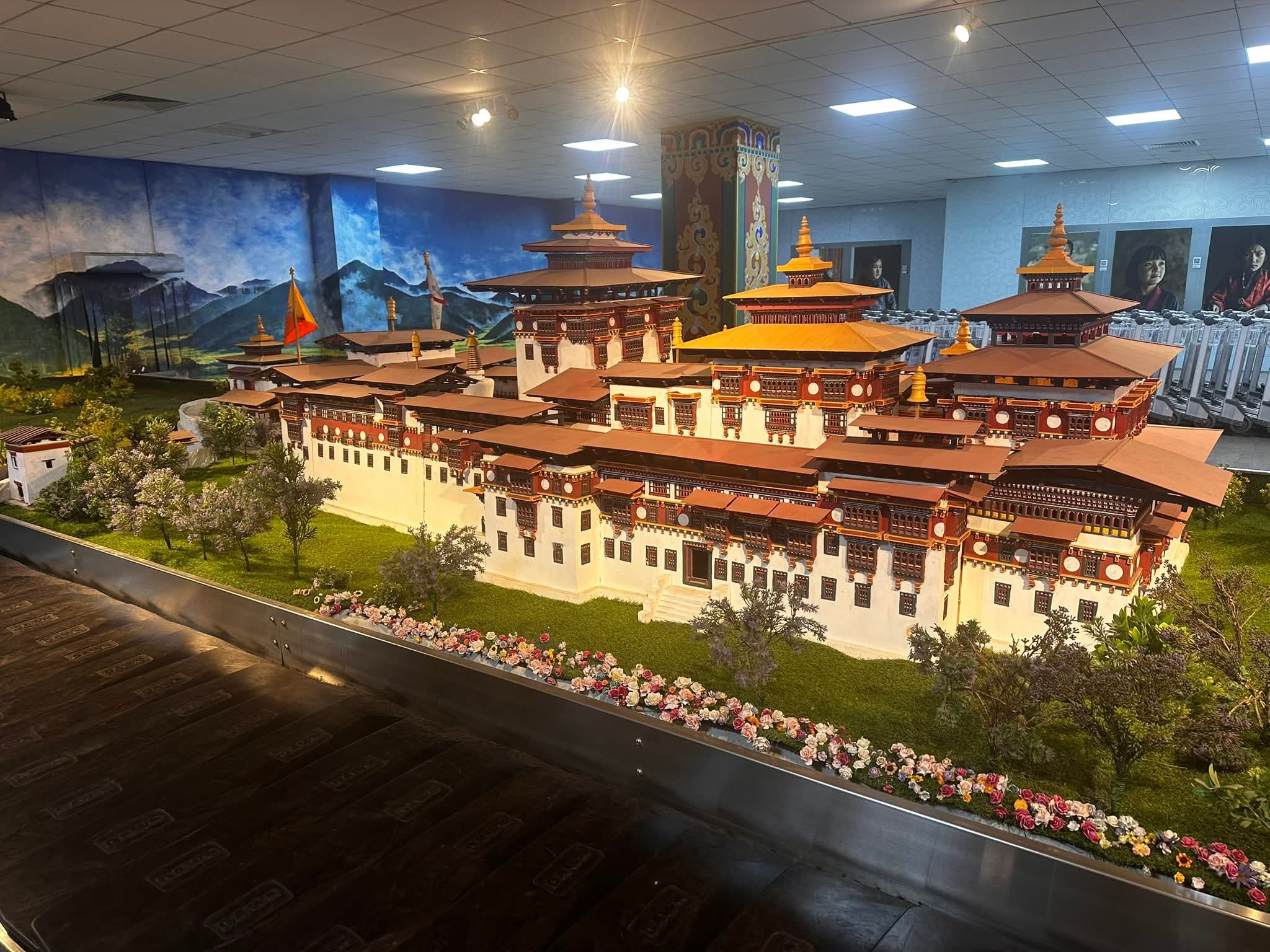
Bhutan is home to magnificent monasteries, historic dzongs and sacred temples that represent centuries of Buddhist heritage, spiritual devotion and traditional architecture. These religious landmarks are among the country's most important cultural attractions, offering peaceful surroundings, historical significance and beautiful views of Bhutan's valleys and mountains.
Tiger's Nest Monastery – Paro Taktsang
Tiger's Nest Monastery, locally known as Paro Taktsang, is one of Bhutan's most iconic religious landmarks. Perched dramatically on a cliff approximately 900 metres above the Paro Valley, this sacred monastery is closely associated with Guru Rinpoche, who is believed to have meditated here during the eighth century.
The hike to Tiger's Nest takes visitors through forested trails, mountain viewpoints and peaceful surroundings, eventually reaching the monastery complex overlooking the valley. Its dramatic location, spiritual significance and architectural beauty make it one of Bhutan's most memorable cultural experiences.
Punakha Dzong
Punakha Dzong, situated at the confluence of the Pho Chhu and Mo Chhu rivers, is one of Bhutan's most beautiful and historically significant dzongs. Known as the Palace of Great Happiness, it has played an important role in Bhutan's religious and political history.
The dzong features traditional Bhutanese architecture, beautifully decorated wooden structures, courtyards, temples and impressive surroundings. Visitors can explore its historic interiors and learn about Bhutan's Buddhist traditions and heritage.
Kyichu Lhakhang
Kyichu Lhakhang is one of Bhutan's oldest and most sacred temples, located in the Paro Valley. Traditionally associated with the seventh-century Tibetan king Songtsen Gampo, the temple is believed to have been established as part of his efforts to overcome a demoness and spread Buddhism across the Himalayan region.
The temple remains an important pilgrimage site and offers a peaceful atmosphere for visitors interested in Bhutan's early Buddhist history, religious traditions and spiritual heritage.
Tashichho Dzong
Tashichho Dzong, located in Thimphu, is an important religious and administrative landmark of Bhutan. Its impressive architecture, traditional courtyards, ornate decorations and surrounding gardens reflect the country's distinctive architectural style and cultural identity.
The dzong is home to important government offices and religious institutions and is particularly beautiful during the evening when its traditional structures are illuminated.
Experience Bhutan's Colourful Religious Festivals
Bhutan's religious festivals, known as Tshechus, are among the most vibrant and memorable cultural experiences in the country. These celebrations honour Guru Rinpoche and feature sacred mask dances, traditional music, religious rituals, colourful costumes and community gatherings.
Tshechu festivals are usually held in courtyards of monasteries and dzongs, bringing together local communities, monks, families and visitors. The dances and rituals are believed to bring blessings, spiritual purification and good fortune.
Paro Tshechu
Paro Tshechu is one of Bhutan's most famous religious festivals, held annually in the courtyard of Paro Dzong. The festival features traditional mask dances, religious performances, colourful costumes and sacred ceremonies.
One of the most significant events is the unveiling of a giant religious thangka, known as the Thongdrel, which attracts devotees and visitors from across Bhutan. Paro Tshechu provides an excellent opportunity to witness Bhutanese religious traditions, cultural celebrations and community life.
Thimphu Tshechu
Thimphu Tshechu is another major religious festival celebrated in Bhutan's capital. Held at Tashichho Dzong, the festival features traditional dances performed by monks and lay dancers, accompanied by religious music and colourful ceremonial costumes.
The festival attracts large numbers of Bhutanese people who gather to receive blessings, celebrate their heritage and participate in religious activities.
Punakha Tshechu
Punakha Tshechu is celebrated at Punakha Dzong and offers an opportunity to experience Bhutan's religious traditions in one of the country's most beautiful historic settings. The festival features sacred mask dances, religious ceremonies and traditional performances.
The celebration reflects the spiritual importance of Punakha Dzong and the role of festivals in preserving Bhutanese culture and community traditions.
Jambay Lhakhang Drup
Jambay Lhakhang Drup is a traditional religious festival celebrated at Jambay Lhakhang in Bumthang, one of Bhutan's most important spiritual regions. The festival features sacred dances, religious ceremonies and traditional performances, including the famous fire dance.
It provides a fascinating opportunity to experience the spiritual traditions, rituals and cultural heritage of central Bhutan.
Explore Traditional Bhutanese Villages and Rural Life
Exploring Bhutan's traditional villages is one of the most rewarding ways to experience the country's culture and everyday life. Rural communities are often surrounded by terraced farmland, forests, rivers, traditional houses and peaceful mountain landscapes.
Many Bhutanese villages retain traditional architectural styles, with houses featuring wooden windows, decorative paintings, whitewashed walls and distinctive roofs. Local communities continue agricultural activities, religious traditions and seasonal celebrations that reflect their connection to nature and the land.
Paro Valley
Paro Valley is one of Bhutan's most accessible and culturally rich destinations. Surrounded by mountains, farmland and traditional settlements, the valley is home to important monasteries, historic buildings, local markets and beautiful landscapes.
Visitors can explore traditional villages, walk through rice fields, visit ancient temples and experience the peaceful atmosphere of rural Bhutan.
Punakha Valley
Punakha Valley is known for its fertile agricultural land, rivers, traditional villages and historic dzong. The valley's warmer climate supports rice cultivation and other agricultural activities, while its cultural landmarks provide opportunities to explore Bhutan's heritage.
Walking through the countryside, visiting traditional settlements and exploring the river valleys allow travellers to experience the natural and cultural beauty of Punakha.
Bumthang Valley
Bumthang is one of Bhutan's most important spiritual and cultural regions, often considered the heartland of Bhutanese Buddhism. The region includes several valleys, ancient monasteries, sacred temples, traditional villages and historic landmarks.
Visitors can explore local communities, visit religious sites, discover traditional craftsmanship and experience the peaceful atmosphere of central Bhutan.
Discover Bhutanese Traditional Dress, Arts and Craftsmanship
Bhutan's traditional dress, arts and craftsmanship are important expressions of its cultural identity. Traditional clothing is worn during religious ceremonies, festivals, formal occasions and everyday activities.
Men commonly wear the Gho, a knee-length traditional garment, while women wear the Kira, a long woven dress accompanied by a blouse and traditional accessories. These garments reflect Bhutanese identity and are an important part of the country's cultural heritage.
Bhutan is also known for its traditional arts and crafts, collectively referred to as Zorig Chusum, which include painting, sculpture, wood carving, weaving, pottery, embroidery, metalwork and other traditional skills.
Visitors can explore local handicraft shops, traditional workshops and cultural centres to learn about these skills and observe the craftsmanship that has been preserved through generations.
Taste Traditional Bhutanese Cuisine
Bhutanese cuisine is an important part of the country's cultural experience, featuring locally grown ingredients, traditional cooking methods and distinctive flavours. Rice, vegetables, chillies, cheese and meat are commonly used in Bhutanese meals.
One of the country's most famous dishes is Ema Datshi, a spicy preparation of chillies and cheese. Other traditional dishes include Phaksha Paa, a pork dish cooked with chillies and vegetables; Jasha Maru, a spicy chicken preparation; and Momos, steamed dumplings popular throughout the Himalayan region.
Bhutanese meals often reflect the country's agricultural traditions and regional ingredients. Visiting local restaurants, traditional farmhouses and community dining establishments offers an opportunity to experience Bhutanese hospitality and food culture.
Combine Bhutan Cultural Experiences with Trekking
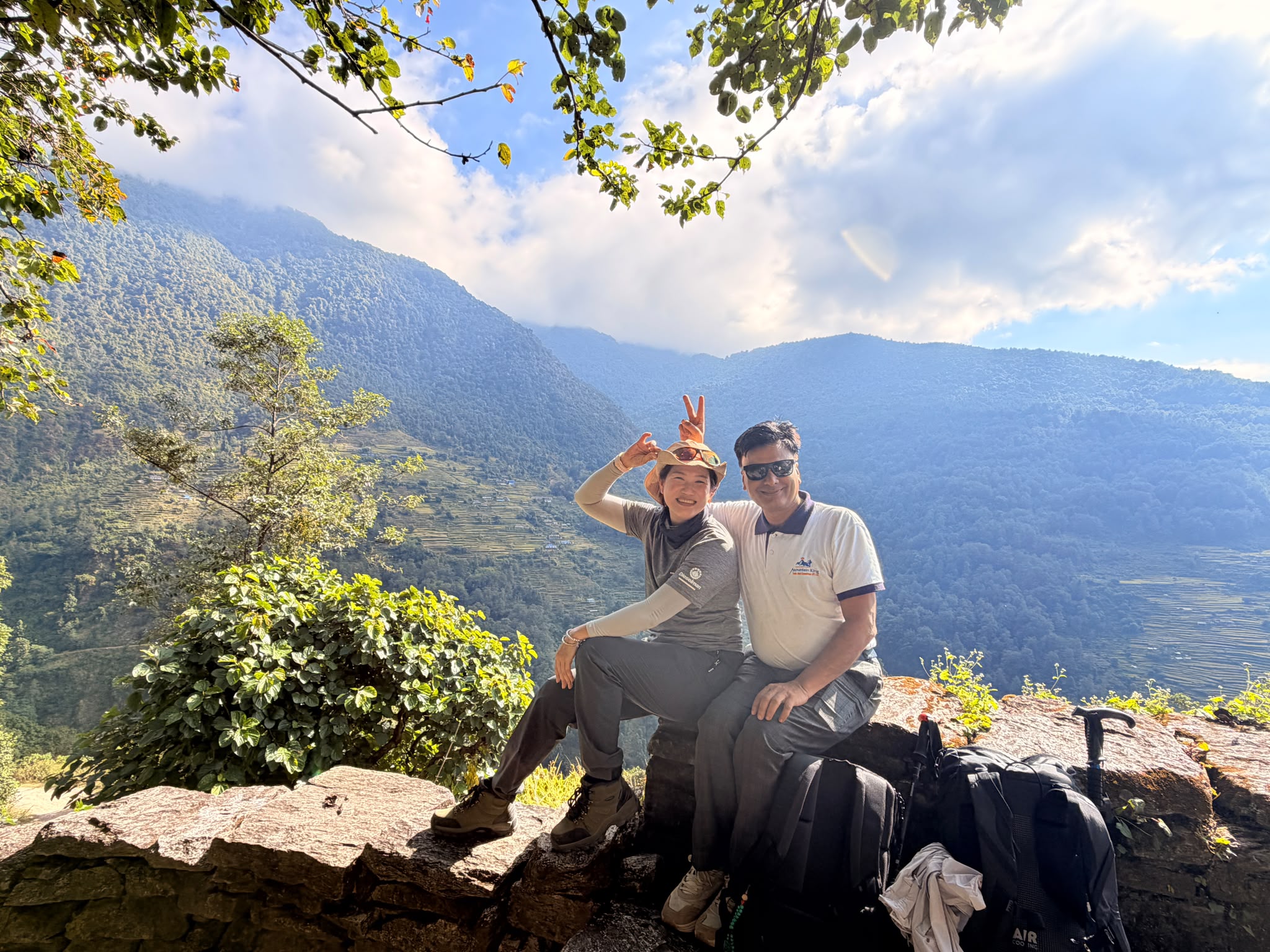
Bhutan offers an extraordinary combination of cultural exploration and trekking through peaceful valleys, forested mountain trails, remote villages, alpine landscapes and sacred monasteries. Travellers can combine visits to historic dzongs and temples with day hikes or multi-day trekking adventures to experience both the cultural and natural beauty of the Himalayan kingdom.
From short scenic hikes around Paro and Thimphu to challenging trekking routes through remote mountain regions, Bhutan provides opportunities for travellers with different levels of trekking experience.
Popular trekking experiences include the Druk Path Trek, which connects Paro and Thimphu through alpine lakes, mountain ridges and historic monasteries; the Jomolhari Trek, offering spectacular Himalayan scenery and remote mountain villages; the Bumthang Owl Trek, exploring forested landscapes and traditional settlements; and the Snowman Trek, one of the most challenging long-distance trekking adventures in the Bhutanese Himalayas.
For travellers interested in exploring Bhutan on foot, our Bhutan Trekking Guide introduces some of the country's most rewarding trekking routes, mountain landscapes, trail experiences and trekking opportunities, from scenic short hikes to challenging high-altitude adventures.
Explore Bhutan Tours and Trekking Adventures
Bhutan offers a remarkable variety of travel experiences, from exploring ancient monasteries, historic dzongs and traditional villages to walking through forested valleys and trekking beneath spectacular Himalayan peaks. Whether you are planning a short cultural visit, a multi-day tour through Bhutan's major valleys, or a trekking adventure surrounded by pristine mountain landscapes, Mountain King Treks offers a range of Bhutan tours and trekking experiences to suit different travel interests and schedules.
Popular Tours in Bhutan
Our Bhutan tour collection includes short cultural experiences, journeys through Bhutan's major western valleys, hiking-focused itineraries and longer trips reaching central Bhutan.
Bhutan Highlights Tour – 4 Days
A short introduction to Bhutan covering the essential highlights of Paro and Thimphu, including important cultural sites, traditional architecture and the iconic Tiger's Nest Monastery.
Discover Bhutan's three major cultural destinations—Paro, Thimphu and Punakha—with scenic mountain roads, historic dzongs, monasteries and traditional Bhutanese landscapes.
Bhutan Tour with Day Hiking – 6 Days
Combine cultural sightseeing with enjoyable day hikes through Bhutan's forests, villages and scenic mountain landscapes for a more active travel experience.
Experience Bhutan's cultural heritage in greater depth through monasteries, dzongs, traditional villages, historic landmarks and the distinctive traditions of Bhutanese life.
Western Bhutan Discovery Tour – 8 Days
Explore the cultural and natural highlights of western Bhutan at a relaxed pace, with more time to discover its valleys, historic sites, villages and mountain scenery.
Complete Bhutan Tour – 10 Days
A comprehensive Bhutan journey covering major destinations including Paro, Thimphu, Punakha, Gangtey, Trongsa and Bumthang, ideal for travellers wanting to experience more of the country in one trip.
Explore our Tours in Bhutan collection for more cultural journeys, sightseeing itineraries and Himalayan travel experiences.
Popular Trekking Adventures in Bhutan
Bhutan's trekking routes offer a fascinating combination of mountain scenery, remote valleys, alpine lakes, traditional villages, Buddhist monasteries and spectacular Himalayan views. Whether you prefer a shorter trekking journey or a challenging expedition through remote mountain regions, Bhutan has trekking experiences for different interests and levels of preparation.
The Druk Path Trek is a classic Himalayan trekking journey connecting Paro and Thimphu. The route passes through beautiful forests, mountain ridges, alpine lakes, high-altitude landscapes and historic sites, making it an excellent choice for travellers seeking a rewarding shorter trekking adventure in Bhutan.
Dagala Thousand Lakes Trek – 9 Days
The Dagala Thousand Lakes Trek takes travellers into the scenic high mountains south of Thimphu. The route features alpine lakes, open mountain ridges, remote campsites, panoramic Himalayan views and peaceful trekking trails through the beautiful Dagala region.
The Jomolhari Trek is one of Bhutan's classic high-altitude trekking experiences, featuring dramatic Himalayan landscapes, remote valleys, traditional settlements, mountain passes and spectacular views of Mount Jomolhari. This challenging journey is ideal for trekkers seeking a more demanding adventure in Bhutan's mountain wilderness.
The Snowman Trek is one of the most challenging and remote trekking journeys in the Bhutanese Himalayas. This exceptional expedition traverses isolated valleys, high mountain passes, remote villages and spectacular alpine landscapes, offering an extraordinary experience for experienced high-altitude trekkers.
The Bumthang Owl Trek is another rewarding trekking experience in central Bhutan, combining forested trails, traditional villages, beautiful mountain scenery and cultural encounters.
Explore our Trekking in Bhutan collection for more trekking routes and available itineraries.
Best Time to Experience Bhutan's Culture
Bhutan can be visited throughout much of the year, although spring and autumn are generally considered the most favourable seasons for cultural tours, sightseeing and trekking.
Spring (March–May): Spring offers pleasant temperatures, flowering landscapes and beautiful mountain scenery. It is also an excellent season for cultural sightseeing, nature walks and trekking, with some important festivals taking place during this period.
Summer (June–August): Summer brings warmer temperatures, lush green valleys and agricultural landscapes. The monsoon season can bring rain, particularly in southern and lower regions, although cultural tours can still be enjoyable with flexible travel planning.
Autumn (September–November): Autumn is one of the most popular seasons for visiting Bhutan, with generally clear skies, pleasant temperatures and beautiful mountain views. It is an excellent time for cultural tours, trekking and visiting traditional villages.
Winter (December–February): Winter offers quieter travel conditions, fewer visitors and beautiful views in many valleys. Although temperatures can be cold, particularly at higher elevations, lower-altitude cultural destinations remain rewarding to explore.
The best time to visit Bhutan depends on your preferred destinations, travel activities, festival dates and weather conditions.
Why Explore Bhutan with Mountain King Treks?
Mountain King Treks & Expedition Pvt. Ltd. organises carefully planned Himalayan journeys for travellers interested in Bhutan's cultural heritage, traditional villages, monasteries, festivals, scenic landscapes and trekking adventures.
Founded in Kathmandu in 2017 by veteran guide Govinda Prasad Sapkota, known as the King of the Mountains, our trekking agency brings extensive Himalayan travel experience, personalised trip planning and professional travel arrangements to travellers exploring the Himalayan region.
We organise Bhutan cultural tours, sightseeing journeys, day hikes and multi-day trekking adventures, with itineraries tailored to travellers' interests, available time and travel preferences.
Whether you wish to explore ancient monasteries, experience colourful festivals, discover traditional villages or trek through remote Himalayan landscapes, we can help arrange a memorable journey through Bhutan.
Discover more about the country on our Destination Bhutan page and explore our Bhutan tours and trekking adventures featured above.
Bhutan Cultural Experiences – FAQs
1. What are the most popular cultural experiences in Bhutan?
The most popular cultural experiences in Bhutan include visiting ancient monasteries and dzongs, attending colourful Tshechu festivals, exploring traditional villages, discovering Bhutanese arts and crafts, learning about traditional dress and tasting local cuisine.
2. Which monasteries should I visit in Bhutan?
Tiger's Nest Monastery in Paro, Punakha Dzong, Kyichu Lhakhang and Tashichho Dzong in Thimphu are among Bhutan's most famous cultural and religious landmarks. Each offers a unique insight into Bhutanese Buddhist traditions, history and architecture.
3. Can I experience Bhutanese festivals during a cultural tour?
Yes. Travellers can experience Bhutanese festivals such as Paro Tshechu, Thimphu Tshechu, Punakha Tshechu and Jambay Lhakhang Drup, depending on their travel dates. Festival dates vary annually according to the Bhutanese lunar calendar, so it is advisable to plan your journey in advance.
4. Can I combine a Bhutan cultural tour with trekking?
Yes. Bhutan offers excellent opportunities to combine cultural sightseeing with day hikes and multi-day trekking adventures. Travellers can visit monasteries, dzongs and traditional villages while exploring scenic mountain trails, forests, alpine landscapes and remote Himalayan communities.
5. How many days are recommended for a cultural tour of Bhutan?
A cultural tour of Bhutan generally requires four to seven days to explore major destinations such as Paro, Thimphu and Punakha. Travellers wishing to explore central Bhutan, including Gangtey, Trongsa and Bumthang, may benefit from a longer itinerary of eight to ten days or more, depending on their travel plans.
Plan your next Bhutanese cultural journey with Mountain King Treks.
Contact our team to share your preferred destinations, travel dates and interests. We will help you plan a personalized Bhutan tour, cultural experience or Himalayan trekking journey.
Mountain King Treks & Expedition Pvt. Ltd.
Maitrinagar, Kirtipur-2, Kathmandu, Nepal
Website: mountainkingtrek.com
Email: info@mountainkingtrek.com
WhatsApp: +977-9841566449