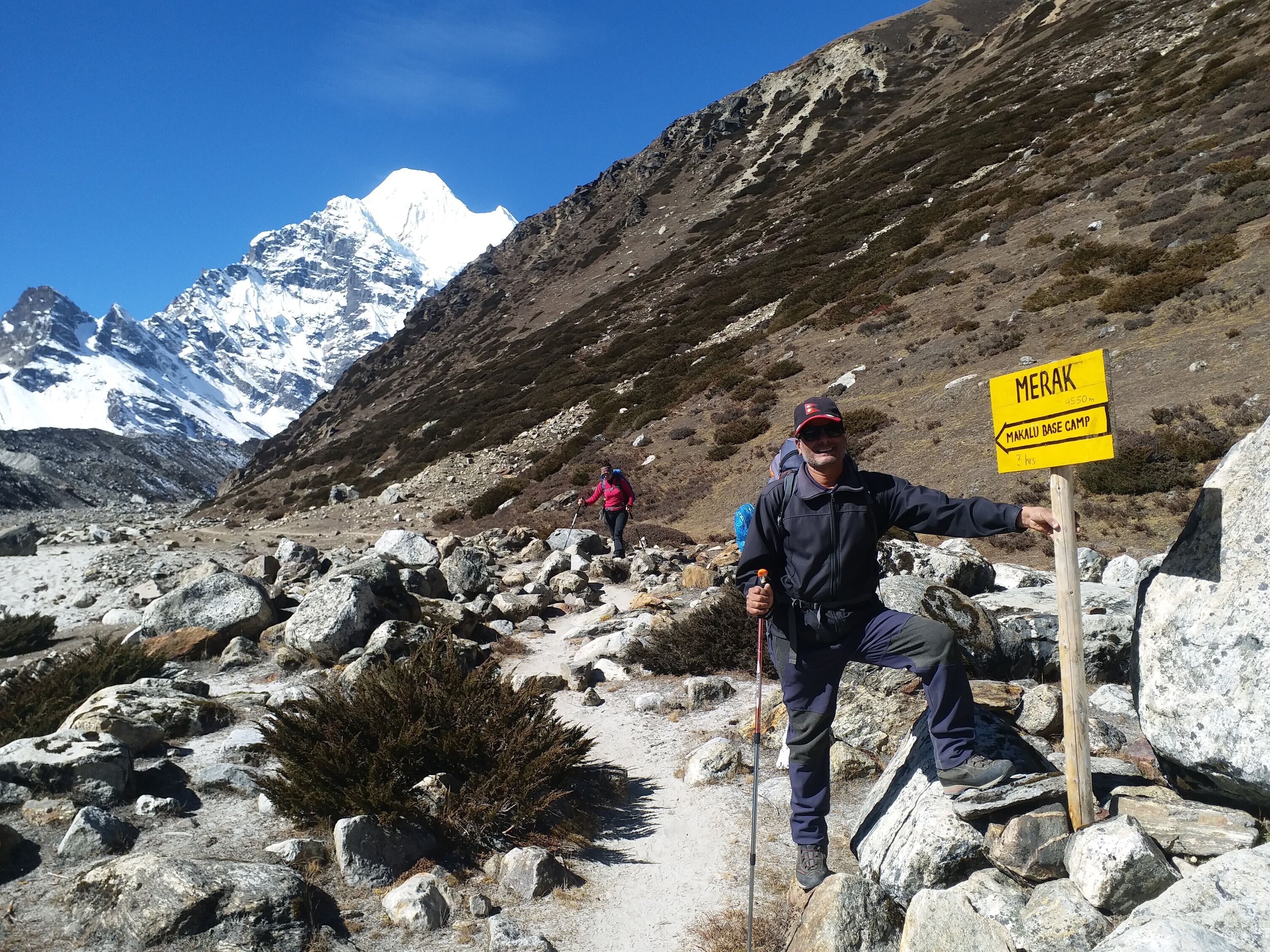
A bespoke trekking in nepal adventure.
The Western Great Himalayan Trail High Route Expedition is one of Nepal's most extraordinary long-distance Himalayan adventures, following the spectacular western section of the Great Himalayan Trail Nepal High Route from Syabrubesi to Hilsa near the Nepal–Tibet border. As one of the ultimate Trekking in Nepal experiences, this fully supported expedition forms an important section of the Great Himalayan Trail Nepal High Route Trekking network, traversing rugged mountain landscapes, remote valleys, high mountain passes, alpine meadows, pristine lakes, and centuries-old trade routes through some of Nepal's most isolated Himalayan wilderness.
The expedition connects the remarkable trekking regions of Manaslu, Annapurna, Upper Mustang, Dolpo, Humla, and Far Western Nepal, offering an unforgettable journey through breathtaking mountain scenery, authentic Tibetan-influenced cultures, ancient monasteries, traditional villages, and untouched landscapes. Along the way, you'll cross legendary Himalayan passes, including Larkya La, Thorong La, and Kagmara La, while exploring iconic destinations such as the ancient Kingdom of Upper Mustang and the magnificent Rara Lake, Nepal's largest alpine lake. To learn more about the complete route, expedition planning, and preparation, explore our Great Himalayan Trail Nepal High Route Expedition Guide.
Unlike traditional teahouse treks, the Western Great Himalayan Trail High Route Expedition is a fully supported high-altitude camping expedition that requires excellent physical fitness, previous Himalayan trekking experience, and careful acclimatization. Mountain King Treks provides experienced expedition leaders, licensed trekking guides, climbing Sherpas where required, professional support staff, quality camping equipment, transportation, permits, and complete expedition logistics, allowing you to focus entirely on this unforgettable Himalayan adventure.
The Western Great Himalayan Trail High Route Expedition forms the second half of Nepal's legendary high route. Trekkers wishing to complete the entire east-to-west Himalayan crossing can begin with our Great Himalayan Trail Nepal High Route Expedition, while those planning the first stage separately can join the Eastern Great Himalayan Trail High Route Expedition, which connects Kanchenjunga to Syabrubesi through Nepal's spectacular eastern Himalayas.
With more than 35 years of Himalayan experience, Mountain King Treks & Expedition Pvt. Ltd. specializes in professionally organized expeditions across Nepal's most remote mountain regions. Whether you choose the Western Great Himalayan Trail High Route Expedition as a standalone adventure or as the final stage of the complete Nepal High Route, our experienced local team is committed to delivering a safe, professionally organized, and unforgettable Himalayan expedition..
Trip Facts – Western Great Himalayan Trail High Route Expedition
• Trip Name: Western Great Himalayan Trail High Route Expedition
• Duration: 73 Days
• Destination: Western Nepal
• Highest Point: Thorong La Pass (5,416 m)
• Difficulty Level: Extremely Challenging Expedition
• Expedition Style: Fully Supported Camping Expedition
• Best Seasons: Spring (April–May) and Autumn (September–November)
• Accommodation: Expedition Camping, Teahouses & Hotels in Kathmandu
• Meals: Breakfast in Kathmandu; Breakfast, Lunch & Dinner During the Expedition
• Group Size: 2–20 Trekkers (Private & Group Departures Available)
• Starting Point: Syabrubesi, Langtang Region
• Ending Point: Hilsa, Humla
• Major Trekking Regions: Manaslu, Annapurna, Upper Mustang, Dolpo, Humla & Far Western Nepal
• Major High Passes: Larkya La Pass, Thorong La Pass & Kagmara La Pass
• Permits Required: Restricted Area, National Park, Conservation Area & Local Municipality Permits
• Transportation: Domestic Flights, Private Vehicles & Local Ground Transportation
• Activities: High-Altitude Trekking, Remote Camping, High Mountain Passes & Cultural Exploration
Short Itinerary – Western Great Himalayan Trail High Route Expedition
Day 01: Arrival in Kathmandu and transfer to the hotel.
Day 02: Expedition preparation and briefing.
Day 03: Drive from Kathmandu to Syabrubesi.
Day 04: Syabrubesi – Gatlang (2,238 m) via the Ganesh Himal Link Trail, 4 hours.
Day 05: Gatlang – Somdang (3,258 m), 6 hours.
Day 06: Somdang – Tipling (1,890 m), 7 hours.
Day 07: Tipling – Lapa Khola (1,285 m), 6 hours.
Day 08: Lapa Khola – Nauban Kharka (2,750 m), 7 hours.
Day 09: Nauban Kharka – Kerauja (2,074 m), 8 hours.
Day 10: Kerauja – Khorla Besi (2,074 m), 8 hours.
Day 11: Khorla Besi – Jagat (1,340 m), 5 hours.
Day 12: Jagat – Philim (1,570 m), 4 hours.
Day 13: Philim – Deng (1,860 m), 5–6 hours.
Day 14: Deng – Namrung (2,630 m), 7–8 hours.
Day 15: Namrung – Shyala (3,520 m), 5–6 hours.
Day 16: Shyala – Samdo (3,875 m), 4–5 hours.
Day 17: Acclimatization day at Samdo.
Day 18: Samdo – Larkya Base Camp (4,460 m), 4 hours.
Day 19: Cross Larkya La Pass (5,106 m) – Bimthang (3,590 m), 8–10 hours.
Day 20: Bimthang – Dharapani (1,865 m), 7 hours.
Day 21: Dharapani – Chame (2,670 m), 5 hours.
Day 22: Chame – Pisang (3,300 m), 5–6 hours.
Day 23: Pisang – Manang (3,540 m), 4 hours.
Day 24: Manang – Yak Kharka (4,050 m), 4–5 hours.
Day 25: Yak Kharka – Thorong High Camp (4,700 m), 6 hours.
Day 26: Cross Thorong La Pass (5,416 m) – Muktinath (3,760 m), 9 hours.
Day 27: Rest day at Muktinath.
Day 28: Muktinath – Kagbeni – Goat Kharka (2,810 m), 6 hours.
Day 29: Goat Kharka – Santa (3,778 m), 7 hours.
Day 30: Santa – Ghalden Ghuldun Khola (4,247 m), 6 hours.
Day 31: Ghalden Ghuldun Khola – Lalinawar Khola (4,800 m), 4 hours.
Day 32: Lalinawar Khola – Nulungsunda Kharka (4,987 m), 7 hours.
Day 33: Nulungsunda Kharka – Chharka Bhot (4,302 m), 6 hours.
Day 34: Rest day at Chharka Bhot.
Day 35: Chharka Bhot – Chap Chu (4,320 m), 7 hours.
Day 36: Chap Chu – Maran (4,350 m), 8 hours.
Day 37: Maran – Nungmala Base Camp (4,440 m), 6 hours.
Day 38: Nungmala Base Camp – Bagala Base Camp (4,400 m), 6 hours.
Day 39: Bagala Base Camp – Temche (3,900 m), 7 hours.
Day 40: Temche – Ringmo (3,641 m), 4 hours.
Day 41: Rest day at Ringmo.
Day 42: Ringmo – Kharka (4,300 m), 6 hours.
Day 43: Kharka – Kagmara High Camp (5,070 m), 4–5 hours.
Day 44: Cross Kagmara La Pass (5,115 m) – Camp, 6–7 hours.
Day 45: Camp – Hurikot (3,010 m), 8 hours.
Day 46: Hurikot – Nauli Ghat (3,400 m), 8 hours.
Day 47: Nauli Ghat – Kudigaon (3,300 m), 8 hours.
Day 48: Kudigaon – Jumla (2,370 m), 7 hours.
Day 49: Rest day at Jumla.
Day 50: Jumla – Khaligaon, 8 hours.
Day 51: Khaligaon – Bulbule, 8 hours.
Day 52: Bulbule – Rara Lake (3,010 m), 6–7 hours.
Day 53: Rest day at Rara Lake.
Day 54: Rara Lake – Karnali Riverside Camp, 4 hours.
Day 55: Karnali Riverside Camp – Bam (2,700 m), 5–6 hours.
Day 56: Bam – Jogimara (3,005 m), 6 hours.
Day 57: Jogimara – Piplan (1,700 m), 7 hours.
Day 58: Piplan – Apsia Lekh (3,200 m), 7–8 hours.
Day 59: Apsia Lekh – Punkha Khola, 6 hours.
Day 60: Punkha Khola – River Camp, 6 hours.
Day 61: River Camp – Simikot (2,900 m), 6–7 hours.
Day 62: Simikot – Kermu (2,300 m), 6 hours.
Day 63: Kermu – Shinjungma, 6–7 hours.
Day 64: Shinjungma – Talung (4,380 m), 6–7 hours.
Day 65: Talung – Jang (3,990 m), 6–7 hours.
Day 66: Jang – Hilsa (2,300 m), 7–8 hours.
Day 67: Rest day at Hilsa.
Day 68: Trek to the western terminus of the Great Himalayan Trail.
Day 69: Drive from Hilsa to Kermu (2,300 m).
Day 70: Kermu – Simikot.
Day 71: Fly from Simikot to Nepalgunj, then onward to Kathmandu.
Day 72: Leisure day in Kathmandu.
Day 73: Final departure.
Accommodation & Expedition Style
The Western Great Himalayan Trail High Route Expedition combines traditional teahouse trekking with fully supported camping, depending on the region, altitude, and remoteness of the route. In the more established trekking regions of Manaslu and Annapurna, comfortable mountain lodges and teahouses provide accommodation, meals, and authentic Himalayan hospitality. In the remote regions of Upper Mustang, Dolpo, Humla, and Far Western Nepal, the expedition relies on high-quality camping equipment and complete logistical support.
Our experienced expedition team includes licensed trekking guides, climbing Sherpas where required, professional cooks, kitchen staff, porters, and support crews who ensure your journey is safe, comfortable, and professionally organized. Spacious expedition tents, dining tents, kitchen equipment, and all essential camping gear are provided, allowing you to fully enjoy this remarkable Himalayan adventure.
This unique combination of teahouse trekking and expedition camping offers the perfect balance between comfort and exploration while discovering some of Nepal's most remote mountain landscapes. To learn more about accommodation and trekking styles in Nepal, explore our Tea House Trekking in Nepal Guide, Camping Trekking in Nepal Guide, and Nepal Trekking Accommodation & Food Guide.
Best Time for the Western Great Himalayan Trail High Route Expedition
Spring (April to May) and autumn (September to November) are the best seasons for the Western Great Himalayan Trail High Route Expedition, offering stable weather, clear mountain views, and the safest conditions for crossing the region's high mountain passes. These seasons provide comfortable trekking temperatures, excellent visibility, and ideal conditions for remote camping throughout western Nepal.
As the expedition travels through diverse landscapes and elevations, weather conditions vary significantly between regions. Careful planning, proper acclimatization, and experienced expedition leadership are essential for safely crossing Larkya La Pass, Thorong La Pass, and Kagmara La Pass.
For expert advice on choosing the best departure dates and planning your expedition, explore our Great Himalayan Trail Expedition Planning Guide. You can also learn more about Nepal's trekking seasons in our Best Time to Visit Nepal Guide and Nepal Weather Guide.
Permits & Travel Requirements
The Western Great Himalayan Trail High Route Expedition passes through several national parks, conservation areas, restricted trekking regions, and remote local municipalities. Multiple trekking permits, restricted area permits, conservation area entry permits, and local government fees are required before the expedition begins.
Mountain King Treks arranges all necessary permits, official documentation, and expedition logistics, allowing you to focus entirely on your Himalayan adventure. For complete information about trekking permits and the latest regulations, explore our Nepal Trekking Permits Guide.
Transportation
Reaching the starting point of the Western Great Himalayan Trail High Route Expedition requires a combination of private vehicles, domestic flights, and local transportation. The expedition begins in Syabrubesi and finishes at Hilsa on the Nepal–Tibet border before returning via Simikot and Nepalgunj to Kathmandu.
Mountain King Treks arranges all airport transfers, private ground transportation, domestic flights, and expedition logistics throughout the journey, ensuring a smooth and well-organized experience from your arrival in Nepal until the successful completion of the expedition. To learn more about travelling in Nepal, explore our Nepal Transportation Guide.
Difficulty Level
The Western Great Himalayan Trail High Route Expedition is one of Nepal's most demanding high-altitude trekking adventures, designed for experienced trekkers with excellent physical fitness and previous Himalayan trekking experience. The expedition involves long trekking days, remote camping, rugged mountain terrain, and repeated crossings of high mountain passes, making careful preparation and proper acclimatization essential.
Trekkers should be prepared for changing weather conditions, extended periods in remote wilderness, and physically demanding terrain while exploring some of Nepal's least-visited mountain regions. To better understand the physical demands of this expedition and prepare effectively, explore our Nepal Trekking Difficulty Guide and Great Himalayan Trail Expedition Preparation Guide.
Health, Safety & Altitude
The Western Great Himalayan Trail High Route Expedition travels through some of Nepal's highest and most remote mountain environments, where proper acclimatization, experienced leadership, and careful planning are essential for a safe and successful journey. Our professionally designed itinerary includes gradual altitude gain, scheduled acclimatization days, and continuous support from experienced expedition leaders to help minimize the risk of altitude-related illnesses.
Maintaining good hydration, following your guide's advice, monitoring weather conditions, and recognizing the early signs of altitude sickness all play an important role throughout the expedition. Before your departure, we recommend reading our Altitude Sickness in Nepal Guide and Nepal Trekking Safety Guide.
Frequently Asked Questions
How long does the Western Great Himalayan Trail High Route Expedition take?
The complete expedition typically takes 73 days, including arrival, preparation, acclimatization, trekking, domestic flights, and your return to Kathmandu.
Is previous high-altitude trekking experience required?
Yes. This expedition is designed for experienced trekkers with excellent physical fitness and previous high-altitude trekking experience. The route includes remote camping, challenging mountain passes, and long trekking days in isolated Himalayan regions.
What type of accommodation is provided during the expedition?
Accommodation includes comfortable hotels in Kathmandu, traditional teahouses where available, and fully supported camping in remote regions. Mountain King Treks provides quality camping equipment, experienced guides, professional cooks, support staff, and complete expedition logistics throughout the journey.
Can I combine this expedition with the Eastern Great Himalayan Trail High Route Expedition?
Absolutely. The Western Great Himalayan Trail High Route Expedition forms the second half of the complete Great Himalayan Trail Nepal High Route Expedition and can be combined with the Eastern Great Himalayan Trail High Route Expedition to traverse Nepal from Kanchenjunga in the east to Hilsa in the west.
How far in advance should I book this expedition?
Because this is a major Himalayan expedition requiring extensive planning, permits, staffing, and logistics, we recommend confirming your booking 6 to 12 months before your preferred departure date. Booking early allows enough time to arrange permits, prepare expedition logistics, organize your support team, and ensure the best possible expedition experience.
For answers to other common questions about visas, travel insurance, weather, transportation, trekking regulations, altitude sickness, packing, and general travel in Nepal, please visit our Nepal Travel FAQs.
Book Your Western Great Himalayan Trail High Route Expedition
Whether you're ready to explore the legendary Western Great Himalayan Trail High Route, complete the second stage of the Great Himalayan Trail Nepal High Route, or customize your own Himalayan expedition, our experienced local team is ready to help you plan every detail with professional guidance, reliable logistics, and more than 35 years of Himalayan experience.
Contact Us
Have questions about the itinerary, permits, transportation, accommodation, camping logistics, preparation requirements, costs, or departure dates? Contact our experienced Himalayan team for expert advice and personalized expedition assistance.
WhatsApp / Call: +977-9841566449
Email: info@mountainkingtrek.com
Book Your Expedition
Whether you're joining a scheduled departure or planning a private expedition, we'll help you create the perfect Western Great Himalayan Trail High Route Expedition with professional local support from your arrival in Nepal until the successful completion of your adventure.
What makes this special.
- Experience the spectacular western half of the Great Himalayan Trail Nepal High Route from Syabrubesi to Hilsa.
- Traverse the legendary Himalayan regions of Manaslu, Annapurna, Upper Mustang, Dolpo, Humla, and Far Western Nepal.
- Cross three iconic high mountain passes: Larkya La (5,106 m), Thorong La (5,416 m), and Kagmara La (5,115 m).
- Explore remote valleys, alpine meadows, glaciers, dramatic canyons, and untouched mountain wilderness.
- Visit the hidden kingdom of Upper Mustang, the mystical landscapes of Dolpo, and the crystal-clear waters of Rara Lake.
- Experience authentic Tibetan-influenced cultures, ancient monasteries, centuries-old trade routes, and traditional Himalayan villages.
- Trek through some of Nepal's most remote and least-visited mountain regions far from the popular trekking trails.
- Enjoy a professionally organized camping expedition with experienced guides, climbing Sherpas where required, cooks, kitchen staff, and porters.
- Complete the western section of one of the world's greatest long-distance Himalayan expeditions.
- Continue your journey by combining this expedition with the Eastern Great Himalayan Trail High Route Expedition to traverse the entire Nepal Himalaya.
Trip includes
- Airport arrival and departure transfers by private vehicle.
- Hotel accommodation in Kathmandu with breakfast (Bed & Breakfast basis) before and after the expedition, as per the itinerary.
- Comprehensive expedition briefing, route planning, and final equipment inspection.
- All required trekking permits, Restricted Area Permits, National Park entry fees, Conservation Area permits, local government fees, and all expedition documentation.
- All private ground transportation as specified in the itinerary, including Kathmandu to Syabrubesi and Hilsa to Simikot.
- Domestic flight from Simikot to Nepalgunj with the applicable baggage allowance.
- Domestic flight from Nepalgunj to Kathmandu with the applicable baggage allowance.
- Experienced government-licensed expedition leader.
- Professional English-speaking licensed trekking guides.
- Experienced climbing Sherpas for technical mountain sections where required.
- Complete expedition support team, including assistant guides, cooks, kitchen staff, porters, and camp support staff.
- Comfortable teahouse accommodation where available and fully supported camping in remote sections.
- Twin-sharing expedition tents, spacious dining tent, fully equipped kitchen tent, toilet tent, sleeping mattresses, and all necessary group camping equipment.
- Three freshly prepared meals daily (breakfast, lunch, and dinner) throughout the expedition.
- Fresh seasonal fruits, soups, desserts, chocolates, biscuits, energy snacks, and nutritious refreshments during the expedition.
- Tea, coffee, hot chocolate, milk tea, lemon tea, ginger tea, and other hot drinks throughout the expedition.
- Unlimited boiled and purified drinking water throughout the trek, with hot water available daily for refilling personal water bottles.
- Group climbing and glacier safety equipment, including fixed ropes where required.
- Porter service with a reasonable luggage allowance per participant.
- Comprehensive first aid kit, altitude safety equipment, emergency communication devices, and professional acclimatization management.
- Government taxes, company service charges, and all official administrative fees.
Not included
- International airfare to and from Nepal.
- Nepal entry visa fees.
- Comprehensive travel insurance, including high-altitude trekking, emergency helicopter evacuation, medical treatment, and trip cancellation coverage.
- Emergency rescue, medical treatment, hospitalization, and evacuation expenses not covered by insurance.
- Personal trekking and climbing equipment, including a sleeping bag, down jacket, trekking poles, crampons, harness, helmet, ice axe, gaiters, and other personal technical gear.
- Personal expenses such as laundry, Wi-Fi, battery charging, hot showers, telephone calls, and personal purchases.
- Alcoholic beverages, bottled soft drinks, energy drinks, mineral water, and other personal beverages.
- Lunch and dinner in Kathmandu.
- Tips and gratuities for guides, climbing Sherpas, cooks, kitchen staff, porters, drivers, and expedition support staff.
- Additional expenses caused by flight delays, road closures, weather conditions, natural disasters, political events, illness, or circumstances beyond our control.
- Any services not specifically mentioned under Cost Includes.