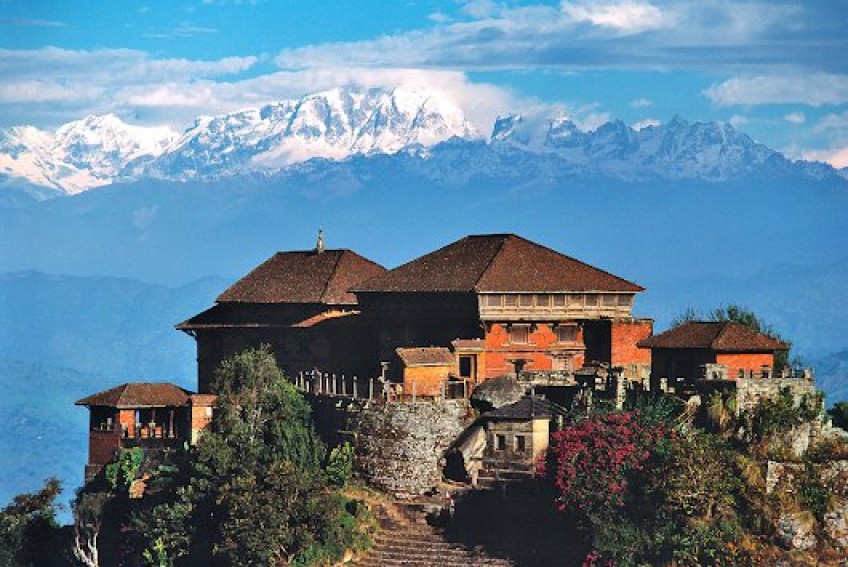
Nepal Unification & Historic Trails Guide
Discover Nepal's unification history, historic trails, traditional settlements, important landmarks, and cultural heritage across the Ganesh Himal region.
Overview
The Nepal Unification & Historic Trails Guide explores the historic landscapes, royal heritage, sacred sites, traditional villages, and mountain trails connected with the formation and later development of modern Nepal. Set across the wider landscapes of central Nepal, this journey offers a distinctive cultural experience alongside the country's mountain adventures and Trekking in Nepal. The journey begins in Gorkha, home of the former Gorkha Kingdom and King Prithvi Narayan Shah, and follows the historic landscapes through Dhading and Nuwakot before connecting with the Kathmandu Valley and the strategic viewpoints of Chandragiri.
Before the unification campaign, the territory of present-day Nepal was divided among numerous kingdoms, principalities, and smaller states. Within the Kathmandu Valley, Kathmandu, Patan, Bhaktapur, and Kirtipur were separate political centers, while many other kingdoms existed across the surrounding hills and valleys. Prithvi Narayan Shah gradually brought many of these territories together, laying the foundation for the unified Kingdom of Nepal.
The historic route through Gorkha, Dhading, Nuwakot, and the hills toward Kathmandu provides an opportunity to understand this period through the landscapes, villages, forts, palaces, temples, rivers, ridges, and mountain passes that shaped movement and strategy. Along the way, travelers can also experience the continuing cultural traditions of the communities living throughout these historic landscapes.
The region also preserves important chapters of Nepal's later political and social history, including the legacy of Bhimsen Thapa, one of the country's most influential political figures, and Lakhan Thapa Magar, remembered as Nepal's first martyr. Together, these stories show how Gorkha and the surrounding landscapes continued to influence Nepal's political and social history long after the unification campaign.
For travelers exploring these historic routes, transportation, accommodation, seasons, and local travel conditions can vary between Gorkha, Dhading, Nuwakot, and the Kathmandu Valley. The Nepal Travel Information Guide provides useful background for traveling through these diverse regions of Nepal.
A Living Journey Through Nepal's History
The historic landscapes of Gorkha, Dhading, Nuwakot, and Chandragiri bring together important chapters of Nepal's national story. From the Gorkha Kingdom and Prithvi Narayan Shah's unification campaign to Nuwakot, Kirtipur, the Kathmandu Valley, the political era of Bhimsen Thapa, and the later resistance associated with Lakhan Thapa, the region preserves a remarkable continuity of history.
At the same time, temples, monasteries, traditional villages, festivals, sacred landscapes, and living communities continue to preserve the cultural traditions that give these places their meaning. History here is therefore connected not only with monuments and political events, but also with the communities and landscapes that remain part of everyday life.
For travelers interested in Nepal's history, culture, architecture, pilgrimage, traditional villages, and Himalayan landscapes, the Nepal Unification & Historic Trails Guide offers a deeper way to experience the country—not simply by visiting historic places, but by following the landscapes and communities that shaped Nepal's history.
Experience Nepal's Historic Trails
The best way to understand Nepal's history is not only through museums and monuments, but also by walking through the landscapes where important events unfolded.
Nepal Unification Trek
The Nepal Unification Trek follows historic landscapes connecting Gorkha, Dhading, and the wider route toward Nuwakot. The journey combines traditional villages, mountain scenery, sacred sites, and places connected with the history of Nepal's unification.
Bhimsen Thapa Memorial Trek
The Bhimsen Thapa Memorial Trek explores landscapes associated with Bhimsen Thapa and the later political history of Gorkha and Dhading. The journey combines historic places with peaceful rural trails, traditional communities, and scenic Himalayan surroundings.
Together, these journeys offer two complementary perspectives on Nepal's history: one follows the story of national unification under Prithvi Narayan Shah, while the other explores the later political and social history associated with Bhimsen Thapa and Lakhan Thapa.
The Gorkha–Dhading–Nuwakot Historic Trail
The Gorkha–Dhading–Nuwakot Historic Trail is a journey through living history rather than simply an old road. The route passes through traditional villages, agricultural hills, forests, ridges, river valleys, sacred places, and historic settlements that preserve different layers of Nepal's heritage.
The trekking journey begins in Gorkha and continues through the landscapes of Dhading, including Salyantar, Bharyang Bhurung, Tharpu Bhanjyang, Thopal Khola, and Samari Bhanjyang. The walking section concludes at Samari Bhanjyang, followed by a road journey toward Kathmandu through the wider Nuwakot and central Nepal landscape.
Gorkha and the Birthplace of Unification
Gorkha is the natural starting point for understanding Nepal's unification history. The former Gorkha Kingdom became the center of Prithvi Narayan Shah's campaign to bring the divided states of the region under a single kingdom.
Gorkha Durbar, overlooking Gorkha Bazaar, remains the most important historic landmark associated with this period. The palace complex provides a direct connection with the royal history of Gorkha and the early life and political ambitions of Prithvi Narayan Shah.
Gorkha Durbar
Gorkha Durbar is one of Nepal's most important historical monuments. Perched on a hill above Gorkha Bazaar, the former royal palace and surrounding religious complex played a central role in the history of the Gorkha Kingdom.
It is closely associated with Prithvi Narayan Shah and provides an important starting point for understanding the political circumstances that led to the unification of Nepal.
Gorakh Kali and Gorakhnath
Gorakh Kali Temple and Gorakhnath Cave are important spiritual landmarks of Gorkha. According to local traditions and popular belief, Prithvi Narayan Shah received blessings and spiritual protection from Gorakh Kali and Gorakhnath during the period of his unification campaign.
These traditions form an important part of the cultural memory surrounding Gorkha's royal history and demonstrate the close relationship between religious belief, royal traditions, and political life.
Manakamana Temple
Manakamana Temple, in the wider Gorkha area, is one of Nepal's most important Hindu pilgrimage sites. Dedicated to Goddess Bhagwati, the temple continues to attract pilgrims from across Nepal and beyond.
Its religious importance adds another dimension to the spiritual landscape surrounding the historic Gorkha Kingdom.
Prithvi Narayan Shah and the Unification of Nepal
King Prithvi Narayan Shah became the central figure in the eighteenth-century campaign that eventually brought many independent kingdoms and principalities together to form a unified Nepal.
At that time, the political landscape was highly divided. The Kathmandu Valley contained the separate kingdoms of Kathmandu, Patan, and Bhaktapur, while Kirtipur also maintained its own political identity. Numerous other kingdoms and principalities existed throughout the hills and surrounding regions.
Prithvi Narayan Shah recognized the strategic importance of controlling the Kathmandu Valley and gradually expanded the Gorkha Kingdom through military campaigns, alliances, diplomacy, and strategic planning.
Kirtipur and the Kathmandu Valley Campaign
Kirtipur was a separate political center and became one of the most difficult objectives of Prithvi Narayan Shah's campaign toward the Kathmandu Valley. Gorkha forces made several attempts to capture the town before eventually succeeding.
The struggle for Kirtipur demonstrates the difficulty of the unification campaign and the strategic importance of controlling the approaches to the Kathmandu Valley.
Nuwakot and the Western Gateway
Nuwakot was strategically important because of its location along routes connecting the Gorkha Kingdom with the Kathmandu Valley and the northern trade routes.
After capturing Nuwakot, Prithvi Narayan Shah established an important strategic base from which the Gorkha Kingdom could continue its expansion toward the Kathmandu Valley. Nuwakot therefore represents one of the most important links between Gorkha and the later stages of Nepal's unification.
Nuwakot Durbar
Nuwakot Durbar and the surrounding historic area preserve an important chapter of the unification period. The complex and its strategic location help visitors understand why Nuwakot was so important to the Gorkha Kingdom.
The site connects the political history of Gorkha with the campaigns that eventually led toward Kathmandu.
Chandragiri and the View Toward Kathmandu
Chandragiri and Baleshwar Mahadev
Chandragiri Hill provides one of the most memorable viewpoints associated with the later stages of Nepal's unification history. Rising southwest of the Kathmandu Valley, Chandragiri offers wide views across the valley and toward the surrounding Himalayan ranges. The hill is also home to Baleshwar Mahadev, an important Hindu sacred site.
According to historical tradition, Prithvi Narayan Shah visited the Chandragiri area and used its elevated position to observe the Kathmandu Valley while planning his campaign toward the valley. From this strategic viewpoint, the landscape below would have provided an important perspective on the political heartland that the Gorkha Kingdom sought to control.
Today, Chandragiri provides a natural connection between the historic landscapes of Gorkha, Dhading, Nuwakot, and the Kathmandu Valley. Standing on the hill and looking toward Kathmandu offers travelers an opportunity to appreciate the geography that influenced the movements, strategies, and ambitions of the unification period.
Sacred Heritage Along the Historic Trail
The historic landscapes of Gorkha and Dhading are closely connected with religious traditions, sacred places, and local beliefs that continue to shape community life. Temples, shrines, river confluences, and sacred landscapes are found along the wider historic corridor, adding a spiritual dimension to the journey.
Many local traditions connect these sacred places with important historical figures and events. While some of these stories belong to local oral and religious traditions rather than documented historical records, they remain an important part of the cultural memory of the communities.
Tripura Sundari Mai
Tripura Sundari Mai Temple is an important Hindu sacred site in the wider Dhading landscape, with culturally significant locations associated with Salyankot and Salyan Besi. The goddess is deeply respected by local communities, and the temple forms part of the region's continuing religious heritage.
Local traditions also connect Tripura Sundari Mai with the history of Prithvi Narayan Shah and his efforts to unite the different kingdoms of Nepal. These traditions are best understood as part of the region's religious and cultural memory, reflecting the close relationship between faith, community identity, and historical storytelling.
Narsingha Dham
Narsingha Dham, near Salyantar, is associated with Lord Narsingha, the half-man and half-lion incarnation of Lord Vishnu. Its location near the meeting area of the Budhi Gandaki and Aankhu Khola rivers gives the site both religious and natural significance.
The combination of the sacred river landscape and local traditions makes Narsingha Dham an interesting cultural point along the wider Dhading historic corridor.
Bharyang Bhurung Temple
Bharyang Bhurung Temple reflects the continuing relationship between religion, traditional communities, and the landscape of the central Nepal hills. The temple and its surrounding rural environment provide another example of how sacred places remain closely connected with everyday community life.
For travelers following the historic trail, such sites offer a broader understanding of the region beyond its royal palaces and political history.
Historic Landscapes of Dhading
Salyantar
Salyantar is an important cultural landscape along the Gorkha–Dhading historic route. Surrounded by agricultural fields, traditional settlements, forested hills, and river valleys, the area provides a gradual transition from the landscapes around Gorkha toward the wider middle hills of Dhading.
The village environment also offers an opportunity to observe traditional rural life and understand how communities have adapted to the terrain through farming, livestock raising, local trade, and community networks.
Bharyang Bhurung, Tharpu Bhanjyang and Thopal Khola
The trail through Bharyang Bhurung, Tharpu Bhanjyang, and Thopal Khola passes through forests, cultivated terraces, traditional settlements, ridges, and peaceful hill landscapes. The changing terrain provides a sense of how people historically moved between villages and valleys across the middle hills.
These sections also demonstrate that historic journeys were shaped not only by royal palaces, forts, and major political centers but by the ordinary villages, mountain passes, river valleys, and trails connecting communities across the region.
Samari Bhanjyang
Samari Bhanjyang marks the end of the principal walking section of the Gorkha–Dhading–Nuwakot historic journey. The surrounding ridge landscapes provide broad views across the middle hills and create a natural transition from the walking experience to the road journey toward Kathmandu.
From Samari Bhanjyang, travelers continue by road through the wider central Nepal landscape, bringing the historic trail closer to the Kathmandu Valley and the final chapters of the unification story.
Bhimsen Thapa and Later Political History
The history of Gorkha and Dhading continued to influence Nepal long after the unification campaign of Prithvi Narayan Shah. During the nineteenth century, Bhimsen Thapa emerged as one of the country's most influential political and military figures, playing an important role in Nepal's government, administration, and military affairs.
Bhimsen Thapa served as Mukhtiyar, the chief authority of the government, from 1806 to 1837 and is widely regarded as Nepal's first Prime Minister in the modern sense of the office. His life and political career add another important historical layer to the Gorkha–Dhading landscape.
Borlang and Bhimsen Thapa
Borlang in Gorkha is closely associated with the ancestral heritage of Bhimsen Thapa. The area provides an opportunity to explore the rural landscape connected with his family background and to understand the continuing importance of Gorkha in Nepal's later political history.
Bhimsen Thapa Memorial Park
Bhimsen Thapa Memorial Park commemorates his life and political legacy. A visit to the site adds an important nineteenth-century chapter to a journey that begins with the Gorkha Kingdom and the unification campaign.
Together, Borlang and the memorial park help connect the history of the Gorkha Kingdom with the later political development of Nepal.
Lakhan Thapa and Nepal's Later History
Lakhan Thapa Magar represents another important chapter in the political history of Gorkha. He lived during the nineteenth-century Rana period, several generations after Prithvi Narayan Shah's unification campaign, and is widely remembered in Nepal as the country's first martyr.
His story provides a different perspective on Nepal's history, moving from the formation of the unified state to later struggles against political authority and the demand for social and political change.
Bungkot and Lakhan Thapa's Heritage
Bungkot in Gorkha is closely connected with the historical memory of Lakhan Thapa. The area preserves the rural landscape associated with his heritage and provides an opportunity to understand the community and historical environment from which he emerged.
Including Bungkot in a historic journey through Gorkha adds a later political chapter to the broader story of Nepal, showing how the region continued to produce important figures long after the unification of the country.
Gorkha Museum and Historical Collections
The Gorkha Museum provides useful historical context for understanding the political, military, cultural, and royal heritage of the former Gorkha Kingdom. Its collections and displays complement visits to Gorkha Durbar and other historic sites in the area.
A museum visit can help place the individual monuments, traditions, and historical figures into a wider context, making it easier to understand how the Gorkha Kingdom developed and how its history became connected with the formation of modern Nepal.
Jyamrung Durbar
Jyamrung Durbar is an important historical landmark in Dhading and adds another layer to the historic landscape between Gorkha and the Kathmandu Valley. Located in a hilltop setting, the site reflects the network of local forts, palaces, settlements, and political centers that existed across the central Nepal hills.
Its importance also demonstrates that Nepal's history was not shaped only by the major royal centers. Numerous local rulers, communities, forts, religious sites, and strategic hill settlements contributed to the complex political landscape that existed before and after unification.
For travelers following the wider Gorkha–Dhading–Nuwakot historic corridor, Jyamrung Durbar helps reveal this lesser-known regional history and provides a broader understanding of the landscapes through which Nepal's political and cultural development unfolded.
Frequently Asked Questions
1. What is the Nepal Unification & Historic Trails Guide about?
The guide explores the historic landscapes associated with the Gorkha Kingdom, Prithvi Narayan Shah's unification campaign, the Gorkha–Dhading–Nuwakot corridor, and the later political history of Nepal. It also introduces important cultural, religious, and historic sites connected with these landscapes.
2. Which places are most important on the historic trail?
Major highlights include Gorkha Durbar, Gorakh Kali, Gorakhnath, Manakamana, Gorkha Museum, Jyamrung Durbar, Salyantar, Nuwakot Durbar, Chandragiri, and Baleshwar Mahadev, along with other historic and sacred sites across the wider Gorkha–Dhading–Nuwakot landscape.
3. Can I experience the historic trail as a trekking journey?
Yes. The Nepal Unification Trek follows historic landscapes from Gorkha and Dhading toward the wider Nuwakot area, combining walking trails, traditional villages, cultural sites, and mountain scenery. The Bhimsen Thapa Memorial Trek offers a different historical experience focused on the later political heritage of Gorkha and Dhading.
4. Why is Chandragiri important in Nepal's unification history?
Chandragiri Hill and Baleshwar Mahadev are traditionally associated with Prithvi Narayan Shah's strategic view toward the Kathmandu Valley. According to historical tradition, the elevated location provided an important viewpoint during the period when he was planning and advancing his campaign toward the valley.
5. How does this journey connect different periods of Nepal's history?
The region connects several important chapters of Nepal's history, from the Gorkha Kingdom and Prithvi Narayan Shah's unification campaign to the later political history associated with Bhimsen Thapa and Lakhan Thapa. Historic palaces, temples, villages, trails, and living cultural traditions help reveal this continuity.
Plan Your Nepal Historic Journey
A journey through the Gorkha–Dhading–Nuwakot historic landscape can be arranged around your travel dates, available time, preferred historical sites, walking interests, and travel style. The Nepal Travel Planning Guide offers broader guidance for organizing your journey, while the Nepal Trip Preparation Guide covers practical preparations such as packing, clothing, travel documents, fitness, and other essentials. If your journey extends toward the Ganesh Himal area, the Ganesh Himal Culture, Community & Sacred Sites Guide provides further information about the region's communities, traditions, and sacred places.
Contact Us
Mountain King Treks & Expedition Pvt. Ltd.
WhatsApp / Call: +977-9841566449
Email: info@mountainkingtrek.com
Contact us to discuss your preferred historic sites, travel dates, walking routes, and cultural experiences.
Plan Your Trip
Share your travel dates, available time, preferred historic sites, and interests, and we will help you plan a Nepal historic journey suited to your travel style and interests.