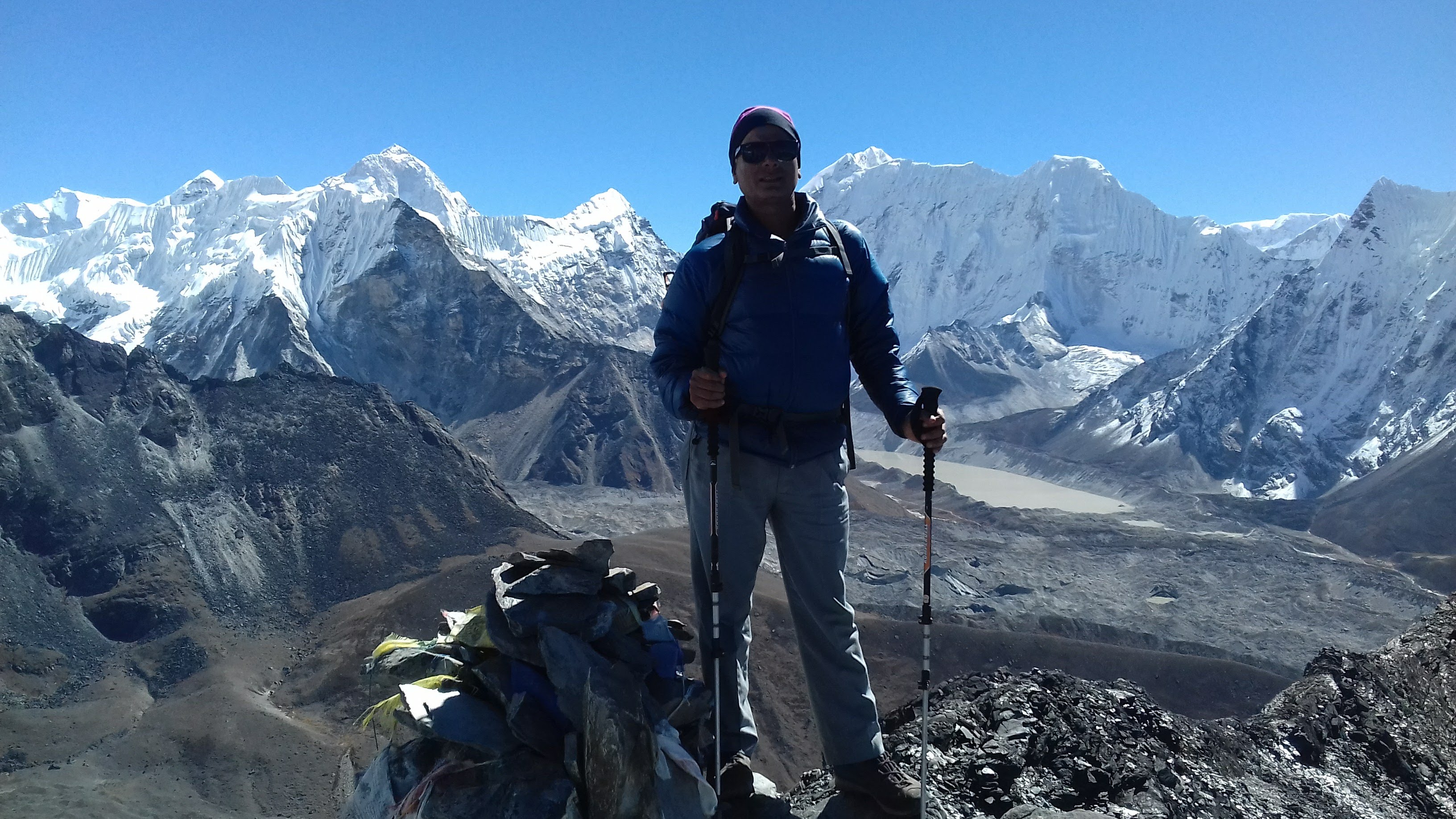
Great Himalayan Trail Nepal High Route Trekking
Explore Great Himalayan Trail Nepal High Route Trekking with remote Himalayan routes, high passes, and practical trekking tips.
Overview
Great Himalayan Trail Nepal High Route Trekking is an extraordinary long-distance Trekking in Nepal experience, connecting some of the country's most spectacular mountains, remote valleys, high passes, glaciers, alpine lakes, traditional villages, and culturally rich Himalayan landscapes. Stretching from Kanchenjunga in eastern Nepal to Hilsa in the far west, the High Route gives experienced trekkers an opportunity to explore Nepal far beyond its better-known trekking trails. It is an ambitious journey for those who want to experience the remarkable geographical and cultural diversity of the Nepal Himalaya.
Unlike a conventional trek that remains within one region, the Great Himalayan Trail crosses a remarkable variety of landscapes and mountain environments. The route can include Kanchenjunga, Makalu, Everest, Rolwaling, Langtang, Ganesh Himal, Manaslu, Annapurna, Upper Mustang, Dolpo, Humla, and the Far Western Himalayas, with each section offering different scenery, cultures, terrain, and challenges. From lush middle-hill landscapes and rhododendron forests to high alpine valleys, glaciers, remote settlements, and dry Trans-Himalayan terrain, the changing environment is one of the defining features of the High Route.
The complete High Route is not limited to a single itinerary or trekking season. Experienced trekkers can attempt the entire journey or choose the Eastern High Route, Western High Route, or customized sections according to their available time and experience. The expedition can also be divided into two, three, or four separate journeys over several trekking seasons. The Great Himalayan Trail Nepal High Route Expedition Guide explores these route options in greater detail, including the different sections and ways to organize the overall expedition.
Along the way, trekkers encounter diverse Himalayan communities, including Sherpa, Rai, Limbu, Tamang, Gurung, Tibetan, Thakuri, Dolpo-pa, Loba, and other ethnic groups. Traditional villages, monasteries, chortens, prayer flags, terraced hillsides, forests, alpine meadows, high passes, glaciers, and remote wilderness make the journey as culturally rewarding as it is physically demanding. The changing communities and landscapes also give each section its own character, creating an experience that develops continuously from east to west.
The scale of the High Route also brings considerable variation from one region to another. Transportation, accommodation, weather, permits, and local conditions can change significantly along the journey, from established trekking areas with lodges and road access to remote sections where camping, flights, and careful logistical planning are necessary. Understanding these differences is an important part of preparing for such an extensive journey, and the Nepal Travel Information Guide provides a broader perspective on traveling through Nepal's diverse regions.
Why Trek the Great Himalayan Trail Nepal High Route?
The Great Himalayan Trail offers an exceptional combination of long-distance adventure, remote wilderness, high-altitude trekking, cultural diversity, and spectacular Himalayan scenery. It is particularly suited to experienced trekkers who want to explore Nepal's mountains beyond the established classic routes.
- Experience one of the world's great long-distance Himalayan trekking adventures.
- Travel from Kanchenjunga to Hilsa across the breadth of Nepal.
- Explore multiple Himalayan trekking regions within one extraordinary journey.
- Cross high mountain passes, glaciers, alpine valleys, and remote landscapes.
- Experience the traditions and hospitality of diverse Himalayan communities.
- Enjoy views of Kanchenjunga, Makalu, Everest, Cho Oyu, Manaslu, Dhaulagiri, Annapurna, Api Himal, and many surrounding peaks.
- Discover remote areas with fewer trekkers and limited infrastructure.
- Choose a complete expedition or divide the journey into manageable sections.
- Experience Nepal's remarkable contrast between lush lower valleys and rugged high-altitude wilderness.
Choose Your Great Himalayan Trail Nepal High Route Expedition
Mountain King Treks offers several ways to experience the Great Himalayan Trail, from the complete east-to-west expedition to major sectional journeys. Each option follows a different portion of the High Route and provides its own combination of landscapes, cultures, mountain passes, and wilderness.
Complete Great Himalayan Trail Nepal High Route Expedition
The Complete Great Himalayan Trail Nepal High Route Expedition crosses Nepal from Kanchenjunga to Hilsa, covering approximately 1,700 kilometres through remote mountain regions, high passes, glaciers, alpine valleys, traditional settlements, and spectacular Himalayan landscapes. It is the ultimate option for experienced trekkers seeking an extended journey across the Nepal Himalaya.
Eastern Great Himalayan Trail High Route Expedition
The Eastern Great Himalayan Trail High Route Expedition travels from Kanchenjunga to Syabrubesi, passing through the eastern Himalayan regions of Kanchenjunga, Makalu, Everest, Rolwaling, and Langtang. This demanding section combines remote valleys, high mountain passes, glaciers, and some of Nepal's most dramatic Himalayan scenery.
Western Great Himalayan Trail High Route Expedition
The Western Great Himalayan Trail High Route Expedition continues from Syabrubesi to Hilsa, crossing areas including Ganesh Himal, Manaslu, Annapurna, Upper Mustang, Dolpo, Humla, and the far western Himalayas. The route offers a remarkable combination of remote wilderness, Tibetan-influenced cultures, high mountain landscapes, and less-traveled Himalayan trails.
Customized Great Himalayan Trail Expeditions
The complete Great Himalayan Trail does not have to be completed in one continuous journey. Trekkers can divide the High Route into separate expeditions, making it easier to experience different regions while allowing sufficient time for each section.
A two-part expedition can follow Kanchenjunga to Syabrubesi in spring, followed by Syabrubesi to Hilsa in autumn. This is a practical way to cover the eastern and western sections while taking advantage of suitable seasonal conditions.
A three-part expedition can be arranged as Kanchenjunga to Everest, Everest to Upper Mustang, and Upper Mustang to Hilsa, creating three substantial journeys across different Himalayan environments.
A four-part expedition offers greater flexibility, following Kanchenjunga to Makalu, Makalu to Langtang, Langtang to Dolpo, and Dolpo to Hilsa. Dividing the High Route in this way allows more time to explore each region and manage the expedition across several trekking seasons, with the sections adjusted when necessary according to the selected route, seasonal conditions, transportation, and local circumstances.
Best Time for Great Himalayan Trail Nepal High Route Trekking
The best seasons for most sections of the Great Himalayan Trail Nepal High Route are spring, from March to May, and autumn, from September to November. These periods generally offer more stable weather, clearer mountain views, and better conditions for high-altitude trekking.
Spring is particularly suitable for the eastern Himalayas, with warmer conditions at lower elevations, blooming rhododendrons, and longer daylight hours. Autumn generally brings clear skies, dry trails, and excellent visibility across many of Nepal's mountain regions.
Because the High Route crosses different climatic zones and elevations, the ideal season varies between sections. A multi-season expedition is therefore often more practical than attempting the entire route at one time.
Permits for Great Himalayan Trail Nepal High Route Trekking
Permit requirements vary throughout the Great Himalayan Trail because the route passes through national parks, conservation areas, and restricted trekking regions. The required documentation depends on the specific sections included in your expedition, with some areas requiring conservation or national park permits and others requiring additional restricted-area permissions.
As the High Route crosses many different regions of Nepal, permits cannot be treated as one standard package for the entire journey. The requirements are confirmed according to the selected itinerary, route, and current regulations. Mountain King Treks arranges the necessary permits and entry requirements before the journey begins.
Accommodation and Food
Accommodation changes considerably according to the region, altitude, and remoteness of the route. In established trekking areas, trekkers can stay in teahouses, lodges, and local guesthouses, while remote sections without permanent accommodation require fully supported camping with tents, dining facilities, and a mobile kitchen.
Food also varies according to the location and available facilities. During lodge and teahouse sections, meals are prepared locally, while camping sections are supported by our trekking kitchen team, which prepares fresh and nutritious meals suitable for long trekking days and high-altitude conditions. Depending on the route, meals can include a variety of Nepali, Tibetan, Continental, and local Himalayan dishes.
Difficulty Level
Great Himalayan Trail Nepal High Route Trekking is a highly demanding long-distance adventure involving long trekking days, substantial elevation changes, high mountain passes, glaciers, remote wilderness, and rapidly changing mountain conditions.
Previous high-altitude trekking experience and strong physical fitness are important for the more demanding sections. Proper acclimatization, suitable equipment, sensible pacing, and thorough preparation are essential, while the difficulty varies considerably between regions. Trekkers should be prepared for both physically demanding days and extended periods in remote mountain environments.
Safety and Altitude
The High Route reaches remote and high-altitude environments where weather, rugged terrain, altitude, and distance from medical facilities can create significant challenges. Careful acclimatization, sensible pacing, adequate hydration, appropriate equipment, and experienced mountain staff are important throughout the expedition.
Conditions can change quickly, particularly around high passes, glaciers, and remote sections. The trekking schedule may therefore need to be adjusted when necessary, making good judgment, patience, and flexibility important parts of a successful High Route expedition.
Transportation
Transportation varies throughout the Great Himalayan Trail because the expedition crosses a large part of Nepal. Depending on the selected section, travel may include domestic flights, tourist buses, private vehicles, jeeps, and local road services to reach trailheads and connect different parts of the route.
The complete High Route begins near Kanchenjunga in eastern Nepal and finishes around Hilsa in western Nepal. Transportation arrangements therefore depend on the selected expedition, starting and ending points, road conditions, flight schedules, and local circumstances. For sectional expeditions, transportation is organized to connect each trekking section with the appropriate regional gateway.
Responsible Trekking
The Great Himalayan Trail passes through fragile mountain environments, protected areas, and communities with distinctive cultural traditions. Responsible trekking helps protect these landscapes while ensuring that tourism remains respectful and beneficial to the people living along the route.
Trekkers should minimize waste, avoid unnecessary plastic, respect local customs and religious sites, protect wildlife and natural resources, and support local communities wherever possible. Careful use of water, responsible waste management, and respect for traditional ways of life are especially important during the more remote sections of the expedition.
Plan Your Great Himalayan Trail Nepal High Route Expedition
The Great Himalayan Trail Nepal High Route can be planned as a complete expedition, a major section, or several journeys across different seasons. The Nepal Travel Planning Guide provides useful information for organizing your journey, while the Nepal Trip Preparation Guide helps you prepare for the physical and practical demands of the expedition.
Contact Us
WhatsApp / Call: +977-9841566449
Email: info@mountainkingtrek.com
Contact us with your preferred sections, travel dates, and experience, and we will help you plan your Great Himalayan Trail expedition.
Plan Your Expedition
Share your available time and preferred route, and we will help you arrange a suitable High Route adventure.