Introduction
Why is it called a Tea House Trek? This is one of the most common questions asked by travelers planning their first Himalayan adventure. The name may sound simple, but it reflects a long tradition of hospitality in Nepal's mountains, where family-run lodges have welcomed traders, pilgrims, and trekkers with hot tea, homemade meals, and comfortable accommodation for generations.
Today, Trekking in Nepal is renowned for its extensive network of tea houses, making it possible to explore the Himalayas without the need for a fully supported camping expedition. Whether you are trekking in the Everest, Annapurna, Langtang, Manaslu, or other mountain regions, these traditional lodges offer a warm place to rest while experiencing authentic Nepalese culture.
If you are planning your first trek or looking for a reliable Nepal Travel Information Guide, understanding why it is called a tea house trek will help you appreciate one of Nepal's most unique trekking traditions. At Mountain King Treks, we have guided trekkers throughout the Himalayas for many years and have seen how these tea houses continue to preserve their welcoming spirit while providing the comforts modern trekkers expect.
In this guide, you'll discover why these traditional lodges are called tea houses, how they evolved over time, what facilities they offer today, and why tea house trekking has become the most popular way to experience Nepal's spectacular mountain landscapes.
Why Is It Called a Tea House Trek?
The name "Tea House Trek" comes from the traditional mountain lodges that originally served hot tea, simple meals, and basic accommodation to traders, pilgrims, and local travelers crossing Nepal's Himalayan trails. Long before trekking became popular, these family-run lodges offered a warm place to rest after long days of walking through the mountains.
As trekking tourism expanded during the 1960s and 1970s, many of these simple lodges gradually developed into guesthouses designed to accommodate international trekkers. They began offering private rooms, comfortable beds, dining halls, home-cooked meals, and additional facilities while maintaining the warm hospitality that made them famous. Although modern tea houses provide much more than tea, the historic name has remained and is now recognized around the world.
Today, a tea house trek represents one of Nepal's most iconic travel experiences, combining breathtaking Himalayan scenery with authentic local culture, welcoming hospitality, and comfortable accommodation throughout the journey.
What Is a Tea House Trek?
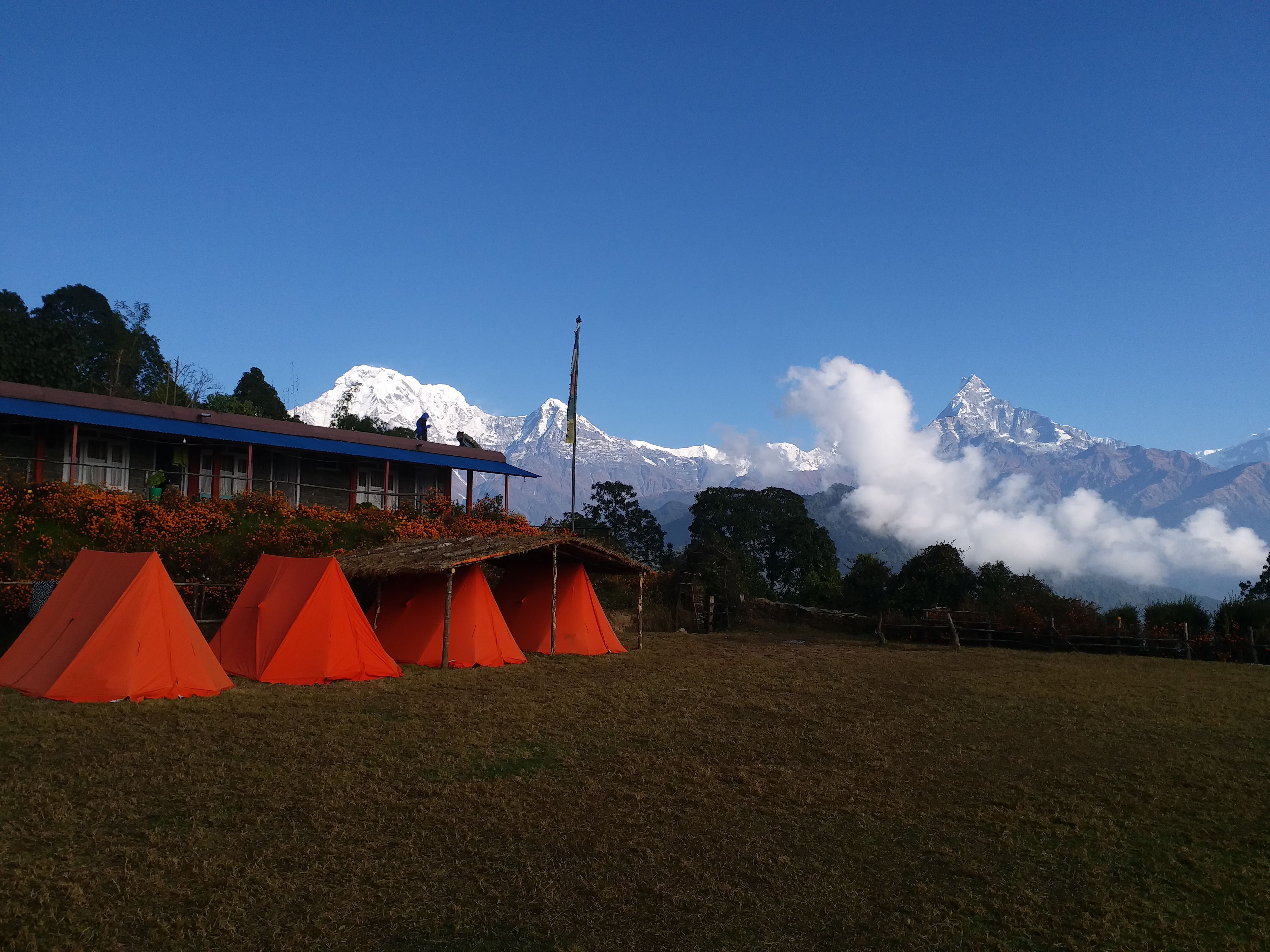
A tea house trek is a style of trekking in which travelers hike from village to village and spend each night in locally owned mountain lodges instead of camping outdoors. Along the route, each tea house serves as both accommodation and a small restaurant, where trekkers can enjoy freshly prepared meals, relax after a day's walk, and interact with local families.
Unlike traditional camping expeditions that require tents, kitchen staff, cooks, dining tents, and porters carrying heavy camping equipment, tea house trekking allows hikers to travel much more comfortably with minimal gear. Most trekkers carry only a daypack, while their main luggage is transported by porters.
After a day of hiking through forests, river valleys, suspension bridges, terraced fields, and alpine landscapes, trekkers can enjoy a warm meal, a comfortable bed, and the opportunity to share stories with fellow travelers from around the world. This unique combination of adventure, comfort, and cultural interaction is what makes tea house trekking the preferred way to explore Nepal's Himalayas.
The History of Tea Houses in Nepal
The origins of tea houses date back many decades, when mountain communities relied on ancient trade routes connecting villages across the Himalayas. Merchants transporting salt, wool, grain, herbs, and other goods needed safe places to rest during their long journeys.
Local families welcomed these travelers into their homes, offering simple meals, hot tea, and a place to sleep. These informal resting places eventually became small lodges serving anyone traveling through the region.
The growth of trekking tourism in the 1960s and 1970s encouraged many families to improve their homes and build guesthouses specifically for international visitors. As the number of trekkers increased, tea houses gradually expanded their facilities while preserving the warm hospitality that had always been part of Nepalese mountain culture.
Today, tea houses are an essential part of the trekking experience and provide an important source of income for thousands of families living in remote Himalayan villages.
How Do Tea Houses Support Trekkers?
Tea houses play a vital role in making trekking in Nepal comfortable, enjoyable, and accessible. They eliminate the need for trekkers to carry camping equipment while providing reliable places to eat and sleep throughout the journey.
Most tea houses offer clean bedrooms with beds, blankets, pillows, and shared or private bathrooms, depending on the location. Their dining halls become social gathering places where trekkers warm themselves beside a stove, exchange stories, and prepare for the next day's adventure.
In addition to accommodation, tea houses provide breakfast, lunch, dinner, snacks, tea, coffee, drinking water, and basic information about trail conditions and weather. Many also offer charging facilities, Wi-Fi, hot showers, and laundry services in lower elevations.
Without these family-run lodges, trekking in Nepal would require significantly more equipment, planning, and expense.
What Is It Like to Stay in a Tea House?
Staying in a tea house is one of the most memorable parts of trekking in Nepal. Every evening, trekkers arrive at a welcoming lodge after a rewarding day on the trail. Although facilities vary by altitude and location, the atmosphere remains warm, friendly, and authentic.
Rooms are usually simple yet comfortable, typically furnished with two single beds, mattresses, pillows, blankets, and a small table. Higher elevations often provide more basic accommodation, but the hospitality remains exceptional.
The dining room is the heart of every tea house. Guests gather around the central heating stove, enjoy freshly cooked meals, sip hot tea or coffee, and share travel experiences with people from around the world. These evenings often become lasting memories, creating friendships that continue long after the trek has ended.
Beyond the accommodation itself, staying in a tea house allows visitors to experience daily life in the Himalayan villages. Guests interact with local families, learn about traditional customs, sample regional dishes, and gain a deeper appreciation for the culture that makes Nepal one of the world's most welcoming trekking destinations.
Food and Drinks Available on a Tea House Trek
One of the greatest advantages of a tea house trek is enjoying freshly prepared meals throughout your journey. Even in remote mountain villages, tea houses serve a surprising variety of delicious and nutritious dishes to keep trekkers energized.
The most popular meal is Dal Bhat, Nepal's traditional combination of steamed rice, lentil soup, seasonal vegetables, pickles, and sometimes meat or eggs. Many tea houses offer unlimited refills of Dal Bhat, making it a favorite choice for long trekking days. Other common dishes include fried rice, noodles, pasta, macaroni, Tibetan bread, chapati, momos (dumplings), pizza, soups, pancakes, porridge, muesli, omelets, and sandwiches.
Breakfast is usually served early in the morning before the day's hike begins. Popular choices include porridge, eggs, toast, Tibetan bread with honey or jam, pancakes, muesli, and hot drinks.
As the name suggests, tea is an essential part of the trekking experience. Tea houses offer black tea, milk tea, ginger tea, lemon tea, mint tea, masala tea, green tea, and traditional Himalayan herbal teas. Coffee, hot chocolate, and fresh lemon drinks are also available in most villages.
Because supplies are transported by porters, mules, or yaks, menu prices gradually increase as you climb to higher elevations.
Accommodation Facilities in Nepalese Tea Houses
Tea houses range from simple mountain lodges to comfortable guesthouses, depending on the trekking region and altitude. Popular routes such as Everest Base Camp and the Annapurna region generally have well-developed facilities, while more remote areas offer basic but welcoming accommodations.
Most rooms contain two single beds with mattresses, pillows, blankets, and a small table. Heating is usually provided only in the communal dining hall, while bedrooms remain unheated, making a quality sleeping bag highly recommended during colder months.
Bathrooms vary from shared toilets in remote villages to attached bathrooms in lower elevations. Many tea houses also provide hot showers, charging stations for electronic devices, Wi-Fi, filtered drinking water, and laundry services, although these often require an additional fee.
The simplicity of the accommodation is part of the charm, allowing trekkers to focus on the stunning mountain landscapes and genuine hospitality of the local people.
Who Runs the Tea Houses?
Nearly every tea house in Nepal is owned and operated by local families who have lived in the Himalayas for generations. Running a tea house is often a family business, with parents preparing meals, children helping guests, and relatives managing rooms or supplies.
These family-run lodges reflect the warmth and generosity for which Nepal is famous. Guests are welcomed with genuine smiles and treated as valued visitors rather than customers. Many trekkers return to the same tea houses year after year because of the friendships they have formed with the owners.
Income from tea houses supports education, healthcare, agriculture, and community development in remote mountain villages. By choosing a tea house trek, visitors directly contribute to the local economy and help sustain traditional Himalayan lifestyles.
How Tea House Trekking Benefits Local Communities
Tea house trekking has become one of the most important sources of income for many Himalayan communities. Tourism creates employment not only for lodge owners but also for trekking guides, porters, cooks, farmers, shopkeepers, transport providers, and local artisans.
The revenue generated from trekking helps improve schools, health posts, clean water systems, communication networks, and village infrastructure. It also encourages younger generations to remain in their communities instead of migrating elsewhere for work.
Many tea house owners purchase vegetables, dairy products, grains, and other ingredients from nearby farmers, creating a sustainable local economy that benefits entire villages.
Responsible trekking also encourages environmental conservation. Numerous communities actively participate in waste management, trail maintenance, tree planting, and conservation projects to protect the fragile Himalayan environment for future generations.
Tea House Trek vs. Camping Trek: What's the Difference?
Tea house trekking and camping trekking both provide unforgettable Himalayan adventures, but they offer very different experiences.
A tea house trek allows hikers to stay in permanent mountain lodges, enjoy freshly prepared meals, and travel with lighter backpacks. It is generally more affordable, requires less equipment, and is suitable for most trekkers, including beginners.
Camping treks involve carrying tents, kitchen equipment, food supplies, dining tents, and sleeping gear. A larger support team—including guides, cooks, kitchen staff, and porters—is required to transport and manage the campsite. Camping remains essential in remote regions where no tea houses exist.
While camping provides greater flexibility and access to isolated wilderness areas, tea house trekking offers more comfort and opportunities to experience local culture through daily interactions with Himalayan families.
Best Tea House Treks in Nepal
Explore Nepal's most popular tea house trekking routes, each offering spectacular Himalayan scenery, comfortable mountain lodges, and unforgettable cultural experiences.
Everest Base Camp Tea House Trek
The world's most iconic tea house trek through Sherpa villages to the base of Mount Everest. Discover the Everest Base Camp Trek →
Annapurna Base Camp Tea House Trek
A scenic journey through forests, traditional villages, and breathtaking mountain landscapes. Explore the Annapurna Base Camp Trek →
Annapurna Circuit Tea House Trek
One of Nepal's classic trekking adventures featuring diverse landscapes and the legendary Thorong La Pass. View the Annapurna Circuit Trek →
Manaslu Circuit Tea House Trek
Experience a quieter Himalayan adventure with authentic villages and the spectacular Larke Pass. Learn More About the Manaslu Circuit Trek →
Langtang Valley Tea House Trek
A beautiful trek close to Kathmandu featuring Tamang culture and stunning mountain scenery. See the Langtang Valley Trek →
Mardi Himal Tea House Trek
A short and rewarding trek with panoramic views of Machhapuchhre and the Annapurna range. Explore the Mardi Himal Trek →
Poon Hill Tea House Trek
A perfect beginner-friendly trek famous for its spectacular sunrise views from Poon Hill. View the Poon Hill Trek →
Helambu Trek
A peaceful trek through picturesque villages, forests, and rich Hyolmo culture. Discover the Helambu Trek →
Langtang Gosaikunda Helambu Trek
A diverse adventure combining Langtang Valley, the sacred Gosaikunda Lakes, and the Helambu region. Explore the Langtang Gosaikunda Helambu Trek →
Gokyo Lake Trek
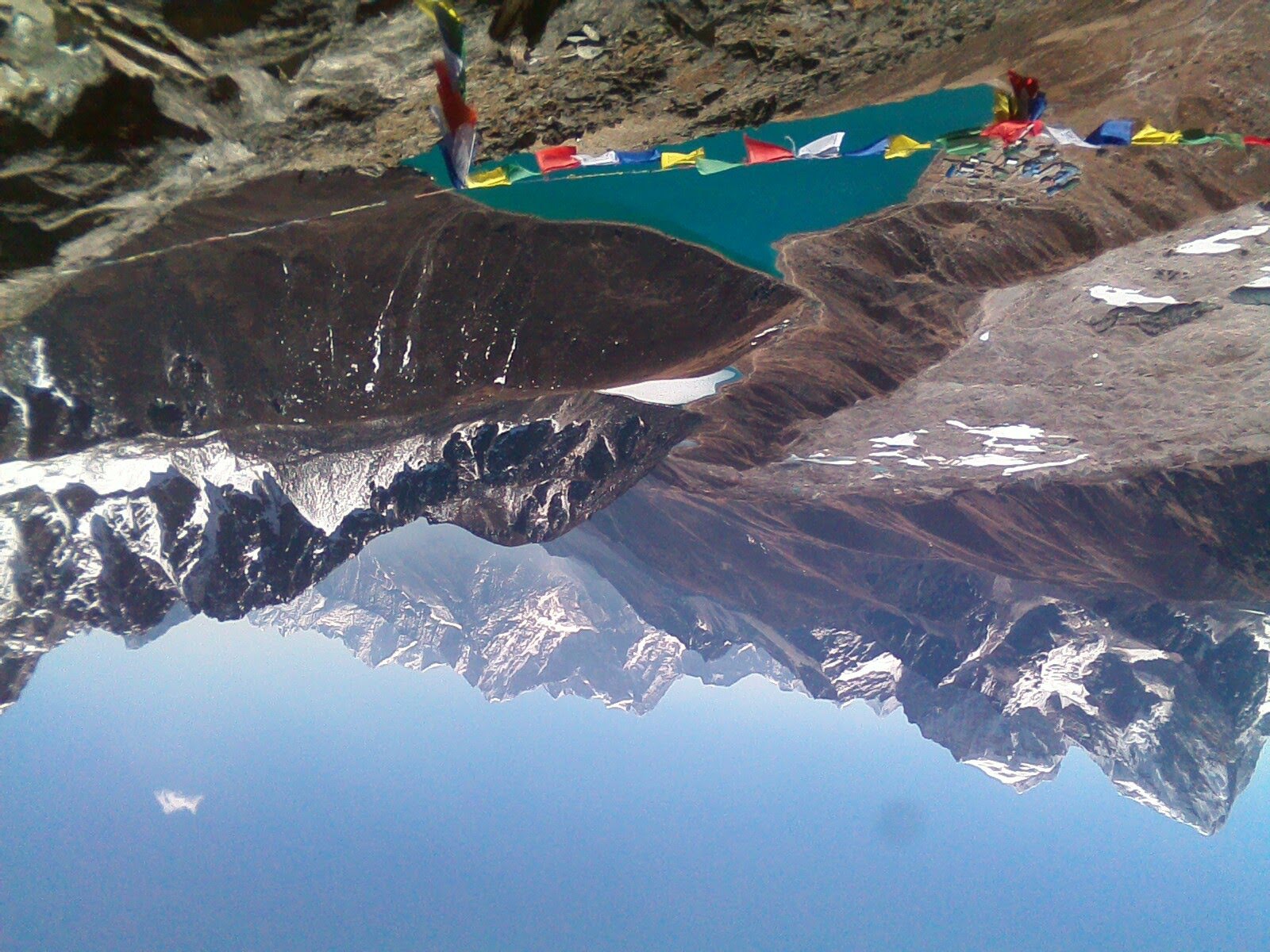
Visit the stunning turquoise Gokyo Lakes and enjoy panoramic Himalayan views from Gokyo Ri. Learn More About the Gokyo Lake Trek →
Everest Three High Passes Trek
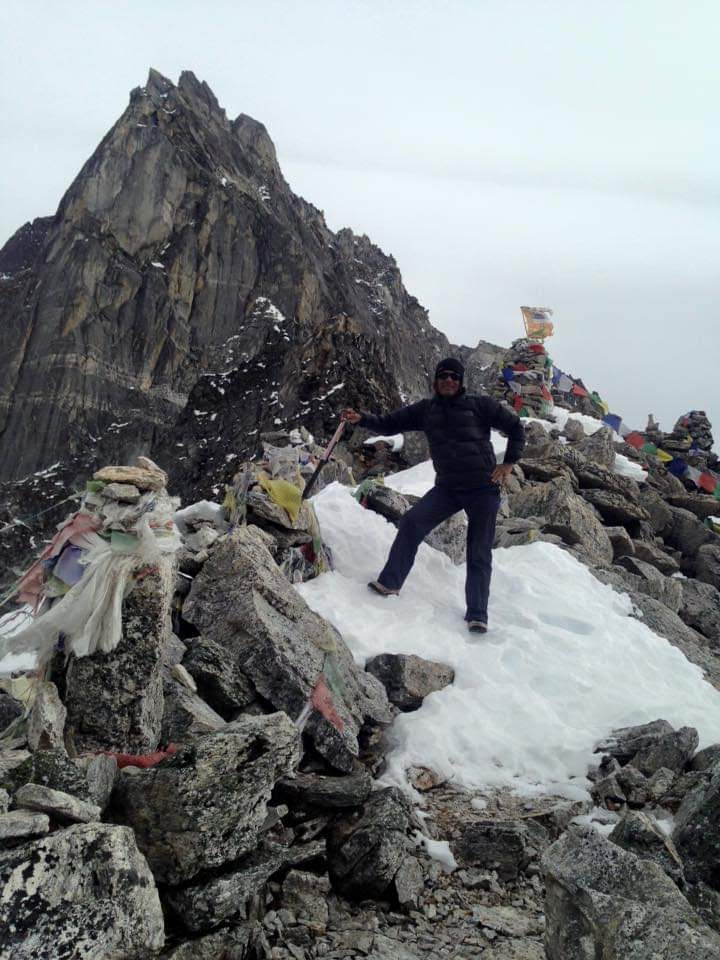
A challenging adventure crossing Kongma La, Cho La, and Renjo La with incredible Everest views. Explore the Everest Three High Passes Trek →
Everest View Trek
A short Himalayan trek perfect for seeing Mount Everest and experiencing Sherpa culture. Discover the Everest View Trek →
Tsum Valley Trek
Journey into the hidden Buddhist valley of Tsum, renowned for its monasteries, culture, and peaceful mountain landscapes. View the Tsum Valley Trek →
Is Tea House Trekking Suitable for Beginners?
Yes. Tea house trekking is one of the best ways for first-time visitors to experience the Himalayas. Because accommodation and meals are available along the trail, trekkers do not need previous camping experience or specialized expedition equipment.
Many popular routes, including Ghorepani Poon Hill, Mardi Himal, Langtang Valley, and Annapurna Base Camp, are suitable for beginners with a reasonable level of fitness. By trekking at a comfortable pace, staying well hydrated, and following proper acclimatization practices, most healthy travelers can successfully complete these adventures.
Hiring an experienced guide further enhances safety while providing valuable knowledge about local culture, history, wildlife, and mountain environments.
You can keep it concise and consistent with your other sections:
What Should You Pack for a Tea House Trek?
Pack smart for changing Himalayan weather with the right clothing, trekking gear, and essential equipment to stay safe and comfortable throughout your journey.
Explore our complete Nepal Trekking Packing List →
Essential Tips for Your First Tea House Trek
Choose a trekking route that matches your fitness level and available time. Trek slowly, drink plenty of water, and include acclimatization days on high-altitude routes. Respect local customs, dress modestly in villages and monasteries, and help protect the environment by minimizing plastic waste and carrying reusable water bottles.
Traveling with a licensed trekking company provides additional safety, logistical support, experienced guides, and local knowledge that greatly enrich the overall experience.
Why Choose Mountain King Treks for Your Tea House Trek?
At Mountain King Treks, we provide experienced local guides, personalized service, carefully planned itineraries, and genuine Himalayan hospitality to ensure a safe and unforgettable trekking experience.
Read More: Why Choose Mountain King Treks for Your Tea House Trek →
Conclusion
Tea house trekking is one of Nepal's greatest travel experiences, combining breathtaking Himalayan scenery with genuine local hospitality. The name "tea house trek" reflects the rich history of the mountain lodges that have welcomed travelers for generations, evolving from simple resting places into comfortable guesthouses that support thousands of trekkers each year.
Today, tea houses allow visitors to explore Nepal's spectacular mountains without the need for camping equipment while creating meaningful connections with local families and communities. Whether you choose Everest, Annapurna, Langtang, Manaslu, Mardi Himal, or Poon Hill, every tea house trek offers unforgettable landscapes, delicious home-cooked meals, and warm Himalayan hospitality.
If you're ready to discover Nepal's mountains through an authentic tea house trekking experience, Mountain King Treks is here to help you plan the perfect adventure.
Frequently Asked Questions About Tea House Treks
1. Why is it called a tea house trek?
The name comes from traditional mountain lodges called tea houses, where trekkers stay overnight and enjoy food, tea, and basic shelter along the trail.
2. Do tea houses offer private rooms?
Yes. Most tea houses provide simple twin-sharing rooms, and some in lower elevations also offer attached bathrooms.
3. Are meals included on a tea house trek?
Meals are available at all tea houses. Whether they are included depends on the trekking package you book.
4. Is Wi-Fi available during the trek?
Many tea houses offer Wi-Fi for an extra charge, but connectivity is often slow and unreliable in remote areas.
5. Are tea house treks suitable for beginners?
Yes. Popular beginner-friendly routes include the Everest View Trek, Ghorepani Poon Hill Trek, Mardi Himal Trek, Langtang Valley Trek, and Annapurna Base Camp Trek.
Start Your Tea House Trek in Nepal Today
Whether you're dreaming of your first Himalayan trekking experience or planning your next mountain adventure, Mountain King Treks is here to guide you every step of the way. From iconic tea house treks like Everest, Annapurna, Langtang, and Manaslu to tailor-made trekking and cultural journeys, our expert team ensures a safe, comfortable, and unforgettable experience in the Himalayas.
Contact Us: Get a Free Trek Consultation
Plan Your Trip: Customize Your Tea House Trek in Nepal
WhatsApp: +977-9841566449
Email: info@mountainkingtrek.com
Mountain King Treks And Expedition Pvt. Ltd.