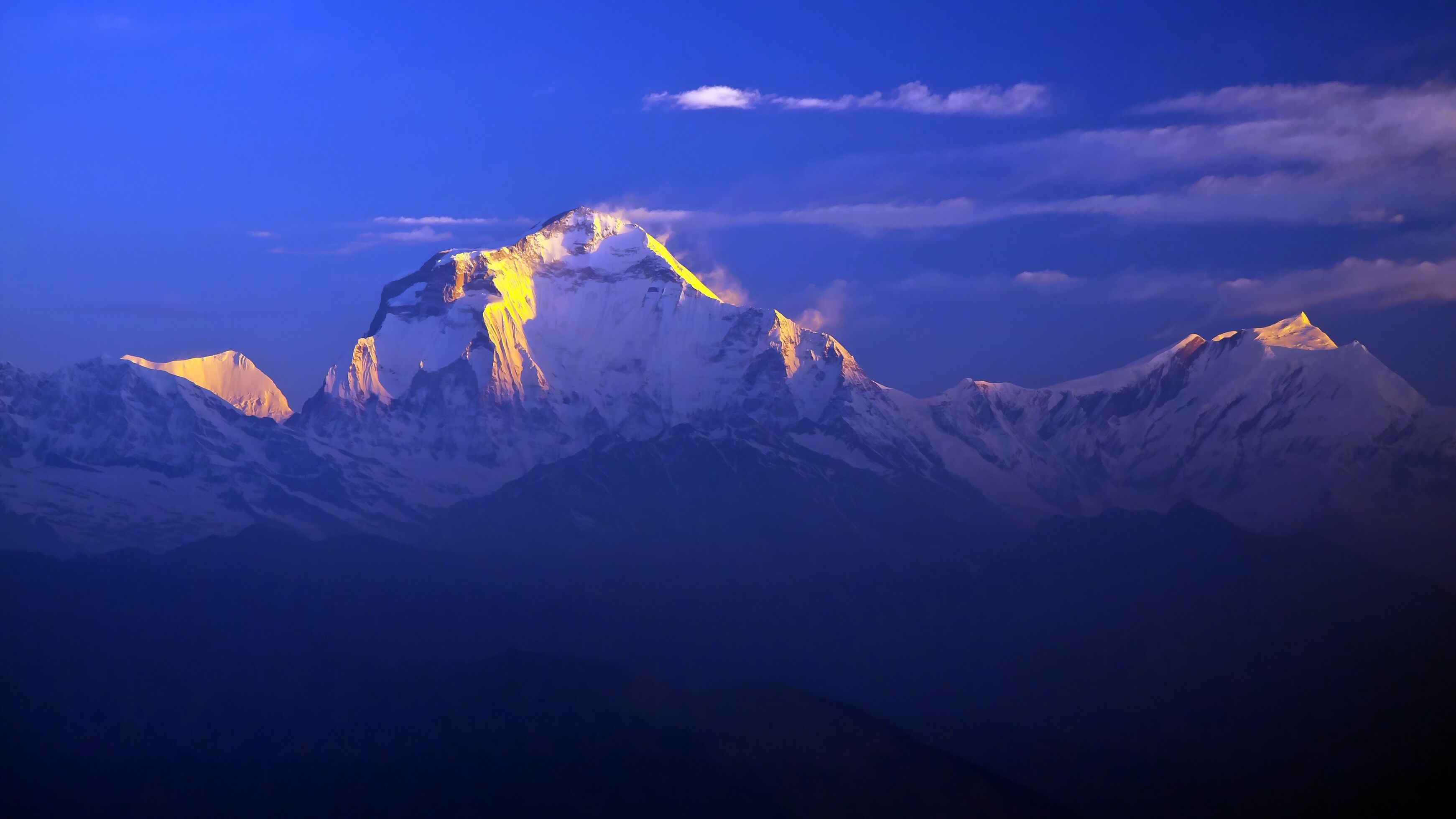
A bespoke trekking in nepal adventure.
A remote and rewarding trekking in Nepal adventure.
The Gurja Himal Trek – 13 Days is an off-the-beaten-path camping journey through the remote Dhaulagiri region of western Nepal, offering a quieter and less-traveled experience within Trekking in Nepal. The route combines spectacular Himalayan scenery, traditional mountain villages, high mountain passes, peaceful forests, alpine landscapes, and opportunities to experience the culture and lifestyle of local communities. It is particularly suited to travelers looking for a remote Himalayan adventure away from Nepal's more established trekking routes.
The journey begins with a bus from Kathmandu to Beni and onward to Darbang, from where the trail enters the remote mountain landscape toward Dharapani, Lulang, and Gurja Khani. Crossing Gurja Pass (3,255 m), the trail reaches Gurja Khani at the base of Gurja Himal, where an exploration day provides time to experience the surrounding mountains, traditional village, and local environment.
From Gurja Khani, the trail continues toward Dhorpatan, crossing Rugachaur Pass (3,850 m) and passing through beautiful highland landscapes. An acclimatization day in Dhorpatan includes an optional cultural visit to Chentung Tibetan Bonpo Monastery, adding a distinctive cultural element to the journey. The return route crosses Jaljalla Pass (3,400 m) before descending toward Lumsung and Darbang. The traditional villages and local communities along the route offer an opportunity to learn more about the culture and mountain lifestyle of the region through the Dhaulagiri Culture & Mountain Villages Guide.
The Gurja Himal Trek is a fully supported camping trek, making it possible to explore this remote region where regular teahouse facilities are limited. A dedicated trekking and kitchen team supports the journey, with camping accommodation and full-board meals provided throughout the trekking section. The combination of remote trails, high mountain passes, traditional communities, and wilderness landscapes makes this a memorable adventure in the Dhaulagiri region.
Short Itinerary
Day 01: Arrival in Kathmandu – Transfer to Hotel and Trek Briefing
Day 02: Drive from Kathmandu to Beni – 8 to 9 hours
Day 03: Drive from Beni to Darbang and trek to Dharapani (1,565 m) – 6 to 7 hours
Day 04: Trek from Dharapani to Lulang (2,450 m) – 5 to 6 hours
Day 05: Trek from Lulang to Gurja Khani (2,650 m) via Gurja Pass (3,255 m) – 6 to 7 hours
Day 06: Exploration Day at Gurja Khani – Base of Gurja Himal
Day 07: Trek from Gurja Khani to Dhorpatan (3,000 m) via Rugachaur Pass (3,850 m) – 6 to 7 hours
Day 08: Acclimatization and Cultural Visit to Chentung Tibetan Bonpo Monastery (Optional)
Day 09: Trek from Dhorpatan to Lumsung (2,190 m) via Jaljalla Pass (3,400 m) – 6 to 7 hours
Day 10: Trek from Lumsung to Darbang – 6 to 7 hours
Day 11: Drive from Darbang to Pokhara – 5 to 6 hours
Day 12: Drive from Pokhara to Kathmandu – 7 to 8 hours
Day 13: Departure from Kathmandu
Trip Facts
Trip Name: Gurja Himal Trek
Destination: Nepal
Duration: 13 Days / 12 Nights
Region: Dhaulagiri Region, Western Nepal
Trip Type: High-Altitude Camping Trek
Trek Grade: Moderate to Challenging
Maximum Elevation: 3,850 m (Rugachaur Pass)
Starting / Ending Point: Darbang
Group Size: 2–20 people per private booking
Accommodation: Hotel in Kathmandu and Pokhara; fully supported camping during the trek
Meals: BB in Kathmandu and Pokhara; full board during the trek
Transportation: Bus, tourist bus, and private airport transfers
Daily Walking: Approximately 5–7 hours
Best Seasons: Spring and autumn
Guide & Staff: Licensed trekking guide with professional trekking and camping support team
Permits: Required trekking and conservation permits
Suitable For: Fit adventure travelers, experienced trekkers, photographers, and nature lovers
Transportation
The journey begins with a bus from Kathmandu to Beni and onward to Darbang, where the trekking section starts. After completing the trek, the group travels by bus from Darbang to Pokhara, followed by one night in Pokhara on a Bed and Breakfast basis. The following day, travel continues from Pokhara to Kathmandu by tourist bus. Arrival and departure airport transfers in Kathmandu are provided by private vehicle.
Accommodation and Food
The Gurja Himal Trek combines hotel accommodation in Kathmandu and Pokhara with fully supported camping during the trekking section. The itinerary includes two nights in Kathmandu and one night in Pokhara on a Bed and Breakfast (BB) basis. During the remote trekking section, the dedicated camping team provides tents, dining facilities, and essential camping arrangements.
Full-board meals are provided throughout the trekking section, including breakfast, lunch, and dinner each day. Meals are prepared by the camping kitchen team to support trekkers throughout the remote mountain journey.
Gurja Himal Trek Route and Mountain Villages
Darbang to Dharapani
The Gurja Himal Trek begins from Darbang after the journey from Beni, entering a remote landscape of forested hills, terraced fields, and traditional mountain settlements. The trail gradually climbs toward Dharapani, a peaceful village surrounded by the natural beauty of the Dhaulagiri region. This first trekking section provides an introduction to the remote trails and village life that define the journey.
Dharapani to Lulang
From Dharapani, the trail continues toward Lulang through forests and mountain terrain. Lulang is a traditional settlement where trekkers can experience the quiet atmosphere of rural mountain life away from the more developed trekking routes. The changing landscape and views toward the surrounding Dhaulagiri mountains make this a rewarding section of the trek.
Lulang to Gurja Khani via Gurja Pass
The trail from Lulang climbs toward Gurja Pass (3,255 m) before descending to Gurja Khani. Crossing the pass marks a transition into the higher mountain environment, with increasingly open landscapes and views of the surrounding peaks. Gurja Khani is a remote mountain village at the base of Gurja Himal, offering an opportunity to experience the traditional lifestyle and culture of the local communities. For more about the region's traditional settlements and mountain communities, see the Dhaulagiri Culture & Mountain Villages Guide.
Gurja Khani and Gurja Himal
A full exploration day at Gurja Khani allows time to rest and experience the surroundings at the base of Gurja Himal. The area offers an opportunity to appreciate the mountain landscape, traditional village setting, and quieter side of the Dhaulagiri region while preparing for the higher trail ahead.
Gurja Khani to Dhorpatan via Rugachaur Pass
Leaving Gurja Khani, the trek continues toward Dhorpatan, crossing Rugachaur Pass (3,850 m). The route passes through remote mountain landscapes, forests, and open highland terrain before reaching Dhorpatan. This section offers some of the most rewarding scenery of the journey.
Dhorpatan and Chentung Tibetan Bonpo Monastery
Dhorpatan provides a natural opportunity for acclimatization and exploration before continuing toward Lumsung. An optional cultural visit to Chentung Tibetan Bonpo Monastery offers insight into the traditional religious and cultural heritage of the local communities. The combination of mountain scenery, pastoral landscapes, and cultural traditions makes Dhorpatan an important part of the Gurja Himal Trek.
Dhorpatan to Lumsung via Jaljalla Pass
The return journey continues from Dhorpatan toward Lumsung, crossing Jaljalla Pass (3,400 m). The trail passes through forests, alpine landscapes, and remote mountain terrain before reaching Lumsung. This section offers a different perspective of the landscapes experienced earlier in the trek while continuing through the less-visited parts of the Dhaulagiri region.
Lumsung to Darbang
From Lumsung, the trail descends toward Darbang through changing vegetation and mountain villages. As the elevation decreases, the landscape becomes greener and warmer, marking the transition from the high mountain environment back toward the lower valleys. Reaching Darbang completes the trekking section before the return journey to Pokhara.
Best Time for Gurja Himal Trek
Spring and autumn are generally the best seasons for the Gurja Himal Trek, offering favorable trekking conditions and clearer mountain views. Spring brings pleasant temperatures and colorful landscapes, while autumn is known for stable weather and good visibility following the monsoon.
The trek can be considered during other periods with appropriate preparation, but weather and trail conditions can vary considerably at higher elevations. As a remote camping trek crossing several high passes, seasonal conditions should be considered carefully when planning the journey.
Planning and Preparing for the Gurja Himal Trek
Good preparation is important for a remote high-altitude camping trek such as Gurja Himal. Trekkers should be comfortable walking for several hours on consecutive days and be prepared for steep ascents and descents, changing weather, and high-altitude terrain. Appropriate trekking boots, warm layers, rain protection, a sleeping bag, headlamp, water bottle, personal medical supplies, and other essential trekking equipment should be prepared before departure.
Because the route crosses Gurja Pass, Rugachaur Pass, and Jaljalla Pass, good physical preparation and gradual acclimatization are particularly important. Travel insurance covering trekking at the required altitude is also strongly recommended. For broader advice on organizing your journey, see the Nepal Travel Planning Guide. For practical destination information, see the Nepal Travel Information Guide, and for equipment, documents, insurance, and fitness preparation, refer to the Nepal Trip Preparation Guide.
Responsible Trekking
The Gurja Himal Trek passes through remote mountain villages, forests, pastures, and culturally important areas where responsible travel is especially important. Trekkers are encouraged to respect local customs, traditions, homes, monasteries, and community spaces throughout the journey.
Our camping team follows responsible trekking practices by managing waste carefully and minimizing the environmental impact of the camp. Trekkers should avoid single-use plastics where possible, carry personal waste until suitable disposal facilities are available, use water responsibly, and help protect the natural and cultural character of the Dhaulagiri region.
Gurja Himal Trek FAQs
Is the Gurja Himal Trek a camping trek?
Yes. The Gurja Himal Trek is a fully supported camping trek with a dedicated trekking and kitchen team. Full-board meals and camping arrangements are provided throughout the trekking section.
How difficult is the Gurja Himal Trek?
The Gurja Himal Trek is a moderate to challenging remote trek involving several long walking days, steep sections, and high passes, including Gurja Pass, Rugachaur Pass, and Jaljalla Pass. Good physical fitness and proper preparation are recommended.
What accommodation is provided during the trek?
Camping accommodation is provided throughout the trekking section. In Kathmandu, two nights are provided on a Bed and Breakfast basis, and one night in Pokhara is also provided on a Bed and Breakfast basis.
What is the best season for the Gurja Himal Trek?
Spring and autumn are generally the best seasons for the trek because of favorable weather and clearer mountain views. Conditions can change quickly in the high mountains, so appropriate equipment and preparation remain important.
Does the Gurja Himal Trek include Dhorpatan?
Yes. Dhorpatan is an important part of the route. The itinerary includes an acclimatization day there, with an optional cultural visit to Chentung Tibetan Bonpo Monastery before continuing toward Lumsung.
Contact Us
Have questions about the Gurja Himal Trek, itinerary, camping arrangements, transportation, or trekking in the Dhaulagiri region? Our experienced local team is happy to assist you.
Mountain King Treks & Expedition Pvt. Ltd.
WhatsApp / Call: +977-9841566449
Email: info@mountainkingtrek.com
Plan a Trip
Planning the Gurja Himal Trek or another Himalayan adventure in Nepal? Mountain King Treks can help organize your journey according to your schedule and preferences.
What makes this special.
- Explore the remote Gurja Khani village at the base of Gurja Himal.
- Trek through the spectacular Dhaulagiri region of western Nepal.
- Cross Gurja Pass (3,255 m) and Rugachaur Pass (3,850 m).
- Experience the scenic landscapes of Dhorpatan.
- Visit Chentung Tibetan Bonpo Monastery as an optional cultural experience.
- Cross Jaljalla Pass (3,400 m) through remote mountain terrain.
- Experience traditional mountain villages and local culture.
- Enjoy spectacular views of Gurja Himal, Dhaulagiri, and surrounding peaks.
- Experience a fully supported camping trek with a dedicated trekking and kitchen team.
- Explore a peaceful Himalayan region away from Nepal's busy trekking routes.
Your itinerary.
Kathmandu is the starting point for your journey into the remote Dhaulagiri region. Upon arrival, our representative will meet you at the airport and transfer you to your hotel by private vehicle. After check-in, you can relax and enjoy some free time in Kathmandu.
Later, you will meet the trekking team and receive important information about the upcoming Gurja Himal Trek, including the route, high-altitude conditions, camping arrangements, and necessary preparations.
Accommodation: Hotel in Kathmandu (BB)
After breakfast, we begin our journey toward the Dhaulagiri region by bus from Kathmandu to Beni. The scenic route passes through winding mountain roads, rivers, terraced hills, traditional villages, and beautiful countryside as we gradually travel westward from the Kathmandu Valley.
After approximately 8 to 9 hours, we reach Beni, an important gateway to the Dhaulagiri region. We settle in for the evening and prepare for the following day's journey toward Darbang and the beginning of the trekking section.
Meals: Breakfast, Lunch, Dinner
Accommodation: Hotel in Beni
After breakfast, we continue by bus from Beni to Darbang, following the Myagdi Khola through a scenic mountain valley. From Darbang, we begin trekking toward Dharapani, passing through forests, terraced fields, streams, and traditional mountain settlements as the trail gradually enters the remote Dhaulagiri landscape.
After 6 to 7 hours of trekking, we reach Dharapani at 1,565 meters. Our camping team prepares the camp and a warm dinner, giving us time to relax and enjoy the peaceful mountain surroundings.
Meals: Breakfast, Lunch, Dinner
Accommodation: Camping
From Dharapani, the trail continues toward Lulang through forests and mountain terrain. The route gradually gains elevation while passing through peaceful natural surroundings and traditional settlements. The changing landscape provides an excellent introduction to the remote character of the Gurja Himal Trek.
After 5 to 6 hours of walking, we reach Lulang at 2,450 meters. Our camping team prepares the camp and meals, allowing us to rest and enjoy the quiet mountain environment.
Meals: Breakfast, Lunch, Dinner
Accommodation: Camping
Today, the trail climbs from Lulang toward Gurja Pass at 3,255 meters. After crossing the pass, we descend toward Gurja Khani, a remote mountain village situated at the base of Gurja Himal. The route offers increasingly open mountain landscapes and impressive views of the surrounding peaks.
After 6 to 7 hours of trekking, we reach Gurja Khani at 2,650 meters. We settle into our camp and enjoy the peaceful surroundings of this remote Himalayan village.
Meals: Breakfast, Lunch, Dinner
Accommodation: Camping
Today is dedicated to exploring Gurja Khani and its beautiful surroundings at the base of Gurja Himal. After several days of trekking, the day also provides valuable time to rest, acclimatize, and experience the traditional mountain environment.
You can explore the village, enjoy the surrounding Himalayan scenery, and learn more about the local lifestyle and culture before continuing toward Dhorpatan.
Meals: Breakfast, Lunch, Dinner
Accommodation: Camping
Leaving Gurja Khani, the trail continues through remote mountain terrain toward Rugachaur Pass at 3,850 meters. The route passes through forests and open highland landscapes, with changing views of the surrounding mountains before descending toward Dhorpatan.
After 6 to 7 hours of trekking, we reach Dhorpatan at 3,000 meters. We set up camp and enjoy a well-earned rest after one of the more demanding days of the journey.
Meals: Breakfast, Lunch, Dinner
Accommodation: Camping
Today is an acclimatization and exploration day in Dhorpatan. The relaxed schedule allows you to rest and become better accustomed to the elevation while enjoying the surrounding mountain and pastoral landscapes.
An optional cultural visit to Chentung Tibetan Bonpo Monastery provides an opportunity to learn more about the traditional religious and cultural heritage of the local communities. You can also spend time exploring the surrounding area before the return journey toward Lumsung.
Meals: Breakfast, Lunch, Dinner
Accommodation: Camping
The return journey begins from Dhorpatan as we follow the trail toward Lumsung. The route crosses Jaljalla Pass at 3,400 meters and continues through forests, alpine landscapes, and remote mountain terrain.
After 6 to 7 hours of trekking, we reach Lumsung at 2,190 meters. The lower elevation brings a noticeable change in the landscape, and we spend the evening resting at our camp.
Meals: Breakfast, Lunch, Dinner
Accommodation: Camping
From Lumsung, the trail gradually descends toward Darbang through forests, mountain villages, and changing vegetation. As the elevation decreases, the surroundings become greener and warmer, marking the transition from the high mountain environment toward the lower valleys.
After 6 to 7 hours of trekking, we reach Darbang, completing the trekking section of the Gurja Himal Trek. We spend the evening resting and preparing for the journey to Pokhara.
Meals: Breakfast, Lunch, Dinner
Accommodation: Camping
After breakfast, we leave Darbang by bus and travel toward Pokhara. The journey follows scenic mountain roads through valleys, hills, rivers, and traditional settlements, providing a pleasant transition from the remote trekking region to the vibrant lakeside city.
After approximately 5 to 6 hours, we arrive in Pokhara and check into the hotel. The evening is free to relax and enjoy the atmosphere of Pokhara.
Meals: Breakfast
Accommodation: Hotel in Pokhara & Lunch
After breakfast, we travel from Pokhara to Kathmandu by tourist bus. The journey follows the scenic Prithvi Highway along rivers, green hills, terraced farmland, and mountain settlements, taking approximately 7 to 8 hours.
After arriving in Kathmandu, you have time to relax at the hotel and enjoy some free time. In the evening, we celebrate the successful completion of the Gurja Himal Trek with a farewell dinner featuring a typical Nepali meal and traditional Nepali cultural performance.
Meals: Breakfast, Farewell Dinner
Accommodation: Hotel in Kathmandu
Your Gurja Himal Trek comes to an end today. Depending on your flight schedule, you will be transferred to Tribhuvan International Airport by private vehicle for your onward journey. We hope you return home with wonderful memories of the remote Dhaulagiri region, its mountain landscapes, villages, and people.
Meals: Breakfast
Trip includes
- Kathmandu airport arrival and departure transfers by private vehicle.
- 2 nights hotel accommodation in Kathmandu on Bed and Breakfast (BB) basis.
- 1 night hotel accommodation in Pokhara on Bed and Breakfast (BB) basis.
- Fully supported camping accommodation throughout the trekking section.
- Full-board meals during the trek, including breakfast, lunch, and dinner.
- Licensed trekking guide and professional trekking and camping support team.
- Necessary trekking permits, conservation permits, and required paperwork.
- Camping equipment, including tents, dining tent, kitchen tent, and essential camping arrangements.
- Transportation by bus from Kathmandu to Beni and onward to Darbang, bus from Darbang to Pokhara, and tourist bus from Pokhara to Kathmandu.
- Staff wages, meals, accommodation, and insurance.
- First aid kit and basic emergency medical support.
- Farewell dinner featuring a typical Nepali meal with traditional Nepali cultural performance.
- Necessary government taxes and service charges.
Not included
- International flights and Nepal visa fees.
- Travel and trekking insurance, including emergency evacuation coverage.
- Personal trekking equipment, clothing, sleeping bag, and other personal gear.
- Personal expenses such as beverages, laundry, telephone calls, and internet.
- Tips for the trekking guide, camping team, and support staff.
- Additional hotel accommodation or meals required due to early arrival, late departure, or changes to the itinerary.
- Emergency evacuation and rescue expenses.
- Any services or expenses not specifically mentioned under Includes.