February 27, 2026
Everest Region Trekking Guide – Trails, Culture & Peaks
Plan Smart, Trek Safe, Experience Everest Like ever Before
The Everest Region Trekking Guide is your ultimate resource for planning an unforgettable Himalayan adventure. Whether your goal is to reach the world-famous Everest Base Camp, explore the quieter and less-traveled Arun Valley route, or immerse yourself in the heart of Sherpa culture through centuries-old monasteries and traditional villages, this guide offers in-depth insights to help you trek safely, comfortably, and meaningfully. You’ll find practical advice on altitude preparation, trekking seasons, accommodation options, meal planning, gear, cultural etiquette, and essential safety tips, making this guide invaluable for independent trekkers and those joining guided expeditions alike.
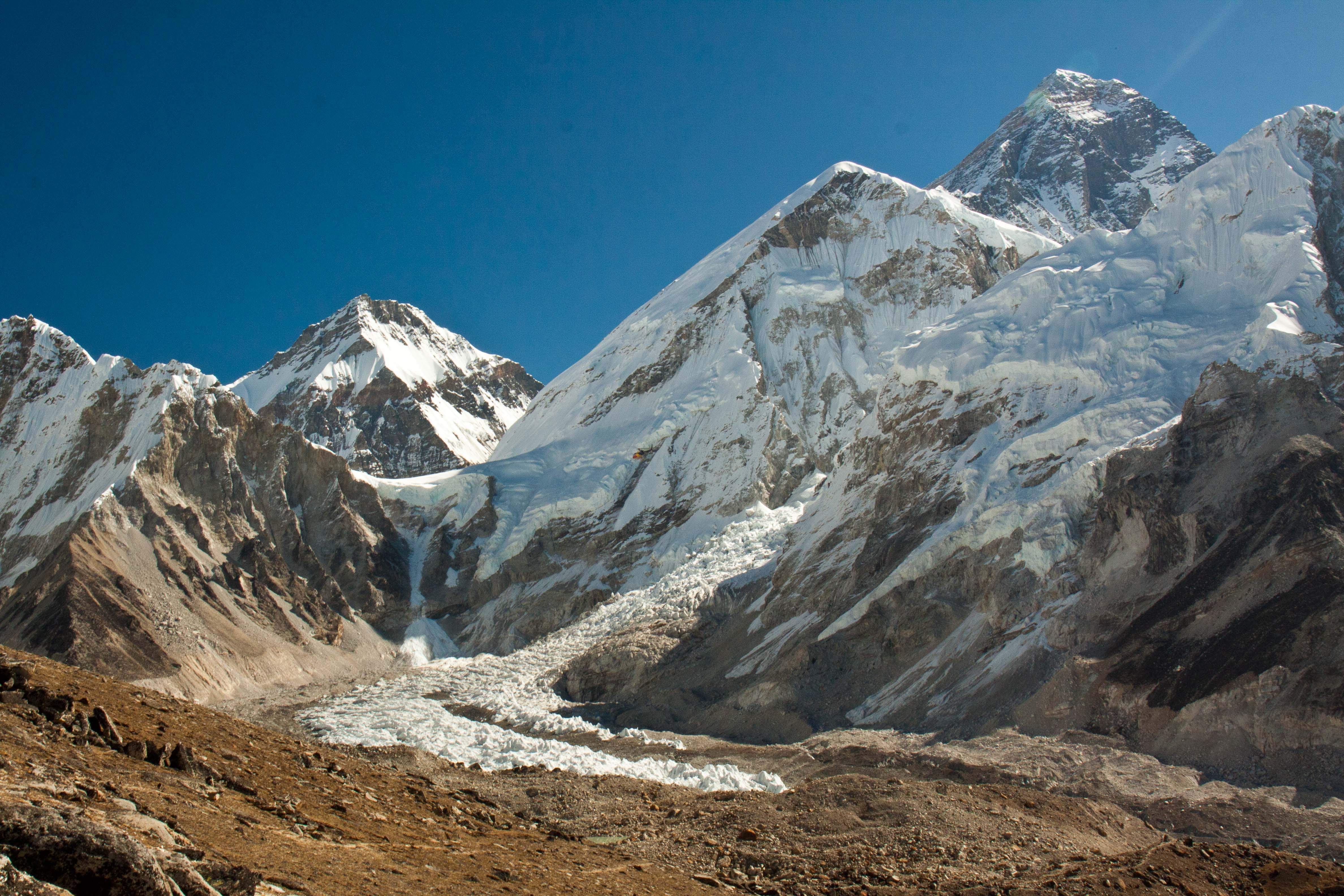
The Everest Region — also called Solu-Khumbu — is home to some of the highest peaks on Earth, including Mount Everest (8,849 m), Lhotse, Nuptse, Ama Dablam, and Thamserku. But trekking here is about far more than summits; it’s a journey into a vibrant tapestry of Sherpa culture, Buddhist traditions, and Himalayan landscapes. Trails weave through dense rhododendron forests, alpine meadows, glacier valleys, and high mountain passes, with dramatic views around every corner. Along the way, trekkers encounter traditional Sherpa villages, stone-built homes, mani walls, prayer flags, and centuries-old monasteries, offering a spiritual and cultural dimension to every hike.
This guide also highlights the full range of trekking experiences in the Everest Region. For newcomers or those with limited time, shorter treks like Pikey Peak or the Everest View Trek provide panoramic views of Everest and neighboring peaks without extreme altitude stress. For seasoned adventurers, multi-day high-altitude treks like the Everest Three High Passes Trek, Gokyo Lakes & Cho La Pass, or the Arun Valley to Everest Base Camp Trek challenge endurance while revealing remote valleys, hidden glaciers, and pristine alpine lakes. Detailed tips on daily trek planning, acclimatization strategies, and optional side routes help trekkers make informed decisions about the pace, rest days, and sightseeing opportunities.
Beyond trekking logistics, this guide provides essential cultural insights. Learn how to interact respectfully with Sherpa families, understand local festivals like Mani Rimdu and Losar, and navigate the customs of monasteries such as Tengboche or Pangboche. Understanding these traditions enhances your experience, turning every stop into a meaningful cultural encounter rather than a simple photo opportunity.
Safety, fitness, and preparation are central to this guide. From altitude awareness and hydration strategies to recommended gear, trekking poles, and clothing for variable Himalayan weather, you’ll gain practical knowledge that ensures both comfort and safety. Even independent trekkers can plan a well-supported expedition, knowing how to handle high passes, river crossings, and variable trail conditions.
With proper preparation and guidance, trekking in the Everest Region becomes more than just a physical challenge—it transforms into a life-changing adventure, combining awe-inspiring mountain vistas, spiritual reflection, cultural immersion, and the legendary warmth and hospitality of the Sherpa people. By following this guide, trekkers gain the confidence and knowledge to plan their own expedition, maximize their Himalayan experience, and create memories that last a lifetime.
How to Go There / Where It’s Located
The Everest Region, also known as Solu-Khumbu, is located in northeastern Nepal, stretching from the lower hills of the Gaurishankar Conservation Area to the high valleys of Sagarmatha National Park. It is home to the world’s tallest peaks, including Mount Everest (8,849 m), Lhotse, Nuptse, Ama Dablam, and Thamserku. The main gateway for trekkers is Lukla Airport, but access depends on your route, season, and travel preferences.
By Air (Domestic Flights):
- Peak Season (October–November & April–May): Due to heavy air traffic at Kathmandu Airport, flights to Lukla are temporarily operated from Ramechhap Airport. Travelers drive 5–6 hours from Kathmandu to Ramechhap before flying to Lukla, reducing delays and ensuring safer operations.
- Off-Season: Direct flights from Kathmandu to Lukla are available when air traffic is lower.
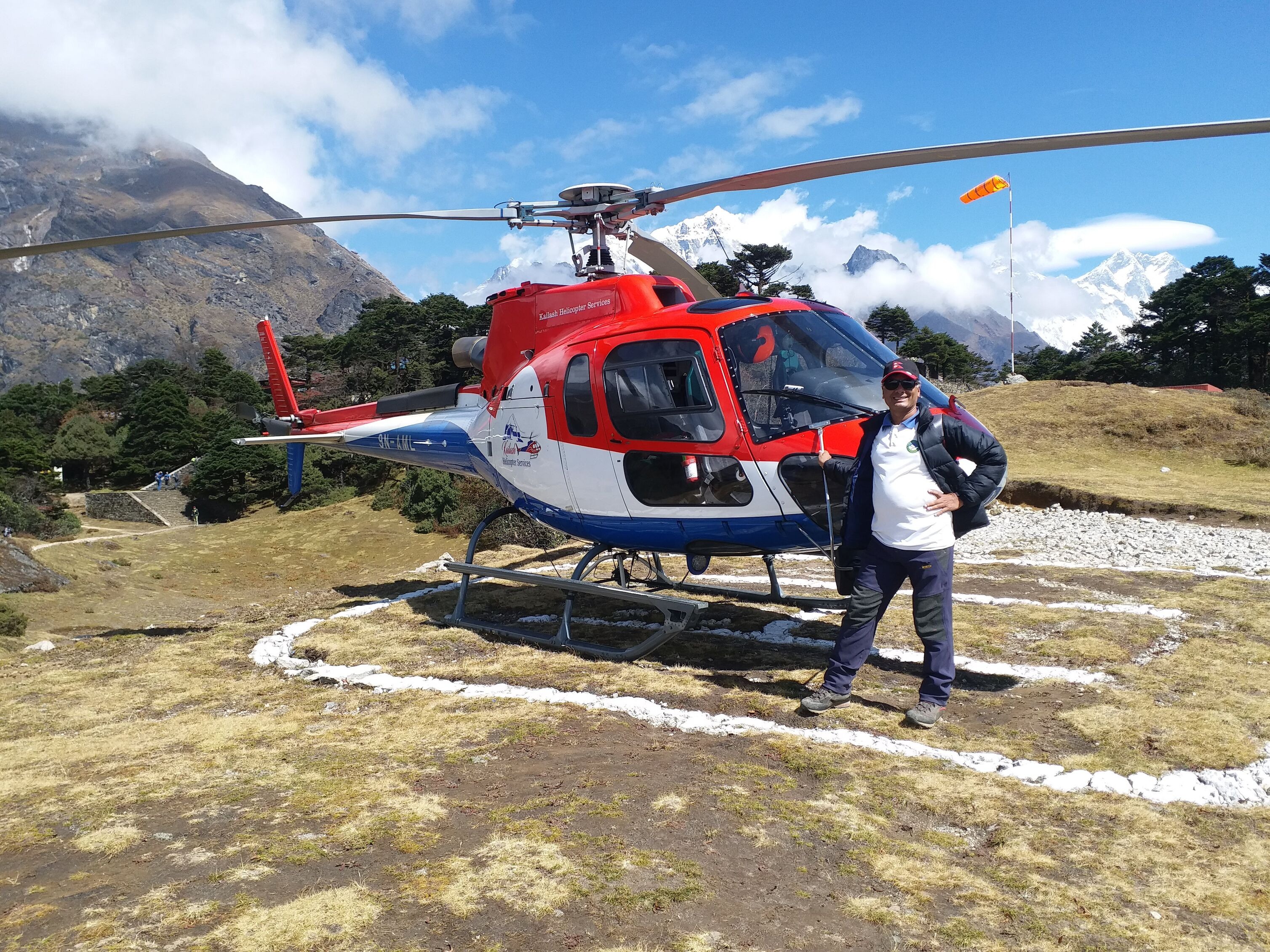
- Alternative Routes: Kathmandu to Tumlingtar is used for the Arun Valley trek, while Phaplu flights suit cultural or alternative trekking routes. Helicopter transfers from Kathmandu to Lukla are available year-round.
By Road:
- Kathmandu to Bhandara is served by daily super buses (8–10 hours).
- Kathmandu to Salleri is possible by bus or jeep, with onward transport to trailheads like Paya.
- Road travel allows gradual acclimatization and exposure to rural Nepal, though mountain roads can be long, winding, and weather-dependent.
International & Domestic Connections:
Most trekkers arrive via Tribhuvan International Airport in Kathmandu, which connects to all domestic flights and overland routes. Seasonal planning is crucial—especially during peak months when Ramechhap serves as the main Lukla departure point—to ensure a smooth start to your trek.
Travel & Transport Tips for Everest Region Trekking
While the previous section explains how to reach the Everest Region, this section provides practical insights, seasonal logistics, and insider tips to help you plan a smooth and reliable journey.
1. Domestic Flights – Kathmandu, Ramechhap & Lukla
Most trekkers enter the Everest Region through Lukla Airport, but flight operations vary depending on the season.
During the peak trekking seasons (October–November and April–May), flights to Lukla usually operate from Ramechhap Airport due to heavy air traffic at Kathmandu Airport. Trekkers typically travel 5–6 hours by road from Kathmandu to Ramechhap before taking the flight to Lukla.
During the off-season, flights usually operate directly from Kathmandu to Lukla, providing a faster and more convenient start to the trek.
Alternative flight routes include:
- Kathmandu – Tumlingtar (USD 160–170) for the Arun Valley to Everest Base Camp Trek
- Kathmandu – Phaplu (USD 120–150 approx.) for cultural and lower Everest Region treks
- Helicopter Flights Kathmandu – Lukla (USD 400–600 per person sharing) for a fast and scenic alternative
Typical Lukla flight costs range from USD 220–265 per person one way.
2. Road Travel & Overland Options
Overland travel is a good option for trekkers who prefer gradual acclimatization or want to avoid domestic flights.
- Kathmandu – Bhandara Super Bus: USD 10–15
- Kathmandu – Salleri Bus or Jeep: USD 40–60
- Local Jeeps: Available from Salleri to trailheads such as Paya or Surke
Road travel takes longer than flying but offers a more gradual altitude gain and opportunities to experience rural Nepal.
3. Luggage & Packing Logistics
Domestic flights to Lukla normally allow 15–20 kg of baggage per passenger, so efficient packing is important.
Guides and porters usually carry heavier gear, allowing trekkers to walk comfortably with a light daypack.
If traveling via Ramechhap, extra travel time should be allowed due to possible traffic or road delays.
4. Seasonal Considerations
During peak trekking seasons, flights, lodges, and guides should be booked well in advance due to high demand.
Off-season travel offers quieter trails, direct Kathmandu–Lukla flights, and sometimes lower accommodation prices, although flights may still be affected by weather conditions.
Weather conditions such as fog, rain, or snow can cause flight delays at Lukla, so trekkers should plan one or two extra buffer days in their itinerary.
5. Practical Travel Tips
- Arrive early at the airport, as Lukla flights usually operate at dawn when weather conditions are more stable.
- Carry essential items such as water, snacks, and a warm jacket in your carry-on bag.
- Confirm flights and transport arrangements in advance, especially during peak season.
- Always allow extra time for possible delays.
- Helicopter transfers are a reliable option for trekkers with limited time.
By keeping "How to Go There / Where It’s Located" for route options and geography, and "Travel & Transport Tips" for practical planning advice, this guide provides both essential knowledge and real-world information for planning a successful Everest Region trek.

Popular & Top Treks in the Everest Region
The Everest Region is home to some of the most celebrated trekking routes. Here’s a curated list of the best treks, each offering unique experiences of mountains, culture, and adventure:
Everest Base Camp Trek – Legendary Himalayan Adventure
Travel from Lukla to Everest Base Camp, passing through Sherpa villages, monasteries, and the Khumbu Glacier. This trek is perfect for those wanting to experience the world-famous trail and touch the foot of the world’s tallest peak.
→ Follow in the footsteps of mountaineering legends
Everest Three High Passes Trek – Ultimate 21-Day Challenge
Cross Kongma La, Cho La, and Renjo La, visiting Everest Base Camp and Gokyo Lakes. A challenging high-altitude adventure designed for experienced trekkers seeking glaciers, high passes, and pristine alpine landscapes.
→ Conquer Everest’s high passes for an epic journey
Everest View Trek – Short Scenic Himalayan Walk
A compact trek providing panoramic views of Everest, Nuptse, and Ama Dablam without the strain of high-altitude trekking. Ideal for short-time visitors or families seeking Himalayan vistas.
→ Enjoy Everest panoramas without extreme altitude
Gokyo Lakes Trek – Turquoise Alpine Lakes & Glacial Trails
Explore Gokyo Valley, climb Gokyo Ri, and discover pristine turquoise lakes and remote Sherpa villages. A perfect trek for photographers and nature lovers seeking quiet alpine scenery.
→ Discover calm lakes and majestic Himalayan views
Everest Base Camp & Gokyo Lakes via Cho La Pass
Combine the classic Base Camp trek with Gokyo Lakes, crossing glaciers and high passes. This trek is perfect for adventurers looking for epic Himalayan panoramas and a more challenging route.
→ Experience glaciers, lakes, and Everest in one journey
Pikey Peak Trek – Hidden Everest Viewpoint & Secret Gem
Reach spectacular panoramic viewpoints with less altitude stress than Base Camp. Pass through Sherpa villages and rhododendron forests for a peaceful and scenic adventure.
→ Enjoy breathtaking Everest views from a hidden peak
Everest Base Camp Trek from Jiri – Historic Trail Adventure
Start from Jiri, following the original route of early Everest expeditions. This trek combines culture, history, and trekking heritage before reaching Base Camp.
→ Walk the path of Everest pioneers
Dudh Kunda Trek – Sacred Alpine Lake of the Sherpas
A spiritual trek to glacial Dudh Kunda Lake, through alpine meadows, pristine forests, and Sherpa villages. Perfect for travelers seeking tranquility, spirituality, and cultural immersion.
→ Seek serenity and spiritual connection at Dudh Kunda
Everest Panorama Trek – Classic Views Without High Altitude Stress
A moderate trek offering stunning Everest vistas without the extreme altitudes of Base Camp. Ideal for travelers who want majestic scenery and peaceful trekking.
→ Capture the Himalayas quietly and comfortably
Everest Sherpa Cultural Trek – Highland Village Exploration
Explore Sherpa villages, monasteries, and local festivals, gaining insight into Everest Region culture while walking moderate trails with panoramic views.
→ Immerse yourself in authentic Sherpa culture
Mani Rimdu Festival Trek – Experience Sherpa Traditions
Time your trek to witness the Mani Rimdu Festival in Tengboche Monastery, combining cultural celebrations with Himalayan trekking.
→ Celebrate Everest with festive spirit and traditions
Everest Base Camp Luxury Trek – Helicopter Return
Reach Base Camp with premium lodge accommodations, hearty meals, and a helicopter return. Perfect for travelers seeking comfort without missing the adventure.
→ Experience Everest Base Camp in style
Everest Base Camp Trek by Land – Complete Overland & Trek Adventure
Combine overland travel with trekking, exploring highland trails and local villages for a full Himalayan experience.
→ Discover Everest’s majestic trails beyond the usual routes
Ama Dablam Base Camp Trek – Photographer’s Paradise
Specially designed for photographers, with time for sunrise, sunset, glacier exploration, and iconic peaks.
→ Capture the Himalayas in perfect frames
Arun Valley to Everest Base Camp Trek – Remote Himalayan Adventure
Trek through the pristine Arun Valley, one of the least-visited regions of eastern Nepal, before joining the classic Everest Base Camp route. Experience untouched landscapes, remote Sherpa villages, and unique wildlife along the way.
→ Explore a hidden path to Everest for adventurous trekkers
Best Time to Trek in the Everest Region
Choosing the right season is one of the most important decisions for trekking in the Everest Region. Weather, trail conditions, and crowd levels vary throughout the year, affecting both safety and experience. This section provides a comprehensive overview to help trekkers plan their adventure smartly.
1. Spring (March to May)
Spring is considered one of the best times to trek in the Everest Region. The weather is generally stable, daytime temperatures are mild, and the rhododendron forests are in full bloom, painting the valleys with vibrant reds, pinks, and oranges.
- Pros:
- Clear views of Everest, Lhotse, Ama Dablam, and surrounding peaks
- Pleasant daytime temperatures for hiking
- Blooming rhododendrons and alpine flowers
- Ideal for photography and cultural encounters
- Cons:
- Late April and May can be warmer, increasing the risk of dusty trails
- Peak season crowds, especially on classic routes like Everest Base Camp
- Special Notes:
- Domestic flights to Lukla often operate from Ramechhap due to air traffic congestion
- Festivals such as Buddha Jayanti may coincide with trekking
2. Autumn (September to November)
Autumn is the most popular trekking season in the Everest Region. After the monsoon, the skies are generally clear, offering breathtaking Himalayan panoramas and excellent visibility for high-altitude treks.
- Pros:
- Stable weather and clear mountain views
- Ideal temperatures for trekking (cool but not freezing during the day)
- Dry trails with less mud compared to monsoon season
- Peak season for guided treks and adventure tourism
- Cons:
- Heavy crowds at popular lodges and trail sections
- Domestic flights to Lukla operate mainly from Ramechhap due to high air traffic
- Advance booking for flights, lodges, and guides is essential
- Special Notes:
- Festivals like Dashain and Tihar occur during this period, offering cultural insights
- Trails are busy, so trekkers should start early and plan extra buffer days
3. Winter (December to February)
Winter trekking is less crowded and offers peaceful, crisp trails. Snow adds dramatic beauty to the peaks, though daytime temperatures are colder and nights can be freezing.
- Pros:
- Fewer trekkers, more solitude on the trail
- Clear skies for panoramic photography
- Perfect for those seeking off-season adventure
- Cons:
- Very cold temperatures, especially above 4,000 m
- Some high passes like Cho La or Renjo La may have snow or ice
- Limited services at lodges; some teahouses may be closed
4. Monsoon (June to August)
Monsoon season brings heavy rain, cloudy skies, and slippery trails. Trekking during this period is not recommended, except for those seeking extreme adventure or cultural immersion in lower-altitude villages.
- Pros:
- Lush green landscapes and waterfalls
- Fewer trekkers and off-season prices
- Cons:
- Risk of landslides, trail erosion, and flight delays
- Limited visibility of Himalayan peaks
- Some routes may be inaccessible due to heavy rain
Seasonal Tips:
- Peak Seasons (Spring & Autumn): Expect high demand for flights, lodges, and guides. Booking in advance is crucial.
- Flights: During peak season, domestic flights to Lukla depart from Ramechhap, while off-season flights operate directly from Kathmandu. Helicopter options are available year-round for faster access.
- Cultural Timing: Align your trek with local festivals like Mani Rimdu in Tengboche Monastery or Losar (Tibetan New Year) for unique cultural experiences.
By understanding the seasonal weather patterns, flight logistics, and trail conditions, trekkers can select the best time to enjoy the Everest Region safely, comfortably, and with maximum scenic and cultural rewards.

Budget & Costs for Everest Region Trekking
Trekking in the Everest Region can suit a wide range of budgets, from independent low-cost expeditions to guided luxury treks. Understanding the typical costs is essential for planning a safe, comfortable, and enjoyable adventure.
1. Trekking Permits & Fees
- Sagarmatha National Park Entry Permit: Approx. USD 25 per person
- Khumbu / TIMS Trekking Permit: Approx. USD 20 for individuals, USD 10 for groups
- Additional Permits: Required for special regions or routes, such as restricted areas or the Arun Valley trek
2. Accommodation Costs
- On the Trail: Teahouses and lodges offer twin-sharing rooms with basic amenities. Prices range from USD 5–15 per night for standard lodges, and USD 20–250 per night for deluxe lodges, such as Yeti Mountain Home or Namche deluxe hotels.
- In Kathmandu: 3-star hotels average USD 65–85 per night on a Bed & Breakfast (BB) basis, while 4–5 star hotels and resorts range from USD 120–250+.
- Peak vs Off-Season: During peak seasons (March–May, September–November), rates may increase by 10–20%, so advance booking is recommended.
3. Meals & Food Costs
- On the Trail: Breakfast, lunch, and dinner at teahouses or lodges typically cost USD 8–10 per meal.
- In Kathmandu: Meals at mid-range restaurants cost USD 5–15 per person; higher-end restaurants can range from USD 20–40+.
- Guided Packages: Often include all meals on the trail, snacks, and hot beverages, providing convenience and local flavors.
4. Guides & Porters
- Local Trekking Guide: USD 30–35 per day (plus tips)
- Porters: USD 25–35 per day (plus tips)
- Benefits: Guides ensure safe navigation, cultural insights, and acclimatization advice, while porters allow trekkers to carry minimal personal gear and walk lightly.
5. Transportation Costs
- Domestic Flights: Kathmandu–Lukla (off-season) or Ramechhap–Lukla (peak-season) cost around USD 220–265 per person, one-way.
- Kathmandu–Tumlingtar (Arun Valley Route): Approx. USD 160–170 per person
- Helicopter Transfers: USD 400–600 for Kathmandu–Lukla, offering a faster and scenic alternative
- Road Travel: Kathmandu–Bhandara by super bus: USD 10–15; Kathmandu–Salleri by bus or jeep: USD 40–60, plus local jeep fares to trailheads like Paya
6. Miscellaneous Costs
- Travel Insurance: Highly recommended, USD 50–100+, depending on coverage (should include high-altitude trekking and helicopter evacuation)
- Gear & Equipment Rental: USD 5–10 per item per day; optional for trekking poles, sleeping bags, or down jackets
- Tips & Gratitude: USD 5–10 per day for guides and porters is customary
Budgeting Tips:
- Independent Trekkers: Can complete a 12–14 day Everest Base Camp trek for around USD 1,000–1,200, including permits, accommodation, meals, and flights (excluding Kathmandu hotel and international flights)
- Guided Packages: Typically range from USD 1,500–2,500, including guide, porter, meals, accommodation on the trail, and logistics support
By understanding the breakdown of costs, trekkers can plan according to their budget, choose between standard or deluxe accommodations, and decide whether to hire guides and porters. Proper preparation ensures your Everest Region trek remains safe, comfortable, and unforgettable, without unexpected expenses.
Altitude, Fitness & Safety Tips for Everest Region Trekking
Trekking in the Everest Region takes you through moderate to high altitudes, often above 3,000–5,500 meters, so proper preparation is essential for a safe and enjoyable journey. Here are key tips to help you stay healthy, fit, and safe on the trails:
Acclimatization: Give your body time to adjust to the high altitude. Spend at least 1–2 nights in villages like Namche Bazaar or Tengboche before ascending further. This helps reduce the risk of Acute Mountain Sickness (AMS) and ensures your trek is enjoyable.
Fitness Preparation: Building cardiovascular strength is crucial. Engage in activities such as jogging, cycling, swimming, and regular hill or stair walks in the months leading up to your trek. Strong leg muscles and endurance will make long trekking days much easier.
Hydration & Nutrition: Drink 3–4 liters of water daily, and supplement with electrolyte drinks if needed. Eat frequent high-energy meals, including carbohydrates and proteins, to maintain stamina and combat fatigue at altitude.
Health Precautions: Be aware of altitude-related illnesses. Watch for symptoms of AMS, such as headaches, nausea, dizziness, and shortness of breath. If symptoms worsen, descend immediately and seek medical attention. Carry any personal medications and consider consulting a doctor before your trek.
Essential Safety Gear: Equip yourself with trekking poles for stability, layered clothing for changing temperatures, sun protection (sunscreen, sunglasses, and hat), and a comprehensive first-aid kit. Warm gloves, headwear, and sturdy hiking boots are also critical for high-altitude trekking.
By following these tips, you’ll not only protect your health but also enhance your trekking experience, allowing you to fully enjoy the breathtaking landscapes, Sherpa culture, and Himalayan peaks that the Everest Region has to offer.
Culture, Villages & Monasteries in the Everest Region
The Everest Region is not only famed for its towering peaks but also for its rich cultural heritage, centered around the Sherpa community. Known worldwide for their warmth, hospitality, and mountaineering expertise, the Sherpas have preserved unique Buddhist traditions that make trekking here a deeply spiritual and cultural experience.
Villages: Trekking through the region, you will pass through charming Sherpa settlements such as Namche Bazaar, the bustling gateway to Everest, Junbesi, Ringmo, and Pangboche, where stone-built houses, prayer flags fluttering in the wind, and terraced fields create a picturesque landscape. Each village offers glimpses of daily life, local markets, and traditional architecture that reflect centuries-old customs.
Monasteries: Spirituality is deeply woven into the fabric of life here. Tengboche Monastery, perched on a ridge with panoramic Himalayan views, is the largest monastery in the Khumbu and a hub of prayer, meditation, and festivals. Pangboche Monastery, one of the oldest in the region, houses sacred Buddhist relics and provides insight into monastic life. Visiting these monasteries allows trekkers to witness rituals, chants, and the serene atmosphere that permeates the region.
Festivals: Time your trek right, and you may experience local festivals that bring the villages to life. The Mani Rimdu Festival in Tengboche is a vibrant celebration of Sherpa culture, featuring masked dances, religious rituals, and communal gatherings. Losar, the Tibetan New Year, is another colorful festival, marked by prayers, traditional music, and joyous celebrations.
Traditions & Customs: Along the trails, trekkers encounter prayer flags fluttering in the wind, mani walls engraved with sacred mantras, and butter lamps glowing softly in monasteries. Local handicrafts, from hand-woven fabrics to carved prayer wheels, offer an authentic connection to Sherpa life and spiritual traditions.
Exploring these villages and monasteries goes beyond sightseeing. It immerses trekkers in the Sherpa way of life, where hospitality, spiritual devotion, and cultural resilience are ever-present. Each trek becomes a journey not just through Himalayan landscapes, but also through a living tapestry of culture, spirituality, and tradition that defines the Everest Region.
Permits, Fees & Logistics
To trek in the Everest Region, you need the following:
- TIMS Card (Trekkers’ Information Management System)
- Sagarmatha National Park Entry Permit
- Khumbu Pasang Lhamu Rural Municipality Permit (if applicable)
- Gaurishankar Conservation Area Permit (for certain treks like Pikey Peak)
- Transportation: Super bus from Kathmandu → Bhandara, jeep from Phaplu → Kathmandu, or flights to Lukla
Mountain King Treks manages all permits, transfers, and logistics for a fully supported trek.
Accommodation & Meals in the Everest Region
Trekking in the Everest Region involves staying in a variety of accommodations, from basic lodges on the trail to comfortable hotels in Kathmandu. Knowing what to expect helps trekkers plan safely and comfortably, whether joining an organized trek or traveling independently.
Kathmandu: Before and after the trek, travelers can choose from a wide range of accommodations. Options include budget guesthouses, 3-star hotels, or luxury 5-star hotels and resorts, offering modern comforts such as hot showers, spacious rooms, restaurants, and concierge services. For those wanting the ultimate comfort after days on the trail, deluxe hotels provide premium amenities and a chance to rest and recover fully before or after trekking.
Trail Accommodation: Along the trekking routes, accommodations vary depending on the village and altitude. Most trekkers stay in lodges and teahouses, offering twin-sharing rooms, simple bedding, and basic amenities. Some villages, like Lukla, Phakding, and Namche Bazaar, offer deluxe lodges or boutique-style guesthouses such as Yeti Mountain Home, providing warmer rooms, private bathrooms, and higher-quality meals. Staying in these teahouses allows trekkers to experience local hospitality while enjoying slightly more comfort at higher altitudes.
Meals & Nutrition: Proper meals are essential for energy and altitude adaptation. Most lodges and teahouses serve breakfast, lunch, and dinner, including local staples like dal-bhat (lentil rice), noodles, soups, and seasonal fruits. Tea, coffee, and hot drinks are available throughout the day to help maintain hydration and warmth. Higher-end lodges and deluxe teahouses may offer international dishes, freshly baked pastries, and premium beverage options.
Independent Planning Insight: Understanding accommodation types along the route helps trekkers plan their budget and itinerary, choose suitable sleeping arrangements, and know where to find better comfort or amenities. Even without booking a package, trekkers can select lodges or deluxe options according to personal preference, ensuring a safer and more enjoyable journey through the Everest Region.
Support Services: In higher-altitude treks, many trekkers rely on porters or guides to carry heavy equipment, tents, or communal supplies. Even if traveling independently, knowing that lodges often provide hot water, communal kitchens, and storage options can make packing lighter and trekking more comfortable.
By studying the accommodation options and meal availability, trekkers gain practical knowledge for planning their own Everest Region trek—choosing comfort levels, understanding the trail infrastructure, and preparing for the unique challenges of high-altitude travel.
Packing List & Essentials for Everest Region Trekking
Proper gear is critical for safety, comfort, and enjoyment while trekking in the Everest Region. The trails involve varying altitudes, cold temperatures, and rapidly changing weather, so packing thoughtfully can make your trek smoother and safer.
Footwear & Clothing:
- Trekking boots & socks: Sturdy, waterproof boots with good ankle support are essential. Bring moisture-wicking socks and consider liners to prevent blisters.
- Layered clothing: Use a layering system—thermal base layers, fleece mid-layers, and an insulated down or synthetic jacket for warmth at higher altitudes. Layering allows you to adjust to changing temperatures throughout the day.
- Waterproof/windproof outerwear: A breathable rain jacket and pants protect against sudden Himalayan showers, snow, and strong winds.
Accessories & Protection:
- Sun protection: A wide-brimmed hat, sunglasses with UV protection, and high-SPF sunscreen are essential, as sun exposure increases at high altitude.
- Daypack & trekking poles: A 25–35L daypack is ideal for carrying water, snacks, camera, and extra layers. Trekking poles help reduce knee strain and provide stability on uneven trails.
Health & Safety Essentials:
- First-aid kit & medications: Include personal prescriptions, altitude sickness medication, painkillers, bandages, blister pads, and basic antiseptic. Knowing how to use them is equally important.
- Hydration: Carry at least 2–3 liters of water per day. Water purification tablets or filters are recommended for remote areas.
Technology & Comfort:
- Camera & power bank: Capture the stunning Himalayan landscapes, Sherpa villages, and mountain panoramas. Extra batteries or solar chargers are useful, as electricity may be limited in remote lodges.
- Optional: Lightweight gloves, a warm hat, gaiters for snow or mud, and a reusable water bottle.
Pro Tips for Packing:
- Pack light but smart—heavy backpacks make high-altitude trekking more strenuous.
- Prioritize layering and versatile gear that can handle cold, rain, and sun.
- Keep important items like medication, snacks, and valuables in your daypack rather than in your main luggage.
Tips for a Memorable Everest Region Trek
Beyond gear, following these tips ensures your trek is enjoyable, culturally respectful, and safe:
- Start early each day: Morning light offers the best views of Himalayan peaks and quieter trails before lodges and tourists fill the villages.
- Respect local culture: Observe Sherpa customs, traditions, and monastery etiquette. Ask before photographing people or sacred objects.
- Stay nourished & hydrated: Carry lightweight snacks like energy bars, nuts, or dried fruits to maintain energy between meals. Drink water frequently to prevent dehydration at altitude.
- Take time to enjoy the scenery: Stop to photograph dramatic landscapes, alpine meadows, glacial valleys, and charming villages. Trekking isn’t just about reaching Base Camp—it’s about the journey.
- Know your limits: If time or fitness is limited, consider shorter treks such as the Pikey Peak Trek or Everest View Trek, which provide spectacular Himalayan vistas with less altitude strain.
- Acclimatize properly: Listen to your body and take rest days as needed. Gradual ascent reduces the risk of altitude sickness and lets you enjoy the trek fully.
By following these packing guidelines and trekking tips, even independent travelers can safely and confidently plan their Everest Region trek, enjoy the scenery, and e
Uploading image...
Frequently Asked Questions – Everest Region Trekking Guide
1. What is the best time to trek in the Everest Region?
The ideal trekking seasons are spring (March–May) and autumn (September–November). During these months, the weather is clear, temperatures are moderate, and flights to Lukla or Ramechhap operate reliably. Spring offers blooming rhododendrons, while autumn provides the clearest mountain views.
2. How do I get to the Everest Region?
The main gateway is Lukla Airport, accessible via:
- Peak Season (Oct–Nov, Apr–May): Flights operate from Ramechhap Airport due to high Kathmandu air traffic.
- Off-Season: Direct flights from Kathmandu to Lukla are available.
- Alternative routes include Kathmandu → Tumlingtar for Arun Valley treks, Phaplu, or helicopter transfers. Overland travel via bus or jeep is also possible but slower.
3. Do I need trekking permits?
Yes, the main permits are:
- Sagarmatha National Park Entry Permit – Approx. USD 25 per person
- TIMS / Khumbu Trekking Permit – USD 20 for individuals, USD 10 for groups
- Restricted areas permits – Required for routes like Arun Valley or other special regions
4. What level of fitness do I need?
Moderate to good fitness is recommended. Daily walks of 4–7 hours on hilly terrain, plus cardiovascular exercises like jogging or cycling, help improve endurance. Treks like Everest Base Camp are moderate, while Three High Passes or Arun Valley to EBC require high-altitude experience and stamina.
5. How should I prepare for altitude?
- Spend at least 1–2 nights at Namche Bazaar or similar villages for acclimatization.
- Monitor symptoms of Acute Mountain Sickness (AMS): headache, nausea, fatigue.
- Descend immediately if severe symptoms occur.
- Stay hydrated (3–4 liters/day) and eat high-energy meals.
6. What kind of accommodation is available?
- Trail: Teahouses and lodges with twin-sharing rooms; deluxe options include Yeti Mountain Home or Namche deluxe lodges.
- Kathmandu: 3-star hotels for budget travelers; 4–5 star hotels and resorts for luxury.
- Meals: On the trail, most lodges provide breakfast, lunch, dinner, and tea/coffee.
7. Can I trek independently, or should I hire a guide?
Both are possible:
- Independent trekking: Permits and basic information suffice; self-navigation is required.
- Guided trekking: Guides provide local knowledge, safety, cultural insights, and acclimatization advice. Porters help carry heavy luggage.
8. How long does it take to complete popular treks?
- Everest Base Camp Trek: 12–14 days
- Everest Three High Passes Trek: 19–21 days
- Arun Valley to Everest Base Camp Trek: 16–18 days
- Everest View Trek or Pikey Peak Trek: 4–7 days
9. What should I pack for Everest Region trekking?
Essential gear includes:
- Trekking boots, layered clothing, waterproof/windproof outerwear
- Sun protection: hat, sunglasses, sunscreen
- Daypack, trekking poles, first-aid kit, camera, power bank
- Lightweight snacks and water
10. Is it safe to trek in the Everest Region?
Yes, if properly prepared. Follow these safety tips:
- Acclimatize to altitude
- Respect weather warnings and trail conditions
- Walk with guides or local trekkers if uncertain
- Carry travel insurance covering high-altitude trekking and helicopter evacuation
11. How much does an Everest Region trek cost?
Costs vary by budget and package:
- Independent trek: USD 1,000–1,200 (12–14 days, including permits, accommodation, meals, flights)
- Guided packages: USD 1,500–2,500, including guide, porter, accommodation on the trail, meals, and logistics
12. Are there cultural experiences during trekking?
Yes, the region is rich in Sherpa culture, monasteries, and festivals like Mani Rimdu. Trekkers visit villages like Namche Bazaar, Pangboche, Junbesi, and Ringmo, witnessing prayer flags, mani walls, butter lamps, and traditional crafts.
13. Can beginners attempt Everest Region treks?
Yes, with proper preparation. Shorter treks like Everest View Trek or Pikey Peak Trek are beginner-friendly. Longer treks require fitness, acclimatization, and some high-altitude experience.
14. Are flights reliable to Lukla?
Flights can be affected by weather: fog, snow, or rain may cause delays. Peak-season flights from Ramechhap reduce congestion, while off-season flights from Kathmandu offer faster access. Buffer days are recommended.
15. How can I make the trek more comfortable?
- Hire porters for heavy gear
- Stay in deluxe lodges if available
- Start trekking early for clear views
- Take rest and acclimatization days seriously
Plan Your Everest Region Adventure
Step into the heart of the Himalayas – trek scenic trails, wander through alpine forests, and immerse yourself in authentic Sherpa culture. Every journey promises breathtaking Everest vistas, remote villages, and unforgettable memories.
Get Expert Guidance & Support
Whether you are planning your first trek or a high-altitude adventure, our team is here to assist:
- WhatsApp / Call: +977-9841566449
- Email: info@mountainkingtrek.com
- Expert Advice: Our guides help you plan your preferred route, pace, and comfort level, ensuring a safe and memorable experience.
Take the Next Step on Your Everest Journey
- Book Your Trek → Secure your spot on a fully supported Himalayan adventure with experienced guides and porters.
- Customize Your Trek → Tailor your itinerary, trekking pace, and comfort level for a personalized Everest Region experience.
Your Everest Adventure Awaits – Safe, Scenic, and Fully Supported by Mountain King Treks.