Introduction
This Everest Region Trekking Packing & Preparation Guide will help you organize essential gear, plan effectively, and prepare for a safe and unforgettable Himalayan journey. Trekking in the Everest Region is widely regarded as one of the world’s most iconic and transformative adventures. Every step immerses you in towering Himalayan peaks, glacial rivers, and valleys dotted with Sherpa villages, combining breathtaking scenery with rich cultural experiences that are unlike anywhere else on Earth. Whether you are planning the classic Everest Base Camp Trek, exploring the serene turquoise lakes of the Gokyo Lake Trek , or testing your endurance on the demanding Everest Three High Passes Trek, this guide ensures you are fully prepared for a safe and memorable adventure.
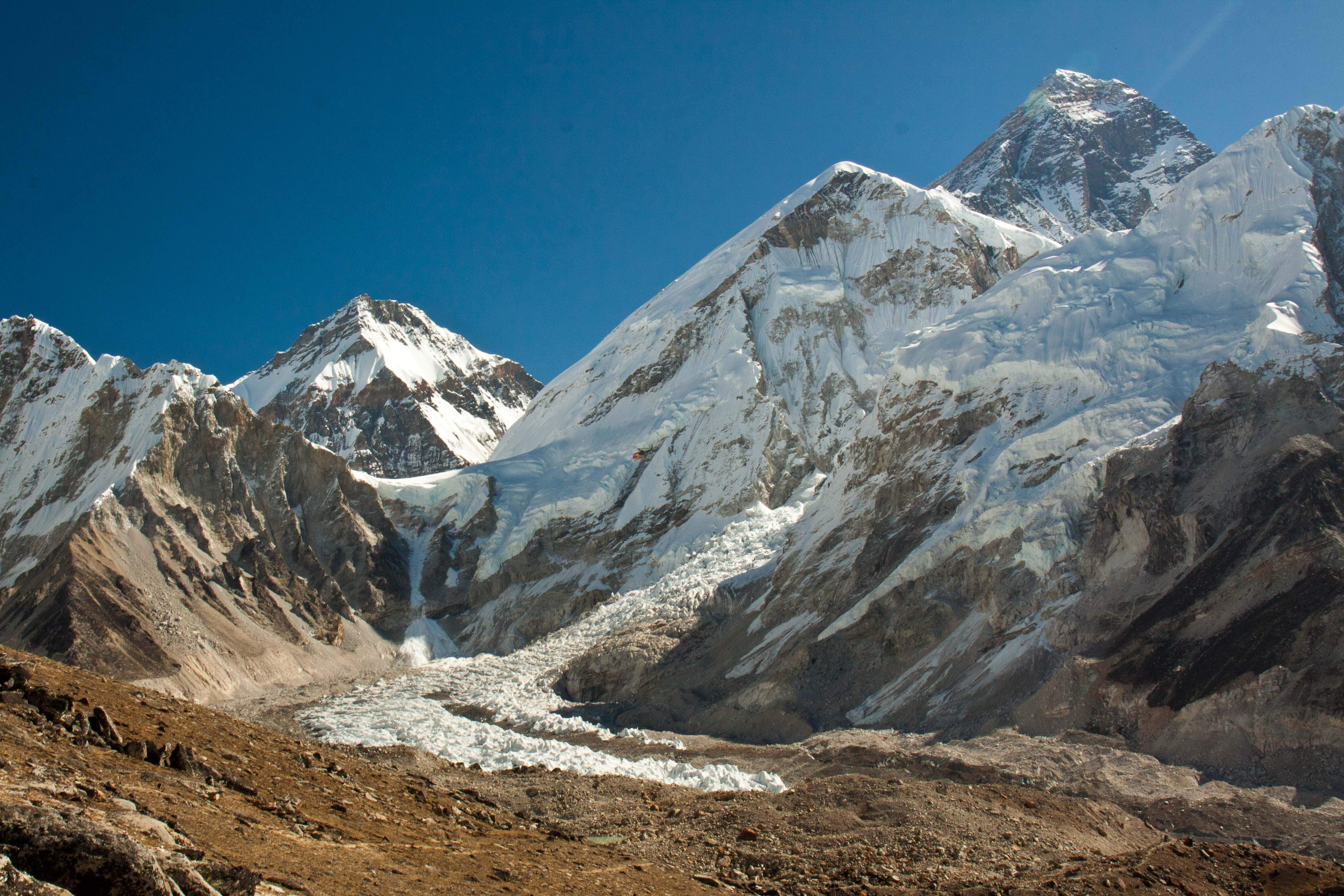
The Everest Region is far more than a trekking destination—it is a journey through time, culture, and extreme natural beauty. Trails wind through ancient Sherpa villages, where prayer flags flutter in the wind, and monasteries stand as a testament to centuries of tradition. You will traverse suspension bridges over roaring rivers, dense rhododendron forests in spring, and high alpine meadows framed by snow-capped peaks. Along the way, panoramic views of Mount Everest, Lhotse, Nuptse, Ama Dablam, and countless other Himalayan giants will reward your effort at every turn.
While the scenery is spectacular, trekking here is also physically and mentally demanding. Rapid weather changes, sub-zero temperatures, long trekking days, and high-altitude conditions require careful planning, proper acclimatization, and the right equipment. Flights to Lukla are often subject to weather delays, trails can vary from smooth paths to rocky climbs, and facilities in higher elevations are limited, making organization and preparation crucial.
Before you embark, it is essential to prepare your body, mind, and gear. Regular cardio and strength training, practice hikes with a backpack, and proper understanding of altitude effects will help you handle the trek more comfortably. Packing smartly ensures that you have everything you need without being burdened with excess weight. From insulated clothing layers to trekking poles, reliable footwear, and first aid supplies, every item has a role in ensuring safety and comfort.
For those seeking guidance on the best itineraries, cultural insights, and route planning, Mountain King Treks offers trusted expertise in Everest Region adventures. Their Everest Region Trekking Complete Guide provides comprehensive information on routes, accommodations, permits, seasonal advice, and local culture, allowing you to trek with confidence and make the most of your Himalayan experience.
With the right preparation, trekking in the Everest Region becomes more than just a journey—it is a life-changing adventure. Each step from Kathmandu to Lukla, across high passes, or alongside turquoise lakes like Gokyo, immerses you in the majesty of the Himalayas, the warmth of Sherpa culture, and the thrill of high-altitude exploration. Careful planning, proper gear, and mental readiness transform this trek from a challenging expedition into an unforgettable lifetime experience.
Whether you are a first-time trekker or a seasoned high-altitude adventurer, this guide and the resources provided by Mountain King Treks ensure that you are well-prepared for a safe, comfortable, and enriching Everest Region trekking journey.
Physical Fitness & Preparation
Treks in the Everest region are considered moderate to challenging, requiring both physical endurance and mental strength. Long walking days, steep ascents, and high-altitude conditions demand good preparation.
Start training at least 6–8 weeks before your trek. Focus on cardiovascular exercises such as hiking, running, cycling, and stair climbing. Strength training, especially for your legs and core, will improve your stamina and balance on uneven trails.
Mental preparation is equally important. Maintaining a positive mindset and patience will help you overcome challenges and fully enjoy your journey in the Himalayas.
High Altitude, Health & Fitness Tips
Trekking in the Everest region involves high-altitude conditions where proper health awareness and physical preparation are essential. As you ascend toward destinations like Everest Base Camp Trek, oxygen levels decrease, making each step more demanding.
Maintaining good physical fitness before your trek helps you handle long days on the trail and reduces fatigue. Regular cardio training, strength exercises, and practice hikes with a backpack are highly recommended.
Altitude sickness is one of the main concerns in high elevations. To reduce risks:
- Ascend gradually and allow time for acclimatization
- Stay well hydrated and maintain a balanced diet
- Listen carefully to your guide and monitor your body’s signals
For a detailed guide on altitude sickness and fitness preparation, see our full blog: Everest Region Trekking: Health & Fitness Tips
Best Time for Everest Region Trekking
Choosing the right season is essential for a successful trek:
- Spring (March to May): Clear skies, blooming rhododendrons, and comfortable temperatures
- Autumn (September to November): Stable weather and excellent mountain visibility
These seasons provide the best conditions for panoramic views of Mount Everest and surrounding Himalayan peaks.
Essential Packing List for Everest Region Trekking
Packing efficiently is one of the most important aspects of trekking in the Himalayas. Carry only the essentials while ensuring comfort and safety in varying weather conditions.
Clothing (Layering System)
- Moisture-wicking base layers (thermal tops & bottoms)
- Insulating layers (fleece or down jacket)
- Waterproof & windproof jacket
- Lightweight trekking pants & warm trousers
- Quick-dry trekking shirts
- Warm hat, sun hat & neck buff
- Inner gloves & insulated outer gloves
- Trekking socks & undergarments
Footwear
- Sturdy, waterproof trekking boots (well broken-in)
- Camp shoes or sandals for evenings
- Warm socks & liner socks to avoid blisters
Trekking Gear
- Daypack (30–40L)
- Duffel bag for porters
- Sleeping bag (-10°C to -20°C)
- Trekking poles
- Headlamp & extra batteries
- Sunglasses with UV protection
- Reusable water bottles or hydration system
Personal & Health Items
- Personal first aid kit
- Basic medications (including altitude medicine)
- Sunscreen SPF 50+ & lip balm
- Hand sanitizer & wet wipes
- Toiletries & quick-dry towel
Important Documents
- Valid passport (with copies)
- Travel insurance (covering high-altitude trekking)
- Trekking permits (TIMS & Sagarmatha National Park)
- Flight tickets & itinerary
Optional / Extras
- Camera & extra batteries
- Lightweight book or journal
- Snacks & energy bars
- Travel pillow for flights or bus
Pro Tip: Keep items organized in packing cubes and a small daypack for essentials on the trail.
Responsible Travel & Cultural Respect
The Everest region is home to the rich traditions of the Sherpa community. Respecting local culture enhances your trekking experience:
- Follow monastery etiquette and dress modestly in villages
- Always ask permission before taking photos
- Support local businesses, guides, and services
Environmental responsibility is equally important:
- Avoid plastic waste, carry reusable items, and practice “leave no trace” principles to preserve the Himalayas’ beauty
Related Everest Region Trekking Routes
Explore these popular trekking options with Mountain King Treks:
For full itineraries, route details, and expert advice, check the Everest Region Trekking Complete Guide.
Final Preparation Tips
Before starting your trek:
- Double-check your packing list
- Confirm all permits
- Stay updated on weather conditions
Arriving early in Kathmandu allows time for last-minute shopping and preparation, especially in Thamel where trekking gear is widely available. Keeping your itinerary flexible and trusting your guide’s advice will ensure a smoother and safer trekking experience.
Conclusion
Trekking in the Everest region is a once-in-a-lifetime journey that rewards preparation, patience, and passion. With the right packing strategy and proper physical readiness, you can safely explore one of the most spectacular regions on Earth.
From the cultural richness of Kathmandu to the towering presence of Mount Everest, every step becomes more meaningful when you are well-prepared.
Pack smart, prepare well, and let your Everest adventure become an unforgettable experience.
Plan Your Everest Region Trekking Adventure
Step into the heart of the Himalayas and explore the legendary Everest Region – trek through Sherpa villages, suspension bridges, alpine meadows, and high Himalayan passes. Every day brings breathtaking views, cultural experiences, and the thrill of high-altitude trekking.
Contact & Booking
Reach out to plan your trek or get expert guidance:
- WhatsApp / Call: +977-9841566449
- Email: info@mountainkingtrek.com
- Need advice? Our experienced guides are ready to assist you with itinerary planning, permits, and travel tips.
Take the Next Step on Your Everest Journey
- Book Your Trek → Secure your spot today and enjoy a fully supported Everest Region adventure.
- Customize Your Trek → Tailor your trek to your preferred pace, route, and comfort level for a personalized Himalayan experience.
Your Everest adventure awaits – safe, fully supported, and unforgettable with Mountain King Treks.