March 25, 2026
New Trekking Permit Rules in Nepal 2026: Solo Allowed in Restricted Areas with Mandatory Guide and Agency
Nepal has introduced a long-awaited update to its trekking permit system in 2026, bringing a significant change—especially for restricted area trekking. Under the new rule, solo trekkers (single individuals) are now allowed to enter restricted trekking regions, which was not permitted before.
However, it is important to note that solo trekking does not mean independent trekking. All permits must be applied through a government-registered trekking agency, and a licensed guide is mandatory for every trek. Individual applications are not accepted; only registered agencies can process permits for travelers.
This policy was implemented by Anil Kumar Sinha, Minister of Culture, Tourism, and Civil Aviation, with crucial support and leadership from Sushila Karki, who previously made history as Nepal’s first female Chief Justice and later broke another record as Nepal’s first female Prime Minister. The change reflects a broader effort to address long-standing demands from the Trekking Agencies’ Association of Nepal for many years.
Background: Long-Standing Issues in Trekking Regulations
Nepal’s trekking sector faced certain challenges for decades:
- Minimum of two trekkers required for restricted area permits
- Solo trekking strictly prohibited
- Individual travelers could not directly apply for permits
- Limited access to remote trekking destinations
These restrictions often discouraged solo adventurers and limited tourism growth in remote regions. Organizations like Trekking Agencies’ Association of Nepal had repeatedly requested reforms to make the system more practical for both travelers and agencies.
Political Context and Leadership
The updated trekking regulations were implemented during Nepal’s transitional government period following the Jenzy revolution. Sushila Karki, who previously made history as the first female Chief Justice of Nepal and later became Nepal’s first female Prime Minister, played a crucial role in strengthening transparency, rule of law, and accountability. Her leadership created the environment necessary for addressing long-pending tourism and trekking reforms.
The transitional government’s main mandate was to conduct fresh elections within six months, which were successfully completed in early 2026. On March 27th, 2026, power was handed over to the newly elected administration under Raswapa leader Balen Saha.
During this period, Anil Kumar Sinha, Minister of Culture, Tourism, and Civil Aviation, officially implemented the new trekking permit rules, fulfilling the long-standing demands of the Trekking Agencies’ Association of Nepal. While Minister Sinha managed the policy implementation, the supportive governance environment and vision of Sushila Karki were critical to this historic change.
What Has Changed in 2026?
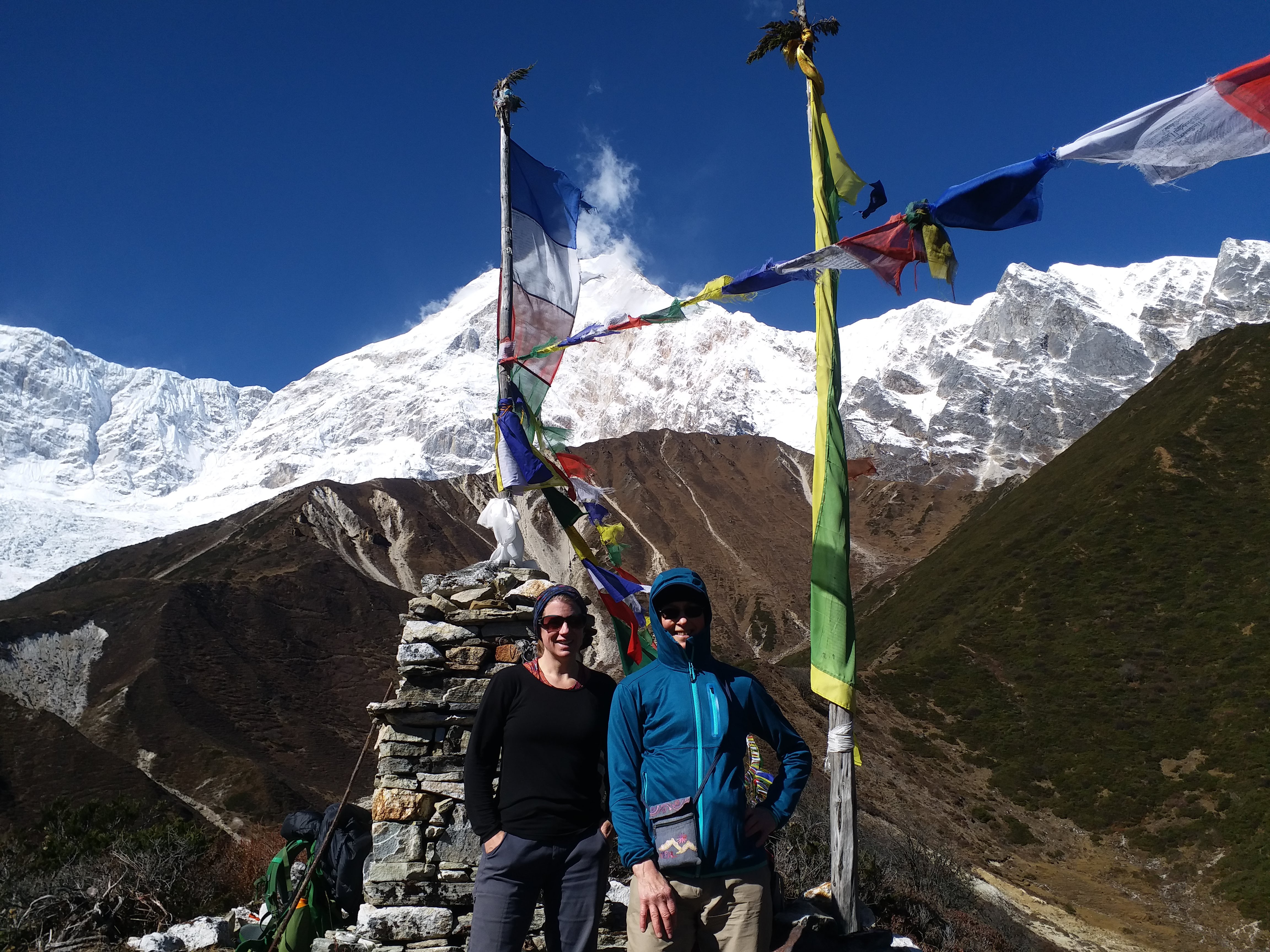
- Solo trekkers are now allowed in restricted areas
- Minimum group size requirement has been removed
- Permits must be applied through government-registered trekking agencies only
- Licensed guides remain mandatory
This change allows greater flexibility while maintaining safety and professionalism in remote and challenging Himalayan regions.
Guide and Agency Requirements
Even though solo trekking is now allowed:
- A licensed guide is compulsory
- Permits must be processed through a registered trekking agency; individual applications are not accepted
- Independent trekking without agency support is not allowed
These regulations ensure proper monitoring, safety, and professional service standards.
Group Size and Guide Management
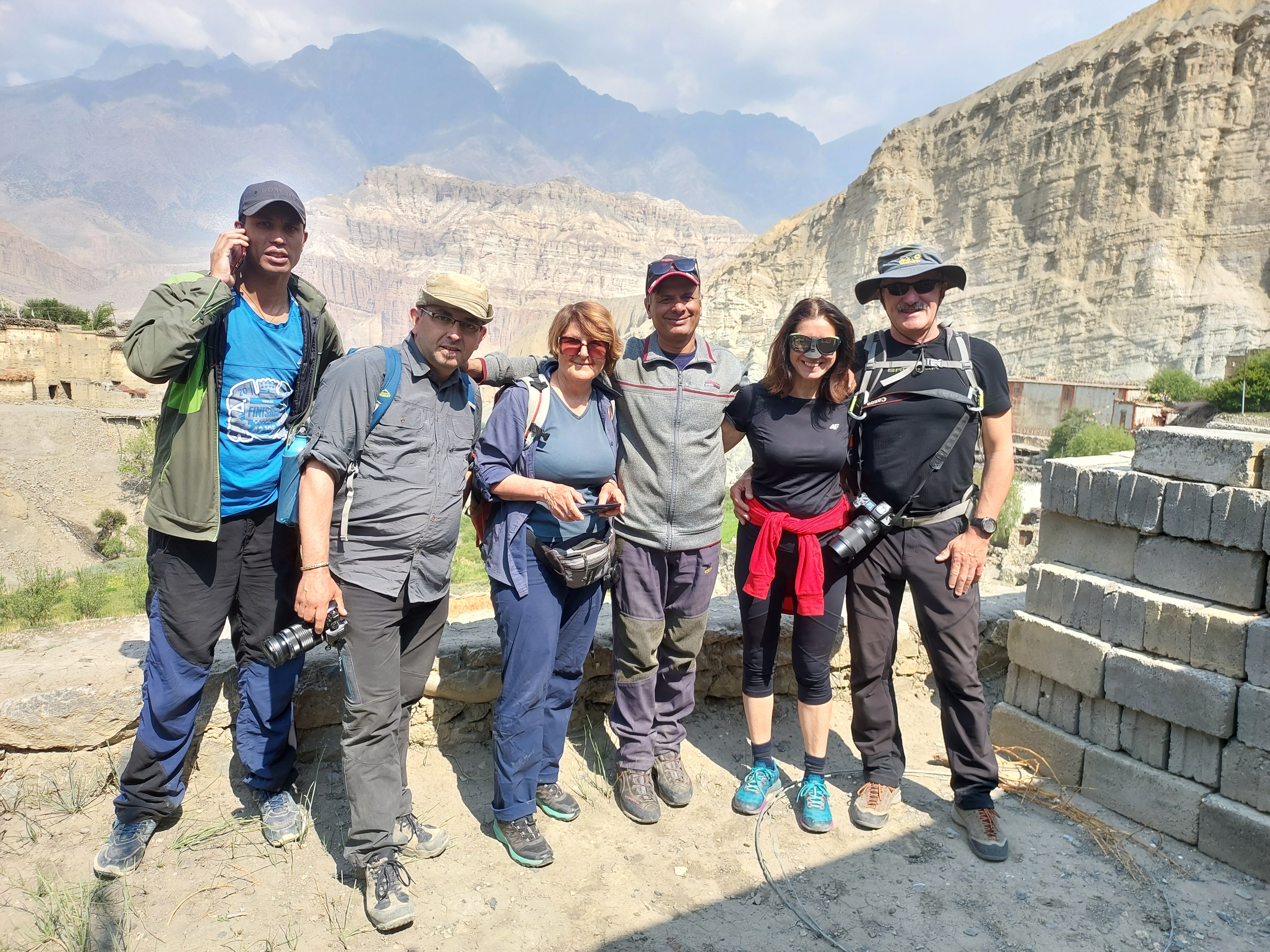
- Up to 6–7 trekkers: 1 guide
- Larger groups: additional guides required
This ensures trekkers receive the support and safety oversight necessary for high-altitude, remote trekking.
Popular Restricted Area Treks Now More Accessible
Solo trekkers can now explore some of Nepal’s most iconic and remote treks with the support of registered agencies:
- Upper Mustang Trek – A desert-like Himalayan region rich in Tibetan culture, monasteries, and historical villages.
- Manaslu Circuit Trek – Offers majestic mountain scenery with fewer crowds, crossing high passes and traditional villages.
- Tsum Valley Trek – A hidden spiritual valley with unique Buddhist monasteries and local culture.
- Upper Dolpo Trek – One of the most remote and mystical regions in Nepal, with untouched landscapes and Tibetan cultural heritage.
- Kanchenjunga Trek – Adventure seekers can experience the third-highest mountain in the world and its pristine wilderness.
All these treks are now accessible to solo travelers, but permits must be arranged through registered trekking agencies with licensed guides.
 Benefits of the New Rules
For Travelers:
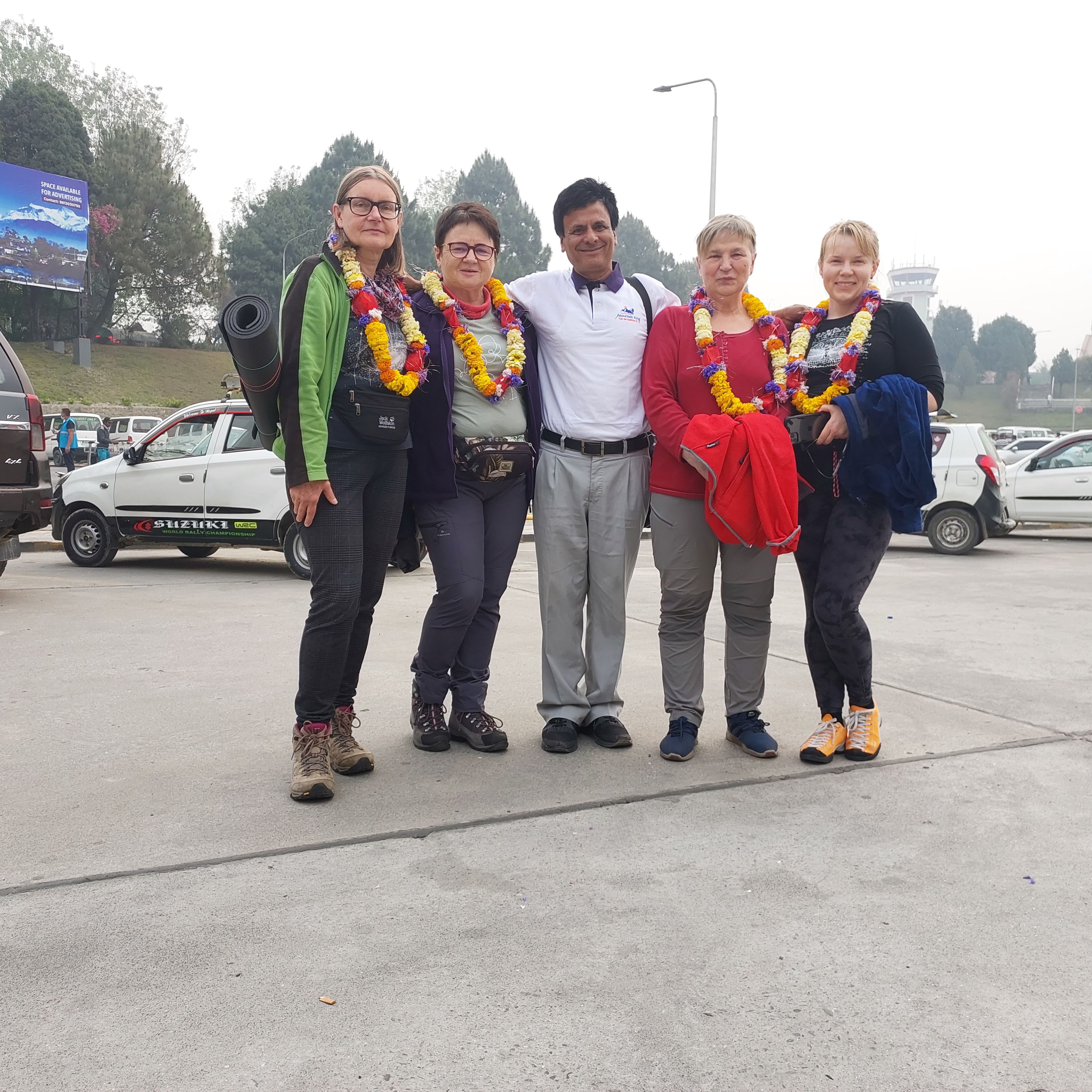
- Solo trekking allowed in restricted regions
- Flexible travel planning without needing a partner
- Access to remote and iconic trekking destinations
For Safety:
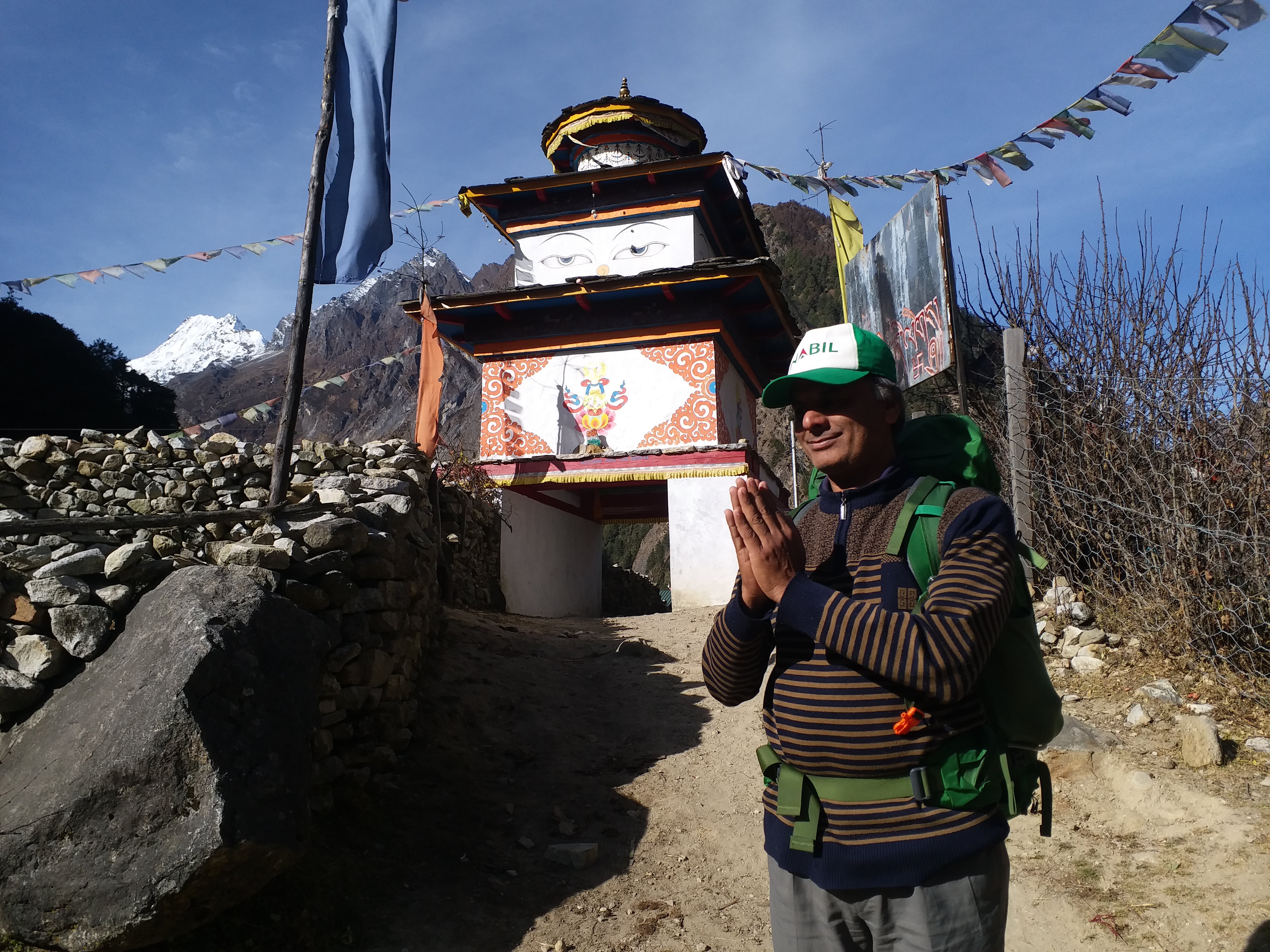
- Licensed guides ensure proper navigation and emergency support
- Agencies provide professional oversight in challenging terrain
For Trekking Agencies:
- Increased bookings from solo travelers
- More employment opportunities for guides
- Strengthened professional standards and credibility
For Nepal Tourism:
- Growth in remote trekking regions
- Better regulation and monitoring
- Sustainable tourism development
Nepal Trekking Permit 2026: Your Questions Answered
Can I trek solo in restricted areas?
Yes, solo trekkers are allowed, but a licensed guide is required and the permit must be applied through a registered trekking agency.
Can I apply for a trekking permit myself?
No, permits can only be processed by government-registered trekking agencies.
Is a guide mandatory?
Yes, all restricted area treks require a licensed guide.
Which treks are affected by this rule?
Upper Mustang, Manaslu Circuit, Tsum Valley, Upper Dolpo, Kanchenjunga, and other restricted regions.
What was the previous rule?
Previously, a minimum of two trekkers was required, and solo trekking was prohibited.
Plan Your Himalayan Adventure Under the New Trekking Permit Rules
The 2026 trekking permit rules allow solo travelers in restricted areas—but permits must be arranged through government-registered trekking agencies with licensed guides. At Mountain King Treks, we ensure your journey complies fully with these regulations, keeping your adventure safe, smooth, and unforgettable.
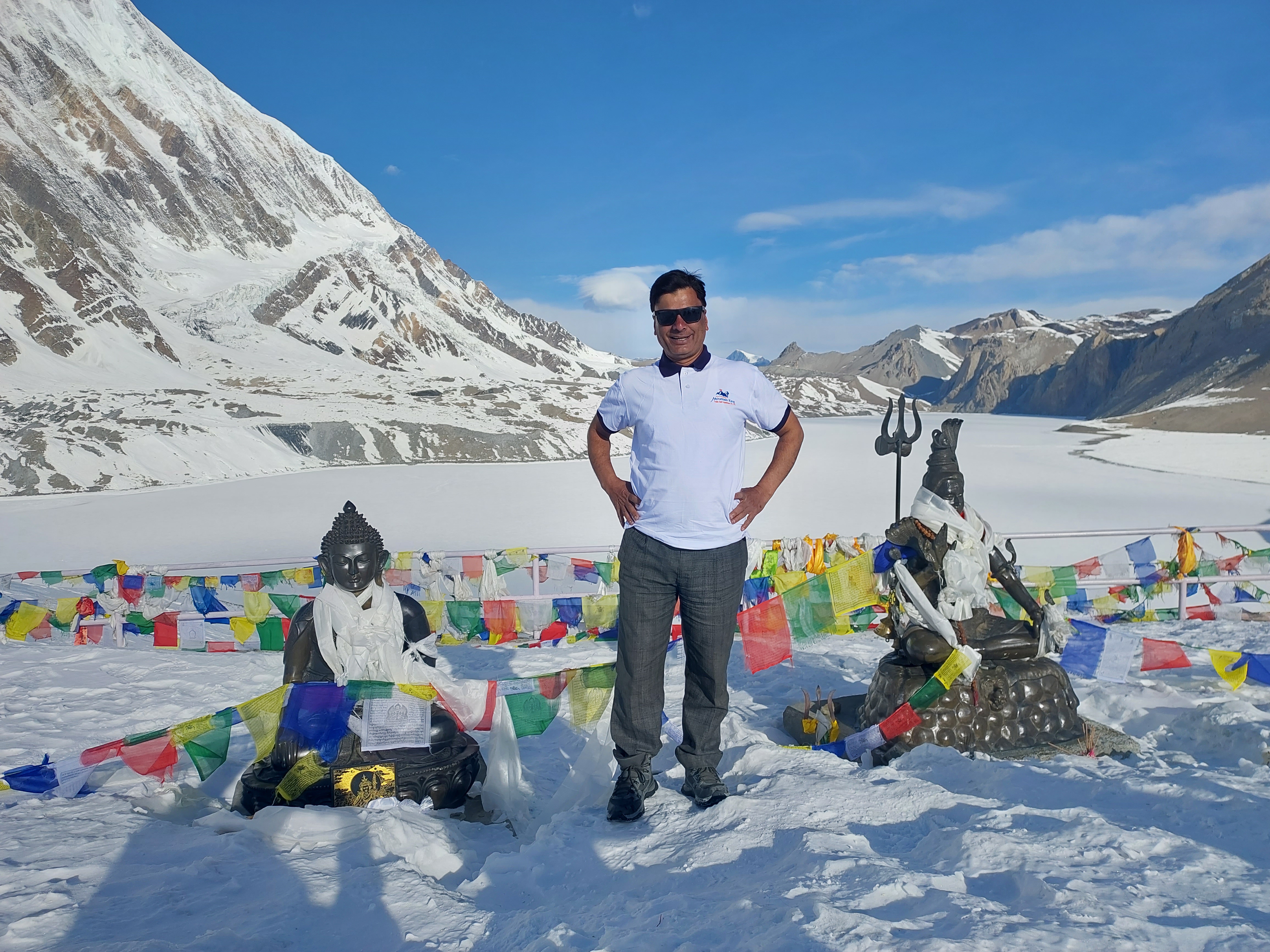
Step into the heart of the Annapurna Himalayas and let the turquoise waters of Tilicho Lake inspire your soul. Every step is a journey, every view a memory.
With Mountain King Treks, your Tilicho Lake adventure is fully supported and customized to your pace. Trek the legendary Annapurna Circuit with Tilicho Lake, or challenge yourself on the Mesokanto La Pass—your Himalayan dream begins here.
Contact Us Today
- Call / WhatsApp: +977-9841566449
- Email: info@mountainkingtrek.com
→ Book Your Tilicho Lake Trek Today
Don’t wait—secure your spot now and experience breathtaking high-altitude landscapes, alpine serenity, and authentic Himalayan culture. Adventure, memories, and the freedom of the new trekking rules await!
→ Create Your Personalized Himalayan Journey
Choose your route, trekking days, and comfort level. Let Mountain King Treks design your perfect high-altitude expedition, ensuring every moment is unforgettable and fully compliant with Nepal’s 2026 trekking regulations.