March 22, 2026
Tilicho Lake: The Hidden Jewel of the Annapurna Himalayas
“Where the mountains touch the sky and the lake mirrors your dreams.”
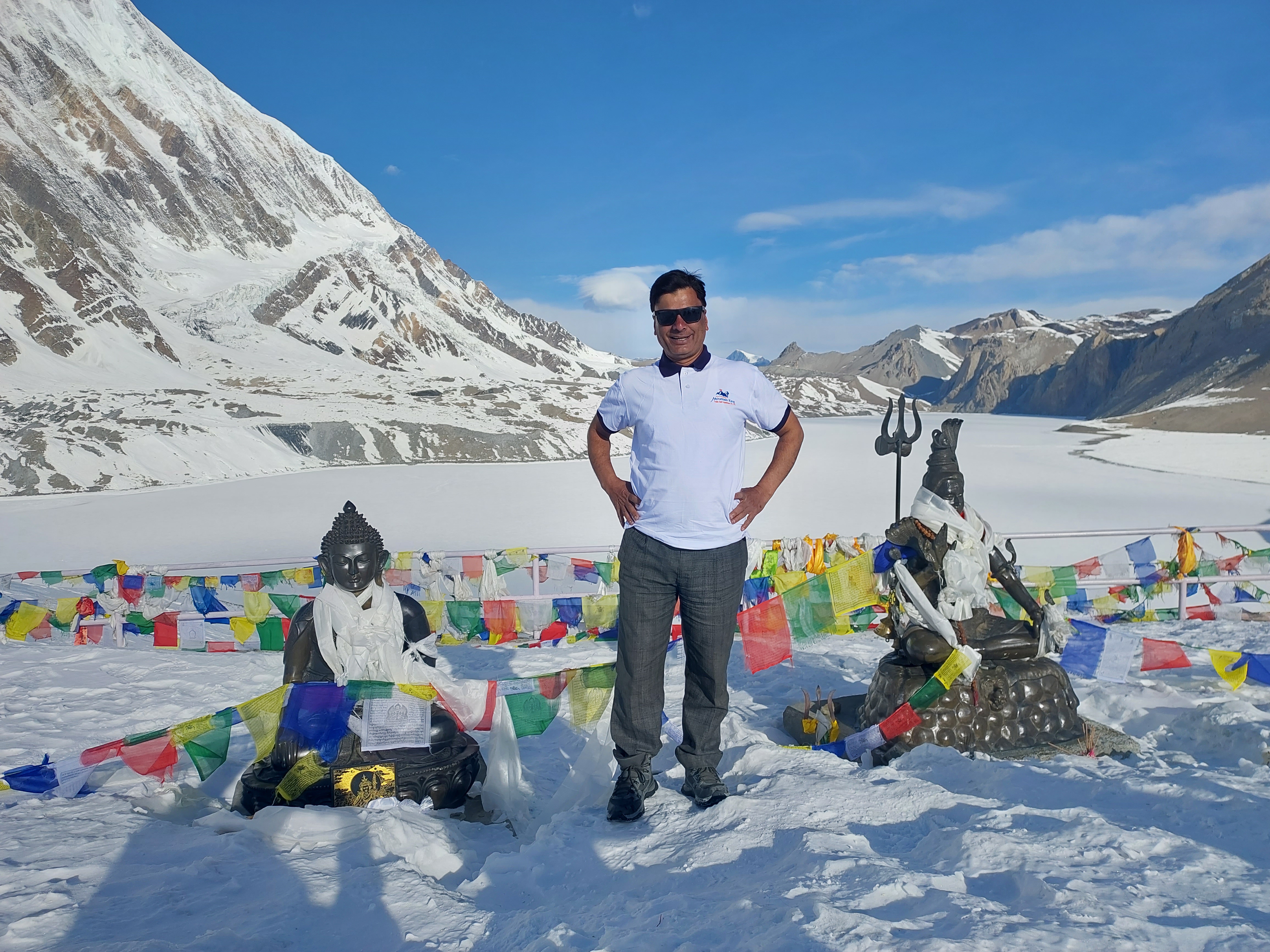
Nestled in the heart of the Annapurna Region, Tilicho Lake is one of the most spectacular and spiritually inspiring high-altitude destinations in Nepal. Perched at an elevation of 4,919 meters above sea level, this breathtaking alpine lake is widely recognized as one of the highest lakes in the world, surrounded by dramatic हिमालयन peaks, ancient glaciers, and vast, untouched landscapes.
Far beyond just a destination, Tilicho Lake represents the essence of Himalayan adventure—a place where raw nature, deep silence, and personal achievement come together. The lake is best explored as part of the legendary Annapurna Circuit Trek or the extended Annapurna Circuit Trek with Tilicho Lake, offering trekkers a rare combination of natural beauty, cultural richness, and high-altitude challenge.
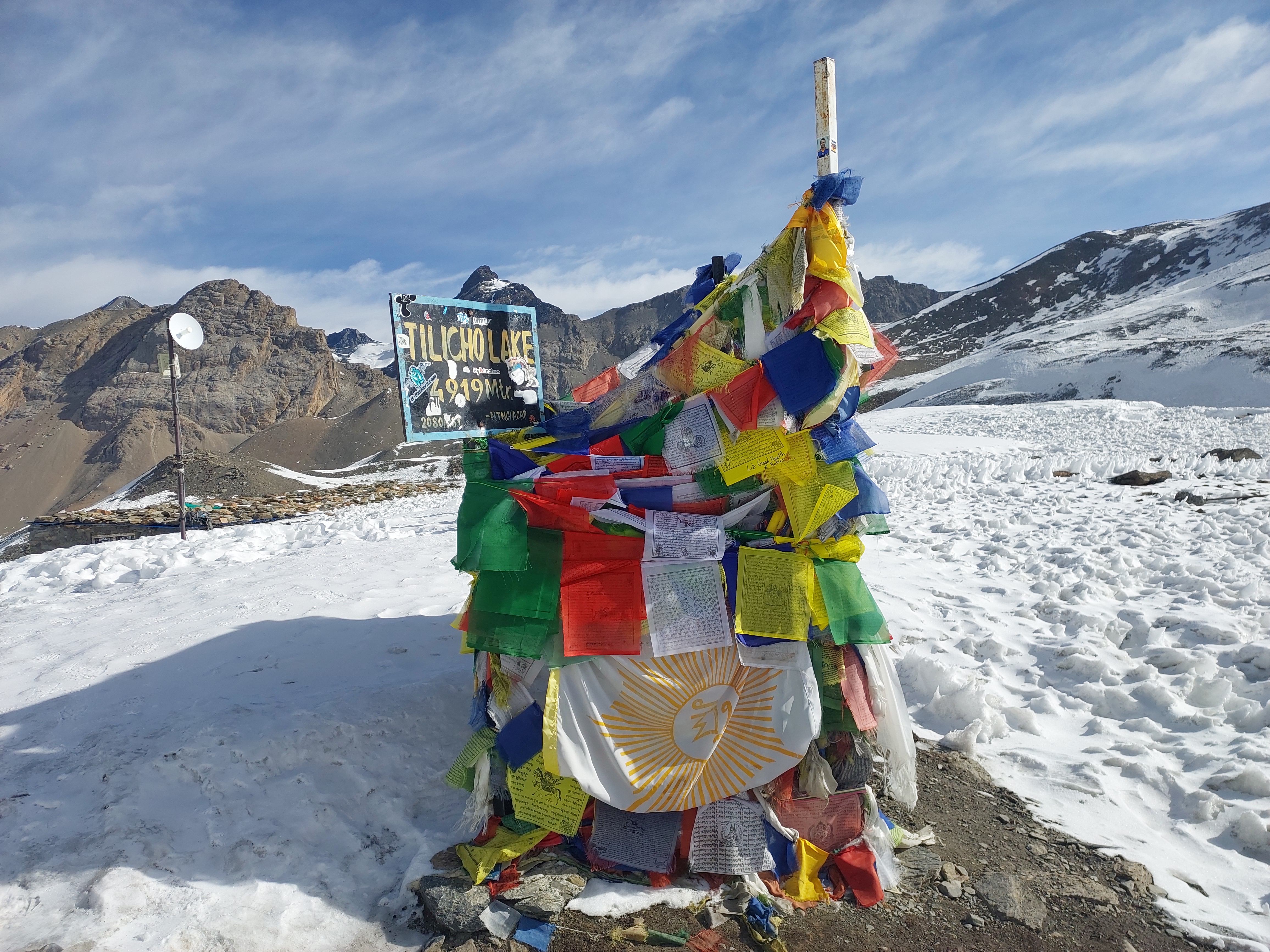 The History and Discovery of Tilicho Lake
Tilicho Lake remained hidden from the outside world for centuries, known only to local communities of Manang and surrounding Himalayan regions. These indigenous people, deeply connected to the land, considered the lake a sacred and mysterious place, often associated with spiritual beliefs and natural power.
The lake gained international recognition in 1958 when a French expedition team, led by the renowned mountaineer Maurice Herzog—the first climber of Annapurna I—explored the region during their Himalayan journey. Their documentation helped introduce Tilicho Lake to the global mountaineering and trekking community.
Since then, Tilicho Lake has gradually become one of the most sought-after destinations for trekkers looking to go beyond the standard Annapurna Circuit route.
Mythology and Spiritual Significance
Tilicho Lake is not only a geographical wonder but also holds deep spiritual importance. According to Hindu mythology, the lake is believed to be mentioned in the sacred epic Ramayana as “Kak Bhusundi Tal,” a divine lake where the sage Kak Bhusundi narrated the story of Lord Rama to Garuda.
For many pilgrims and spiritual seekers, visiting Tilicho Lake is more than a trek—it is a journey of purification, reflection, and connection with nature. The stillness of the lake, combined with the towering mountains, creates a meditative atmosphere rarely found elsewhere.
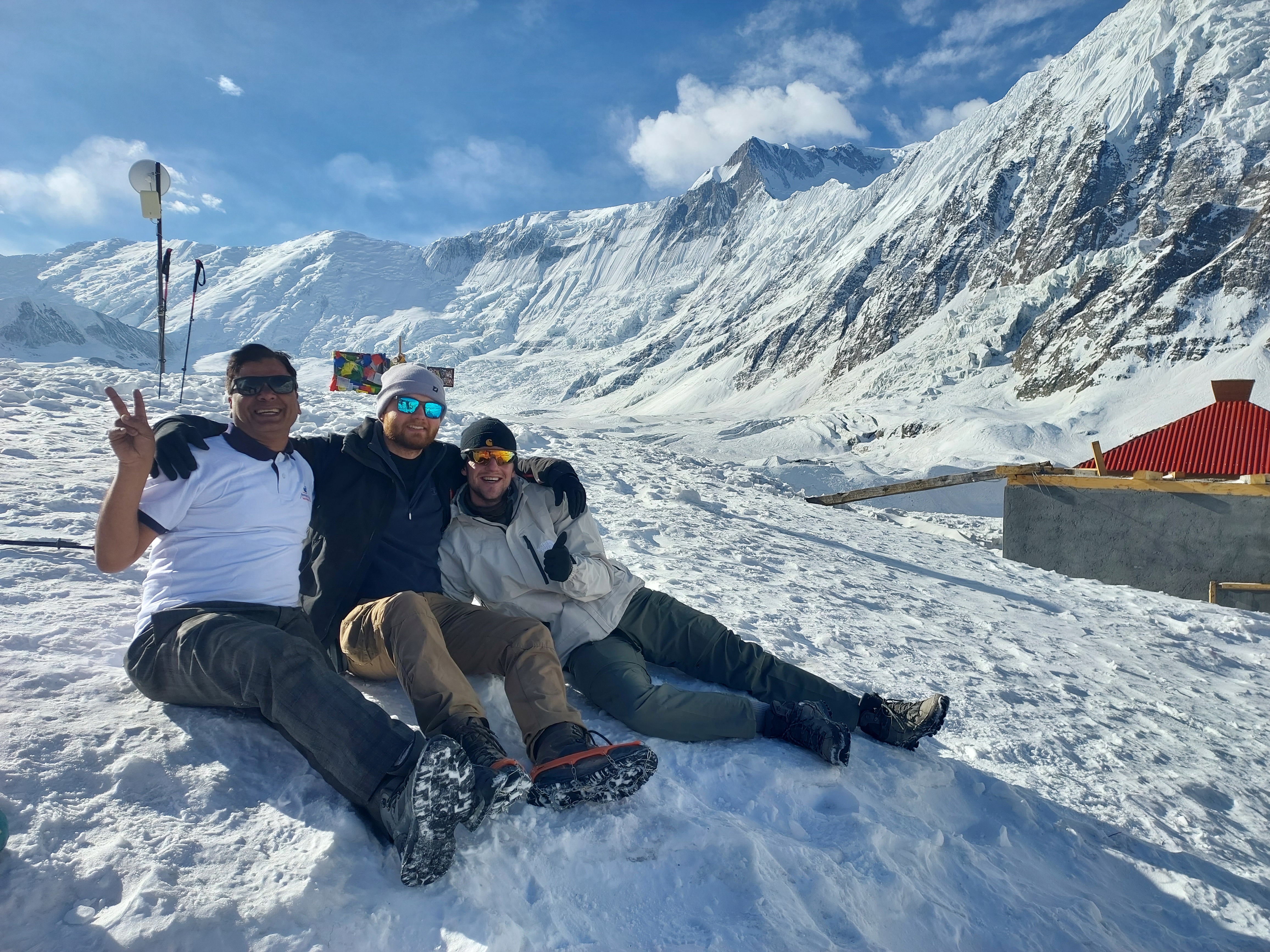 Geography and Formation
Tilicho Lake lies at the base of Tilicho Peak (7,134 meters) within the Annapurna mountain range. It is formed by glacial meltwater, fed by surrounding हिमनदी (glaciers) that descend from the towering peaks.
The landscape around the lake is stark and dramatic:
- No trees or vegetation at higher altitude
- Rugged cliffs and landslide-prone trails
- Wide-open alpine terrain shaped by wind and ice
This harsh yet beautiful environment gives Tilicho its unique character—remote, raw, and unforgettable.
The Journey: More Than Just a Trek
The journey to Tilicho Lake is not just about reaching a destination—it is about experiencing the gradual transformation of the Himalayan world.
Starting from lush green valleys along the Marsyangdi River, trekkers move through:
- Terraced farmlands and waterfalls
- Pine and rhododendron forests
- Traditional villages like Manang and Khangsar
- Dry, wind-swept alpine deserts
As you ascend higher, the landscape becomes more rugged and dramatic, eventually leading to the surreal environment of Tilicho Base Camp and the lake itself.
This incredible journey is what makes the Annapurna Circuit Trek with Tilicho Lake one of the most diverse trekking experiences in the world.
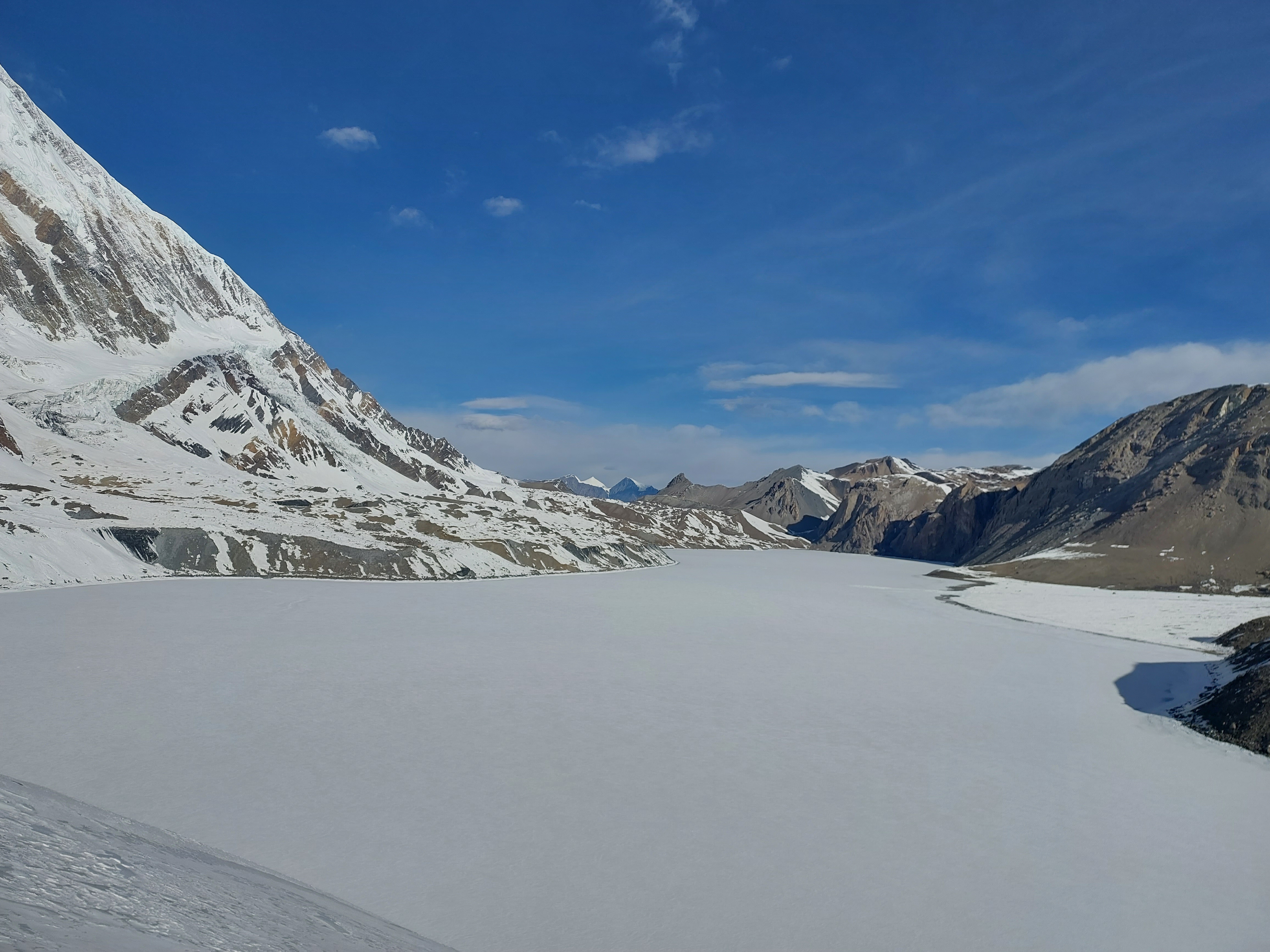 The First View of Tilicho Lake
Reaching Tilicho Lake is an emotional and unforgettable moment.
After an early morning hike from Tilicho Base Camp, the trail climbs steeply along narrow paths carved into the mountainside. As you approach the ridge, the landscape suddenly opens—and there it is.
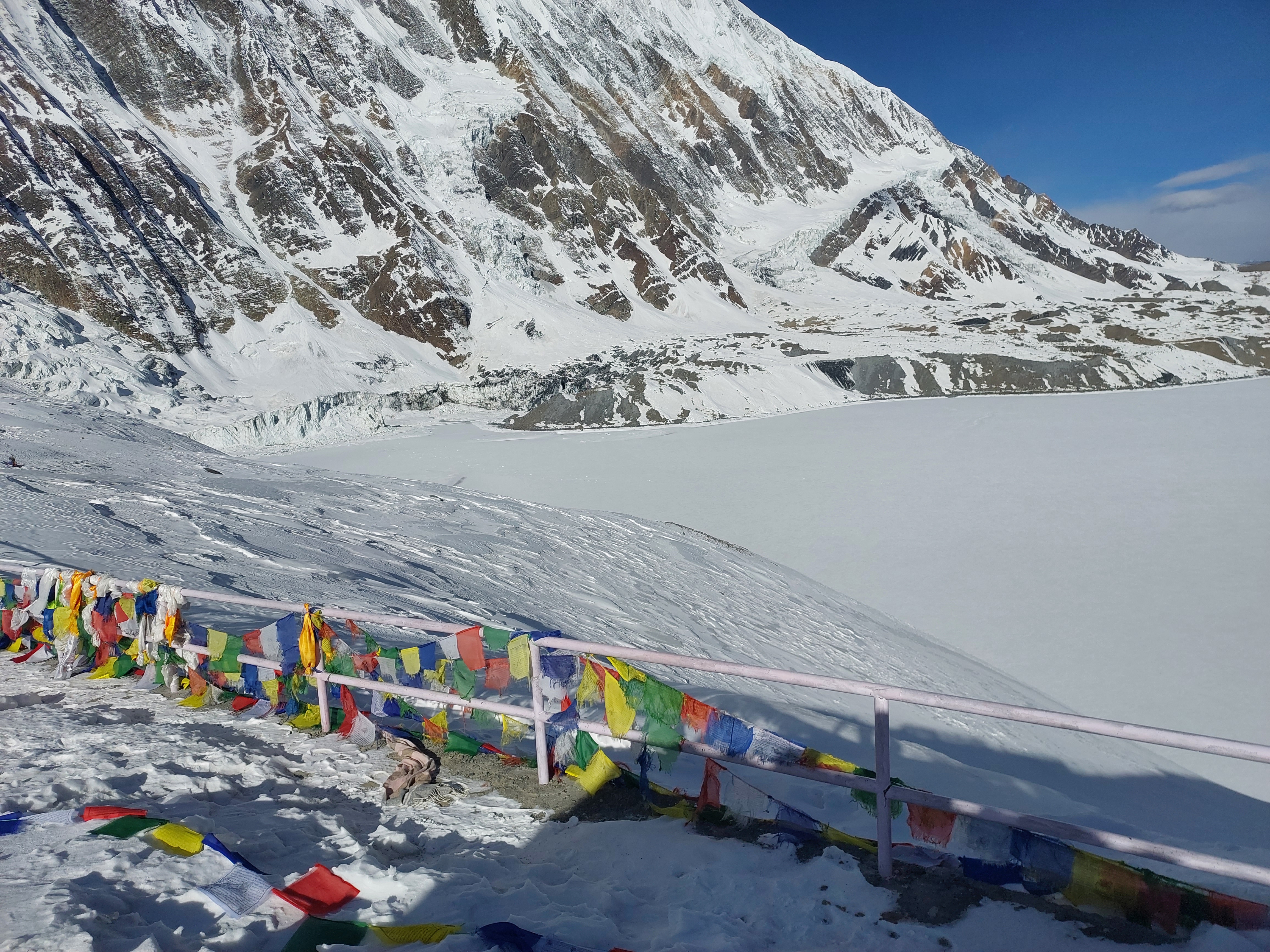
A vast turquoise lake, perfectly still, reflecting the snow-covered peaks around it.
The silence is powerful. The air is thin. The feeling is indescribable.
For many trekkers, this moment becomes the highlight of their entire journey—a reward for days of effort, altitude, and endurance.
Surrounding Peaks and Natural Beauty
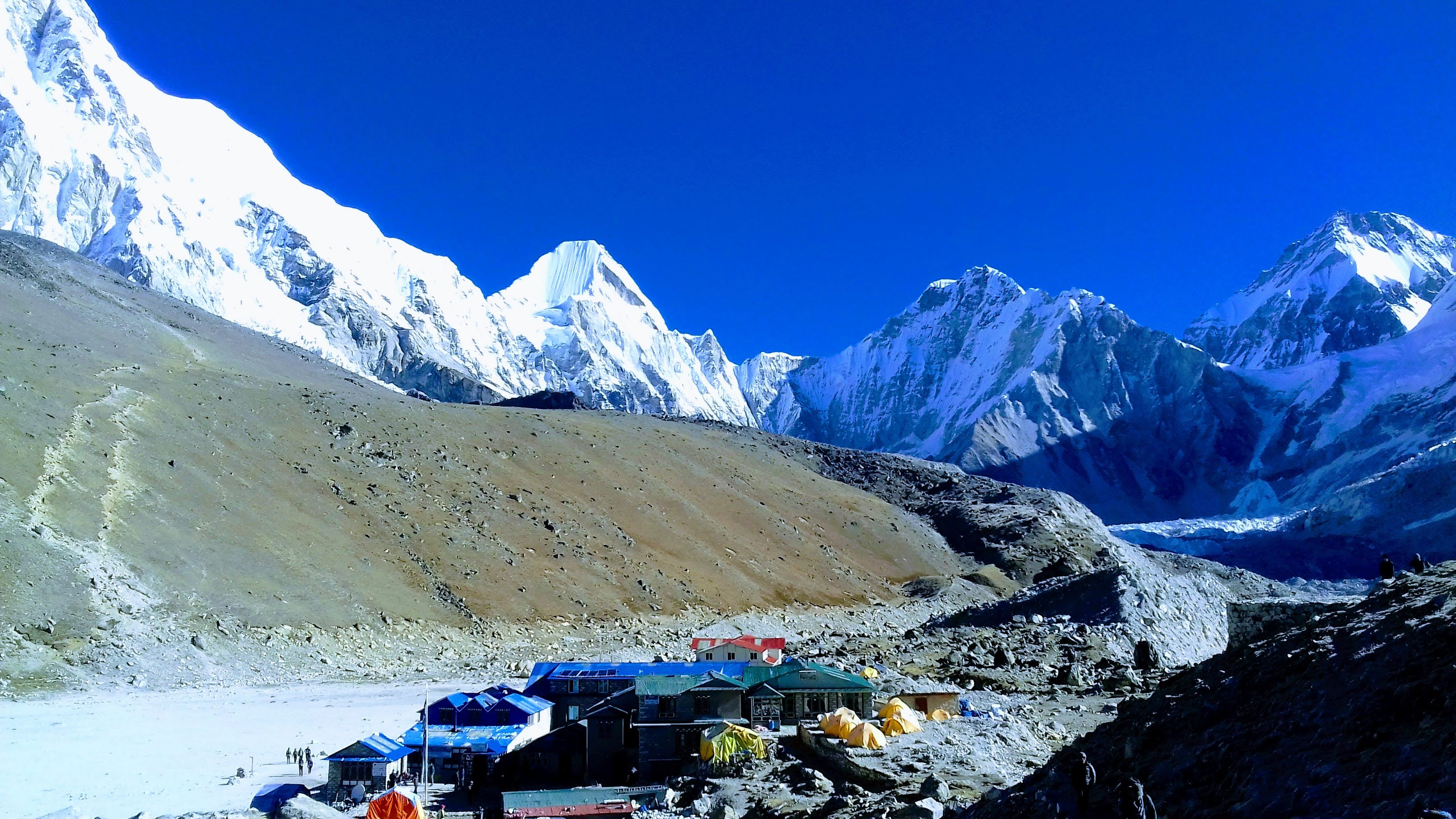
Tilicho Lake is surrounded by some of the most impressive हिमालयन giants:
- Annapurna II
- Nilgiri Himal
- Tilicho Peak
- Khangsar Kang
Throughout the day, the colors of the lake change depending on sunlight and weather—from deep blue to emerald green—creating a constantly shifting natural masterpiece.
Why Tilicho Lake is a Life-Changing Experience
Tilicho Lake is not just about scenery—it is about transformation.
It challenges you physically with altitude and terrain.
It calms your mind with silence and vastness.
It connects you spiritually with nature.
Whether you are an experienced trekker or a passionate traveler, the journey to Tilicho Lake offers something deeper than just adventure—it offers perspective.
Combine Tilicho Lake with Greater Adventures
Most trekkers combine Tilicho Lake with the classic Annapurna Circuit Trek, creating a complete Himalayan journey.
From Tilicho, you can continue directly toward Yak Kharka and cross the famous Thorong La Pass (5,416 meters) without returning to Manang.
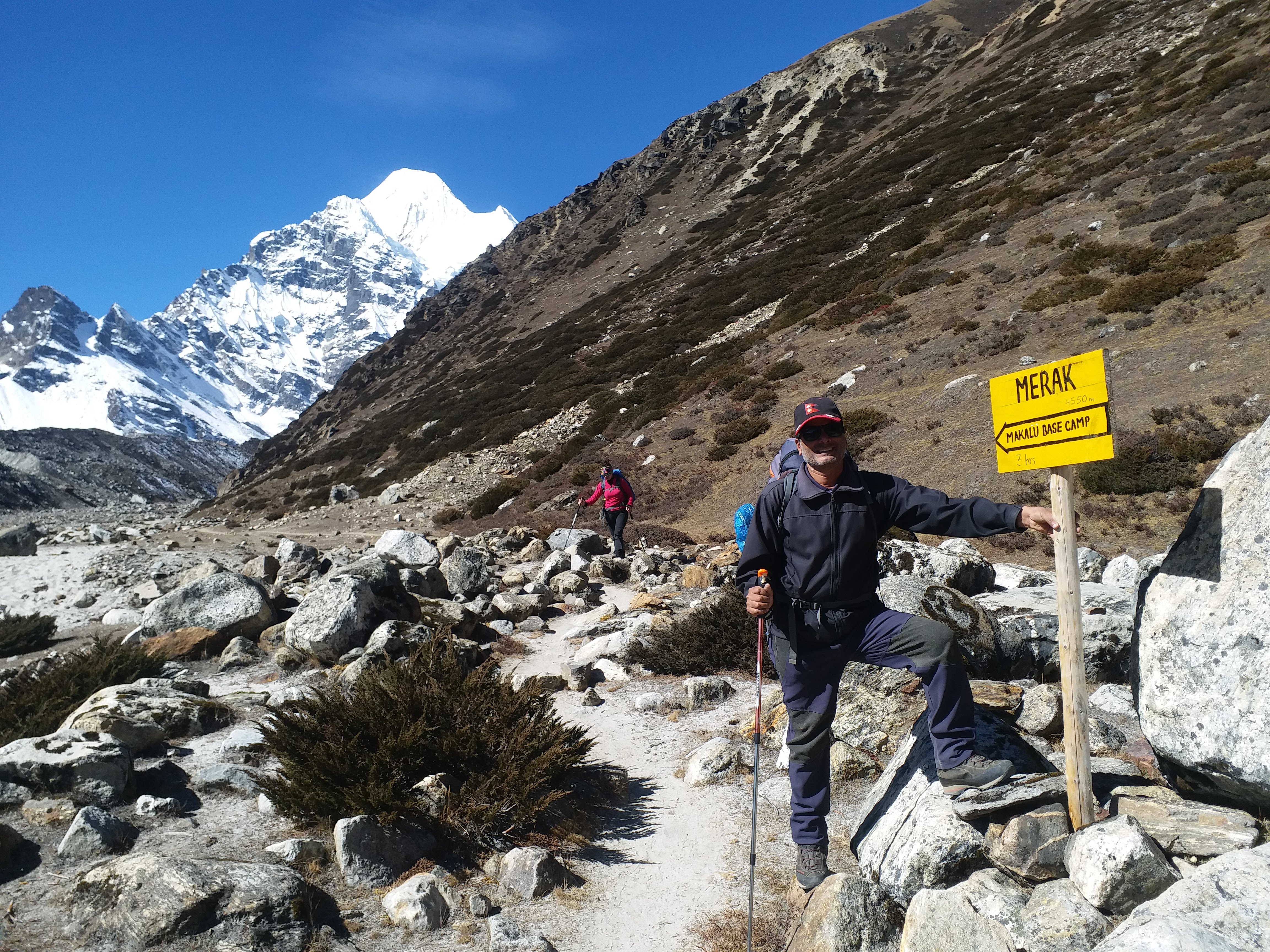
For experienced adventurers, the challenging Mesokanto Pass Trek offers a more remote and technical route, crossing glaciers and descending into the Mustang region.
Travel with Experts
Exploring Tilicho Lake requires proper planning, acclimatization, and experienced guidance. With Mountain King Treks, you will experience:
- Safe and well-designed itineraries
- Professional guides and support team
- Authentic Himalayan experience
- Flexible routes based on your time and fitness
Final Reflection
Tilicho Lake is not just a place you visit—it is a place you feel.
High in the Himalayas, far from the noise of the world, it offers a rare moment of peace, beauty, and achievement. Whether you are drawn by adventure, spirituality, or natural wonder, Tilicho Lake will leave a lasting mark on your heart.
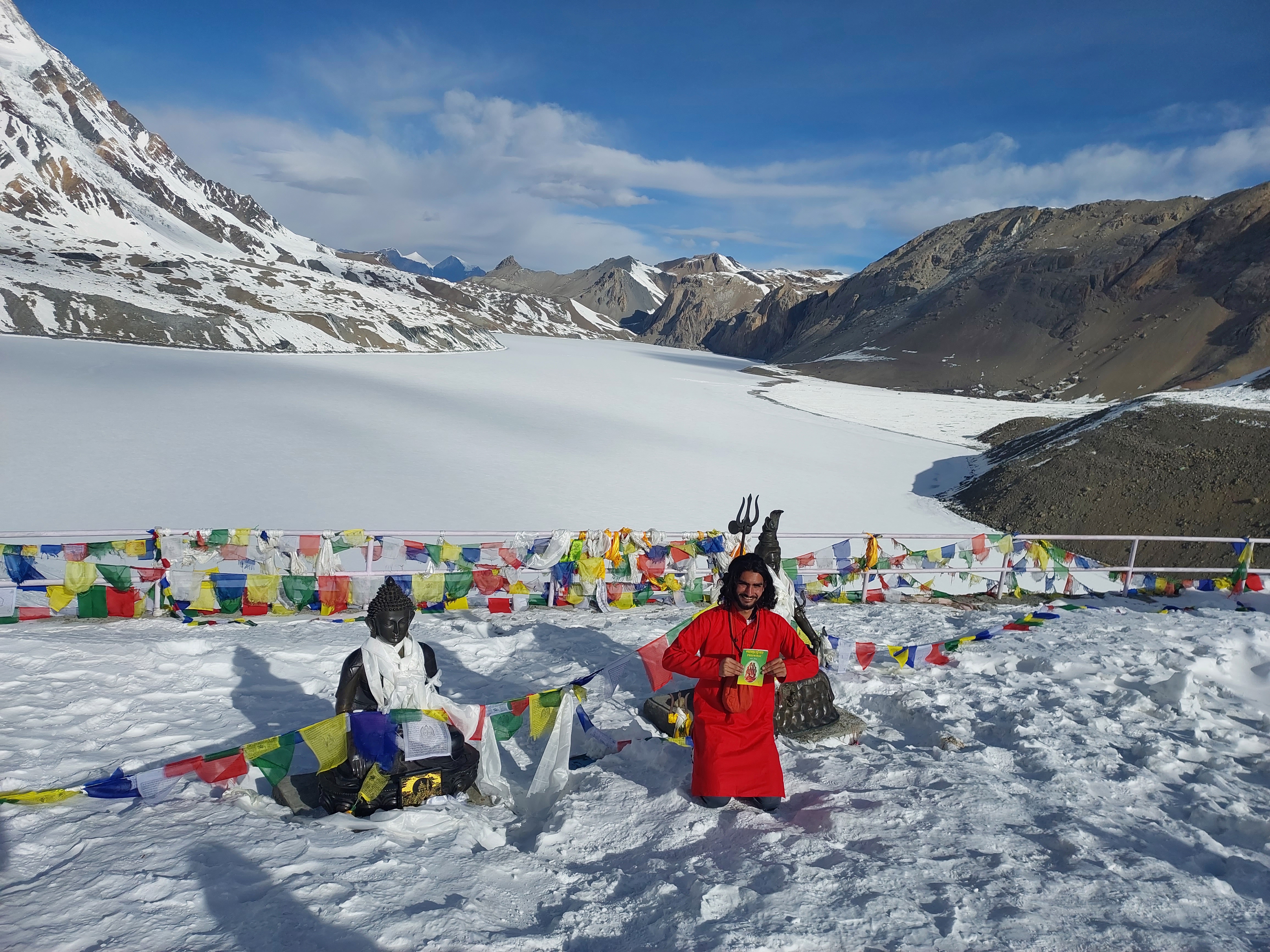 Why the Tilicho Lake Trek is Special
The Tilicho Lake Trek is one of the most rewarding and diverse trekking experiences in Nepal. What makes it stand out is the incredible variety of landscapes, culture, and adventure it offers. Trekkers journey from lush subtropical forests along the Marsyangdi River to high alpine deserts near Tilicho Lake, witnessing dramatic changes in terrain and vegetation along the way.
The trek also provides an authentic cultural experience. Villages like Manang and Braga showcase Tibetan-influenced life, complete with monasteries, prayer flags, and traditional stone houses. Here, you can witness daily Himalayan life, interact with locals, and even join in traditional rituals.
For adventurers, Tilicho Lake presents high-altitude challenges, including steep ascents, moraine trails, and optional high passes like the Mesokanto La Pass, offering both physical tests and breathtaking panoramic views. Despite its popularity, the Tilicho Lake trail remains less crowded than the main Annapurna Circuit, allowing trekkers to enjoy moments of solitude and reflection amid some of the world’s most dramatic scenery.
Even for those seeking a shorter journey, the Annapurna Circuit Short Trek offers stunning mountain vistas, cultural encounters, and glimpses of high-altitude Himalayan life—making Tilicho Lake accessible to trekkers with limited time while still delivering unforgettable experiences.
How to Reach Tilicho Lake
Tilicho Lake, perched at 4,919 meters in the heart of the Annapurna Region, is a high-altitude gem that requires careful planning to reach safely. No matter which route you choose, all treks eventually pass through Shree Kharka, the essential trailhead before Tilicho Base Camp. This junction serves as the gateway to the lake and the high passes beyond, including the Thorong La and Mesokanto La Passes.
1. Best Route – Kathmandu to Jagat (Classic Approach)
The most recommended and traditional approach begins with a drive from Kathmandu to Jagat, following the scenic Marshyangdi River. Along the way, travelers pass through terraced farms, waterfalls, and quaint villages, gradually introducing the trekker to the beauty of the Annapurna region.
From Jagat, the trek continues on foot through Dharapani, Chame, Pisang, and Manang, before reaching Shree Kharka. This route is ideal for proper acclimatization, as it allows a gradual ascent, giving trekkers time to adapt to higher altitudes. Along the way, you’ll experience the diversity of the Annapurna ecosystem, from lush subtropical forests to alpine meadows, making this route perfect for both adventure and cultural immersion.
Best for: full Annapurna Circuit experience, safety, and scenic enjoyment.
2. Short Route – Kathmandu to Chame
For trekkers with limited time, a faster option is to drive directly to Chame, bypassing lower sections of the trail. From Chame, the trek continues through Pisang and Manang before reaching Shree Kharka and Tilicho Base Camp.
While this route saves several trekking days, the ascent is steeper over a shorter period, making acclimatization more challenging. Still, it allows travelers to experience Tilicho Lake without the full-length Annapurna Circuit.
Best for: trekkers short on time but still wanting to experience high-altitude trekking.
 3. Fast Route – Drive to Khangsar (Not Recommended)
Some adventurous travelers—often locals—choose to drive directly to Khangsar by jeep or motorbike. While this method can technically shorten the journey, it is not recommended. Rapid ascent to high altitudes without proper acclimatization dramatically increases the risk of altitude sickness. Additionally, trekkers miss the scenic and cultural highlights of lower valleys, including Dharapani and Chame.
Use only for highly experienced trekkers who understand altitude risks.
4. Flight Option – Humde Airport
For those who prefer minimal road travel, a charter flight from Kathmandu to Humde, near Manang, is available. From Humde, trekkers continue on foot to Shree Kharka and Tilicho Lake. While this option reduces travel time, spending at least one or two nights in Manang before ascending to Tilicho Lake is highly recommended for safe acclimatization.
Best for: time-sensitive trekkers seeking quick access to the high mountains.
5. Helicopter Option
For luxury travelers, photographers, or researchers, a helicopter transfer from Kathmandu to Tilicho Lake is possible. This allows direct access to the lake without trekking but does not provide the full trekking experience or proper acclimatization.
Ideal for: short visits, aerial photography, or high-altitude exploration without a long trek.
Trek Route After Tilicho Lake
Once you reach Tilicho Lake, trekkers have several options to continue their journey:
1. Via Thorong La Pass (Most Popular)
From Shree Kharka, continue trekking to Yak Kharka, avoiding the need to return to Manang. The trail then ascends to the iconic Thorong La Pass (5,416 meters), the highest point of the Annapurna Circuit. After crossing the pass, trekkers descend to Muktinath, a sacred pilgrimage site.
From Muktinath, travelers can either:
- Drive to Pokhara and then Kathmandu, or
- Fly from Jomsom back to Pokhara/Kathmandu.
This route combines high-altitude adventure with cultural exploration, allowing trekkers to experience the Annapurna Circuit in its entirety.
2. Via Mesokanto La Pass (Adventure Route)
For experienced and adventurous trekkers, the Mesokanto La Pass Trek offers a remote and challenging high-altitude route. From Tilicho Lake, trekkers camp overnight before ascending the Mesokanto La Pass (5,099 meters). The trail navigates glaciers, moraines, and alpine deserts before descending into the Mustang region, reaching Jomsom.
This route provides unparalleled solitude, panoramic views, and encounters with remote Tibetan-style villages. Trekking via Mesokanto La Pass is only recommended for well-acclimatized and experienced adventurers, ideally with a guide and camping support.
Important Tips for All Routes
- Shree Kharka is mandatory: All Tilicho Lake treks converge here.
- Acclimatization: Spend time in Manang or nearby villages before ascending to Tilicho Lake or high passes.
- Altitude safety: Avoid driving directly to Khangsar or higher points without acclimatization.
- Gear and preparation: For high passes like Mesokanto La or Thorong La, proper trekking gear, high-altitude clothing, and camping equipment are essential.
Here’s a fully detailed, narrative-style version of your section with expanded information, internal linking suggestions, and SEO-friendly formatting for your Tilicho Lake Trek blog:
 Acclimatization Tips (Very Important)
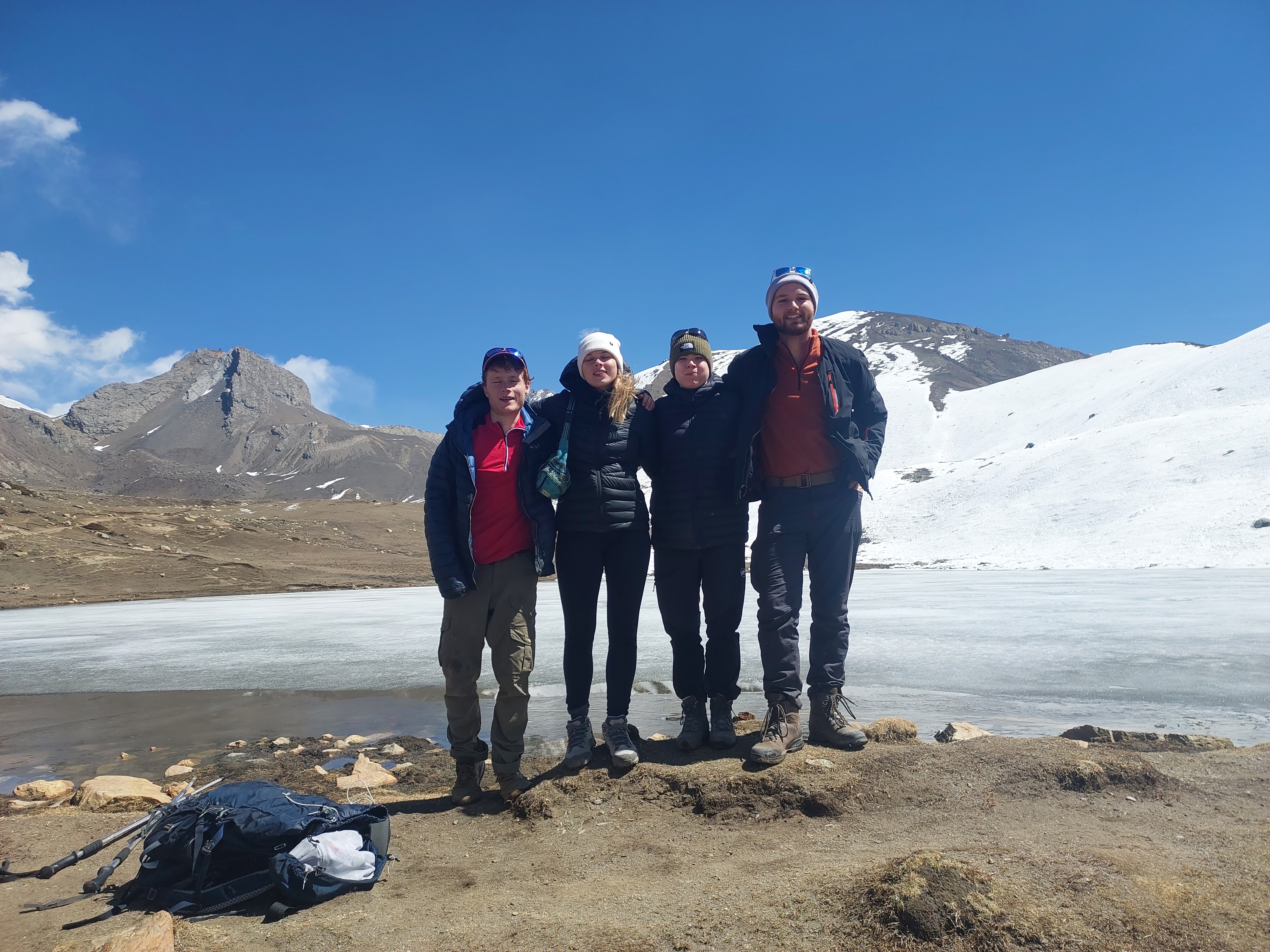
Proper acclimatization is crucial for a safe and enjoyable Tilicho Lake Trek, as rapid ascent at high altitudes can lead to Acute Mountain Sickness (AMS). Manang, at around 3,500 meters, is the best base for adjustment before moving higher. Spending at least 2 nights in Manang allows your body to adapt gradually to the thinner air, ensuring a safer trek to Tilicho Lake (4,919 m) or crossing Mesokanto La Pass (5,099 m).
Recommended acclimatization hikes around Manang include:
- Ice Lake Hike (Changu Lake / Tilicho Lake Approach) – A challenging full-day trek through rocky terrain, moraines, and alpine meadows. The panoramic Himalayan views prepare trekkers for high-altitude conditions.
- Braga Monastery & Milarepa Cave – A moderate 3–4 hour hike offering both spiritual immersion and altitude practice. Explore ancient Tibetan-style monasteries and meditation caves while enjoying views of the Annapurna range.
- Viewpoints Above Manang – For a lighter day, take 2–3 hour hikes to nearby viewpoints. These offer breathtaking panoramas of Annapurna II, Gangapurna, and surrounding valleys, helping your body adapt while enjoying the scenery.
Pro Tip: Drink plenty of water, walk slowly, and avoid alcohol during acclimatization days.
 Best Time for Tilicho Lake Trek
Timing your trek is important for weather, trail conditions, and scenic views.
- Spring (March–May): Rhododendrons bloom, skies are mostly clear, and temperatures are moderate. This is ideal for photographers and nature lovers.
- Autumn (September–November): Post-monsoon clear skies, stable weather, and panoramic mountain vistas. Best for high visibility and trekking comfort.
- Winter (December–February): Cold, snow-covered trails, fewer trekkers, suitable only for experienced high-altitude adventurers.
- Monsoon (June–August): Heavy rain and landslides make trails slippery and riskier; not recommended.
Nature, Landscape & Wildlife
The Tilicho Lake Trek showcases the ecological diversity of the Annapurna Region:
- Lower Valleys: Lush forests of oak, pine, and rhododendron, interspersed with terraced farmland and clear rivers.
- Mid-Altitude Zones: Alpine meadows, roaring streams, and cascading waterfalls.
- High Altitude: Glacial moraines, snowfields, and barren alpine deserts with dramatic mountain panoramas.
Wildlife sightings include:
- Himalayan Monal: Nepal’s national bird, known for its colorful plumage.
- Blue Sheep (Bharal): Often spotted on steep cliffs.
- Snow Leopards: Rare, elusive, and mostly in high alpine zones; sightings are exceptional but unforgettable.
Nature Tip: Respect fragile ecosystems, carry out all waste, and avoid disturbing wildlife.
Culture & Local Experience
The trek is also a journey through rich Tibetan-influenced culture, with villages like Manang and Braga offering a glimpse into traditional Himalayan life.
Highlights include:
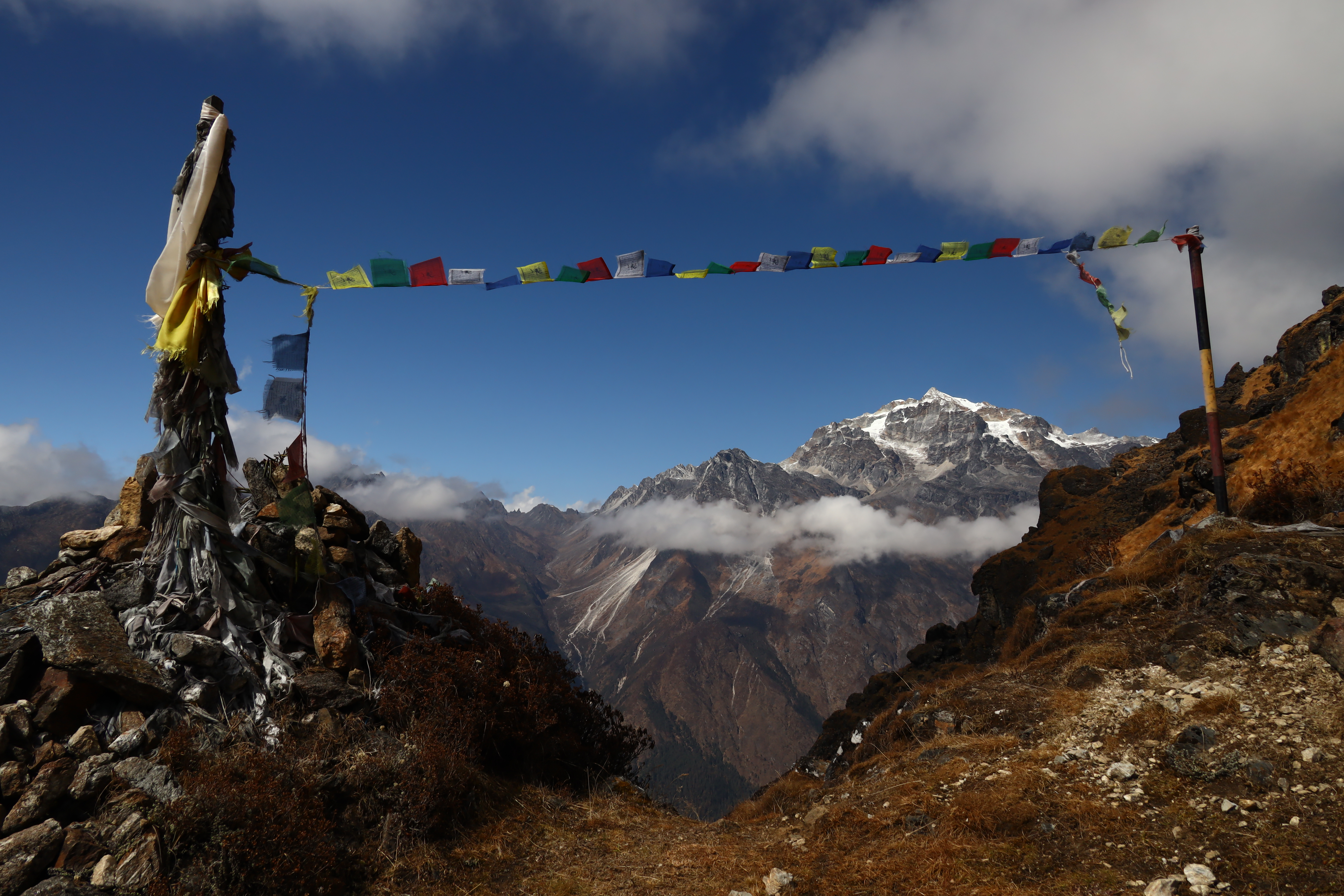
- Monasteries & Prayer Flags: Witness centuries-old spiritual practices and vibrant flags fluttering against the mountains.
- Traditional Lifestyle: Observe yak herding, terrace farming, and stone-built homes.
- Local Cuisine: Enjoy authentic dishes like dal bhat, momos, noodle soups, and butter tea.
Cultural Tip: Always ask before photographing locals and participate respectfully in village life.
Accommodation & Food
Along the trek:
- Teahouses: Found in Jagat, Dharapani, Chame, Pisang, and Manang. Rooms are basic but clean, with meals included.
- Food: Hot meals like dal bhat, noodles, soups, and tea are available. Afternoon tea with biscuits is a popular tradition.
- Camping: Required for high-altitude routes, particularly when crossing Mesokanto La Pass. Tents, sleeping bags, and cooking facilities are arranged by guides or trekking agencies.
Tip: Carry extra snacks and energy bars for long days above 4,000 m.
Permits & Practical Information
- Permits:
- Annapurna Conservation Area Permit (ACAP)
- Trekkers’ Information Management System (TIMS) Card
- Trek Duration: 10–18 days depending on route and optional high passes.
- Difficulty Level: Moderate to challenging, with high-altitude exposure.
- Route Variations:
- Classic Annapurna Circuit Trek with Tilicho Lake
- Shorter Annapurna Circuit Trek options
- Adventure route via Mesokanto La Pass
Why Choose Mountain King Treks
Embarking on the Tilicho Lake Trek with Mountain King Treks ensures a safe, comfortable, and well-supported journey:
- Experienced Local Guides: Knowledgeable about routes, weather, and altitude safety.
- Proper Acclimatization: Suggested stops, hikes, and rest days to minimize altitude sickness risk.
- Flexible Itineraries: Options for classic circuits, short treks, or high-adventure passes.
- Full Trek Support: Porters, cooks, camping equipment, and meals provided for a worry-free adventure.
With Mountain King Treks, every step to Tilicho Lake is guided, safe, and unforgettable.
 FAQs About Tilicho Lake Trek (SEO Optimized)
What is the altitude of Tilicho Lake?
Tilicho Lake sits at an elevation of 4,919 meters (16,138 ft) above sea level, making it one of the highest alpine lakes in the world. Its altitude provides panoramic views of surrounding snow-capped peaks, glaciers, and rugged alpine landscapes, creating a breathtaking high-altitude trekking experience.
Is the Tilicho Lake Trek difficult?
The trek is considered moderate to strenuous, primarily due to the high altitude and rugged terrain. Trekkers should be prepared for long walking hours, steep ascents, rocky paths, and potentially cold and windy conditions near the lake. Proper acclimatization in Manang or nearby villages is highly recommended to reduce the risk of altitude sickness.
Can I do Tilicho Lake without doing the Annapurna Circuit?
Yes, it is possible to trek Tilicho Lake independently, but most trekkers combine it with the Annapurna Circuit Trek with Tilicho Lake or Annapurna Circuit Short Trek for a more complete experience. Combining the trek ensures proper acclimatization, gradual altitude gain, and access to scenic villages, waterfalls, and Himalayan panoramas.
Do I need to return to Manang after Tilicho Lake?
No. After reaching Tilicho Lake, trekkers can continue directly from Shree Kharka to Yak Kharka, then cross the Thorong La Pass (5,416 m) and descend to Muktinath. This route avoids backtracking and allows a smooth continuation of the trek along the Annapurna Circuit.
Is Mesokanto La Pass difficult?
Yes, the Mesokanto Pass Trek is challenging and suitable only for experienced high-altitude trekkers. It involves:
- Camping at Tilicho Lake and after the pass
- Navigating glaciers, rocky terrain, and steep descents
- Carrying specialized high-altitude gear
- Facing extreme weather conditions
The reward is unparalleled solitude, remote Himalayan landscapes, and stunning panoramic views, making it a unique adventure for seasoned trekkers.
Can I fly back from Tilicho Lake?
Yes, for trekkers with limited time or seeking luxury, a helicopter charter is possible from Tilicho Lake. This provides an aerial view of the Annapurna region and allows a quick return to Kathmandu or Pokhara. However, note that helicopter trips do not allow proper acclimatization and miss the traditional trekking experience.
How many days does the Tilicho Lake Trek take?
Depending on the route and pace:
- Classic Annapurna Circuit with Tilicho Lake: 12–16 days
- Short Trek: 8–10 days
- Mesokanto Pass Trek: 14–18 days with camping
What permits are required for Tilicho Lake Trek?
Trekkers must obtain:
- Annapurna Conservation Area Permit (ACAP)
- Trekkers’ Information Management System (TIMS) Card
These permits ensure sustainable trekking practices and allow access to the protected Annapurna region.
What is the best season to trek Tilicho Lake?
- Spring (March–May): Blooming rhododendrons, moderate weather, clear skies.
- Autumn (September–November): Crisp air, perfect mountain visibility, stable weather.
- Winter (December–February): Cold, snow-covered landscapes; suited for experienced trekkers.
- Monsoon (June–August): Heavy rainfall and slippery trails; generally not recommended.
Final Thoughts on Tilicho Lake Trek
Tilicho Lake is more than just a trekking destination—it is a high-altitude journey of adventure, culture, and personal achievement. Whether you choose the classic Annapurna Circuit Trek, the Annapurna Circuit Short Trek, or the daring Mesokanto Pass Trek, each route offers:
- Turquoise alpine waters reflecting Himalayan giants
- Dramatic transitions from forests to glaciers and alpine deserts
- Cultural immersion in Tibetan-influenced villages like Manang and Braga
- Opportunities for spiritual reflection and photography at sunrise and sunset
- An unforgettable high-altitude adventure that challenges and rewards every trekker
By combining careful planning, proper acclimatization, and the support of experienced guides like Mountain King Treks, travelers can safely enjoy the best of the Annapurna Region, creating memories that last a lifetime.
Embark on your Tilicho Lake Trek and discover one of Nepal’s most spectacular and transformative high-altitude journeys.
 Plan Your Tilicho Lake Adventure with Mountain King Treks
“Step into the heart of the Annapurna Himalayas and let the turquoise waters of Tilicho Lake inspire your soul. Every step is a journey, every view a memory.”
With Mountain King Treks, your Tilicho Lake adventure is fully supported, safe, and customized to your pace. Trek the legendary Annapurna Circuit with Tilicho Lake or challenge yourself on the Mesokanto La Pass—your Himalayan dream starts here.
Call / WhatsApp: +977-9841566449
Email: info@mountainkingtrek.com
→ Book Your Tilicho Lake Trek Today
Don’t wait—secure your spot now and experience breathtaking high-altitude landscapes, alpine serenity, and authentic Himalayan culture. Adventure and memories await!
→ Create Your Personalized Himalayan Journey
Choose your route, trekking days, and comfort level. Let Mountain King Treks design your perfect high-altitude expedition, ensuring every moment is unforgettable.