May 01, 2026
Buddha Jayanti in Nepal: Birthplace of Buddha
Introduction: A Day of Peace from the Himalaya
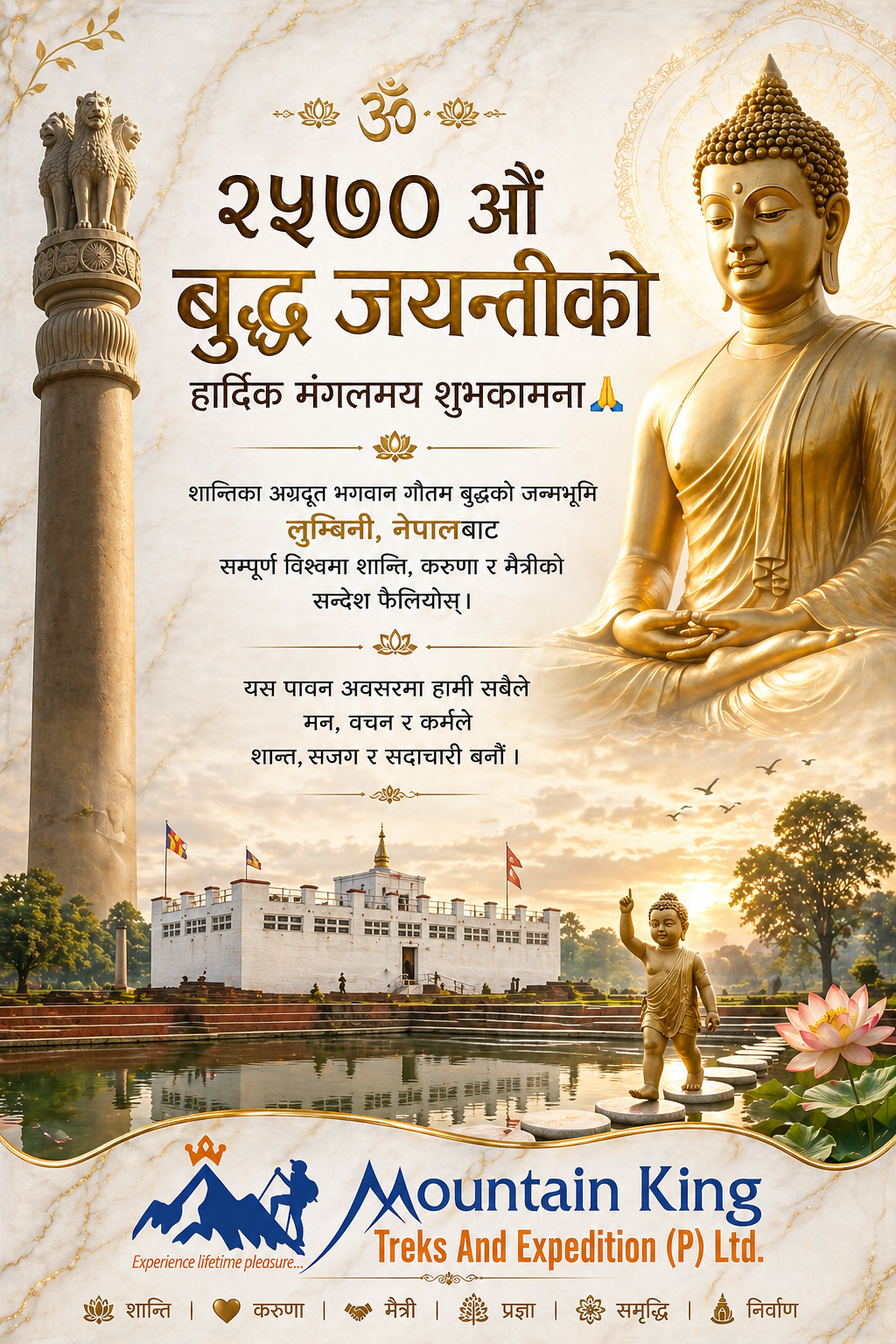
Every year, Nepal awakens to a deeply spiritual rhythm during Buddha Jayanti, a sacred day that honors the birth, enlightenment, and passing of Gautama Buddha. In 2026, this auspicious occasion marks the 2570th birth anniversary of Lord Buddha, reminding the world of a timeless legacy that has guided humanity for more than two and a half millennia. Known globally as Buddha Purnima, the festival rises beyond religious boundaries and becomes a universal expression of peace, compassion, and wisdom.
In Nepal, the meaning of this day is especially profound. It is not simply a commemoration of the past, but a living connection to history and identity, as Nepal is the birthplace of the Buddha himself. The sacred plains of Lumbini—where Queen Maya Devi gave birth to Prince Siddhartha—transform into a global center of pilgrimage and reflection. At the same time, the ancient stupas of the Kathmandu Valley, including Boudhanath Stupa and Swayambhunath Stupa, radiate a serene energy as monks chant prayers, butter lamps flicker, and prayer flags carry messages of hope into the Himalayan sky.
Across the country, from bustling cities to remote mountain villages, an atmosphere of calm devotion and quiet celebration takes hold. The sounds soften, the pace slows, and people gather not only to pray but to reflect on the values that the Buddha taught—kindness, balance, and mindfulness in everyday life.
For travelers and trekkers, Buddha Jayanti offers far more than cultural observation. It opens a doorway to experience Nepal through a deeper, more meaningful lens. Walking through ancient monasteries, sharing moments with local communities, or trekking beneath the vast Himalayan peaks becomes more than a journey of distance—it becomes a journey of awareness. Here, mountains, monasteries, and mindful exploration come together, creating an experience that is not only unforgettable, but quietly transformative.
What is Buddha Jayanti?
Buddha Jayanti is one of the most sacred and widely observed festivals in the Buddhist world, commemorating three pivotal events in the life of Gautama Buddha—his birth, his enlightenment, and his passing into nirvana. Celebrated on the full moon day of the month of Baisakh (April–May), this day carries profound spiritual significance, uniting millions of people across cultures and countries in reflection and devotion.
The life of Gautama Buddha began over 2,500 years ago in the peaceful gardens of Lumbini, where he was born as Prince Siddhartha Gautama. Raised in royal comfort, he was sheltered from the harsh realities of life. However, upon encountering suffering in the form of sickness, old age, and death, he chose to renounce his princely life in search of truth and liberation.
His journey led him through years of meditation, discipline, and self-discovery, ultimately culminating in enlightenment under the Bodhi tree. It was here that he attained a deep understanding of human suffering and the path to overcome it—a path rooted in the principles of mindfulness, ethical living, and wisdom. These teachings later became the foundation of Buddhism.
What makes Buddha Jayanti truly unique is that it honors not just a historical figure, but a philosophy that continues to guide humanity. The celebration is not centered on rituals alone, but on practicing the values that the Buddha taught—compassion toward all beings, inner peace, and a balanced way of life.
In Nepal, this day resonates deeply with both cultural and national identity. It is a time when people from all walks of life come together to remember a teacher whose message transcends boundaries, reminding the world that true peace begins within.
Why Nepal is Special for Buddha Jayanti
Nepal holds a unique and irreplaceable place in the story of Gautama Buddha, making Buddha Jayanti especially meaningful here. It is in Nepal that the Buddha was born, in the sacred garden of Lumbini—a site that continues to inspire millions of pilgrims and travelers from around the world.
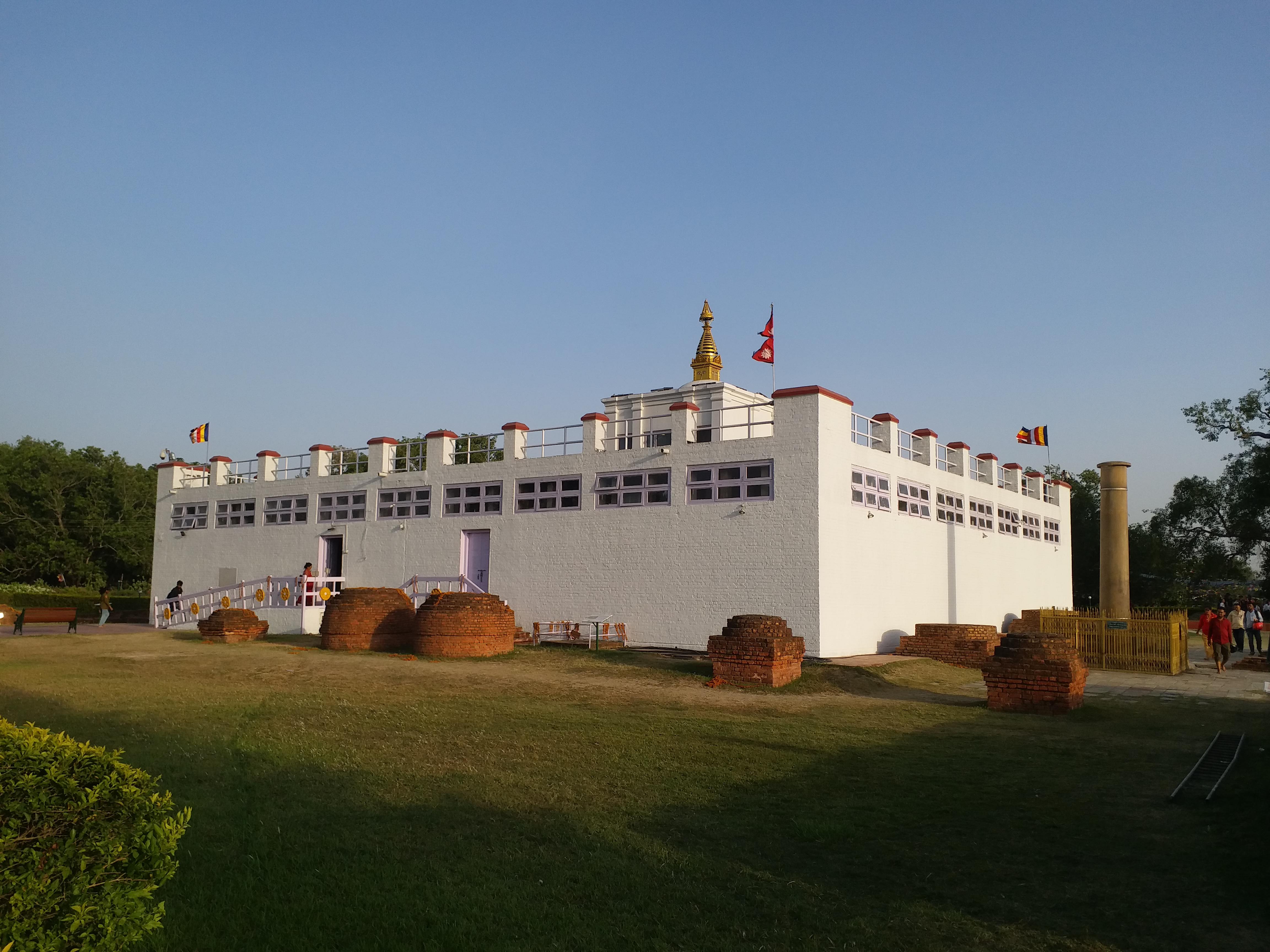
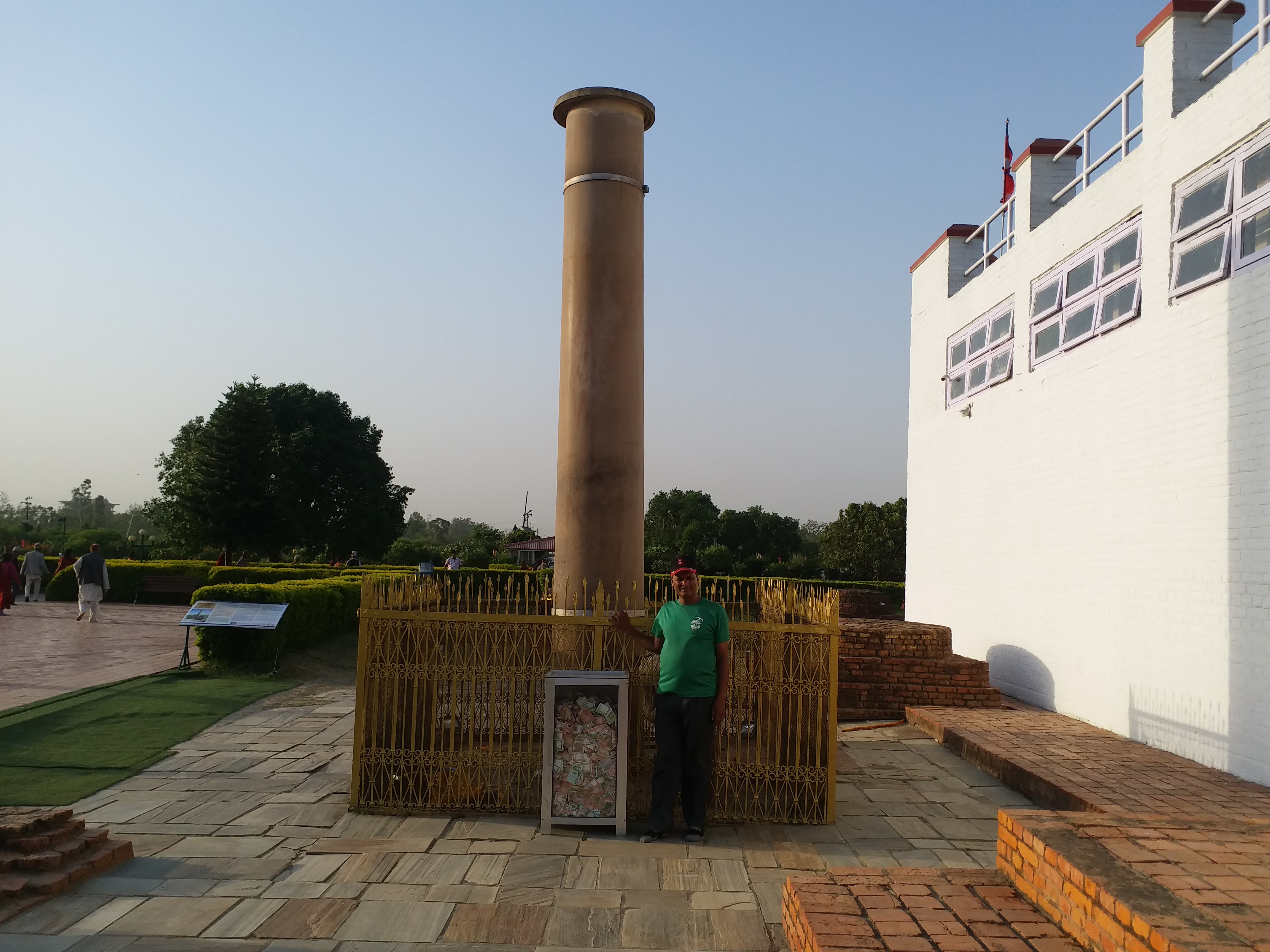
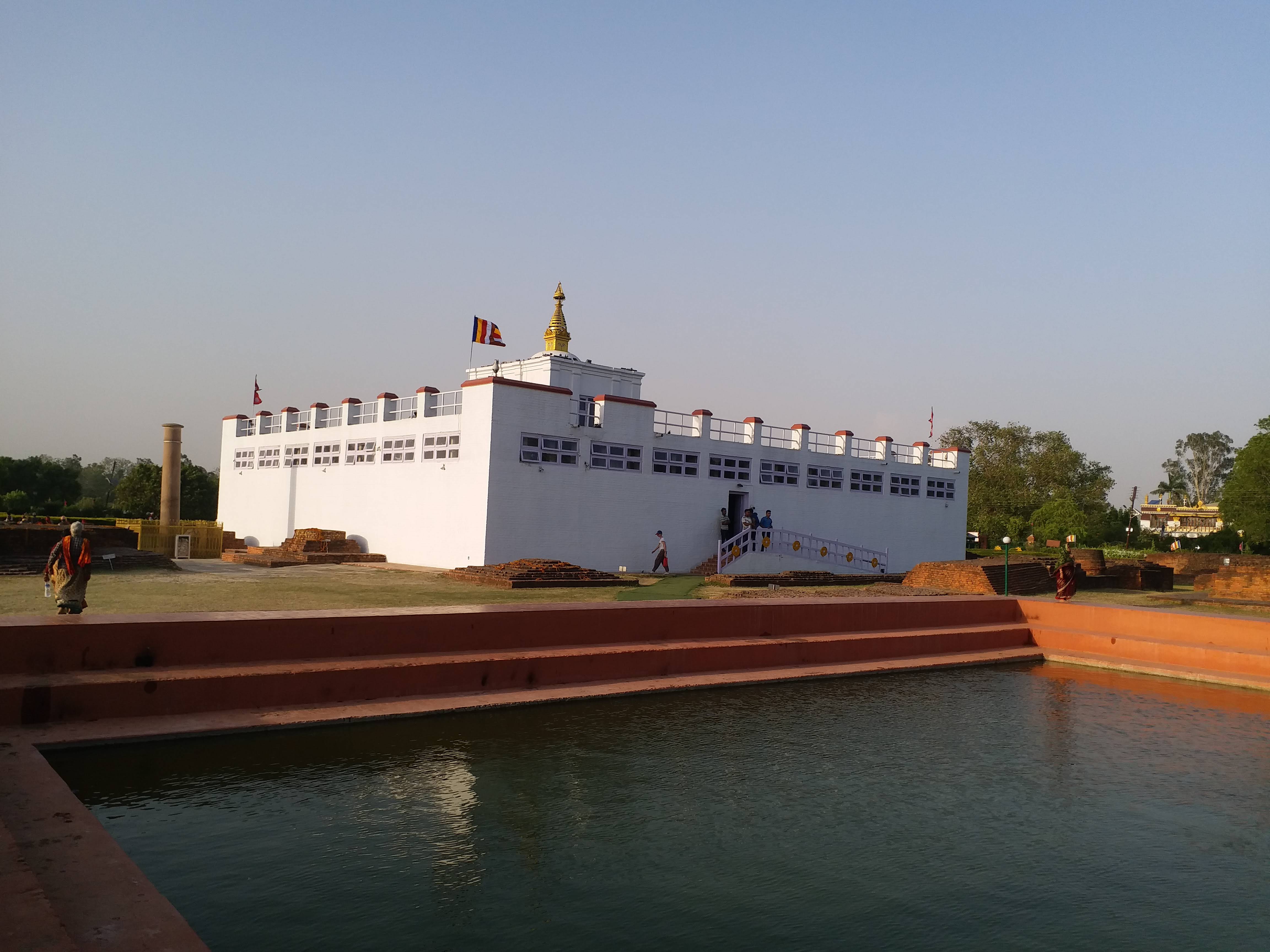
Lumbini is recognized as a UNESCO World Heritage Site and stands as one of the most important spiritual destinations on earth. At its heart lies the Maya Devi Temple, marking the exact spot where Queen Maya Devi gave birth to Prince Siddhartha. Nearby, the historic Ashoka Pillar—erected by Emperor Ashoka in the 3rd century BCE—bears inscriptions that confirm Lumbini as the birthplace of the Buddha. Walking through this sacred area, visitors are surrounded by ancient ruins, tranquil gardens, and a silence that encourages reflection.
Beyond Lumbini, Nepal is rich in Buddhist heritage. The Kathmandu Valley is home to some of the most iconic Buddhist monuments in the world. The massive white dome of Boudhanath Stupa stands as a center of Tibetan Buddhist culture, where monks and pilgrims gather daily for prayer and meditation. Nearby, the hilltop shrine of Swayambhunath Stupa—often called the Monkey Temple—offers not only spiritual significance but also panoramic views of the valley below.
During Buddha Jayanti, these sacred sites become vibrant centers of devotion. Butter lamps are lit in thousands, prayer flags are renewed, and the air fills with the soft rhythm of chanting. The celebrations are peaceful yet powerful, reflecting the essence of the Buddha’s teachings.
What makes Nepal truly special is not only its historical connection but also the way Buddhist values are woven into everyday life. From the Himalaya to the lowland plains, respect, harmony, and spiritual awareness remain an integral part of the culture. For visitors, experiencing Buddha Jayanti in Nepal is more than attending a festival—it is stepping into the very origins of a philosophy that continues to shape the world.
How Buddha Jayanti is Celebrated in Nepal
The celebration of Buddha Jayanti in Nepal is marked by a sense of शांतता, devotion, and quiet joy. Rather than grand or loud festivities, the day unfolds through spiritual practices, reflection, and acts of kindness that embody the teachings of Gautama Buddha.
From the early hours of the morning, monasteries, stupas, and temples across the country come alive with prayers and rituals. Devotees dress in light-colored or traditional attire and visit sacred sites to offer flowers, incense, and butter lamps. Lighting a butter lamp is especially symbolic, representing the removal of darkness and the awakening of wisdom.
In the Kathmandu Valley, places like Boudhanath Stupa and Swayambhunath Stupa become centers of continuous activity. Pilgrims walk in a clockwise direction around the stupas, spinning prayer wheels and chanting mantras such as “Om Mani Padme Hum.” The rhythmic sound of chanting, combined with the gentle movement of prayer flags in the wind, creates a deeply calming atmosphere.
Monks conduct special prayer ceremonies, and many people observe the day by practicing generosity—donating food, clothing, or money to those in need. Releasing birds, feeding animals, and performing charitable acts are common, reflecting the Buddha’s teachings of compassion toward all living beings.
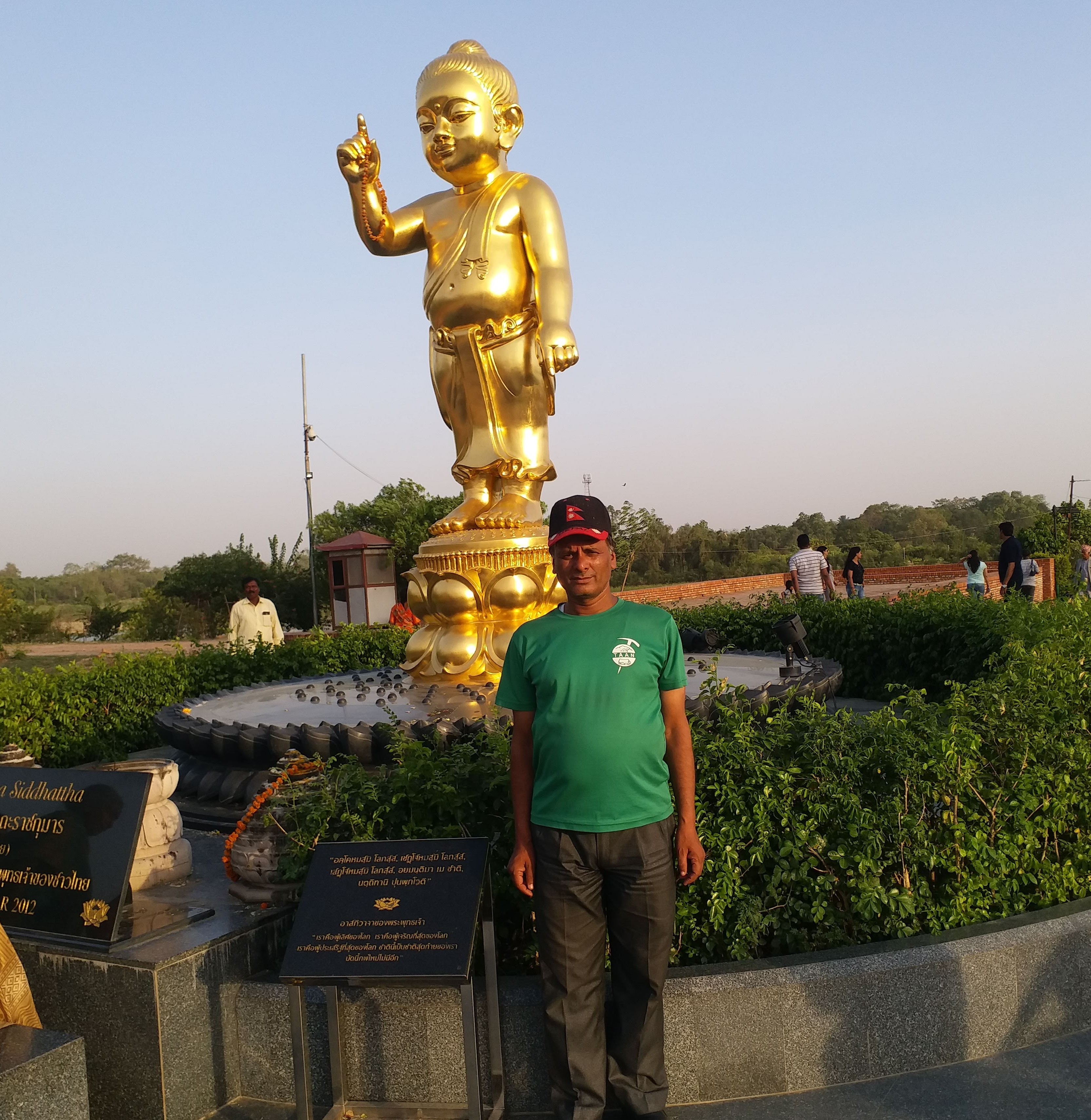
In Lumbini, the celebration reaches its spiritual peak. Thousands of pilgrims from different countries gather in the sacred garden, offering prayers and participating in peaceful processions. The Maya Devi Temple becomes the focal point, where devotees meditate and pay homage in silence.
Across Nepal, the overall mood remains gentle and reflective. Even in busy urban areas, there is a noticeable shift toward calmness and respect. Buddha Jayanti is not only a day of ritual—it is a reminder to pause, reflect, and practice the values of peace, mindfulness, and compassion in everyday life.
Visiting Lumbini During Buddha Jayanti
To visit Lumbini during Buddha Jayanti is to experience one of Nepal’s most profound spiritual moments. On this sacred occasion, the birthplace of Gautama Buddha transforms into a global center of devotion, drawing monks, pilgrims, scholars, and travelers from every corner of the world.
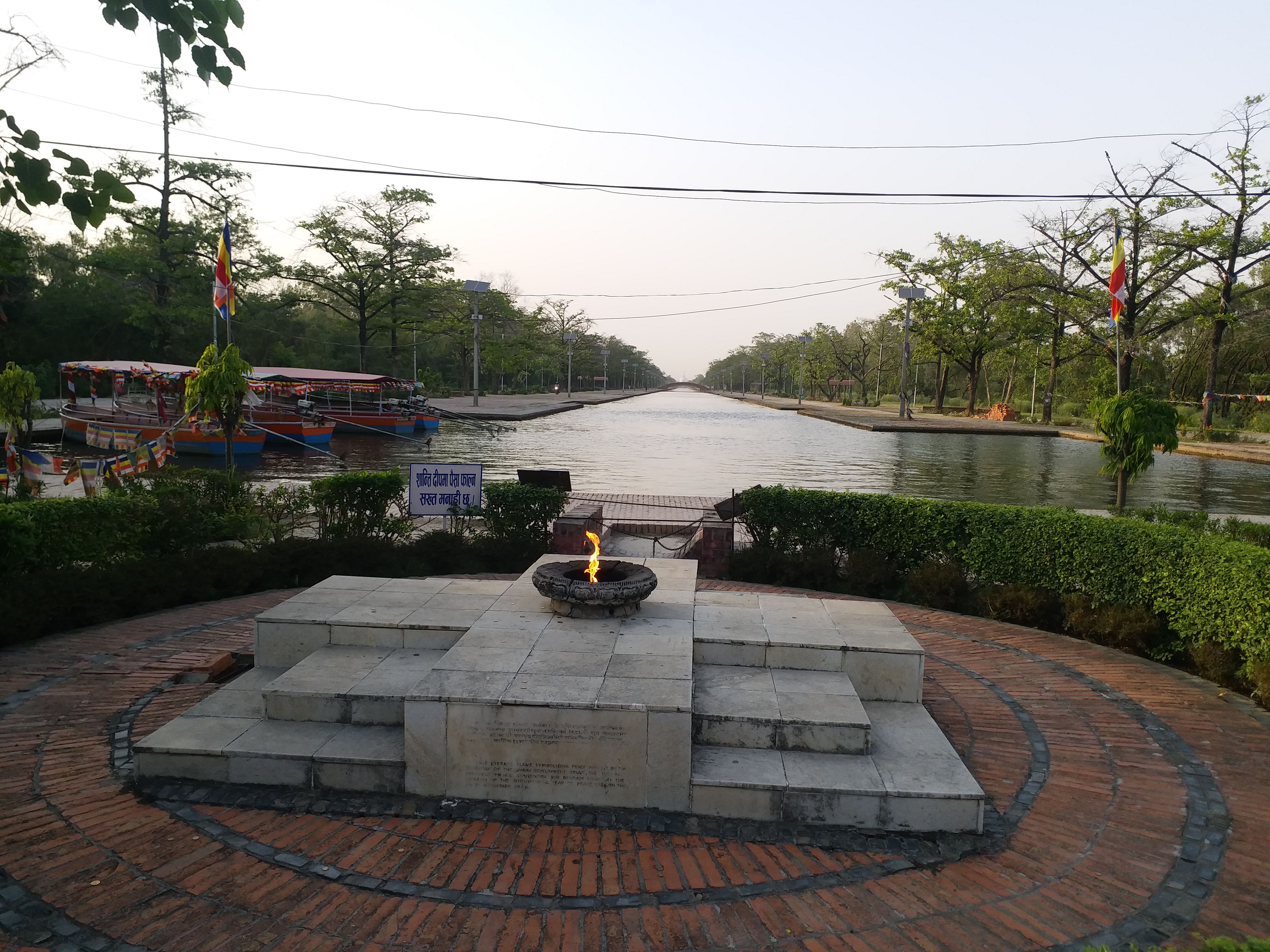
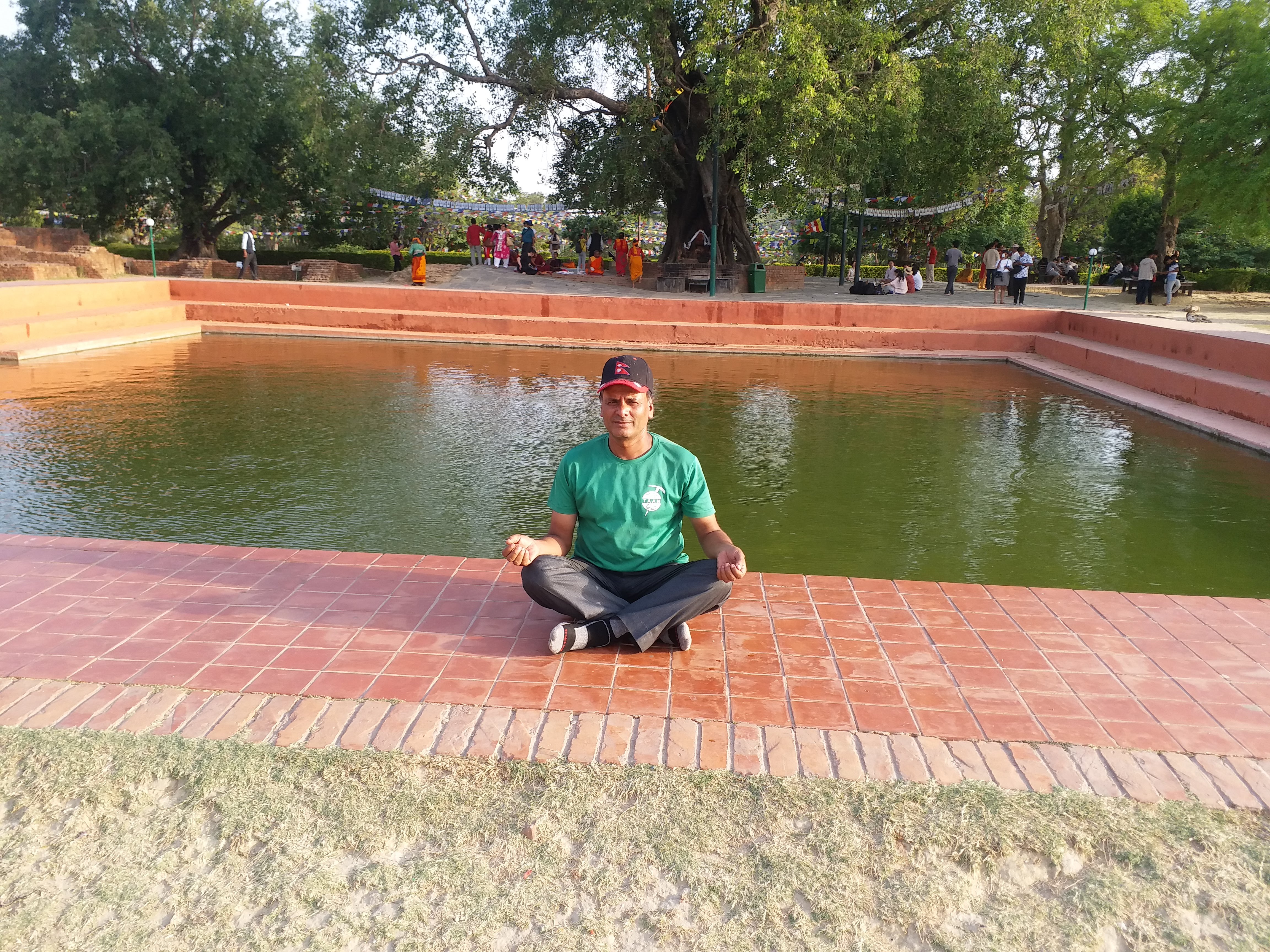
From the moment visitors enter the sacred garden, there is a distinct sense of peace that feels unlike anywhere else. The atmosphere is filled with quiet reverence as people walk slowly through the pathways lined with prayer flags, ancient ruins, and tranquil ponds. The sounds of chanting echo gently through the air, blending with the soft rustling of trees and creating an environment that naturally invites reflection.
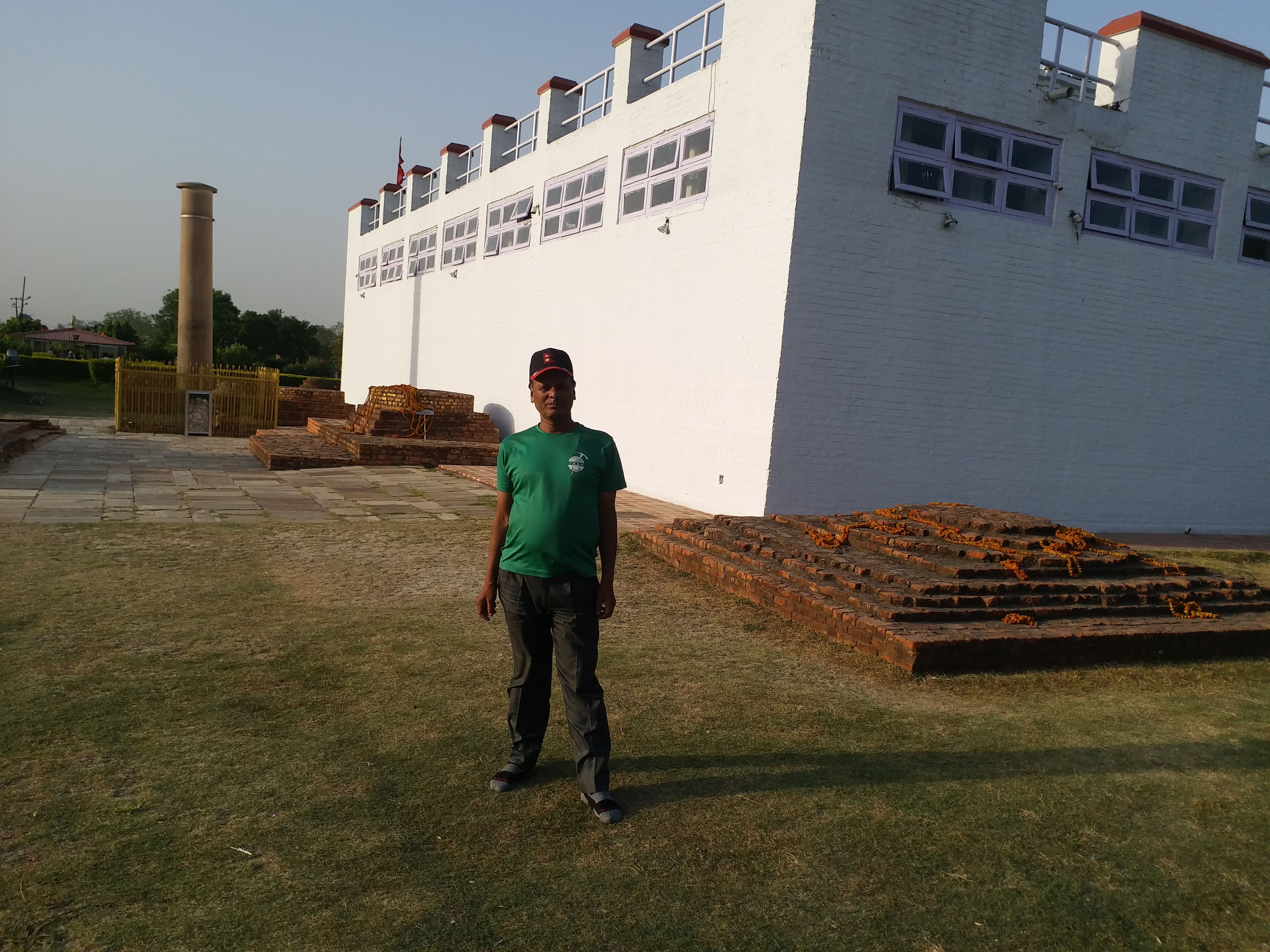
At the heart of this sacred complex stands the Maya Devi Temple, one of the holiest sites in Buddhism. Built over the exact birthplace of Lord Buddha, the temple becomes the focal point of prayer and meditation during Buddha Jayanti. Devotees gather here to offer flowers, light butter lamps, and sit in silent contemplation.
Nearby stands the historic Ashoka Pillar, erected by Emperor Ashoka more than two thousand years ago to commemorate his pilgrimage to Lumbini. This ancient monument serves as a powerful reminder of the site's enduring significance in world history.
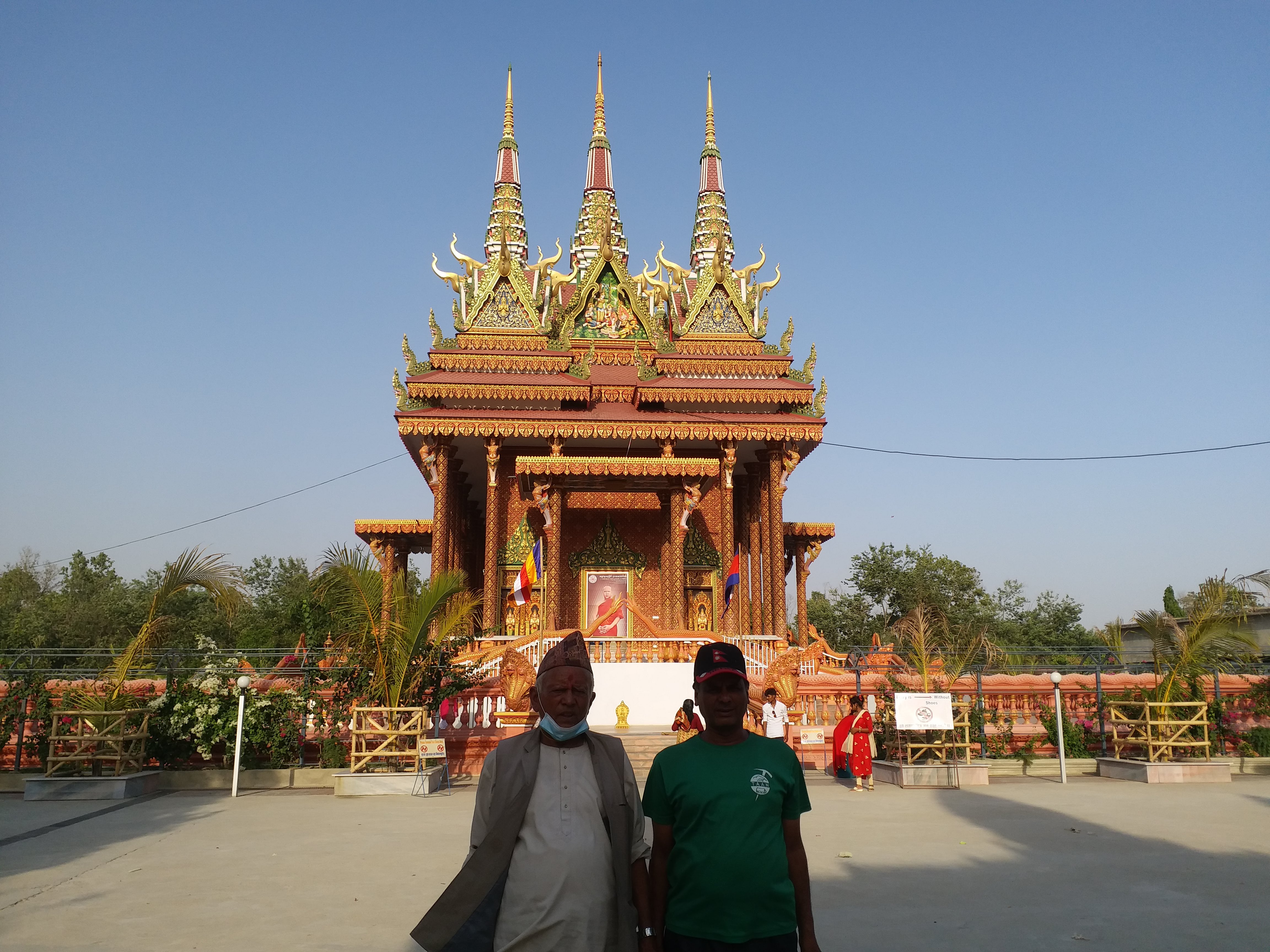
One of Lumbini’s most fascinating features is its international monastic zone, where monasteries built by Buddhist communities from around the globe reflect diverse architectural traditions and interpretations of Buddhist philosophy. Walking through these peaceful compounds offers a remarkable cultural journey—from the intricate designs of Thai monasteries to the serene simplicity of Japanese meditation spaces.
During Buddha Jayanti, these monasteries host prayer ceremonies, cultural programs, and meditation gatherings open to visitors. The entire area glows with butter lamps after sunset, creating a breathtaking scene of spiritual unity.
For travelers, visiting Lumbini during this sacred celebration is not simply about sightseeing. It is an invitation to slow down, to listen, and to connect with something deeper. It offers a rare chance to experience Nepal not only as a destination of mountains and adventure, but also as a land of peace, wisdom, and spiritual awakening.
Spiritual Travel and Trekking in Nepal
Nepal is globally renowned for its dramatic Himalayan landscapes and legendary trekking routes, yet beyond the physical adventure lies a deeper, more reflective dimension. The spirit of Buddha Jayanti naturally connects with the experience of traveling through Nepal, where every journey has the potential to become both an outer exploration and an inner discovery.
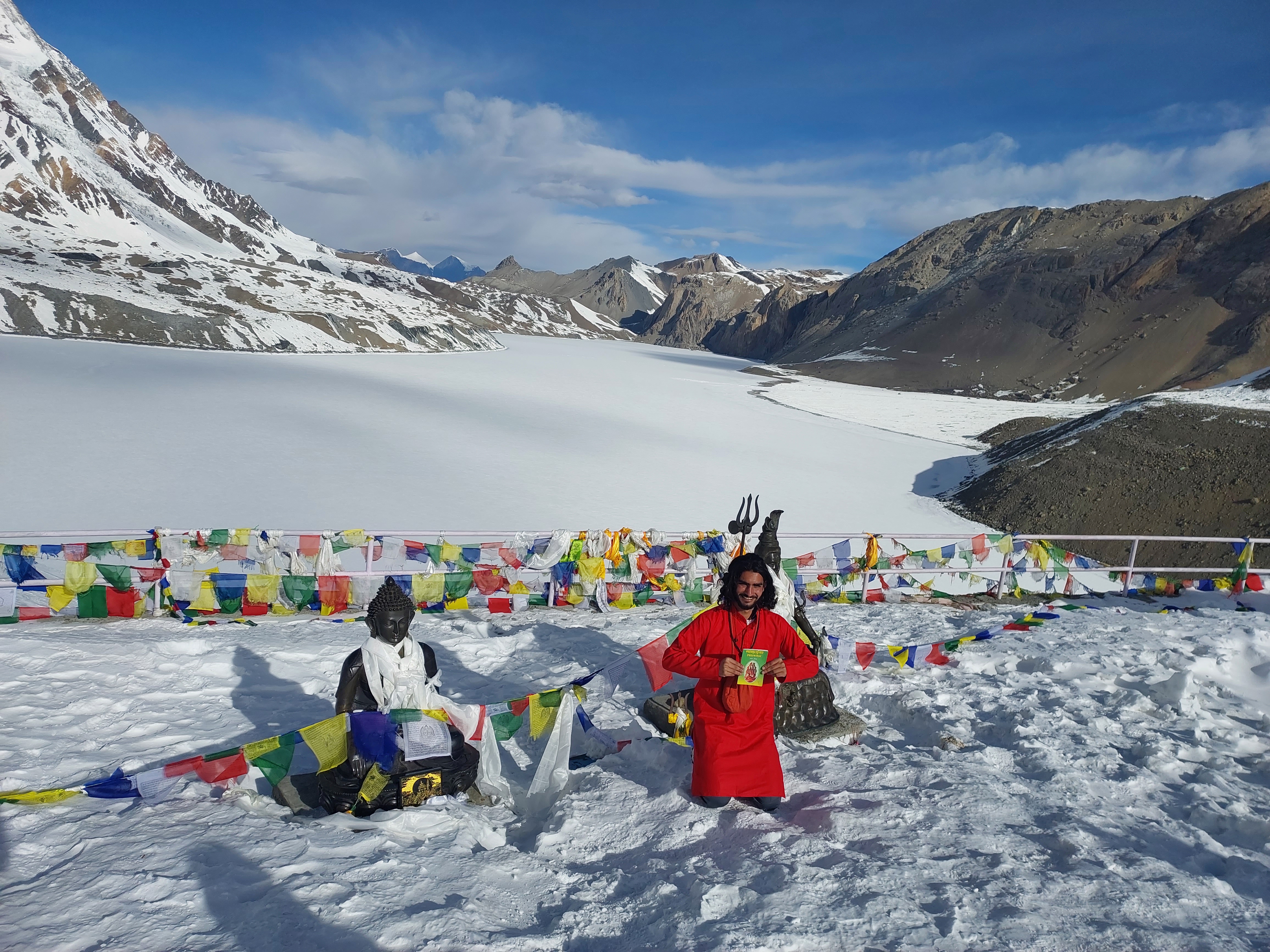
For centuries, the teachings of Gautama Buddha have influenced the culture and lifestyle of Himalayan communities. This influence is especially visible along trekking routes that pass through remote villages, ancient monasteries, and sacred landscapes. Travelers often encounter prayer wheels turning quietly in the wind, long stone walls carved with mantras, and colorful prayer flags stretching across mountain passes, carrying messages of peace into the vast sky.
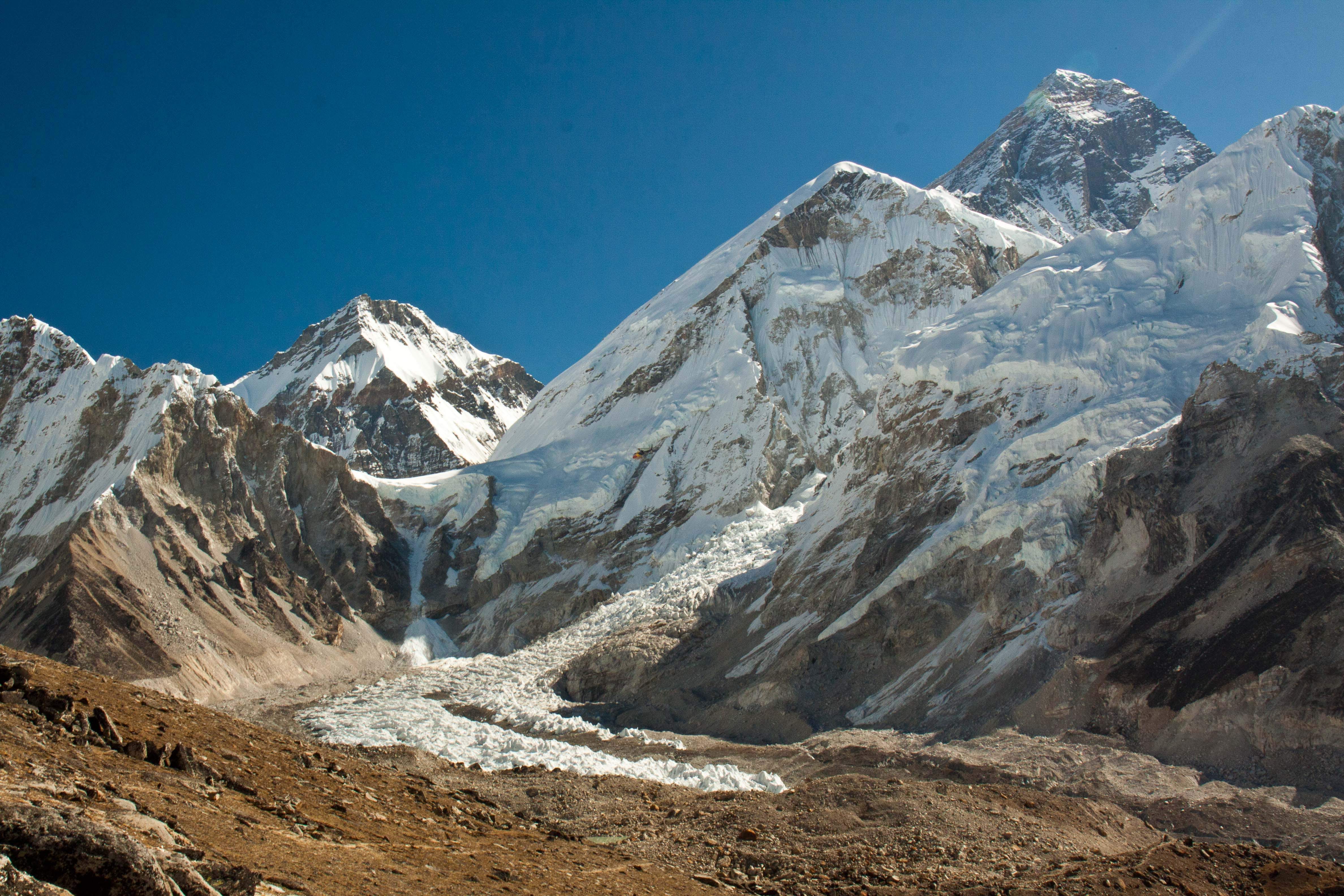
Trekking in regions such as Annapurna, Everest, or Mustang is not only about reaching high altitudes or iconic viewpoints. It is also about embracing simplicity and mindfulness. The steady rhythm of walking, the connection with nature, and the distance from modern distractions create space for reflection. Each step becomes part of a meditative process, where the journey itself is more meaningful than the destination.
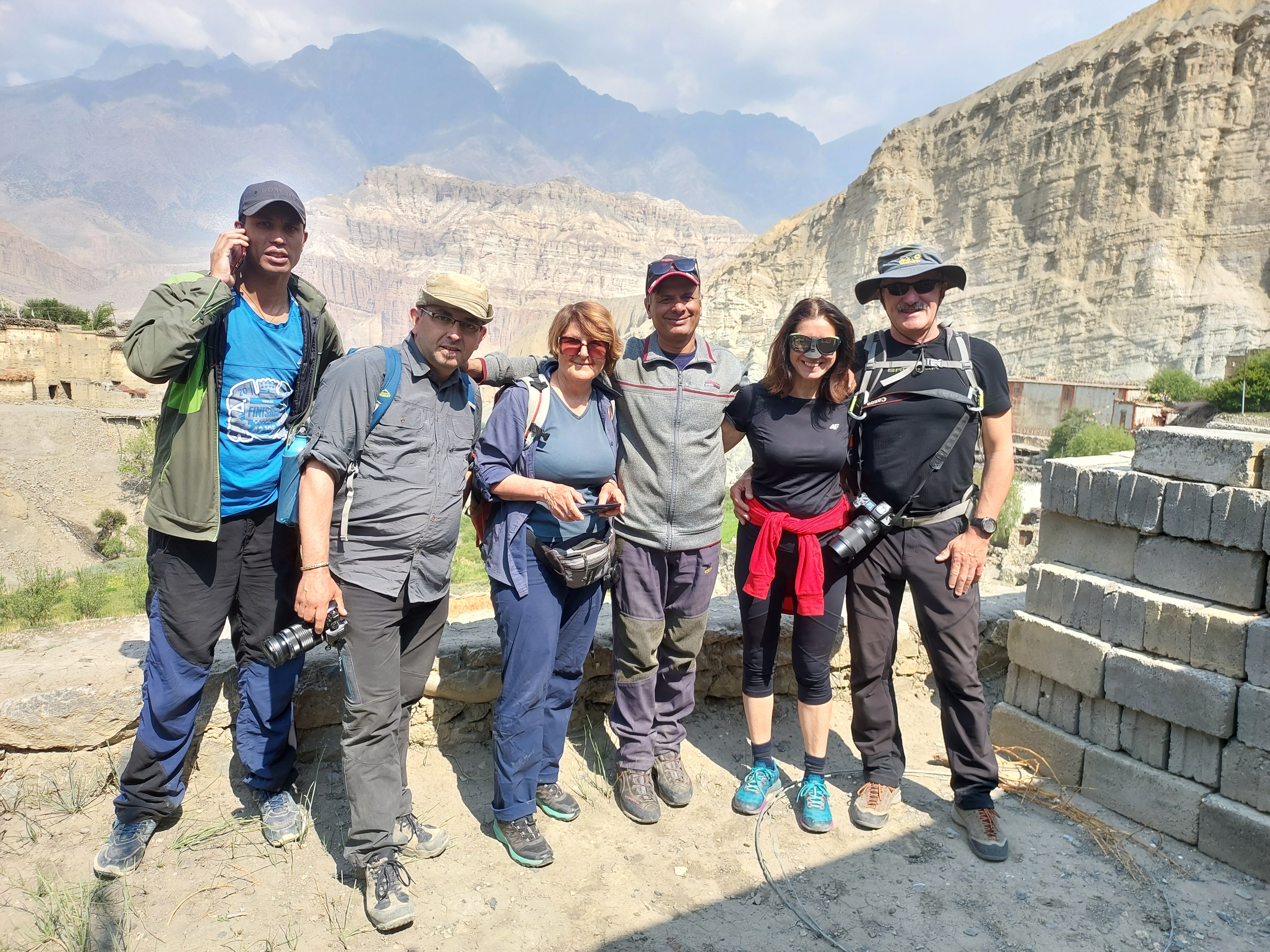
Along the trails, interactions with local communities offer valuable insight into a way of life guided by balance and respect. Many villages follow Buddhist traditions, and it is common to witness daily rituals, hear the soft chanting of monks, or be welcomed into a monastery for quiet observation. These moments often leave a lasting impression, reminding travelers that the Himalaya is not only a place of natural beauty but also of spiritual depth.
During the time of Buddha Jayanti, this connection becomes even more powerful. The values of compassion, awareness, and harmony are not just observed in temples but felt throughout the journey. Whether standing beneath towering peaks or resting beside a quiet monastery, travelers are invited to experience Nepal in a more meaningful and mindful way.
At Mountain King Treks, we believe that trekking can go beyond adventure. It can become a journey that enriches both the body and the mind, offering a rare opportunity to reconnect—with nature, with culture, and with oneself.
 Message of Peace and Responsible Tourism
The celebration of Buddha Jayanti is ultimately a reminder of the timeless message shared by Gautama Buddha—that peace begins within the human mind and extends outward into the way we treat others and the world around us. In a country like Nepal, where spirituality is deeply connected to daily life, this message holds special meaning.
Nepal’s sacred landscapes, from the birthplace of the Buddha in Lumbini to the ancient stupas of the Kathmandu Valley, are not only cultural treasures but also living heritage sites. Preserving them requires awareness, respect, and responsible action from everyone who visits.
Responsible tourism is about more than following rules—it is about attitude. It means walking gently through sacred spaces, respecting local customs, supporting community-based initiatives, and minimizing environmental impact. It also means recognizing that the mountains, monasteries, and traditions of Nepal are not just attractions, but part of a living culture that deserves care and protection.
For travelers, especially those exploring Nepal through trekking or cultural journeys, this responsibility becomes even more important. The fragile Himalayan environment and remote communities depend on mindful travel practices. Simple actions—such as reducing waste, respecting wildlife, and engaging respectfully with local people—contribute significantly to sustainability.
The teachings of Buddha align closely with these values. His philosophy emphasizes compassion for all living beings, mindfulness in action, and balance in lifestyle. When travelers embody these principles, their journey becomes more meaningful and aligned with the spirit of the land they are exploring.
Buddha Jayanti therefore serves as both a celebration and a reminder. It encourages us to not only admire Nepal’s beauty but also to protect it, ensuring that future generations can continue to experience its spiritual and natural richness.
Message of Peace from Lumbini to the World
The celebration of Buddha Jayanti in Nepal carries a message that goes far beyond borders, cultures, and religions. It is a reminder that the teachings of Gautama Buddha are not limited to history or tradition, but remain deeply relevant to the modern world. At the heart of this message stands Lumbini, the sacred birthplace of the Buddha, quietly sharing a timeless call for peace, compassion, and understanding.
Lumbini is not only a geographical location—it is a symbol of universal harmony. When pilgrims walk through its sacred gardens, when monks chant beneath ancient trees, and when visitors sit in silent reflection near the Maya Devi Temple, there is a shared feeling that transcends nationality and language. It is a space where humanity feels united through simplicity and awareness.
From this sacred land, the message of Buddha continues to travel across the world. It speaks of non-violence in a time of conflict, mindfulness in a fast-moving age, and compassion in a divided society. These teachings are not abstract ideas; they are practical principles that encourage balance in daily life and respect for all living beings.
During Buddha Jayanti, this message becomes even more powerful. Nepal, as the birthplace of the Buddha, naturally becomes a spiritual bridge between past and present, between East and West, and between tradition and modernity. The prayers offered in Lumbini and the lamps lit in monasteries across the country are not just rituals—they are expressions of hope for a more peaceful world.
For travelers, witnessing this atmosphere is a profound experience. It is a reminder that true peace does not come from external achievements, but from inner understanding. In this way, Lumbini continues to inspire not only pilgrims and Buddhists but anyone seeking meaning, clarity, and harmony in life.
The message from Lumbini is simple yet powerful: peace begins within, and from there, it can reach the entire world.
Why Travel with Mountain King Treks
At Mountain King Treks and Expedition Pvt. Ltd., we believe that travel in Nepal is not only about reaching destinations, but about experiencing meaning, culture, and connection along the way. Especially during occasions like Buddha Jayanti, Nepal reveals its deeper identity as a land of peace, spirituality, and living heritage.
With strong local roots and years of experience in Himalayan tourism, our team understands the cultural and spiritual significance of places such as Lumbini, the sacred birthplace of Gautama Buddha. We design journeys that go beyond sightseeing, allowing travelers to truly connect with Nepal’s traditions, landscapes, and people.
Our trekking and cultural tours are carefully planned to balance comfort, safety, and authentic experience. Whether you are exploring Buddhist pilgrimage sites, walking through remote mountain villages, or trekking across high Himalayan trails, we ensure that every journey is guided with professionalism and care.
What makes Mountain King Treks different is our focus on responsible and meaningful travel. We work closely with local communities, support sustainable tourism practices, and encourage respectful engagement with culture and nature. Our guides are not only experienced in navigation and safety, but also knowledgeable about Nepal’s history, spirituality, and traditions.
During Buddha Jayanti, traveling with us offers a unique opportunity to experience Nepal at its most peaceful and reflective time. From the sacred atmosphere of monasteries to the quiet beauty of the Himalaya, we help you discover a journey that is both external and internal.
With Mountain King Treks, your visit to Nepal becomes more than a trip—it becomes a story of connection, understanding, and lasting memory.
Conclusion: A Journey Beyond the Mountains
Buddha Jayanti is more than a sacred day observed in Nepal—it is a timeless reminder of the values that continue to guide humanity: peace, compassion, mindfulness, and wisdom. Celebrating the 2570th birth anniversary of Gautama Buddha, this occasion connects the present world with a spiritual legacy that began in the heart of Nepal.
From the serene birthplace of the Buddha in Lumbini to the ancient stupas and monasteries of the Kathmandu Valley, Nepal offers a rare harmony between history, spirituality, and natural beauty. During this sacred time, the entire country reflects a quiet transformation—one that invites reflection, respect, and inner awareness.
For travelers, Buddha Jayanti is not just a festival to witness, but an experience to feel. It is an opportunity to walk slowly through sacred spaces, to listen to the rhythm of prayers, and to understand a culture deeply rooted in spiritual tradition. When combined with trekking and exploration, this experience becomes even more meaningful, as the Himalaya itself seems to echo the message of peace.
At Mountain King Treks, we believe every journey in Nepal has the potential to become transformative. Whether you are visiting sacred Buddhist sites or trekking through remote mountain trails, the experience goes beyond travel—it becomes a journey of understanding, connection, and inner calm.
As Nepal celebrates Buddha Jayanti, we invite travelers from around the world to not only explore its landscapes but also embrace its spirit. In doing so, every step taken in the Himalaya becomes part of a larger journey—one that leads not just across mountains, but toward a deeper sense of peace within.

Plan Your Spiritual, Cultural & Adventure Journey in Nepal
Experience the essence of Nepal during Buddha Jayanti and explore the timeless land of Gautama Buddha—from the sacred birthplace of Lumbini to ancient cities, Himalayan trails, and peaceful monasteries.
This is more than a holiday—it is a journey that blends spiritual discovery, cultural heritage, and Himalayan adventure. Practice meditation in serene monasteries, join yoga and mindfulness sessions, explore UNESCO heritage sites, and trek through breathtaking mountain landscapes where nature and spirituality exist in harmony.
Whether you seek Buddha Jayanti pilgrimage tours, cultural heritage exploration, yoga and meditation retreats, or trekking adventures in the Himalaya, Nepal offers a complete experience of peace, discovery, and inspiration.
Contact & Booking
Plan your customized journey with Mountain King Treks:
WhatsApp / Call: +977-9841566449
Email: info@mountainkingtrek.com
Our expert team can help you design personalized itineraries including trekking, cultural tours, spiritual retreats, yoga experiences, and pilgrimage journeys across Nepal.
Take the Next Step
Book Your Journey → Join a guided spiritual and adventure experience in Nepal during Buddha Jayanti and beyond.
Customize Your Trip → Combine trekking, culture, meditation, yoga, and heritage exploration based on your interest and travel style.
Discover Nepal – Where Spirituality, Culture, and Adventure Meet with Mountain King Treks.