Complete Guide for Planning Your Himalayan Trekking Adventure
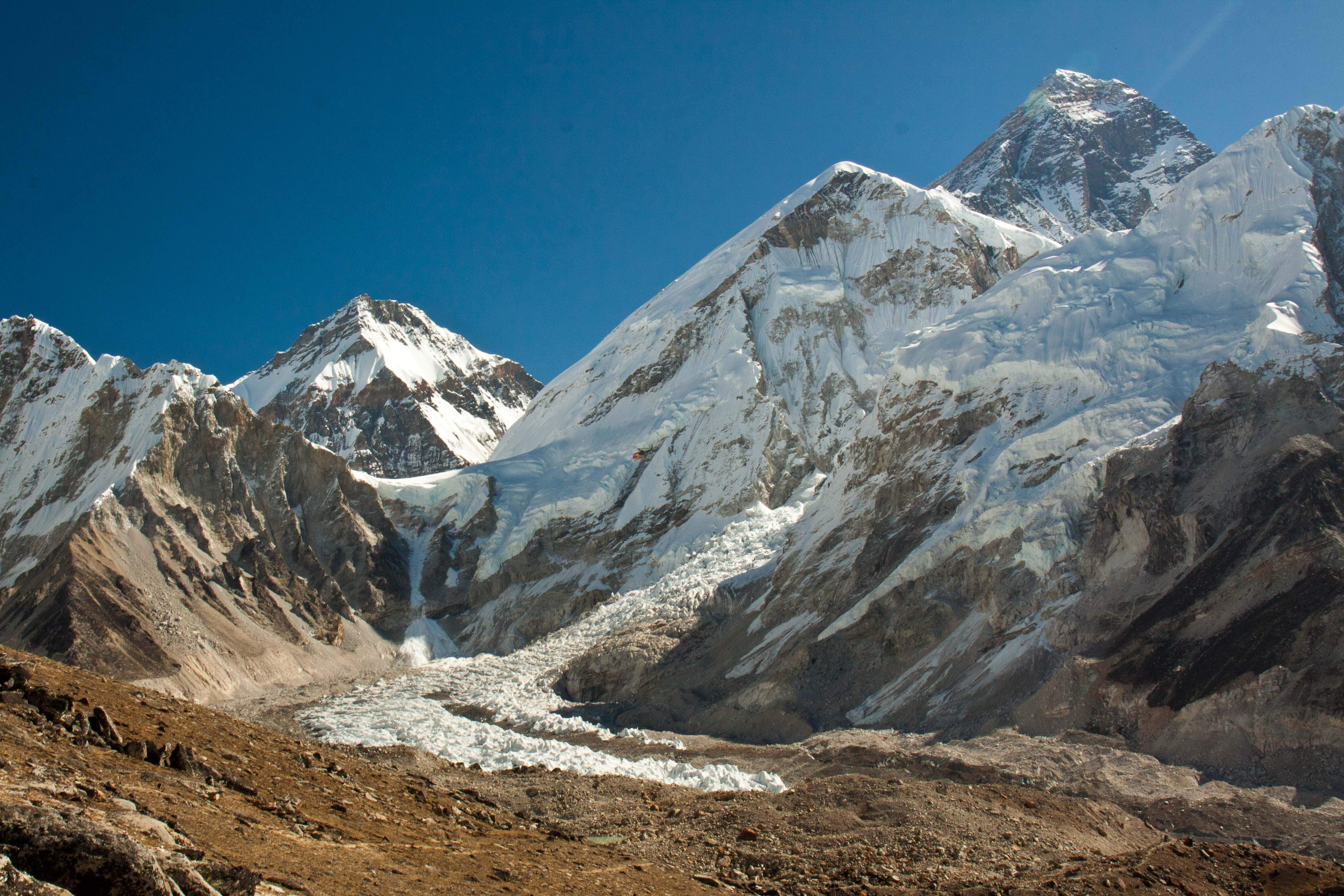
Trekking in Nepal is one of the world’s greatest adventure experiences and a dream journey for trekkers, nature lovers, and mountain explorers. Home to the world’s highest peaks, including Mount Everest, Nepal offers breathtaking Himalayan scenery, ancient cultures, remote mountain villages, and iconic trekking trails.
From the legendary Everest Base Camp Trek and Annapurna Circuit Trek to the hidden valleys of Upper Mustang, remote wilderness of Upper Dolpo, untouched trails of Kanchenjunga and Makalu, and the challenging Great Himalayan Trail, Nepal offers endless opportunities for adventure in the heart of the Himalayas.
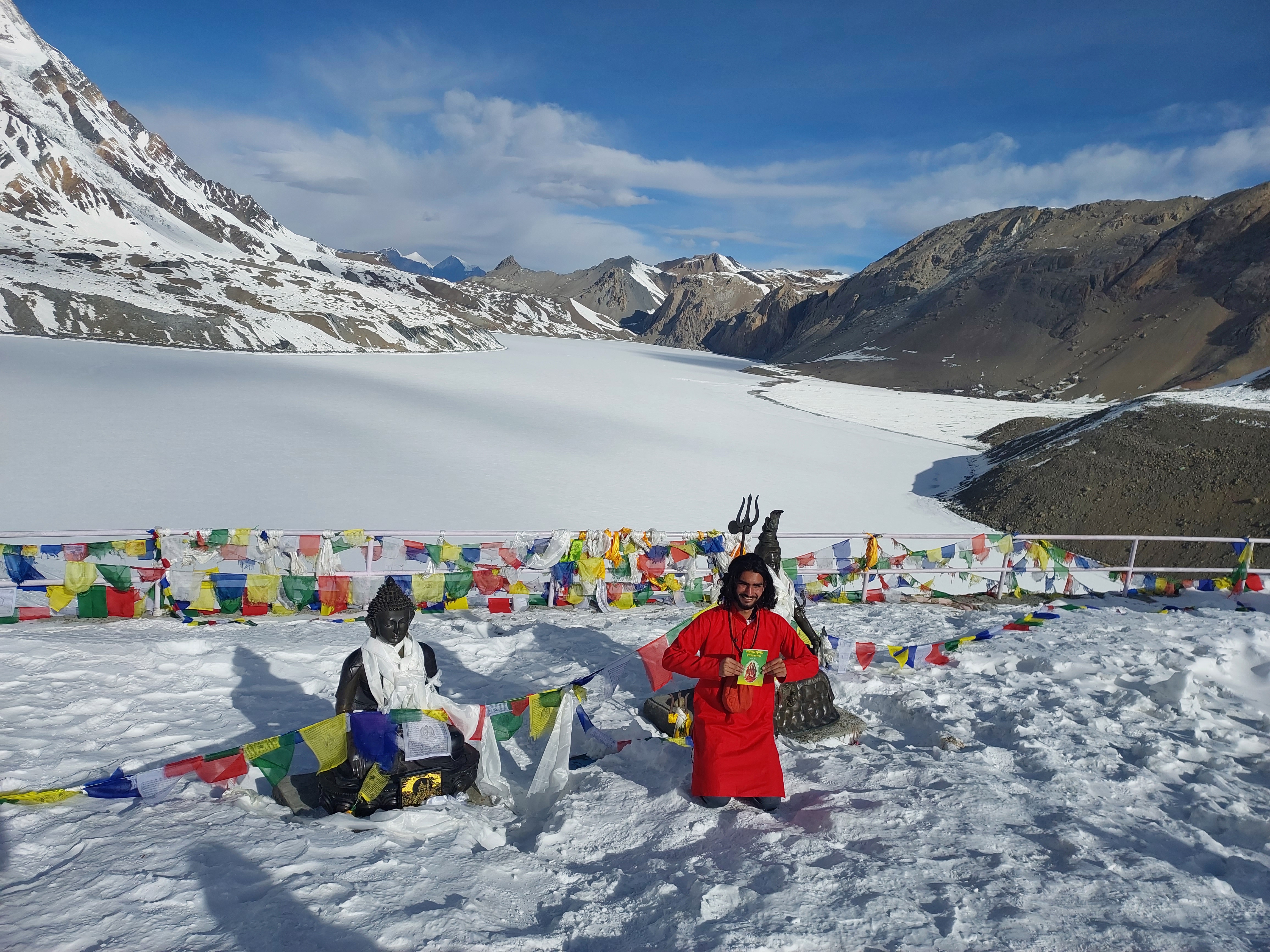
More than just walking in the mountains, trekking in Nepal is a full cultural experience. Trails pass through rhododendron forests, deep valleys, glacial landscapes, alpine meadows, traditional villages, sacred monasteries, and high mountain passes, offering unforgettable views and warm Himalayan hospitality.
However, trekking in Nepal requires proper preparation. Many routes pass through remote high-altitude regions where weather changes quickly, temperatures vary, and facilities can be basic. Proper planning is essential for a safe and enjoyable journey.
Good physical fitness, trekking gear, altitude awareness, travel insurance, trekking seasons, permits, and cultural understanding all play an important role in a successful Himalayan adventure.
This Nepal Trekking Preparation Guide provides essential information and practical advice for planning your trek, including fitness preparation, packing lists, altitude sickness, visa information, trekking permits, weather conditions, accommodation, food, and responsible trekking tips.
Whether you are planning the Everest Base Camp Trek, Annapurna Base Camp Trek, Manaslu Circuit Trek, Langtang Valley Trek, Upper Mustang Trek, Kanchenjunga Trek, or remote camping expeditions in the Great Himalayan Trail, this guide will help you prepare confidently for your journey in Nepal with Mountain King Treks.
Best Trekking Seasons in Nepal
Nepal offers trekking opportunities throughout the year, but the best trekking seasons are spring and autumn when weather conditions are generally stable and mountain views are clear.
Spring Season (March to May)
Spring is one of the most popular trekking seasons in Nepal. The weather becomes warmer, forests bloom with colorful rhododendron flowers, and mountain views are usually excellent. Higher trails may still have snow early in the season, especially in remote and high-altitude regions.
Autumn Season (September to November)
Autumn is considered the best trekking season in Nepal due to stable weather, moderate temperatures, dry trails, and crystal-clear mountain views. This season attracts the highest number of trekkers and climbers throughout the Himalayas.
Winter Season (December to February)
Winter trekking is possible in many lower-altitude regions such as Ghorepani Poon Hill, Langtang, Everest View Trek, and Kathmandu Valley hikes. However, high passes and remote areas may experience heavy snowfall and extremely cold temperatures.
Monsoon Season (June to August)
The monsoon season brings rainfall, cloudy weather, slippery trails, and leeches in lower elevations. However, rain-shadow regions such as Upper Mustang and Dolpo remain suitable for trekking during summer.
Trekking Regions in Nepal
Nepal offers a wide variety of trekking regions, each with unique landscapes, cultures, mountain scenery, and trekking experiences.
Popular trekking regions include:
- Everest Region
- Annapurna Region
- Langtang & Helambu Region
- Manaslu & Tsum Valley Region
- Upper Mustang Region
- Kanchenjunga Region
- Ganesh Himal Region
- Kathmandu Valley Short Treks
- Makalu Barun Region
- Dolpo & Rara Lake Region
- Dhaulagiri Region
- Gaurishankar & Rolwaping Region
- Far West Nepal Region
- Great Himalayan Trail (GHT)
Trekkers should choose their destination based on fitness level, trekking difficulty, available time, interests, altitude, and preferred trekking style.
Physical Fitness for Trekking in Nepal
Physical fitness is important for trekking in Nepal, especially for high-altitude and long-duration treks. Most trekking days involve several hours of walking on steep uphill and downhill trails.
Before trekking in Nepal, it is recommended to prepare through regular walking, hiking, cardio exercises, stair climbing, cycling, jogging, or gym training. Good physical conditioning helps improve endurance, reduce fatigue, and lower the risk of altitude-related problems.
Trekkers do not need technical climbing experience for most popular trekking routes, but good preparation significantly improves comfort and enjoyment during the trek.
Altitude Sickness and Acclimatization
Altitude sickness is one of the most important concerns during trekking in Nepal. High-altitude trekking routes such as Everest Base Camp, Annapurna Circuit, Manaslu Circuit, and Upper Dolpo involve elevations above 3,000 meters where oxygen levels decrease significantly.
Common symptoms of altitude sickness may include:
- Headache
- Nausea
- Dizziness
- Loss of appetite
- Fatigue
- Difficulty sleeping
Proper acclimatization, slow ascent, hydration, and adequate rest are essential for preventing altitude sickness. Trekkers should always follow their guide’s advice and never ignore serious symptoms.
Trekking Permits in Nepal
Most trekking regions in Nepal require trekking permits issued by the Nepal Government or local authorities. Depending on the trekking destination, trekkers may require:
- TIMS Card (Trekkers’ Information Management System)
- National Park Permits
- Conservation Area Permits
- Restricted Area Permits
Restricted areas such as Upper Mustang, Upper Dolpo, Manaslu, Nar Phu Valley, Kanchenjunga, and Tsum Valley require special permits and usually mandatory licensed guides.
Nepal Visa Information
Most travelers visiting Nepal require a tourist visa, which can usually be obtained upon arrival at Tribhuvan International Airport in Kathmandu and at several land border entry points. Travelers should carry a valid passport with at least six months validity and passport-sized photographs.
Nepal tourist visas are generally available for:
- 15 Days
- 30 Days
- 90 Days
Visa fees and regulations may change according to Nepal Government immigration policies. Travelers are advised to check the latest visa requirements before traveling to Nepal.
Citizens of some countries may need to obtain a visa in advance from a Nepalese embassy or consulate. It is also recommended to carry some cash in major foreign currencies for visa fees if required upon arrival.
Accommodation During Trekking
Accommodation in Nepal varies according to trekking region and trekking style.
Popular trekking routes such as Everest, Annapurna, and Langtang offer tea house accommodation with basic lodges, twin-sharing rooms, dining halls, and local meals. Remote regions may require camping arrangements with guides, cooks, kitchen staff, and porters.
Tea houses generally provide:
- Basic rooms
- Nepali and international meals
- Hot drinks
- Charging facilities
- Limited Wi-Fi in some areas
Accommodation quality decreases at higher elevations and in remote areas.
Food and Drinking Water
Trekkers can enjoy a variety of meals during trekking in Nepal. Common meals include:
- Dal Bhat
- Noodles
- Fried rice
- Soup
- Pasta
- Potatoes
- Pancakes
- Eggs
- Tea and coffee
Dal Bhat is the most popular trekking meal because it provides energy and nutrition for long trekking days.
Trekkers should drink safe and purified water during the trek. Water purification tablets, filters, or boiled water are recommended to avoid stomach problems.
Packing List for Nepal Trekking
Packing properly is very important for trekking comfort and safety. Essential trekking equipment includes:
- Warm down jacket
- Sleeping bag
- Trekking boots
- Trekking poles
- Warm layers
- Waterproof jacket and pants
- Gloves and hat
- Sunglasses
- Water bottles
- Headlamp
- Personal medication
- Toiletries and sunscreen
Packing requirements vary depending on trekking season, altitude, and trekking duration.
Guides and Porters in Nepal
Hiring experienced guides and porters greatly improves safety, comfort, and cultural understanding during trekking in Nepal.
Licensed trekking guides help with:
- Navigation
- Safety
- Accommodation
- Local culture and history
- Altitude management
- Emergency support
Porters assist by carrying heavy luggage, allowing trekkers to enjoy the journey more comfortably.
Restricted trekking areas in Nepal legally require licensed guides.
Transportation for Trekking
Many trekking routes in Nepal begin with domestic flights or long mountain drives. Transportation conditions can vary due to weather, road conditions, and geography.
Common transportation options include:
- Domestic flights
- Tourist buses
- Private jeeps
- Local transportation
Remote trekking areas may require multiple days of driving on rough mountain roads.
Travel Insurance for Nepal Trekking
Travel insurance is strongly recommended for trekking in Nepal, especially for high-altitude treks. Insurance should cover:
- High-altitude trekking
- Emergency helicopter evacuation
- Medical treatment
- Trip cancellation
- Accidents and injuries
Helicopter rescue operations in Nepal can be expensive without proper insurance coverage.
Responsible and Sustainable Trekking
Trekkers are encouraged to practice responsible tourism while visiting Nepal’s mountain regions.
Responsible trekking includes:
- Respecting local culture and traditions
- Reducing plastic waste
- Avoiding littering
- Supporting local communities
- Conserving nature and wildlife
- Using reusable water bottles when possible
Sustainable tourism helps preserve Nepal’s natural beauty and cultural heritage for future generations.
Here is your final polished and corrected version with improved grammar, flow, SEO tone, and professional structure:
Safety Tips for Trekking in Nepal
Nepal is generally a safe trekking destination, but trekkers should always follow basic safety precautions to ensure a smooth and enjoyable Himalayan journey:
- Trek with proper preparation
- Acclimatize properly
- Drink safe and purified water
- Follow guide instructions at all times
- Carry important documents safely
- Keep valuables secure
- Monitor weather conditions regularly
- Avoid rushing at high altitude
Proper planning, preparation, and responsible trekking practices are essential for a safe and memorable Himalayan adventure and a successful journey in the mountains.
Why Trek with Mountain King Treks?
Mountain King Treks and Expedition Pvt. Ltd. is a professional local trekking company based in Nepal, offering authentic, safe, and memorable Himalayan adventures across the country’s most famous and remote trekking regions.
The company is led by veteran trekking guide Mr. Govinda Prasad Sapkota, who has more than 35 years of experience in Nepal’s trekking and adventure tourism industry. His deep Himalayan knowledge and decades of field experience ensure every journey is carefully planned, professionally organized, and safely operated.
With a team of experienced guides and trekking staff, Mountain King Treks focuses on personalized service, strong safety standards, warm Himalayan hospitality, and responsible tourism practices.
Mountain King Treks specializes in:
- Tea house trekking
- Camping expeditions
- Remote wilderness adventures
- Peak climbing and mountaineering
- Cultural tours
- Customized Himalayan journeys
From Everest and Annapurna to Upper Dolpo, Kanchenjunga, Mustang, Makalu, and the Great Himalayan Trail, Mountain King Treks helps travelers experience Nepal safely, comfortably, and authentically.
Final Thoughts
Trekking in Nepal is a life-changing experience filled with breathtaking mountains, rich culture, and unforgettable adventure. Proper preparation, good fitness, and experienced guidance are the key to a safe and successful Himalayan journey.
Plan Your Nepal Trekking Adventure
Planning your trekking journey in Nepal is the first step toward an unforgettable Himalayan experience filled with mountains, culture, adventure, and natural beauty. With professional guidance, you can enjoy a safe, well-organized, and truly rewarding trekking experience across Nepal’s most iconic Himalayan regions.
Our trekking experts are ready to design your perfect Nepal trekking adventure based on your fitness level, trekking style, time frame, and interests—from the classic routes of Everest, Annapurna, and Langtang to remote wilderness journeys in Manaslu, Mustang, Kanchenjunga, and the Great Himalayan Trail.
📞 +977-9841566449
Book Your Nepal Trek → Travel with trusted local trekking experts
Customize Your Nepal Trek → Build your perfect Himalayan trekking itinerary
Turn Your Himalayan Dream into Reality with Mountain King Treks
Experience the magic of the Himalayas with Mountain King Treks and Expedition Pvt. Ltd. — your trusted local trekking partner in Nepal.