February 07, 2026
Kanchenjunga Travel Guide: Complete Trekking Guide to Nepal’s Remote Himalaya
The Kanchenjunga Circuit Trek is one of Nepal’s last truly wild Himalayan adventures. Circling Mount Kanchenjunga—the world’s third-highest mountain at 8,586 meters—this remote trek takes you deep into eastern Nepal, far from crowded trails, into landscapes that feel untouched by time. Towering peaks, glacial valleys, ancient Tibetan-influenced villages, dense forests, and dramatic high-altitude viewpoints combine to create an expedition that is raw, demanding, and deeply rewarding.
Unlike popular routes such as Everest or Annapurna, the Kanchenjunga Circuit remains largely off the mainstream trekking map. This is not a trek for casual walkers or those seeking luxury lodges. It is for trekkers who crave solitude, authenticity, and the feeling of true exploration. Days pass without encountering other groups, nights are spent in simple teahouses or community lodges, and every step feels earned.
The journey typically explores both North Kanchenjunga (Pangpema Base Camp) and South Kanchenjunga (Oktang Viewpoint), offering jaw-dropping close-up views of Kanchenjunga, Jannu (Kumbhakarna), Kabru, Rathong, and a host of lesser-known giants. Along the way, trekkers pass through Rai, Limbu, and Tibetan communities whose traditions, dress, and way of life remain deeply connected to the land.
This trek is not just about mountains—it is about remoteness, resilience, and reconnecting with nature in its most powerful form.
Experience a lifetime of discovery in Nepal’s most remote and spectacular regions with Mountain King Treks & Expedition Pvt. Ltd.
Why You Must Visit the Kanchenjunga Region
In a country filled with legendary trekking routes, Kanchenjunga stands apart for one simple reason: it is still real.
This region has not been reshaped to meet mass tourism. Trails remain rugged, villages depend on subsistence farming, and the wilderness feels alive and unpredictable. If you are searching for a trek that feels like an expedition rather than a holiday, Kanchenjunga delivers in every sense.
Visiting the Kanchenjunga region means stepping into Nepal’s eastern frontier, where nature dominates and human presence feels respectfully small. You witness vast ecological diversity—subtropical forests at lower elevations transform into rhododendron jungles, alpine meadows, and eventually glacial terrain. Wildlife such as red pandas, snow leopards, Himalayan black bears, and blue sheep still roam these protected landscapes.
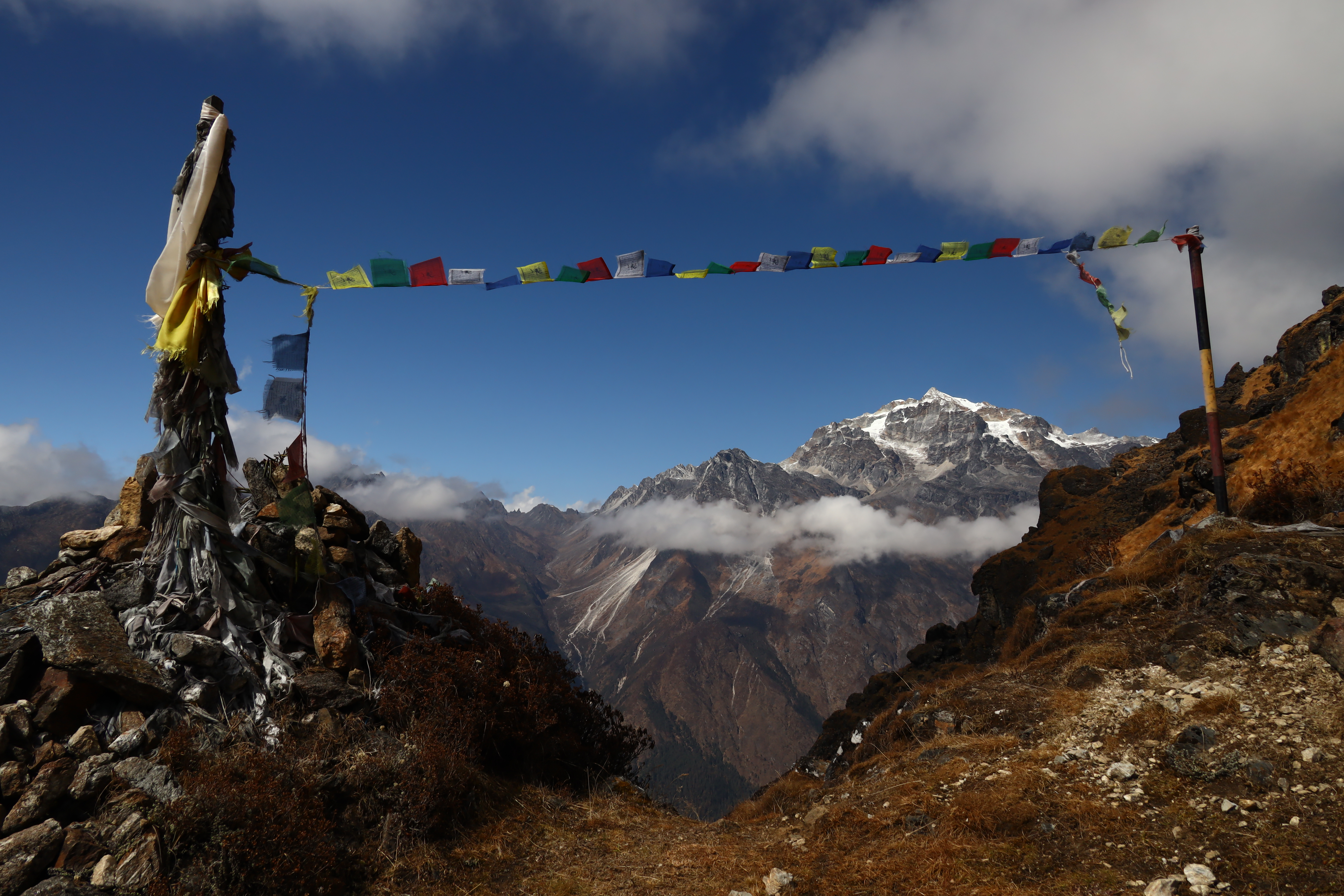
Culturally, the region offers a rare blend of Limbu, Rai, Sherpa, and Tibetan Buddhist influences. Prayer flags flutter above stone villages, monasteries sit quietly on ridges, and ancient trade routes whisper stories of trans-Himalayan commerce.
For trekkers who have already experienced Everest or Annapurna and want something deeper, quieter, and more meaningful, Kanchenjunga is not just an option—it is the natural next step.
How to Get to the Kanchenjunga Circuit Trek (Best & Most Reliable Routes)
Reaching the Kanchenjunga region is an adventure in itself, and understanding the most reliable access route is crucial for a smooth journey.
The traditional gateway to the Kanchenjunga Circuit is Suketar Airport in Taplejung, located close to the trek’s starting point. Flights to Suketar are available from Kathmandu, but they are not regular and operate only when weather conditions are perfect. Due to frequent cloud cover, wind, and visibility issues in eastern Nepal, flights to Suketar are often delayed or canceled, sometimes for several consecutive days. For this reason, relying solely on Suketar flights can significantly affect trekking schedules.
Because of this, Bhadrapur Airport is considered the most reliable and practical option for accessing the Kanchenjunga region.
Bhadrapur is well connected to Kathmandu, with multiple daily flights operating from early morning until late afternoon. Several domestic airlines serve this route consistently, making it far more dependable than Suketar. Major airlines operating regular Kathmandu–Bhadrapur flights include Buddha Air, Yeti Airlines, Shree Airlines, and other domestic carriers.
From Bhadrapur, travelers continue by road toward Taplejung and Suketar, passing through tea estates, hill towns, and scenic river valleys. Although the drive is long, it is generally reliable and allows trekkers to acclimatize gradually while experiencing eastern Nepal’s rural landscapes.
Many experienced trekking operators now prioritize Bhadrapur as the primary access point, using Suketar Airport only as an optional bonus when weather permits. This approach minimizes delays and ensures better trip reliability—especially for long, carefully planned expeditions like the Kanchenjunga Circuit Trek.
Popular Treks in the Kanchenjunga Region
1. Kanchenjunga Circuit Trek
The Kanchenjunga Circuit Trek is the ultimate expedition for adventurers seeking a long, challenging journey through Nepal’s most remote landscapes. Trekkers experience a full loop around Kanchenjunga, passing high alpine valleys, glaciers, and traditional villages. With breathtaking views from Pangpema and the Yalung Glacier, this trek is perfect for those wanting a complete Kanchenjunga adventure.
[Kanchenjunga Circuit Trek → Explore Full Trek Details]
2. Kanchenjunga North Base Camp Trek
Focused on the northern approach, this trek takes you through the serene Ghunsa Valley to the North Base Camp. Trekkers witness snow-capped peaks, Buddhist monasteries, and Tibetan-influenced villages. The trail is slightly shorter than the full circuit but equally immersive, offering spectacular views and cultural encounters.
Kanchenjunga North Base Camp Trek → View Detailed Itinerary
3. Milke Danda Trek
The Milke Danda Trek is renowned for its rolling ridge lines, panoramic mountain vistas, and vibrant rhododendron forests in spring. It is less demanding than the Kanchenjunga base camp treks, making it suitable for moderate-level trekkers seeking stunning scenery and cultural experiences without extreme altitude challenges.
Milke Danda Trek → Discover the Trek
4. Lumba Sumba Pass Trek
The Lumba Sumba Pass Trek is an expedition-style journey connecting Kanchenjunga with Makalu. It involves crossing one of Nepal’s most remote high passes, offering unparalleled adventure for seasoned trekkers. This trek is highly challenging but rewards trekkers with raw wilderness, pristine landscapes, and high-altitude experiences.
Lumba Sumba Pass Trek → Learn More About This Expedition
Major Highlights of the Kanchenjunga Circuit Trek
One of the most compelling aspects of this trek is the sheer number of unforgettable moments packed into a single journey.
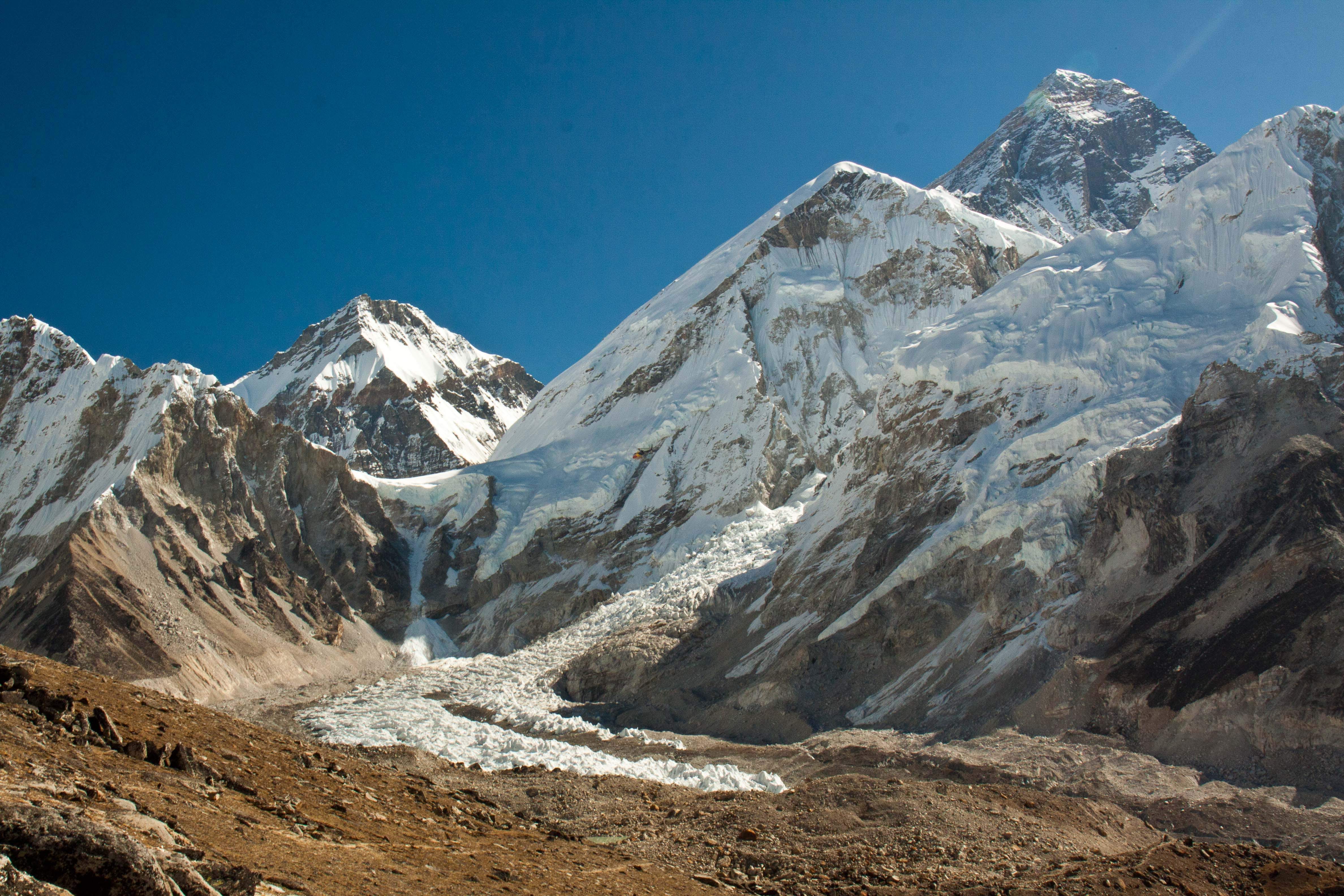
Trekkers experience dramatic elevation changes, from lush lowland valleys to stark alpine terrain. Massive glaciers like the Yalung and Kanchenjunga Glacier dominate the landscape. The silence in high camps is broken only by wind and distant avalanches.
Cultural encounters feel genuine rather than staged. Villagers are curious but welcoming, and hospitality is heartfelt. Monasteries such as Ghunsa Gompa offer quiet spaces for reflection amid the journey.
Perhaps the greatest highlight is solitude. On many days, your trekking group may be the only one on the trail—a rarity in modern Himalayan trekking.
Difficulty Level: Is the Kanchenjunga Circuit Trek Hard?
Yes—this trek is challenging.
The Kanchenjunga Circuit is considered a strenuous trek, best suited for experienced trekkers with strong physical fitness and prior high-altitude experience. Daily walking hours are long, trails are often rough, and facilities are basic.
Altitude is a major factor, with several days spent above 4,000 meters. Proper acclimatization is essential, and weather conditions can change rapidly. Landslides, river crossings, and remote terrain require patience and mental resilience.
That said, no technical climbing is required. With good preparation, a steady pace, and professional guidance, the trek is achievable—and deeply rewarding.
Best Time to Trek the Kanchenjunga Circuit
The best seasons for the Kanchenjunga Circuit Trek are spring (March–May) and autumn (September–November).
Spring brings blooming rhododendron forests, clearer skies, and vibrant landscapes. Autumn offers stable weather, crisp mountain views, and excellent trail conditions.
Winter trekking is possible but extremely cold, with snow blocking high passes. Monsoon season (June–August) brings heavy rain, leeches at lower elevations, and limited visibility, making it less ideal.
Accommodation and Food on the Trail
Accommodation on the Kanchenjunga Circuit is primarily in basic teahouses and local lodges. Rooms are simple, often with twin beds and shared toilets. Heating is rare, and electricity can be limited.
Meals are filling and traditional—dal bhat, noodles, soups, potatoes, tsampa, and seasonal vegetables form the core diet. As altitude increases, menu options become more limited, emphasizing the importance of proper meal planning and hydration.
This simplicity is part of the trek’s charm, reinforcing the sense of self-reliance and connection with local life.
Permits Required for Kanchenjunga Circuit Trek
Because Kanchenjunga lies in a restricted area, trekkers must obtain special permits:
- Restricted Area Permit (RAP)
- Kanchenjunga Conservation Area Permit (KCAP)
A minimum of two trekkers is required, and trekking must be arranged through a registered Nepalese trekking agency. Independent trekking is not allowed.
Flora, Fauna, and Conservation Importance
The Kanchenjunga Conservation Area is one of Nepal’s most biodiverse regions. It protects rare species such as the red panda, snow leopard, musk deer, and Himalayan monal.
Forests range from subtropical to alpine, with bamboo groves, ancient fir trees, and expansive rhododendron zones. Trekking here directly supports conservation and community-based tourism, helping preserve both nature and culture.
Who Should Do the Kanchenjunga Circuit Trek?
This trek is ideal for trekkers who:
- Have prior high-altitude trekking experience
- Prefer remote, uncrowded trails
- Value cultural authenticity over comfort
- Seek long, immersive Himalayan journeys
- Want a true expedition-style adventure
If you are looking for luxury, nightlife, or easy access, Kanchenjunga is not for you. If you seek depth, challenge, and meaning, it may become your favorite trek in Nepal.
Frequently Asked Questions (FAQs) About the Kanchenjunga Circuit Trek
1. Is the Kanchenjunga Circuit Trek suitable for beginners?
No. The Kanchenjunga Circuit Trek is not recommended for beginners. It is a strenuous, long-duration trek that involves high altitude, rough terrain, limited facilities, and remote conditions. Prior trekking experience above 4,000 meters and good physical fitness are strongly advised.
2. How long does the Kanchenjunga Circuit Trek take?
The full Kanchenjunga Circuit Trek typically takes between 22 to 28 days, depending on the itinerary, acclimatization days, weather conditions, and starting or ending points. Some trekkers choose shorter variations focusing only on the North or South Base Camp.
3. What is the highest altitude reached on the Kanchenjunga Circuit Trek?
The trek reaches its highest point at Pangpema (North Kanchenjunga Base Camp) at approximately 5,143 meters. Proper acclimatization is essential to minimize the risk of altitude sickness.
4. Do I need a guide for the Kanchenjunga Circuit Trek?
Yes. The Kanchenjunga region is a restricted area, and trekking without a licensed guide is not permitted. Trekkers must travel through a registered Nepalese trekking agency, and a minimum of two trekkers is required to obtain permits.
5. What permits are required for the Kanchenjunga Circuit Trek?
Trekkers need two mandatory permits:
- Restricted Area Permit (RAP)
- Kanchenjunga Conservation Area Permit (KCAP)
- These permits must be arranged through a registered trekking agency in Nepal.
6. Can we directly fly to Suketar Airport in Taplejung?
Yes, it is possible to fly directly to Suketar Airport from Kathmandu, but flights are not regular and not guaranteed. Operations depend heavily on weather conditions, and cancellations are common due to cloud cover, wind, and poor visibility. Flights may be delayed or canceled for several consecutive days.
7. What is the most reliable way to reach the Kanchenjunga region?
The most reliable option is flying to Bhadrapur Airport. Bhadrapur has multiple daily flights from Kathmandu, operating from early morning to late afternoon. Major airlines such as Buddha Air, Yeti Airlines, Shree Airlines, and other domestic carriers serve this route regularly with far fewer cancellations. From Bhadrapur, travelers continue by road to Taplejung and Suketar.
8. What kind of accommodation can I expect on the trek?
Accommodation is basic, consisting mainly of simple teahouses and local lodges. Rooms usually have twin beds, shared toilets, and limited electricity. In more remote sections, facilities are very minimal, and comfort is secondary to location and availability.
9. What food is available during the Kanchenjunga Circuit Trek?
Meals are simple, filling, and traditional. Common dishes include dal bhat, noodles, soups, potatoes, tsampa, and seasonal vegetables. Menu choices decrease as altitude increases, so trekkers should focus on eating well, staying hydrated, and avoiding risky foods at higher elevations.
10. When is the best time to do the Kanchenjunga Circuit Trek?
The best seasons are spring (March to May) and autumn (September to November). Spring offers blooming rhododendrons and vibrant landscapes, while autumn provides stable weather and clear mountain views. Winter is extremely cold, and monsoon season brings heavy rain and poor trail conditions.
Final Thoughts: Is the Kanchenjunga Circuit Worth It?
Absolutely—if you are ready for it.
The Kanchenjunga Circuit Trek is not about ticking a box. It is about commitment, patience, and humility in the face of nature. It rewards those who approach it with respect, preparation, and an open heart.
In return, it offers something increasingly rare in today’s world: silence, scale, authenticity, and the feeling that you have truly gone somewhere extraordinary.
Plan Your Kanchenjunga Adventure
Embark on a journey to Nepal’s remote Kanchenjunga region, where towering peaks, pristine valleys, and authentic Himalayan culture await. Whether you’re trekking the full Kanchenjunga Circuit, visiting the North or South Base Camps, or exploring the surrounding villages and high passes, this adventure promises unforgettable scenery and cultural encounters.
WhatsApp / Call: +977-9841566449
Email: info@mountainkingtrek.com
Reserve Your Spot → Select your preferred trekking dates and let our experienced team guide you safely
Customize Your Trek → Work with us to design an itinerary that matches your pace, interests, and travel plans
Website: www.mountainkingtreks.com