February 02, 2026
Tiji Festival in Upper Mustang: Culture, History, and Travel Insights
The Tiji Festival of Lo Manthang is one of the most sacred, ancient, and visually powerful Buddhist festivals in the Himalayas. Celebrated every year in May inside the walled city of Lo Manthang, this extraordinary three-day event transforms the remote landscape of Upper Mustang into a living stage of mystical rituals, masked dances, chanting monks, and timeless Tibetan culture. For travelers seeking a once-in-a-lifetime cultural journey, the Tiji Festival is not just a celebration—it is a rare spiritual experience that reveals the soul of the Forbidden Kingdom of Mustang.
Upper Mustang is one of Nepal’s most restricted and preserved regions, where centuries-old traditions still guide daily life. Visiting during the Tiji Festival allows travelers to witness authentic Himalayan culture while enjoying the best trekking season of the year, with clear skies, dry trails, and breathtaking mountain views. This makes the Tiji Festival period the best time to visit Upper Mustang, combining culture, adventure, photography, and spiritual discovery in one unforgettable journey.
What Is the Tiji Festival? – A Sacred Himalayan Ritual
The Tiji Festival (also spelled Tenchi) is a three-day Buddhist ritual festival deeply rooted in Tibetan Vajrayana Buddhism. The word Tiji comes from “Tempa Chirim,” meaning “Prayer for World Peace and the Victory of Good over Evil.” The festival commemorates the legendary story of Dorje Jono, a deity believed to be an incarnation of Guru Rinpoche (Padmasambhava), who defeated dark forces to save the land of Mustang from destruction.
Through dramatic masked dances, symbolic movements, and ritual ceremonies, monks from Choede Monastery reenact this ancient legend. Each movement, costume, and chant carries deep spiritual meaning, representing the cleansing of negative energy and the restoration of harmony. Unlike commercial festivals, the Tiji Festival remains pure, authentic, and spiritually powerful, preserved by the local Lo-pa people for generations.
For travelers, witnessing Tiji is like stepping into a living museum of Himalayan spirituality, where religion, history, and culture merge into a powerful visual experience. Every dance, mask, and chant tells a story, and visitors can feel the centuries of devotion and spiritual discipline woven into each ritual.
Where Is the Tiji Festival Celebrated? – Lo Manthang, the Forbidden Kingdom
The Tiji Festival is celebrated exclusively in Lo Manthang, the ancient walled capital of Upper Mustang. Located near the Tibetan border at an altitude of about 3,840 meters, Lo Manthang is often called the Last Forbidden Kingdom of Nepal. The city is surrounded by medieval walls and dotted with royal palaces, ancient monasteries, whitewashed houses, and narrow alleys that reflect strong Tibetan influence.
Lo Manthang was once an independent kingdom, and even today, its people proudly protect their language, customs, dress, and spiritual traditions. During the Tiji Festival, the central courtyard of the city becomes the main stage, where locals gather in traditional attire and monks perform sacred dances in front of the royal palace.
Visiting Lo Manthang during Tiji offers a rare opportunity to experience the town at its most vibrant, spiritual, and culturally alive moment of the year. Travelers can stroll through the alleys, visit the monasteries, and witness daily life intertwined with ritual performances. The atmosphere is electric yet meditative, giving a sense of timelessness rarely found elsewhere.
When Is the Tiji Festival Celebrated? – Why May Is the Best Time
The Tiji Festival is celebrated every year in May, according to the Tibetan lunar calendar. This timing is extremely important for travelers because May is also the best season to visit Upper Mustang.
Why May Is Perfect:
- Stable weather with minimal rainfall
- Clear blue skies and excellent mountain visibility
- Comfortable temperatures for trekking
- Open trails after winter
- Ideal conditions for photography and cultural tours
Because Upper Mustang lies in a rain-shadow region, it remains dry even when other parts of Nepal begin to receive pre-monsoon showers. This makes the Tiji Festival season not only culturally significant but also perfect for trekking and exploration.
Due to limited permits and high demand, traveling during the Tiji Festival requires early planning, making it an ideal period for organized trekking and festival tours. Travelers should also book flights from Kathmandu to Jomsom well in advance, as the small aircraft flights often fill up quickly.
Why Visit Upper Mustang During the Tiji Festival?
Visiting Upper Mustang during the Tiji Festival offers an unmatched travel experience that combines culture, spirituality, and adventure.
- A Rare Cultural Experience
- Tiji Festival is celebrated only once a year and only in Lo Manthang. Very few travelers ever witness it, making it a truly exclusive and rare experience.
- Authentic Tibetan Buddhist Traditions
- Unlike urban festivals, Tiji remains untouched by commercialization. The rituals are performed for spiritual reasons, not tourism, giving visitors an authentic and respectful cultural encounter.
- Perfect Blend of Trekking and Culture
- Upper Mustang trekking is relatively moderate, making it suitable for many travelers. Combining trekking with the festival creates a balanced journey of walking, learning, and cultural immersion.
- Photographer’s Paradise
- Colorful masks, ancient costumes, dramatic landscapes, and expressive rituals make the Tiji Festival one of the most photogenic festivals in the Himalayas. Photography enthusiasts can capture the intricate details of the masks, monks’ gestures, and ceremonial processions.
- Once-in-a-Lifetime Journey
- For culture lovers, spiritual seekers, and adventure travelers, the Tiji Festival Upper Mustang trek is truly a bucket-list Himalayan experience.
Upper Mustang Trek During Tiji Festival – The Cultural Route
A typical Tiji Festival Upper Mustang trek begins with arrival in Kathmandu, followed by a scenic journey to Pokhara and a flight to Jomsom, the gateway to Mustang. From Jomsom, the trek follows the ancient salt trade route along the Kali Gandaki Valley.
The trail passes through Kagbeni, a medieval village that marks the entrance to Upper Mustang, before continuing to Chele, Syanbochen, Ghami, and Charang. Each village reveals unique monasteries, chortens, prayer flags, and dramatic desert-like landscapes shaped by wind and time. Travelers will also encounter traditional stone walls, barley fields, and yak herds that highlight the timeless Himalayan way of life.
Upon reaching Lo Manthang, travelers stay for several nights to attend all three days of the Tiji Festival, explore surrounding monasteries, and interact with the local community. Side hikes to nearby caves, viewpoints, and small settlements add further depth to the journey, offering panoramic views of the Mustang plateau and surrounding mountains.
The return trek follows a slightly different route, allowing travelers to experience even more of Mustang’s hidden villages and landscapes. Each step along the trail is an opportunity to photograph prayer flags fluttering in the wind, rustic stone houses, and dramatic cliffs carved by centuries of erosion.
Permits and Travel Requirements for Tiji Festival
Upper Mustang is a restricted region, and special permits are required to enter. These regulations help preserve the culture and environment of the region.
Required Permits:
- Upper Mustang Restricted Area Permit
- Annapurna Conservation Area Permit (ACAP)
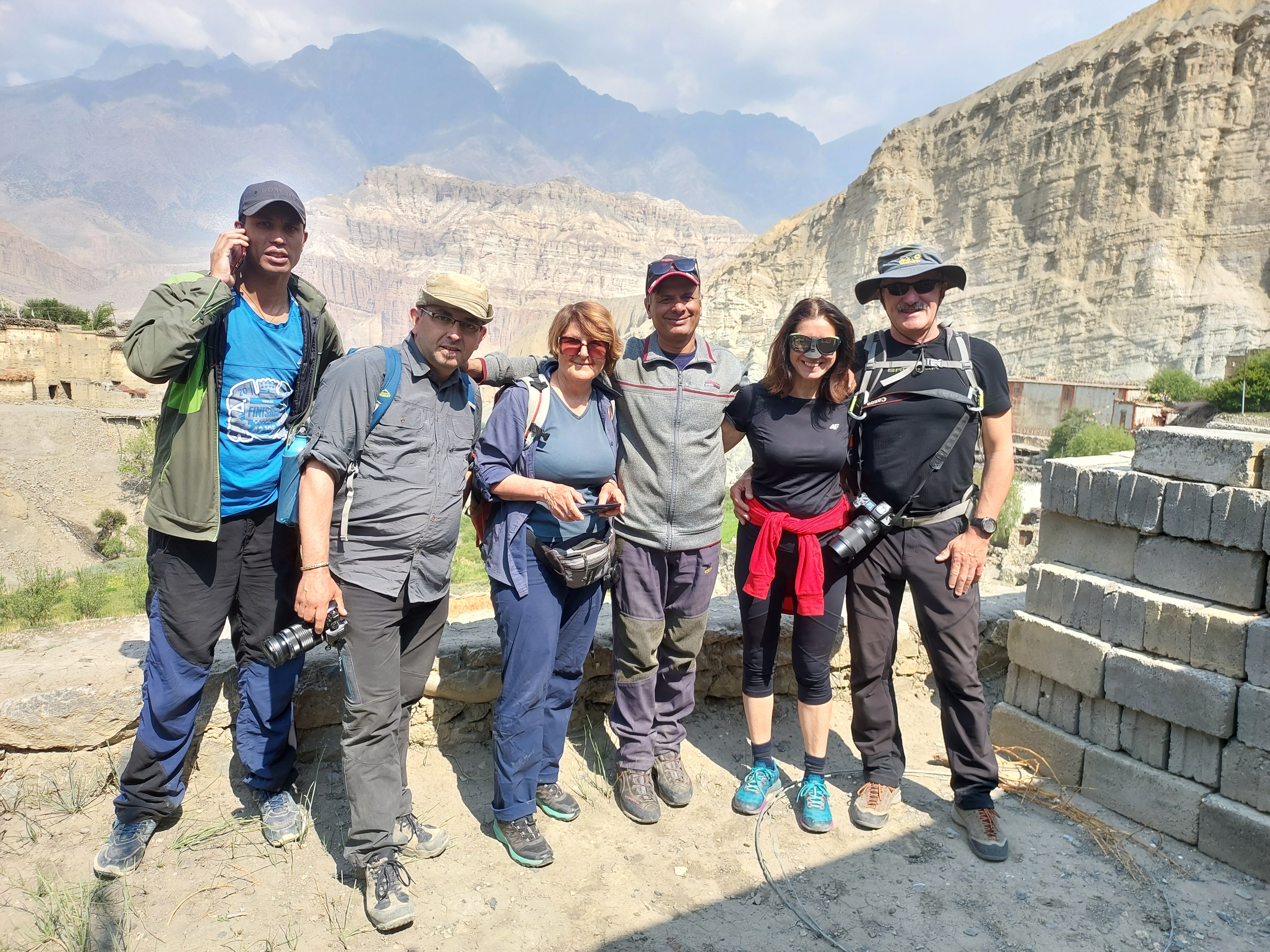
Travelers must trek with a licensed trekking company and a registered guide. Because the Tiji Festival is a peak period, permits, flights, and accommodation should be arranged well in advance. Trekking companies usually handle all these permits and logistics, ensuring a smooth and hassle-free journey.
Spiritual Meaning and Cultural Importance of Tiji Festival
Beyond its visual beauty, the Tiji Festival holds deep spiritual meaning for the people of Mustang. It is believed that attending the festival helps remove obstacles, negative energy, and misfortune. Local families gather from surrounding villages to receive blessings and participate in prayers for peace, good harvests, and harmony.
For visitors, witnessing this devotion offers a profound cultural insight into Himalayan Buddhist philosophy and the spiritual resilience of mountain communities. The festival embodies a celebration of life, victory of good over evil, and the preservation of ancient traditions.
Local Culture and Traditions During Tiji
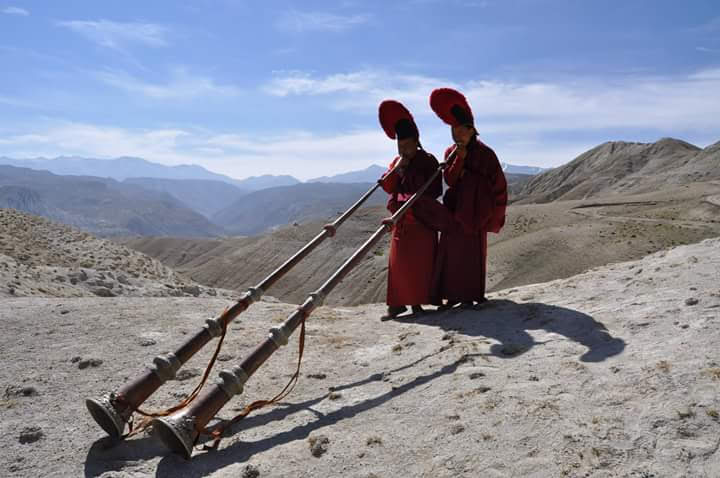
Visitors will notice that locals wear traditional Tibetan-style attire, with men donning chubas (long robes) and women wearing colorful aprons and jewelry. Monks from Choede Monastery perform intricate masked dances, where each mask symbolizes a deity or spirit. The rhythmic beats of drums, chanting, and ceremonial horns create a mesmerizing atmosphere that captivates travelers.
Food also plays a role in the festival. Guests can taste local specialties like tsampa (roasted barley flour), yak cheese, and butter tea, which reflect the hardy mountain lifestyle of the Lo-pa people.
Trekking Tips for the Tiji Festival Upper Mustang
- Altitude: Lo Manthang is at 3,840 meters; gradual acclimatization is recommended.
- Gear: Comfortable trekking boots, layered clothing, sun protection, and a good camera.
- Photography: Early mornings and evenings provide the best light; respect local customs when photographing monks.
- Health: Carry basic medications, water purification tablets, and sunscreen.
FAQs About Tiji Festival and Upper Mustang Trek
Q: Do I need a guide to attend Tiji Festival?
A: Yes, Upper Mustang is restricted, and a licensed guide is required.
Q: Is the trek suitable for beginners?
A: Moderate trekking experience is enough; altitude and acclimatization are key.
Q: Can I attend the festival without trekking?
A: Only a few local flights allow access; trekking is the common and recommended way to reach Lo Manthang.
Q: How long should I stay?
A: Ideally 10–14 days, including travel, trekking, and festival days.
Why Choose a Guided Tiji Festival Trek and Tour
Traveling to Upper Mustang during the Tiji Festival is complex, and choosing an experienced trekking company makes a significant difference.
A professionally organized tour ensures:
- Proper permits and logistics
- Knowledgeable local guides
- Cultural respect and responsible travel
- Comfortable accommodation and meals
- Well-planned itinerary to attend all festival days
A guided journey allows travelers to focus on experience, learning, and enjoyment while all arrangements are handled smoothly.
Plan Your Tiji Festival Adventure
Have questions about visiting the Tiji Festival or trekking in Upper Mustang? We’re here to help you plan a smooth and memorable journey. You can reach us directly via:
📱 WhatsApp / Call: +977-9841566449
📧 Email: info@mountainkingtrek.com
Our team can guide you on trekking routes, festival schedules, permits, and travel tips to ensure your journey is safe, comfortable, and unforgettable.